
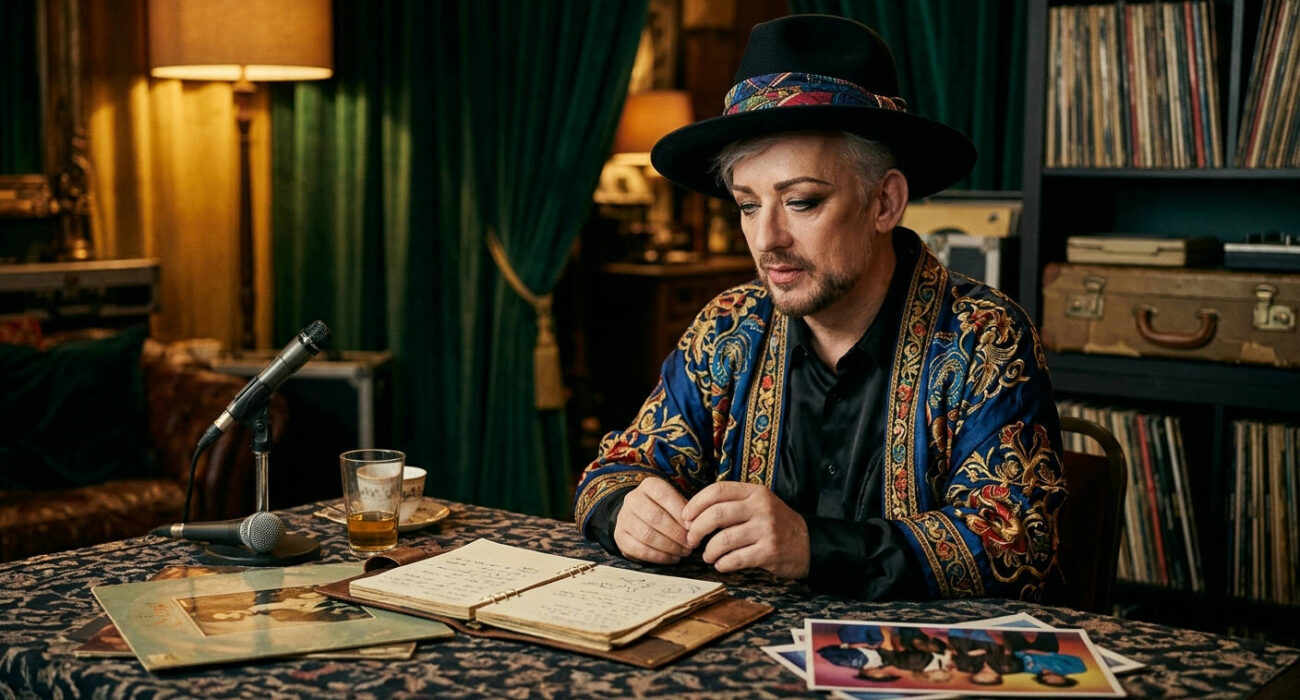
They were the technicolour titans of the 80s, a vibrant explosion of pop, soul, and reggae that felt like the future had arrived. With Boy George as their charismatic, androgynous frontman, they were more than a band; they were a cultural phenomenon. Then, almost as quickly as they appeared, the colours seemed to fade. It leaves millions of fans, even decades later, asking the same question: what happened to Culture Club? The answer isn’t a simple one. It’s a tangled story of love, addiction, fame, and friction that saw one of the world’s biggest bands implode at the peak of their power.
This isn’t just a nostalgia trip. The story of Culture Club’s fracture, their multiple reformations, and their ongoing evolution is a fascinating case study in band dynamics. From their ground breaking music to the very public personal battles, we’re diving deep into the complete story.
The Unstoppable Rise: More Than a Karma Chameleon
Before the fall, there was the meteoric, gravity-defying rise. Culture Club didn’t just climb the charts; they rewrote the rules of what a pop band could be, look like, and sound like.
From Blitz Kids to Global Superstars
The band formed in the crucible of London’s New Romantic scene in 1981. The members were a unique mix: the flamboyant Boy George (George O’Dowd), the steady guitarist Roy Hay, the cool-as-ice bassist Mikey Craig, and the powerhouse drummer Jon Moss. They fused pop sensibilities with blue-eyed soul and a breezy reggae beat, creating a sound that was instantly infectious and utterly their own.
Their debut album, Kissing to Be Clever (1982), was a shot across the bow of the music establishment. It wasn’t just a hit; it was a global event, powered by the soulful, pleading single “Do You Really Want to Hurt Me?”. The track hit number one in a dozen countries, establishing them as a serious musical force.
Colour by Numbers: The Album That Defined an Era
If their debut was the introduction, their 1983 follow-up, Colour by Numbers, was the coronation. This was the big one. It contained “Karma Chameleon,” a song so ubiquitous it felt like it was woven into the fabric of the decade itself. It became the UK’s biggest-selling single of 1983 and topped the US charts for three weeks.
But the album was far from a one-hit wonder. Tracks like “Miss Me Blind,” “It’s a Miracle,” and “Church of the Poison Mind” proved their song writing depth and musical versatility. They weren’t just a pop act; they were accomplished musicians creating sophisticated, soulful music that you could also dance to. Getting a copy of Colour By Numbers on vinyl is like owning a pure slice of 80s pop perfection.
The Visual Revolution
You can’t talk about Culture Club’s success without focusing on Boy George. At a time when pop stars were largely cut from a predictable cloth, George was a revelation. His androgynous style, incredible makeup, and unapologetic flamboyance were a challenge to the norms of gender and identity, broadcast directly into living rooms via the new and powerful medium of MTV.
He was a work of art in motion, and his visual presentation was as crucial to the band’s identity as their music. This potent combination of sound and vision created a complete package that was impossible to ignore, much like how icons such as Tina Turner used their unique look and electrifying stage presence to define their own legendary status.
The Cracks Begin to Show: How It All Fell Apart
The pressure of being the biggest band in the world is immense. For Culture Club, that external pressure was magnified by explosive internal dynamics that were destined to detonate.
The Secret Romance and Its Toxic Fallout
The central drama, hidden from the public for years, was the turbulent and passionate relationship between Boy George and drummer Jon Moss. This secret affair was the band’s creative core and, ultimately, its undoing. The raw emotion of their connection and its frequent troubles fuelled many of George’s most poignant lyrics.
“Our relationship was built on power-tripping and masochism. Our love, however diseased, was the creative force behind Culture Club.” – Boy George, in his autobiography Take It Like a Man.
When the relationship disintegrated during the recording of their third album, the fallout was catastrophic. The tension between the two became unbearable, poisoning the atmosphere and making creative collaboration nearly impossible. The band was no longer a gang of friends; it was a workplace filled with resentment and heartbreak.
Drugs, Pressure, and Public Scrutiny
As the romance with Moss crumbled, Boy George spiralled into a devastating heroin addiction. The drug use became an open secret within the music industry, and his behaviour grew increasingly erratic. The relentless schedule of recording, promoting, and touring took its toll on all the members, but for George, the drugs offered a dangerous escape.
The media, which had once celebrated him as a quirky icon, turned vicious. The tabloids hounded him, documenting his weight gain and apparent unhealthiness. The pressure cooker environment was simply too much, and the quality of the music began to suffer.
The Breakup of 1986
Their third album, Waking Up with the House on Fire (1984), was rushed and critically panned, a pale imitation of their previous work. While it had a hit with “The War Song,” the magic was clearly fading.

A final attempt, 1986’s From Luxury to Heartache, was marred by the chaos of George’s addiction. Producer Arif Mardin had to construct vocal tracks from dozens of takes due to the singer’s condition. Soon after its release, the band cancelled their tour, and by the end of 1986, Culture Club was officially over. The vibrant pop dream had come to a bitter end.
What Happened to Culture Club After the Split?
The end of the band in 1986 wasn’t the end of the story. The question of what happened to Culture Club extends into the solo careers, personal struggles, and reunion attempts that followed.
Boy George: Solo Star and Tabloid Target
Freed from the band, Boy George launched a successful solo career. His cover of Bread’s “Everything I Own” went to number one in the UK in 1987. He went on to become a globally renowned DJ, a successful author with his tell-all autobiography, and the creative mind behind the musical Taboo.
However, his personal battles continued to make headlines. His struggles with addiction were very public, leading to arrests and a period of court-ordered community service in New York. For years, George’s story was as much about recovery and survival as it was about music.
The Other Members: Life After the Spotlight
While George remained in the public eye, the other members pursued their own paths away from the intense glare.
- Mikey Craig was the first to release a solo record and worked as a producer. He later formed a duo called The Organics and has been a key figure in initiating several of the Culture Club reunions.
- Roy Hay moved to Los Angeles and became a successful composer for film and television, working on projects for directors like Robert Altman and scoring TV shows.
- Jon Moss remained active in the music industry, drumming for other bands like The Damned and Adam Ant, and engaging in various production projects.
The First Reunions (and False Starts)
The band first reunited in 1998, driven by a feature on VH1’s Storytellers series. The reunion was a huge success, leading to a sold-out tour and a new record deal. They even scored a UK Top 5 hit with “I Just Wanna Be Loved.”
They released a new album, Don’t Mind If I Do, in 1999. It was a solid effort, but the old tensions hadn’t disappeared. The reunion was short-lived, and the band went on hiatus again in 2002. It seemed that while the musical chemistry could be rekindled, the personal fractures were too deep to fully heal.
The 21st Century and the Quest for a Comeback
The new millennium brought more attempts to get the band back together, each with its own set of challenges and dramas, further complicating the answer to “what happened to Culture Club”.
More Tours, More Drama
In 2014, the band announced another full reunion of the original four members, with a new album and tour planned. However, the tour was abruptly cancelled just before it was set to begin, with the band citing a serious polyp on Boy George’s throat that required surgery.
They eventually hit the road in 2015 and 2016, but the old fault lines were still present. The relationship between George and Jon Moss remained particularly strained, a source of constant friction that would eventually lead to a final, definitive split.
The 2018 Album: Life
In 2018, the band (now credited as “Boy George and Culture Club”) released Life, their first new album in nearly two decades. The album received generally positive reviews, with critics praising George’s more mature, soulful vocals and the band’s tight musicianship.
Tracks like “Let Somebody Love You” showed they could still craft a killer reggae-infused pop tune. It was a sophisticated record that felt like a genuine progression, not just a rehash of their 80s glory days. It proved the creative spark was still there, even if the personal dynamics were shaky.
Touring in the 2020s
The band has continued to be a popular live act into the 2020s, embarking on tours across the globe. Audiences still flock to hear the classic hits, a testament to the enduring power of their music.
As of 2026, they often tour with other 80s legends, creating package tours that are a dream for fans of the era. However, the line-up on stage is noticeably different from the one that conquered the world.
The Lawsuit That Ended an Era for Good
The simmering tensions between Jon Moss and the rest of the band finally boiled over into a bitter legal dispute, marking the ugliest chapter in the band’s history.

Jon Moss vs. The Band
In 2019, Jon Moss filed a lawsuit against his former bandmates, claiming he was owed nearly £200,000 in lost earnings after being “expelled” from the band in 2018. The legal documents laid bare the decades of animosity, with Moss’s lawyers stating he was told to “take a break” from a 2018 tour and never welcomed back.
The dispute was over tour profits and the ownership of the Culture Club name. It was a sad, public airing of the dirty laundry that had been accumulating for almost 40 years, as detailed by outlets like the BBC. The romantic partners who had started a band together were now facing off in court.
The Outcome and Its Implications
The case was eventually settled out of court in March 2023. The band paid Moss an undisclosed sum, and he officially relinquished any claim to the Culture Club name and touring rights. The settlement drew a permanent line under the original four-piece line-up.
This legal battle officially ended the classic era of Culture Club. The band that had created “Karma Chameleon” and “Do You Really Want to Hurt Me?” would never again feature all four of its founding members. The current incarnation is now officially the trio of Boy George, Roy Hay, and Mikey Craig, who continue to tour with other musicians.
The Legacy: Why We Still Ask ## What happened to Culture Club
Decades after their peak, Culture Club’s influence remains potent. Their story is a compelling mix of triumph and tragedy, and their music has proven to be truly timeless.
The Music That Won’t Fade
At the end of the day, it always comes back to the songs. “Time (Clock of the Heart),” “Victims,” “Church of the Poison Mind”—these aren’t just pop songs; they are brilliantly crafted pieces of music with emotional depth and sophisticated arrangements.
They sound just as fresh and vibrant today as they did in the 80s, especially when you hear them on a quality vinyl pressing. The warmth and richness of the analogue sound bring out the nuances in the production and the soul in George’s voice. Grabbing a Culture Club Greatest Hits compilation on vinyl is the perfect way to experience the magic.
The Cultural Impact of Boy George
Boy George was a trailblazer. In a mainstream world that was far from accepting, his unapologetic and confident androgyny was a radical act. He provided a voice and a face for countless young people who felt different, becoming a true LGBTQ+ icon long before it was common.
“I wasn’t pretending to be a woman, I was pretending to be a man. I was a boy in makeup. I was saying that masculinity could be a masquerade.”
His courage and artistic vision helped to broaden cultural perceptions of gender and sexuality, paving the way for generations of artists—from Adam Lambert to Harry Styles—to express themselves freely.
### How to Rediscover Culture Club in 2026
If you’re looking to dive back into their catalogue, where should you start?
- The Hits: Start with a greatest hits collection. It’s the best way to get all the essential, chart-topping singles in one place.
- The Deep Dive: Once you’re hooked, pick up Colour by Numbers. It’s their masterpiece and a perfect pop album from start to finish.
- The Debut: Don’t sleep on Kissing to Be Clever. It’s a rawer, more reggae-influenced record that shows the band’s roots.
The Final Answer: So, Really, What Happened?
There is no single, simple answer to the question. The story of what happened to Culture Club is a story of a perfect storm. It was a combination of volatile factors that converged at once.
A Complicated Collapse
The band’s downfall wasn’t caused by one thing. It was the explosive end of a secret love affair, the crushing pressure of global fame, a debilitating drug addiction, and the clash of massive egos. The same intense chemistry that made their music so magical was also the source of their destruction.
Culture Club didn’t just vanish. They fractured under an immense weight, and the pieces have spent the last 40 years being put back together in different configurations, only to fall apart again.
The Modern Incarnation of the Band
As of 2026, Culture Club exists as a touring entity fronted by the core trio of George, Roy, and Mikey. They are a celebration of a legacy, performing the songs that an entire generation grew up with. They are no longer the volatile, world-conquering force of 1983, but a group of survivors who have found a way to coexist and honour the music they created.
The departure of Jon Moss, while acrimonious, has seemingly brought a sense of stability to the band. The primary source of four decades of conflict is gone, allowing the remaining members to focus on the music and their relationship with their fans.
The story of Culture Club is a cautionary tale about the price of fame and the destructive power of secrets. But it’s also a story of incredible resilience. Despite all the drama, the breakups, and the lawsuits, the music endures, a vibrant and colourful reminder of a time when four unique individuals from London captured the entire world’s attention. Their sound is a permanent part of pop history, waiting to be rediscovered on a turntable near you.