

Trying to create a list of the Gary Numan best albums ranked is a monumental task. The man is a pioneer, an innovator, and an artist who has refused to stand still for nearly five decades. From the synth-pop alien of 1979 to the industrial titan of 2026, his catalogue is a sprawling, fascinating journey through sonic reinvention. Here at Vinyl Gold UK, we live for artists like Numan – the ones who challenge, evolve, and leave an indelible mark. So, let’s get into it and try to make sense of a truly legendary discography.
This isn’t just about listing albums; it’s about understanding the arc of a career. We’re dissecting the moments of genius, the brave left turns, and the stunning comebacks that define Gary Numan.
Before the Androids: Tubeway Army’s Crucial Foundation
You can’t talk about Gary Numan without talking about Tubeway Army. This was the chrysalis. Before the iconic solo identity was fully formed, this was the band that laid the groundwork, transitioning from punk fury to something colder, more alien, and infinitely more interesting.
Tubeway Army (1978)
The debut is a fascinating document. It’s a record caught between two worlds. On one hand, you have the raw, guitar-driven energy of late-70s punk. On the other, you can hear the first tentative bleeps and bloops of the synthesizers that would soon define his sound.
Tracks like “Listen to the Sirens” and “My Shadow in Vain” still carry a punk rock sneer, but the Minimoog synth is lurking, adding a layer of sci-fi dread. It’s not his most cohesive work, but it’s an essential starting point, showing the spark of the revolution to come.
Replicas (1979)
This is where it all changed. Ditching the last vestiges of punk, Numan and Tubeway Army plunged headfirst into a dystopian concept album heavily inspired by the works of sci-fi author Philip K. Dick. The result was Replicas, a cold, paranoid, and brilliant piece of work.
The sound is stark and mechanical. The guitars are processed to sound like machines, and the synths are front and centre, creating a world of “Machmen” and faceless androids. And then there’s “Are ‘Friends’ Electric?” – the sprawling, minimalist epic that unexpectedly shot to Number 1 in the UK. It was the sound of the future, delivered today, and it set the stage for a legend.
The “Machine” Trilogy: Solidifying a Legend (1979-1980)
With the success of Replicas, Numan shed the Tubeway Army name and stepped into the spotlight as a solo artist. The next two albums, released in astonishingly quick succession, would form the core of his legacy and define the synth-pop movement he inadvertently created. This period is the backbone of any discussion about the Gary Numan best albums ranked.
The Pleasure Principle (1979)
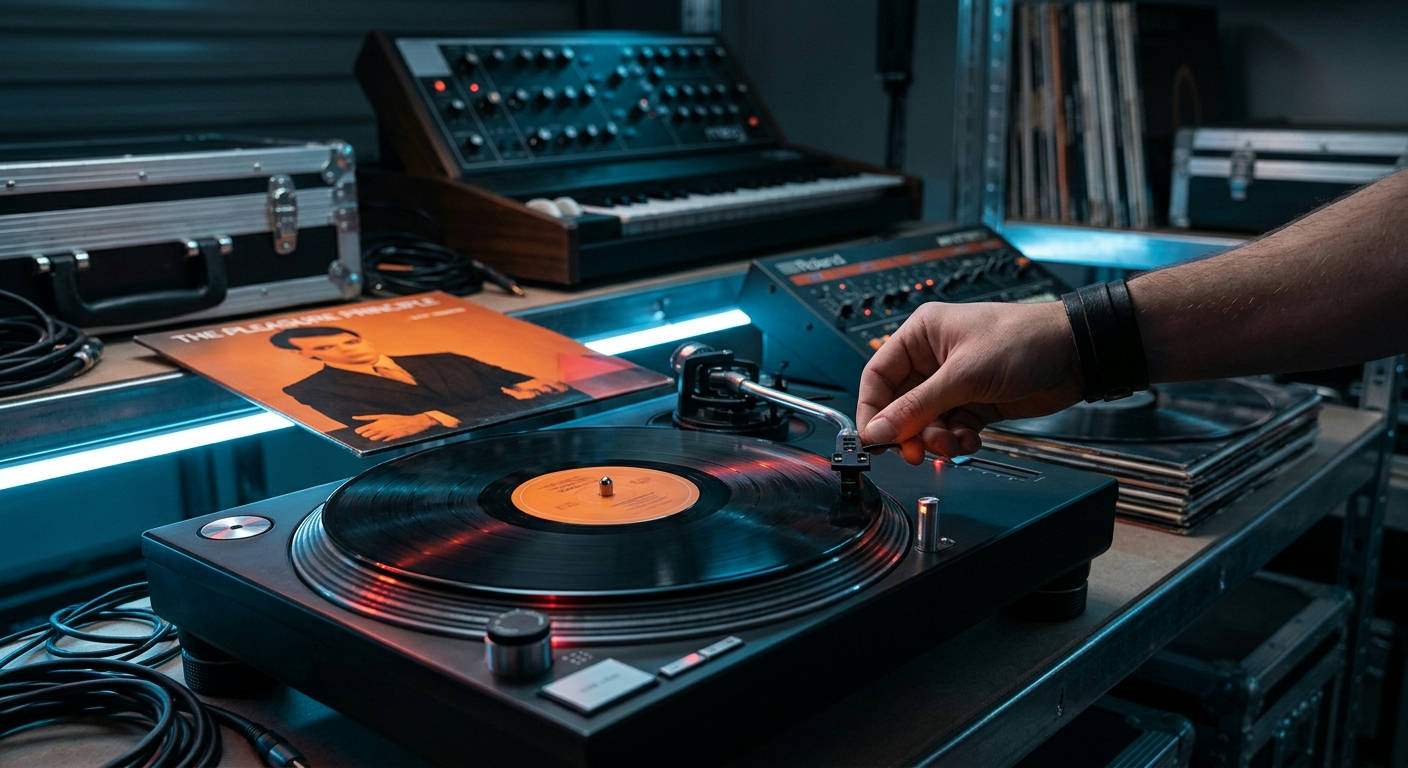
If you own one Gary Numan album, this is probably it. The Pleasure Principle is the definitive statement. Numan famously abandoned guitars entirely for this record, relying solely on synthesizers, bass, and drums to create its iconic sound.
The result is pure, streamlined futurism. It’s cool, detached, and impossibly catchy. This album gave the world “Cars,” a transatlantic mega-hit that still sounds like it was beamed in from another dimension. But the deep cuts are just as vital. “Metal,” with its chugging robotic rhythm, would later be famously covered by Nine Inch Nails, while “M.E.” is a haunting exploration of being the last machine on Earth. It’s a flawless record from start to finish.
“I was writing about what it was like to be in a car, and how you could be in this little metal box, and the world was outside, and you were completely safe. It was a protective bubble.” – Gary Numan
Telekon (1980)
Following up The Pleasure Principle was an impossible task, but Numan did it by expanding his sonic palette. Telekon is a denser, more melancholic, and arguably more complex album. The synths are more layered, the inclusion of violas and pianos adds new textures, and the emotional weight is palpable.
This album grapples with the anxieties of fame. Songs like “This Wreckage” and “I’m an Agent” directly address the pressures of his newfound stardom. At the time of its release, Numan announced his retirement from touring, and Telekon feels like a grand, emotional farewell. It was another Number 1 album and a powerful closing statement to the most iconic phase of his career.
Gary Numan Best Albums Ranked: The Definitive Vinyl Gold UK List
Right, let’s get down to brass tacks. Ranking these albums is a brutal process, and every fan will have their own order. We’ve argued, we’ve debated, and we’ve spun the records until the grooves were nearly smooth. This is our definitive take on the Gary Numan best albums ranked, based on influence, cohesion, and sheer replayability.
How We Created Our Gary Numan Best Albums Ranked List
Our criteria were simple but strict. We looked for innovation—did the album push his sound forward? We considered its cultural impact and influence on other artists. Most importantly, we judged it as a complete listening experience. Does it work as a cohesive piece of art from the first track to the last?
10. Jagged (2006)
A brutal slab of industrial rock that solidified the comeback started with Pure. It’s heavy, angry, and unapologetic, proving Numan was no legacy act.
9. I, Assassin (1982)
A fascinating and funky detour. The prominent fretless bass of Pino Palladino gives this album a slinky, unique groove that sets it apart from anything else in his catalogue.
8. Dance (1981)
An atmospheric and experimental record. Numan collaborated with artists like Mick Karn of Japan, creating a moody, ambient, and often beautiful album that alienated some fans but showcased his artistic restlessness.
7. Sacrifice (1994)
The turning point. After a decade of commercial struggles, Numan stripped everything back, went full-on industrial, and self-produced this dark, atheistic masterpiece. This is the blueprint for modern Numan.
6. Savage (Songs from a Dead World) (2017)
A stunning late-career triumph. A concept album set in a post-apocalyptic desert world, Savage is sonically immense, blending industrial crunch with soaring Middle Eastern melodies. It was a huge critical and commercial success.
5. Intruder (2021)
The sequel and spiritual successor to Savage. This time, the concept is the Earth fighting back against humanity. It’s powerful, cinematic, and another UK Top 5 album, proving his relevance is stronger than ever in the 2020s.
4. Telekon (1980)
The epic, emotional conclusion to his “machine” phase. It’s richer and more musically complex than its predecessor, a perfect soundtrack for the end of the world or just a rainy Tuesday.
3. Splinter (Songs from a Broken Mind) (2013)
The comeback album to end all comeback albums. After a seven-year gap, Numan returned with this emotionally raw and sonically devastating record, earning his best reviews and highest chart placings in 30 years. A modern classic.
2. Replicas (1979)
The sci-fi masterpiece. This is the bridge from punk to synth-pop, a paranoid and compelling concept album that birthed a Number 1 single and an entire genre of music. Utterly essential.
1. The Pleasure Principle (1979)
It had to be. This is the ground-zero of Numan’s imperial phase. No guitars, all attitude. From “Cars” to “Metal,” every track is a masterclass in minimalist electronic rock. It’s the sound of the future, frozen in time, and it still sounds revolutionary today.
The Wilderness Years and the Industrial Rebirth (1980s-1990s)
After the massive success of the machine trilogy, Numan took a sharp left turn. The 1980s were a period of intense experimentation, commercial decline, and a struggle for identity. While this era is often overlooked, it’s a crucial part of his story and contains some hidden gems.
The Numa Records Era: Creative Freedom, Commercial Struggle
Frustrated with his major label, Numan founded his own, Numa Records, in 1984. This gave him complete creative control, but the results were often mixed. Albums like Warriors (1983) saw him collaborating with jazz-funk and fusion musicians, while The Fury (1985) was awash with female backing singers and saxophone solos.
This era is defined by a very specific 80s aesthetic—big shoulder pads, bold makeup, and a production style that hasn’t always aged gracefully. While albums from this period don’t typically feature high on a list of the Gary Numan best albums ranked, they show an artist refusing to be pigeonholed and desperately searching for a new direction.
The Industrial Pivot: Sacrifice and Exile
By the early 1990s, things looked bleak. Numan was considered a nostalgia act. But then a new generation of artists, led by Trent Reznor of Nine Inch Nails, began citing him as a primary influence. This validation seemed to relight a fire within Numan.
He responded with Sacrifice in 1994. Gone were the saxophones and backing singers. In their place was a dark, heavy, and aggressive industrial sound, heavily influenced by the very bands he had inspired. He followed it up with the even darker, more gothic Exile (1997). These albums were a creative rebirth, setting the stage for his incredible 21st-century resurgence.
The Modern Titan: Numan’s 21st Century Renaissance (2000-2026)
The groundwork laid by Sacrifice and Exile paid off spectacularly in the new millennium. Starting with 2000’s Pure, Numan has been on an unstoppable creative roll, releasing a string of albums that are not only critically acclaimed but are arguably the best and most consistent of his entire career. He is no longer an influence; he is a contemporary.
From Pure to Splinter: Rebuilding the Legacy
Pure (2000) was a statement of intent. It was brutally heavy, full of metallic guitars and pounding electronic beats. It was the sound of an artist reborn, angry, and full of purpose. He continued this heavy industrial path with Jagged (2006), another powerful entry.
But the true modern masterpiece arrived in 2013 with Splinter (Songs from a Broken Mind). The album documented his battle with depression with harrowing honesty. Sonically, it was a perfect blend of industrial aggression and vast, cinematic sound design. It crashed into the UK Top 20, a feat he hadn’t achieved in three decades, and the music world finally woke up to the fact that Gary Numan was making the most vital music of his life.
Our H3 Take on the Gary Numan Best Albums Ranked in the Modern Era
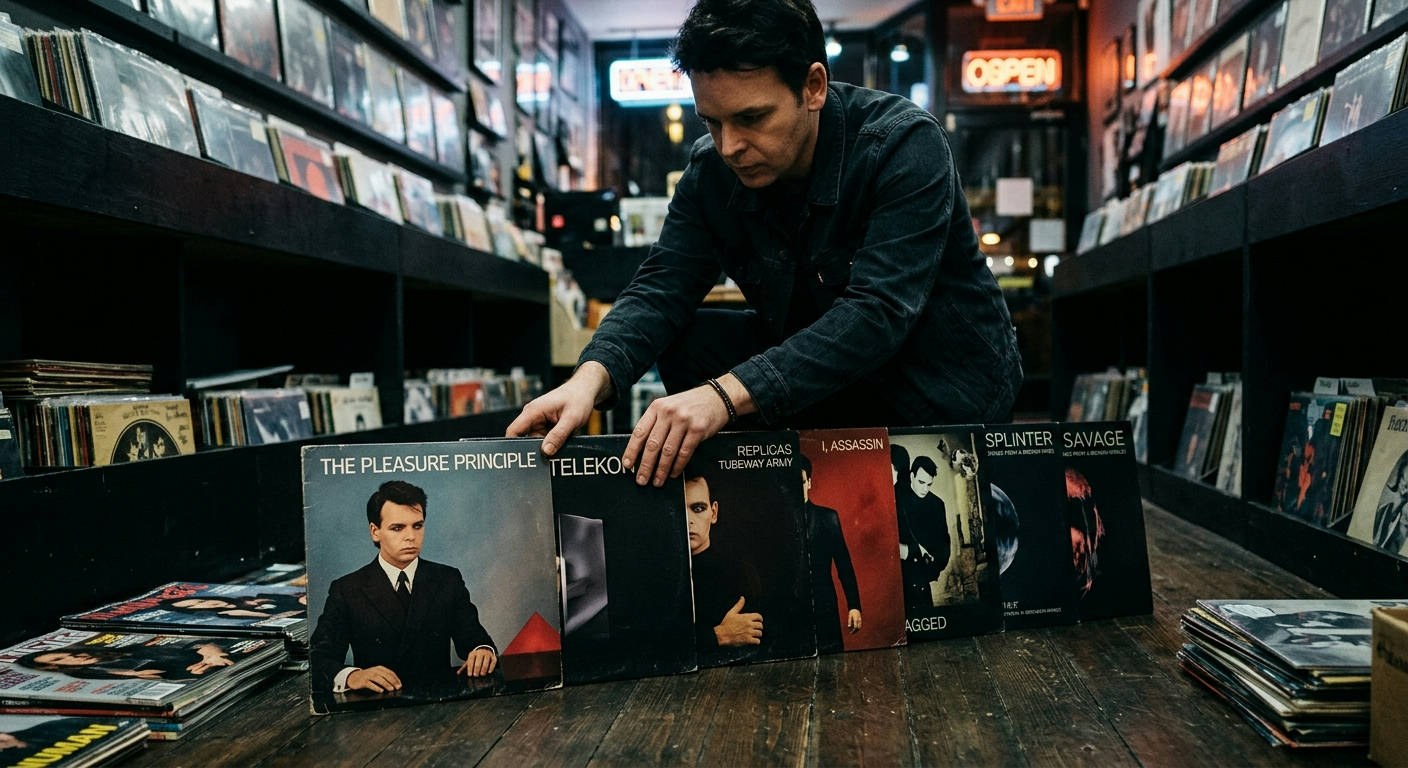
If we were only ranking his 21st-century output, the competition would be fierce. Splinter was followed by two more incredible concept albums that took his success to another level.
Savage (Songs from a Dead World) (2017) was a monster. Inspired by a post-apocalyptic world ravaged by climate change, its blend of industrial rock and sweeping, Eastern-influenced melodies was breath-taking. It reached Number 2 on the UK album charts, a testament to his renewed cultural currency. You can find out more about its chart performance on the Official Charts Company website.
He repeated that success with Intruder (2021), which also hit Number 2. A companion piece to Savage, this album tells its story from the perspective of the Earth itself, viewing humanity as a virus. It’s another powerful, cinematic, and deeply relevant work from an artist operating at the absolute peak of his powers, even in 2026.
Collecting Gary Numan on Vinyl: A Guide for Audiophiles
For a true fan, experiencing Numan’s music on vinyl is a must. The warmth and depth of the format are perfectly suited to the rich, layered electronics of his work. Here at Vinyl Gold UK, we’re obsessed with getting the best sound, and a great vinyl setup is key. If you’re looking to upgrade, check out our guide to the best turntables under £300 in the UK.
Original Pressings vs. Modern Reissues
This is the classic collector’s dilemma. Do you hunt down an original 1979 pressing on the Beggars Banquet label, or do you pick up a brand new 180-gram reissue?
- Originals: There’s a magic to owning a piece of history. The sound can be raw and authentic, exactly as it was intended to be heard at the time. However, finding a copy in mint condition can be difficult and expensive.
- Reissues: Modern reissues, especially those from recent years, often boast superior audio quality thanks to advanced remastering techniques. They are pristine, readily available, and often come with deluxe packaging or bonus tracks.
There’s no wrong answer. It comes down to personal preference—the thrill of the hunt versus pristine audio.
Essential Numan Vinyl for Your Collection
If you’re just starting your Numan vinyl journey, where should you begin? Here are three non-negotiable classics that belong in every collection.
- The Pleasure Principle: This is the one. Its minimalist cover is as iconic as the music within. It’s a cornerstone of any serious electronic music collection.
- Find your copy on Amazon: Gary Numan The Pleasure Principle Vinyl
- Replicas: The dystopian artwork and paranoid synth-punk sound make this an essential spin. Hearing “Are ‘Friends’ Electric?” take up half a side of vinyl is an experience.
- Find your copy on Amazon: Tubeway Army Replicas Vinyl
- Splinter (Songs from a Broken Mind): To appreciate modern Numan, you need this one. It’s a stunning sonic achievement, and the beautiful, gatefold vinyl presentation does it justice.
- Find your copy on Amazon: Gary Numan Splinter Vinyl
Caring for Your Numan Records
Once you’ve got them, look after them. Store your records vertically, never flat. Keep them in anti-static inner sleeves to protect them from dust and scratches. A good carbon fibre brush is your best friend for a quick clean before each play. Treat them right, and they’ll outlive us all.
Numan’s Enduring Influence: More Than Just ‘Cars’
Gary Numan’s shadow looms large over decades of music. His impact goes far beyond one hit single. He was a pioneer who brought synthesizers and dystopian sci-fi themes to the forefront of pop music, creating a blueprint that countless artists would follow.
The Blueprint for Electronic, Industrial, and Pop
The list of artists who have been inspired by Numan is staggering and eclectic. His influence is a thread that runs through genres, from industrial metal to hyper-pop.
“I was listening to Numan’s Replicas album. I was impressed by the way he’d found a voice that was his own. He wasn’t trying to be somebody else.” – Trent Reznor, Nine Inch Nails
Musicians as diverse as Dave Grohl, Prince, Kanye West, Lady Gaga, and The Sugababes (who had a huge hit sampling “Are ‘Friends’ Electric?”) have all pointed to Numan as a key inspiration. He showed that electronic music could be dark, heavy, and emotionally resonant, not just fodder for the dancefloor.
Why He Still Matters in 2026
So why are we still so obsessed with Gary Numan in 2026? It’s because he never became a parody of himself. He has consistently pushed forward, embraced new sounds, and written about themes that are more relevant than ever—alienation, technology, climate change, and faith.
He’s not just playing the hits from 1979. He’s selling out huge venues and hitting the top of the charts with brand new music that is as challenging and vital as anything he’s ever done. Gary Numan isn’t just a survivor from a bygone era; he’s a contemporary artist at the height of his powers. His legacy isn’t just secure; it’s still being written.