
Few artists in music history have matched the raw power, resilience, and sheer longevity of Tina Turner. Born Anna Mae Bullock in Nutbush, Tennessee, she rose from humble beginnings to become one of the most electrifying performers the world has ever seen. Her voice — rough-edged yet deeply soulful — could turn any song into an event. This comprehensive review explores her full solo discography, from her country-tinged debut in 1974 to her final studio album in 1999. Whether you are a lifelong fan or just discovering her music, this guide gives you everything you need to understand the legacy of Tina Turner.
Key Questions About Tina Turner, Answered
What was Tina Turner’s first solo album? Tina Turns the Country On!, released in 1974, was her debut solo effort. At the time, she was still performing with Ike Turner, which made the project all the more remarkable. The album blended country and soul — two genres that shared more common ground than people expected. It earned her a Grammy nomination and quietly signalled that she had far more to offer as a solo voice.
What was her biggest-selling album? Private Dancer, released in 1984, is her most commercially successful album by a wide margin. It sold over 20 million copies worldwide and earned four Grammy Awards. The album launched a comeback that no one in the industry had seen coming — and it remains one of the greatest second acts in music history.
Why did Tina Turner move to Switzerland? She relocated to Switzerland in the 1990s, primarily for love. Her partner — and later husband — Erwin Bach, a German music executive, was based in Europe. She settled in Küsnacht, near Zurich, where she found the privacy and peace that had eluded her for much of her public life. In 2013, she became a Swiss citizen, formally renouncing her American citizenship the following year.
What are Tina Turner’s most famous songs? Her most iconic songs span two distinct eras. Proud Mary — recorded with Ike — became one of her signature live performances. Then came her solo renaissance, which produced What’s Love Got to Do with It, Private Dancer, The Best, and I Don’t Wanna Fight. These tracks not only dominated the charts but also defined the sound of popular music in the 1980s and early 1990s.




Tina Turner’s Discography at a Glance
| Year | Album Title | Key Highlights / Genre |
|---|---|---|
| 1974 | Tina Turns the Country On! | Her debut solo effort; a mix of country and soul |
| 1975 | Acid Queen | Half rock covers (The Who, Stones), half R&B |
| 1978 | Rough | Her first post-Ike album; leans into a rockier sound |
| 1979 | Love Explosion | A disco-influenced project that is often overlooked |
| 1984 | Private Dancer | The legendary comeback. 5x Platinum |
| 1986 | Break Every Rule | Featured the hit “Typical Male” and “Paradise Is Here” |
| 1989 | Foreign Affair | Home to “The Best”; huge success in Europe |
| 1993 | What’s Love Got to Do with It | Soundtrack to her biopic; includes “I Don’t Wanna Fight” |
| 1996 | Wildest Dreams | Featured “GoldenEye” (the Bond theme) and “Missing You” |
| 1999 | Twenty Four Seven | Her final studio album; a blend of dance-pop and soul |
Album-by-Album Review
1974 — Tina Turns the Country On!
Tina Turner launched her solo career with this quietly ground breaking debut. Released in 1974, the album surprised many listeners by diving into country music territory. At the time, this felt like an unexpected direction for a soul and R&B powerhouse. However, the project revealed real artistic curiosity and range. Notably, she covered songs by Dolly Parton and James Taylor, bringing soulful warmth to each track. The album earned a Grammy nomination for Best Female R&B Vocal Performance. Furthermore, it proved she could interpret material far beyond the Ike & Tina catalogue. Critics responded positively, recognising a distinct voice emerging on its own terms. Still, the album remained modest in commercial terms. Nevertheless, it planted an important seed. In retrospect, Tina Turns the Country On! serves as a fascinating document of an artist beginning to define herself independently. Tina Turner herself later described this period as a time of slow but essential self-discovery.
1975 — Acid Queen
Released just one year after her debut, Acid Queen showed Tina Turner moving in a bolder, harder direction. The album split neatly between rock covers and R&B originals, giving it an unusual and compelling texture. She tackled The Who’s Acid Queen and The Rolling Stones’ Let’s Spend the Night Together with fearless energy. Additionally, she covered Led Zeppelin’s Whole Lotta Love, turning it into something entirely her own. These were not safe, polished interpretations — they were full-throated performances that matched the originals in intensity. Meanwhile, the R&B tracks on the second half grounded the album in more familiar territory. Critics praised her vocal power throughout. Furthermore, the album helped lay the groundwork for her rock credibility, which would prove invaluable later in her career. Acid Queen remains one of her most underappreciated records. In short, it demonstrated that she could inhabit any genre — rock, soul, or otherwise — with absolute conviction.
1978 — Rough
By 1978, Tina Turner had finally broken free from her marriage to Ike Turner. Rough arrived as her first post-split solo record, and the title felt appropriate. The album leaned into a harder, rockier sound that reflected her new sense of freedom. Collaborating with producer Bob Monaco, she pushed into territory that felt genuinely liberated. Tracks like Fruits of the Night showcased both vocal grit and emotional depth. Moreover, the album carried an energy that felt personal — as though she were processing an entire chapter of her life through music. Commercially, it did not make a major impact. Nevertheless, Rough holds significant value as a transitional record. It marked the moment Tina Turner began reclaiming her identity on her own terms. In hindsight, it set the emotional and sonic foundation for the comeback that would eventually follow. Dedicated fans regard it as an honest, raw, and undervalued part of her catalogue.
1979 — Love Explosion
Love Explosion arrived at the peak of the disco era, and Tina Turner embraced the moment fully. Released in 1979, the album leaned heavily into dance-floor energy and polished production. This was, in many ways, a commercial attempt to capture the spirit of the times. Consequently, it sits apart from the rest of her catalogue in both tone and intent. Tracks like Backstabbers and Music Keeps Me Dancin’ delivered pure groove. However, the album ultimately failed to generate significant chart success. Despite that, it captured Tina Turner at a moment of genuine experimentation. She was willing to try new things, even if the results were uneven. Furthermore, it demonstrated her desire to stay relevant in a rapidly changing musical landscape. Today, the album attracts renewed interest from fans of vintage disco and funk. In retrospect, Love Explosion is a curious and entertaining detour — overlooked, but far from undeserving of attention.
1984 — Private Dancer
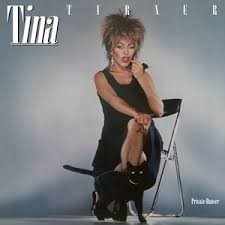
Private Dancer is, without question, one of the greatest comeback albums in music history. Released in 1984, it transformed Tina Turner from a nostalgia act into a global superstar. The album sold over 20 million copies and won four Grammy Awards, including Record of the Year. Tracks like What’s Love Got to Do with It, Private Dancer, and Better Be Good to Me became instant classics. Moreover, the production — handled by a team including Terry Britten and Martyn Ware — was sleek, sophisticated, and perfectly suited to her voice. The title track, written by Mark Knopfler of Dire Straits, carried an aching, cinematic quality unlike anything else in her catalogue. Additionally, the album made Tina Turner a symbol of resilience for millions of listeners worldwide. In short, Private Dancer did not just revive her career — it redefined it entirely. Five times Platinum in the US, it remains her undisputed masterpiece.
1986 — Break Every Rule
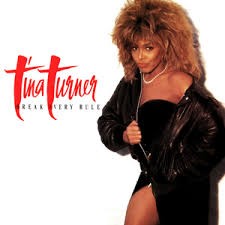
Two years after Private Dancer, Tina Turner returned with Break Every Rule — an album that aimed to consolidate her new status as a rock and pop heavyweight. Released in 1986, it featured the lead single Typical Male, which reached number one in the US. Furthermore, tracks like Two People and Paradise Is Here added emotional depth to what was otherwise a sleek, stadium-ready record. The album debuted at number two in the UK and performed strongly across Europe. However, some critics felt it lacked the raw surprise factor of its predecessor. Nevertheless, Break Every Rule demonstrated that Tina Turner could sustain commercial momentum at the highest level. The accompanying world tour became one of the highest-grossing of the decade. Additionally, the album cemented her status as a live performance icon. In context, it was a confident and accomplished follow-up that kept her squarely at the top of the global music conversation.
1989 — Foreign Affair

Foreign Affair, released in 1989, became the album that conquered Europe. Tina Turner had always enjoyed strong European support, but this record turned that affection into something extraordinary. The Best — now one of her most recognisable anthems — became a massive hit across the continent. Additionally, tracks like I Don’t Wanna Lose You and Steamy Windows showcased both vocal power and commercial instinct. The album reached number one in several European countries and went Platinum across the UK, Germany, and beyond. Furthermore, the Foreign Affair world tour became a landmark event, breaking concert attendance records in multiple cities. Notably, she performed to 180,000 people in Rio de Janeiro alone. In retrospect, Foreign Affair represents the peak of Tina Turner’s European popularity. The album was confident, warm, and expertly produced. It remains one of the most beloved entries in her solo catalogue and a defining statement of her late-career power.
1993 — What’s Love Got to Do with It
The What’s Love Got to Do with It soundtrack arrived alongside the biopic that introduced Tina Turner’s story to an entirely new generation. Released in 1993, the album blended re-recordings of classic hits with brand-new material. I Don’t Wanna Fight became one of her biggest singles of the decade, co-written by Billy Lawrie and Lulu. Moreover, revisiting songs like Proud Mary and Nutbush City Limits gave them fresh emotional weight, filtered through the context of the film. The accompanying movie — starring Angela Bassett and Laurence Fishburne — introduced the full story of Tina’s survival and triumph to millions of new viewers. Consequently, the album reached a younger audience that might otherwise have missed her earlier work. Furthermore, both the film and the record reinforced her status as a cultural icon rather than merely a pop star. Tina Turner herself was closely involved in the project, ensuring it reflected her truth.
1996 — Wildest Dreams

Wildest Dreams, released in 1996, showed Tina Turner embracing a more expansive, cinematic sound. The album’s most talked-about moment came with GoldenEye — her contribution to the James Bond franchise, co-written by Bono and The Edge of U2. Moreover, the song became one of the most acclaimed Bond themes of the modern era. Additionally, tracks like Missing You and In Your Wildest Dreams — a duet with Barry White — added warmth and variety to the record. The album performed well in Europe, reaching the top five in several countries. However, it received a more muted reception in the United States. Nevertheless, Wildest Dreams highlighted Tina Turner’s continued relevance in the mid-1990s landscape. The production was polished and confident throughout. Furthermore, the album toured extensively, keeping her connected with her enormous global fanbase. In essence, it was a worthy addition to a catalogue that continued to grow in stature.
1999 — Twenty Four Seven
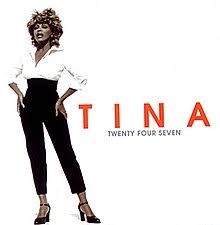
Tina Turner closed her recording career with Twenty Four Seven, released in 1999. The album blended dance-pop production with soulful vocals, striking a balance between contemporary sounds and her timeless delivery. Lead single Whatever You Need performed respectably on the charts. Furthermore, tracks like Without You and Talk to My Heart gave the album emotional grounding beneath its polished exterior. She promoted the record with the Twenty Four Seven tour — which became one of the highest-grossing tours of 2000, grossing over $100 million globally. Moreover, it turned out to be her farewell tour, making it a bittersweet but triumphant send-off. Critics acknowledged the album as a solid, if not groundbreaking, final chapter. Nevertheless, it closed her studio career on a dignified and energetic note. In retrospect, Twenty Four Seven served as a fitting conclusion — proof that even at 60, Tina Turner remained a formidable and vital musical force.
A Legacy Simply Without Equal
Tina Turner’s discography tells the story of a woman who refused to be diminished. Across ten solo studio albums, she moved through country, soul, rock, disco, and pop — mastering each with characteristic fearlessness. Her comeback with Private Dancer remains one of music’s most astonishing stories. Furthermore, albums like Foreign Affair and What’s Love Got to Do with It proved she could sustain that brilliance across decades. Her music did not simply entertain — it endured. Today, her songs continue to fill arenas through tribute acts, film adaptations, and greatest-hits collections that reach new generations of fans. Tina Turner passed away in May 2023, leaving behind a catalogue that will remain relevant for as long as people seek music with soul, strength, and authenticity. Simply the best — no qualifier needed.