


Curtis Mayfield shaped soul music with clarity, purpose, and unmistakable sound. His albums blend groove with message, while his voice carries urgency and hope. This complete guide explores every Curtis Mayfield album, offering insight into his artistry, influence, and lasting cultural relevance.
Key Questions About Curtis Mayfield
What is Curtis Mayfield’s most famous song?
Many listeners point to “Move On Up” as Curtis Mayfield’s defining solo track. However, “People Get Ready,” recorded with The Impressions, remains equally iconic. Both songs highlight Curtis Mayfield’s ability to combine uplifting themes with memorable melodies.
What happened to Curtis Mayfield?
In 1990, a tragic stage lighting accident left Curtis Mayfield paralyzed. Despite this, Curtis Mayfield continued recording music, showing resilience and dedication. His later work reflects both struggle and determination, especially on New World Order.
What was Curtis Mayfield’s guitar tuning?
Curtis Mayfield used a unique open F-sharp tuning: F#, A#, C#, F#, A#, F#. This approach shaped the signature Curtis Mayfield guitar sound. Consequently, his playing feels fluid, melodic, and instantly recognisable.
Why is the Super Fly soundtrack important?
Curtis Mayfield’s Super Fly soundtrack changed expectations for film music. Instead of glorifying the story, Curtis Mayfield delivered sharp social commentary. As a result, the album stands as one of the most important soul soundtracks ever created.
Solo Studio Albums
Curtis (1970)

Curtis Mayfield launched his solo career with confidence on Curtis (1970). From the opening moments, Curtis Mayfield blends funk grooves with bold social commentary. Moreover, the album highlights his transition from The Impressions into a more direct voice. Songs like “Move On Up” helped Curtis Mayfield reach a wider audience quickly.
However, the record never sacrifices message for accessibility. Instead, Curtis Mayfield addresses inequality, struggle, and empowerment with clarity. His falsetto delivers urgency, while the arrangements stay tight and purposeful. As a result, listeners connect with both rhythm and meaning.
Additionally, Curtis Mayfield influenced future artists through this release. Kanye West later sampled his work, bringing Curtis Mayfield to new audiences. Therefore, the album remains relevant decades after release.
Production choices feel clean and focused throughout the record. Curtis Mayfield avoids excess, which strengthens each musical moment. Consequently, every track contributes to a cohesive listening experience.
Overall, Curtis (1970) stands as a defining statement. Curtis Mayfield sets the tone for his solo journey while shaping soul music’s direction. Even now, the album continues to inspire musicians and listeners alike.
Roots (1971)
Curtis Mayfield expanded his artistic vision on Roots (1971). This album places Curtis Mayfield firmly within conversations about identity and culture. Furthermore, Curtis Mayfield explores Afrocentric themes with confidence and purpose.
The music supports the message with layered instrumentation and steady grooves. Meanwhile, Curtis Mayfield delivers vocals that feel both reflective and assertive. Each track builds on the album’s core ideas without losing momentum.
Additionally, Curtis Mayfield strengthens his reputation as a socially aware songwriter here. His lyrics address heritage, pride, and unity with direct language. As a result, the album resonates deeply with listeners seeking meaning.
Production remains polished but never overwhelming. Curtis Mayfield keeps arrangements balanced, allowing his voice to lead. Therefore, the album feels cohesive and focused from start to finish.
Influence from Roots (1971) continues today. Artists like Kendrick Lamar echo Curtis Mayfield’s blend of message and groove. Consequently, this album remains essential within the Curtis Mayfield catalogue.
Overall, Curtis Mayfield delivers a thoughtful and engaging project that still holds relevance in modern music discussions.
Back to the World (1973)
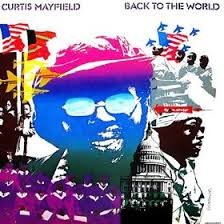
Curtis Mayfield addressed post-war realities on Back to the World (1973). This album sees Curtis Mayfield focusing on returning Vietnam veterans and their struggles. Moreover, Curtis Mayfield presents these themes with empathy and clarity.
The tone feels more reflective compared to earlier releases. However, Curtis Mayfield still maintains strong musical direction throughout the album. Smooth arrangements support lyrics that explore displacement and adjustment.
Additionally, Curtis Mayfield balances message with accessibility. His melodies remain engaging, while his words carry emotional weight. As a result, the album connects with both casual listeners and critics.
Production choices highlight restraint and precision. Curtis Mayfield avoids overproduction, keeping attention on storytelling. Therefore, each track contributes meaningfully to the overall narrative.
This album also influenced later soul and R&B artists. Its themes remain relevant in discussions about reintegration and identity. Consequently, Curtis Mayfield’s work continues to resonate across generations.
Overall, Back to the World (1973) shows Curtis Mayfield’s ability to evolve. He delivers a focused and thoughtful album that deepens his artistic legacy.
Sweet Exorcist (1974)
Curtis Mayfield shifted tone on Sweet Exorcist (1974). This album reveals a more relaxed and romantic side of Curtis Mayfield. However, Curtis Mayfield still maintains his signature social awareness beneath the surface.
The music leans into smoother grooves and lighter arrangements. Meanwhile, Curtis Mayfield’s vocals feel more intimate and direct. This approach creates a different listening experience compared to earlier releases.
Additionally, Curtis Mayfield experiments with structure and pacing here. Songs unfold gradually, allowing ideas to develop naturally. As a result, the album feels cohesive and easy to revisit.
Production remains clean and focused throughout. Curtis Mayfield ensures each instrument supports the overall tone. Therefore, the album avoids unnecessary complexity.
Although the themes shift, Curtis Mayfield’s identity stays intact. His songwriting continues to reflect real-life experiences and emotions. Consequently, listeners still find depth within the music.
Overall, Sweet Exorcist (1974) highlights Curtis Mayfield’s versatility. He proves that he can explore new directions while maintaining artistic consistency.
Got to Find a Way (1974)
Curtis Mayfield continued exploring personal themes on Got to Find a Way (1974). This album sees Curtis Mayfield focusing more on love and relationships. However, Curtis Mayfield still includes subtle social commentary throughout.
The tone feels warmer and more accessible than earlier records. Meanwhile, Curtis Mayfield’s melodies remain memorable and engaging. Each track builds a consistent mood across the album.
Additionally, Curtis Mayfield refines his song writing approach here. He balances emotional depth with straightforward structure. As a result, the album appeals to a broader audience.
Production remains understated and effective. Curtis Mayfield keeps arrangements simple, allowing vocals to stand out. Therefore, the album maintains clarity and focus.
Although it lacks the urgency of earlier work, it still holds value. Curtis Mayfield demonstrates range without losing identity. Consequently, the album remains an important part of his catalogue.
Overall, Got to Find a Way (1974) offers a softer perspective. Curtis Mayfield delivers a cohesive and approachable record that complements his broader discography.
There’s No Place Like America Today (1975)

Curtis Mayfield delivered one of his most direct statements on There’s No Place Like America Today (1975). This album presents Curtis Mayfield at his most critical and focused. Moreover, Curtis Mayfield explores themes of poverty, crime, and inequality.
The tone feels darker compared to previous releases. However, Curtis Mayfield maintains musical precision throughout. His arrangements support the seriousness of the subject matter.
Additionally, Curtis Mayfield uses concise song writing to deliver strong messages. Each track feels purposeful and tightly constructed. As a result, the album leaves a lasting impression.
Production choices reflect restraint and discipline. Curtis Mayfield avoids unnecessary embellishment, keeping the focus on content. Therefore, the album feels cohesive and impactful.
This record influenced future artists who address social issues in music. Its themes remain relevant in modern discussions. Consequently, Curtis Mayfield’s work continues to inspire.
Overall, There’s No Place Like America Today (1975) stands as a powerful statement. Curtis Mayfield combines message and music with precision and clarity.
Heartbeat (1979)

Curtis Mayfield embraced evolving sounds on Heartbeat (1979). This album sees Curtis Mayfield incorporating disco influences into his style. However, Curtis Mayfield retains his core identity throughout the record.
The production feels more polished and contemporary. Meanwhile, Curtis Mayfield’s vocals remain smooth and controlled. Each track reflects the late 1970s musical landscape.
Additionally, Curtis Mayfield adapts without losing authenticity. His song writing still focuses on emotion and connection. As a result, the album feels both modern and familiar.
Listeners responded well to this shift in direction. Curtis Mayfield showed flexibility during a changing musical era. Therefore, the album holds significance within his catalogue.
Although styles changed, his influence remained strong. Artists continue to revisit this era for inspiration. Consequently, Curtis Mayfield’s reach extends across decades.
Overall, Heartbeat (1979) demonstrates adaptability. Curtis Mayfield successfully blends disco elements with his established sound.
New World Order (1996)
Curtis Mayfield delivered a remarkable final statement with New World Order (1996). This album carries deep emotional weight due to Curtis Mayfield’s circumstances. After his accident, Curtis Mayfield recorded vocals while lying down.
Despite limitations, the music feels focused and determined. Curtis Mayfield’s voice retains clarity and purpose throughout. Each track reflects resilience and commitment.
Additionally, Curtis Mayfield collaborates with contemporary artists on this project. These collaborations introduce his work to new audiences. As a result, the album bridges generations effectively.
Production blends modern elements with classic soul influences. Curtis Mayfield maintains consistency while adapting to new trends. Therefore, the album feels both current and rooted in tradition.
Critics praised the effort and emotional depth of this release. Curtis Mayfield proved his dedication to music despite adversity. Consequently, the album stands as a powerful conclusion.
Overall, New World Order (1996) highlights strength and legacy. Curtis Mayfield leaves a lasting impression with this final work.
Soundtracks (Produced & Written by Curtis Mayfield)
Super Fly (1972)
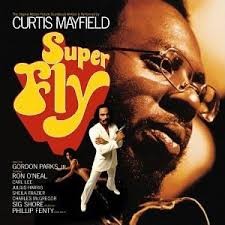
Curtis Mayfield reached new heights with Super Fly (1972). This soundtrack positioned Curtis Mayfield as a leading voice in film music. Moreover, Curtis Mayfield challenged typical soundtrack expectations.
Instead of glorifying the film’s themes, Curtis Mayfield offered critique. His lyrics address drug culture and urban struggle directly. As a result, the album gained both commercial and critical success.
The music blends funk, soul, and cinematic elements effectively. Meanwhile, Curtis Mayfield’s vocals carry urgency and clarity. Each track supports the film while standing independently.
Additionally, the album influenced generations of artists. Jay-Z and Kanye West sampled Curtis Mayfield’s work from this era. Consequently, the album remains culturally significant today.
Production remains sharp and focused throughout. Curtis Mayfield ensures consistency across the project. Therefore, listeners experience a cohesive soundtrack.
Overall, Super Fly (1972) stands as a defining moment. Curtis Mayfield redefined what a soundtrack could achieve.
Notable Live Albums
Curtis/Live! (1971)
Curtis Mayfield captured his live energy on Curtis/Live! (1971). This album showcases Curtis Mayfield’s performance skills and audience connection. Moreover, Curtis Mayfield delivers extended versions of key songs.
The live setting adds intensity and spontaneity. Meanwhile, Curtis Mayfield interacts naturally with the audience. This approach creates an engaging listening experience.
Additionally, Curtis Mayfield expands arrangements during performances. Songs evolve beyond their studio versions. As a result, the album offers fresh interpretations.
Production captures the atmosphere effectively. Curtis Mayfield ensures clarity without losing live authenticity. Therefore, listeners feel present during the performance.
Many critics consider this one of the best live soul albums. Curtis Mayfield demonstrates his full range as an artist. Consequently, the album remains essential.
Overall, Curtis/Live! (1971) highlights performance excellence. Curtis Mayfield connects deeply with his audience through this release.
Curtis Mayfield built a catalogue that blends message, melody, and lasting influence. Across decades, Curtis Mayfield shaped soul, funk, and modern music culture. His work continues to inspire artists and listeners, ensuring his legacy remains strong in every generation.