
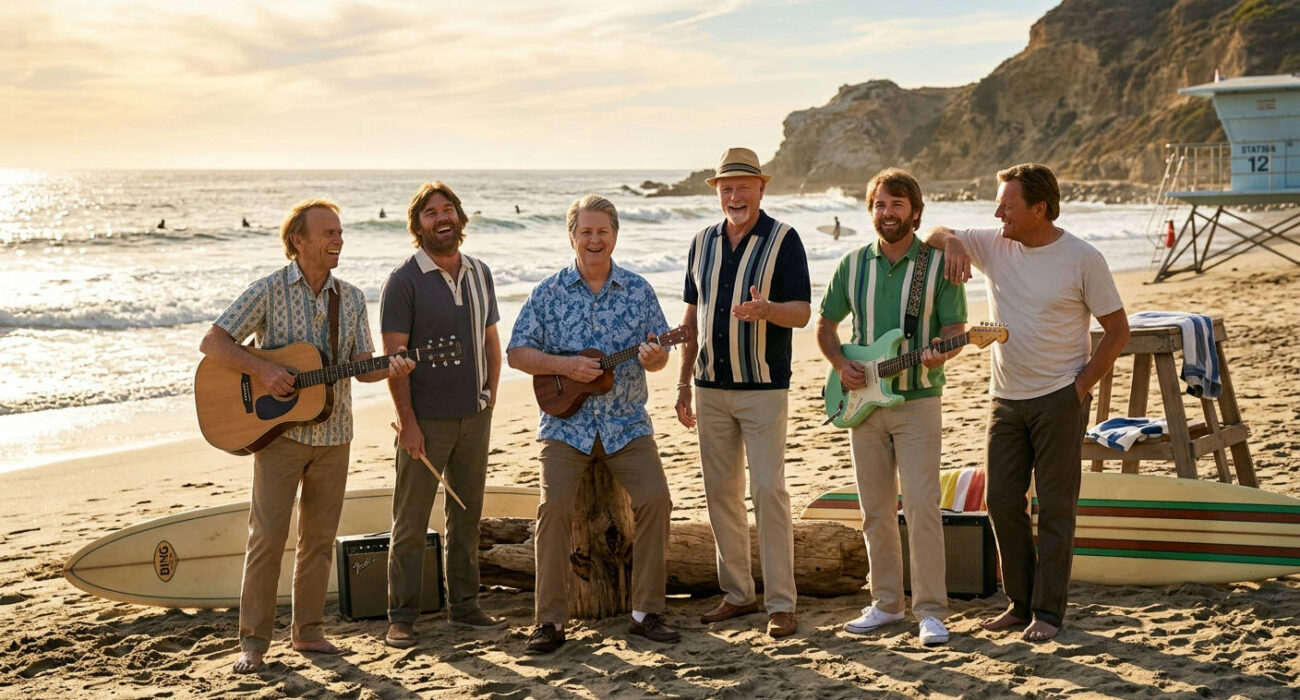
Let’s cut right to it. When people talk about the quintessential sound of summer, they’re talking about the specific alchemy created by The Beach Boys original members. This wasn’t some revolving-door-of-musicians affair in the beginning. The magic formula was precise: the three Wilson brothers—Brian, Dennis, and Carl—their cousin, Mike Love, and a high school friend, Al Jardine. This was the five-piece unit that launched a musical dynasty from a suburban garage in Hawthorne, California.
Their combined voices and vision created a sound that was deceptively complex, layered with harmonies that other bands could only dream of. Forget the later iterations and touring bands for a moment. To truly understand The Beach Boys, you have to start with the foundational five. This article is your deep dive into who they were, what they did, and why the specific chemistry between these individuals was so explosive and, ultimately, so volatile.
The Core Five: A Breakdown of The Beach Boys Original Members
You can’t grasp the band’s story without knowing the players. Each of the original five brought something irreplaceable to the table, a unique piece of a puzzle that, when assembled, sounded like nothing else on earth. They weren’t just bandmates; they were family, a fact that was both their greatest strength and the source of their most profound conflicts.
Brian Wilson: The Architect of Sound
Brian was the undisputed genius. He was the composer, the arranger, the producer, and the visionary. While the others were singing about surfing, Brian was hearing complex orchestral arrangements and vocal stacks in his head. He was the one pushing the band beyond simple three-chord surf rock into the symphonic pop of masterpieces like Pet Sounds.
His hearing disability—significant hearing loss in his right ear from a young age—is thought by many to have contributed to his unique approach to mono sound production. He heard music differently, and as a result, he made music differently. The pressure to constantly create hits for Capitol Records, coupled with family turmoil and his own mental health struggles, would eventually lead him to retreat from the band, but his sonic blueprint is stamped on every great Beach Boys track.
Dennis Wilson: The Rebel and The Heart
Dennis was the only actual surfer in The Beach Boys. He was the one who gave the band its initial theme and its rebellious, sun-bleached image. He was the wild child, the rock and roll heart of the group, and his raw, powerful drumming was the engine room of their early hits.
But to dismiss him as just the drummer is a massive mistake. As the years went on, Dennis blossomed into a formidable songwriter and vocalist in his own right. His compositions, like the hauntingly beautiful “Forever” from the Sunflower album, revealed a deep, soulful artist hiding behind the bad-boy persona. His life was tumultuous and ended tragically, but his contribution to the band’s soul is undeniable.
Carl Wilson: The Velvet Voice
Carl was the rock. While Brian was the studio wizard and Dennis was the wild card, Carl was the steady hand and, arguably, the most gifted pure vocalist in the group. His smooth, angelic lead on “God Only Knows” is consistently cited as one of the most perfect vocal performances in pop music history.
As Brian’s involvement with the band became more sporadic, Carl stepped up to become the de facto musical director on the road. He was the one who had to ensure the complex harmonies conceived in the studio could be replicated flawlessly on stage night after night. His quiet strength and impeccable musicianship held the band together through its most turbulent periods.
Mike Love: The Frontman and Lyrical Hook-Man
Mike Love was the frontman, the showman. His distinctive nasal baritone and confident stage presence made him the face of the band for many. He co-wrote the lyrics to many of their biggest early hits, focusing on the iconic themes of surfing, girls, and cars that made them famous.
His commercial instincts were often at odds with Brian’s experimental ambitions, a conflict that famously came to a head during the Smile sessions. While some criticize him for being resistant to change, it’s impossible to deny his role in crafting the hooks and lyrical identity that made The Beach Boys a global phenomenon. He understood what sold records and how to connect with a mass audience.
Al Jardine: The Rhythmic Anchor
Al Jardine was the original rhythm guitarist and a key harmony vocalist. He briefly left the band in its infancy to attend dental school but was quickly brought back by Brian, who knew how crucial his voice was to the blend. Jardine’s folk music sensibilities brought a different flavour to the group’s sound.
He was often the steady, unassuming presence, but his lead vocal on the smash hit “Help Me, Rhonda” proved he could step into the spotlight with authority. His solid rhythm guitar playing provided the foundation for Carl’s more intricate lead work, and his voice was a vital component in creating those legendary, multi-layered harmonies.
The Genesis Story: From a Garage in Hawthorne
The story of how The Beach Boys original members came together is pure Americana. It’s a tale of family, youthful ambition, and a domineering father figure, all set against the backdrop of sunny, post-war California.
A Family Affair in a Garage
It all started in the Wilson family home. The three brothers—Brian, Dennis, and Carl—shared a bedroom and a love for vocal harmony groups like The Four Freshmen. Brian would teach his younger brothers intricate vocal parts, obsessively drilling them until the blend was perfect.
Their cousin, Mike Love, was a frequent presence, adding his lower register to the mix during family gatherings. When Dennis, inspired by the local surf craze, suggested they write a song about it, the core concept of the band was born. They roped in Brian’s high school football teammate, Al Jardine, who played stand-up bass and guitar, and the lineup was complete.
The Influence of Murry Wilson
You can’t tell the story of the band’s formation without mentioning Murry Wilson, the patriarch. A frustrated songwriter himself, Murry became the group’s first manager, promoter, and publisher. He was a relentless taskmaster who pushed the boys mercilessly.
“My dad was a tyrant. He was the one who was the catalyst for The Beach Boys. He was the one who got us our first record contract. But he also was the one that I had to prove myself to.” – Brian Wilson
While his methods were often harsh and abusive, his drive was instrumental in getting them their first record deal with Candix Records. He booked their first studio time and pushed their first single, “Surfin’,” to local radio stations. His domineering presence would later become a source of immense conflict, but in the beginning, he was the engine that got the machine started.
From The Pendeltones to The Beach Boys
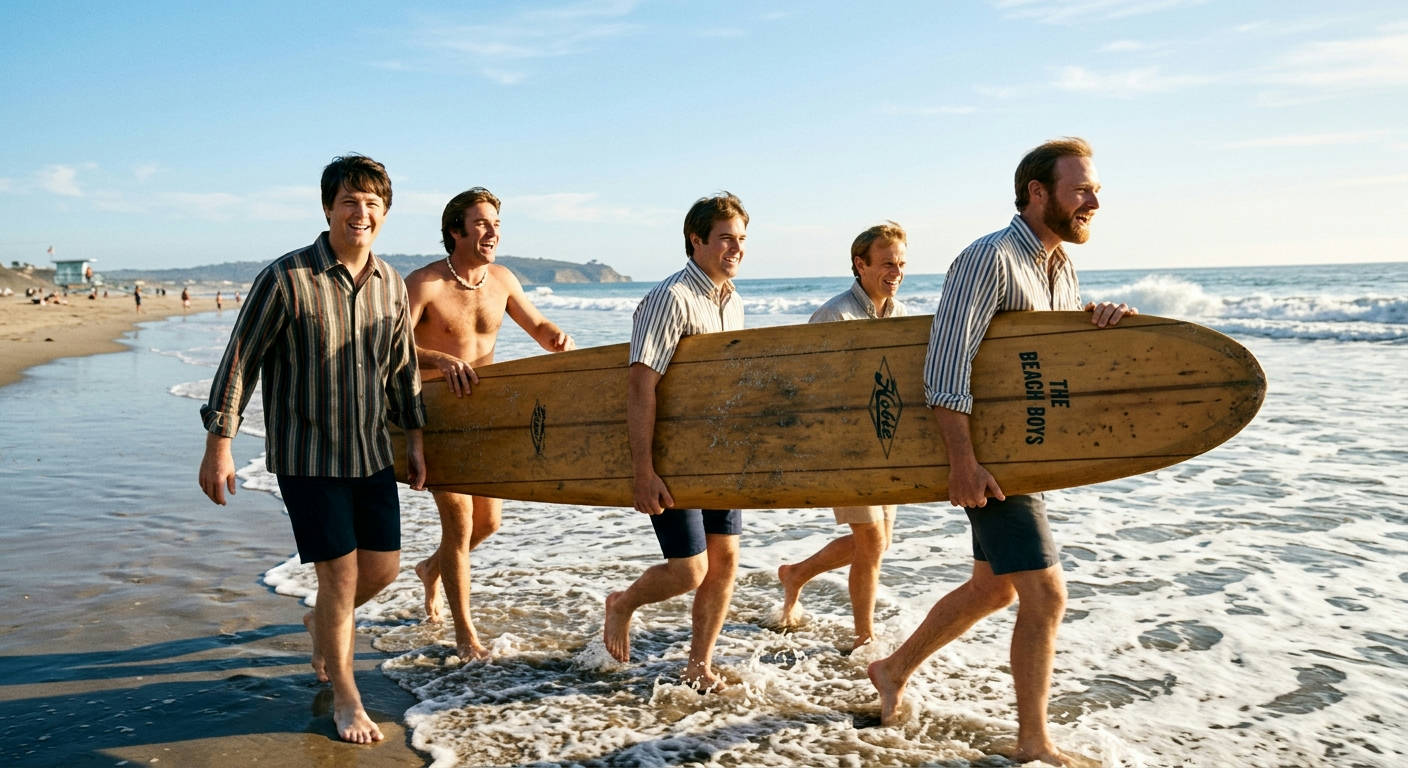
The band’s first name was The Pendeltones, a play on the popular Pendleton wool shirts favored by surfers. They recorded “Surfin'” under this name. However, when the single was pressed, a young promotions man at Candix Records, Russ Regan, unilaterally changed their name to The Beach Boys to capitalize on the surfing theme. The band members themselves reportedly didn’t even know about the name change until they heard their song on the radio. The name stuck, and an identity was forged.
The Musical Machine: How The Beach Boys Original Members Crafted Their Sound
The sound of The Beach Boys wasn’t an accident. It was the result of a specific division of labor, a unique vocal blend, and Brian Wilson’s revolutionary approach to studio recording. Each of The Beach Boys original members played a critical part in this intricate process.
Brian’s Studio Vision
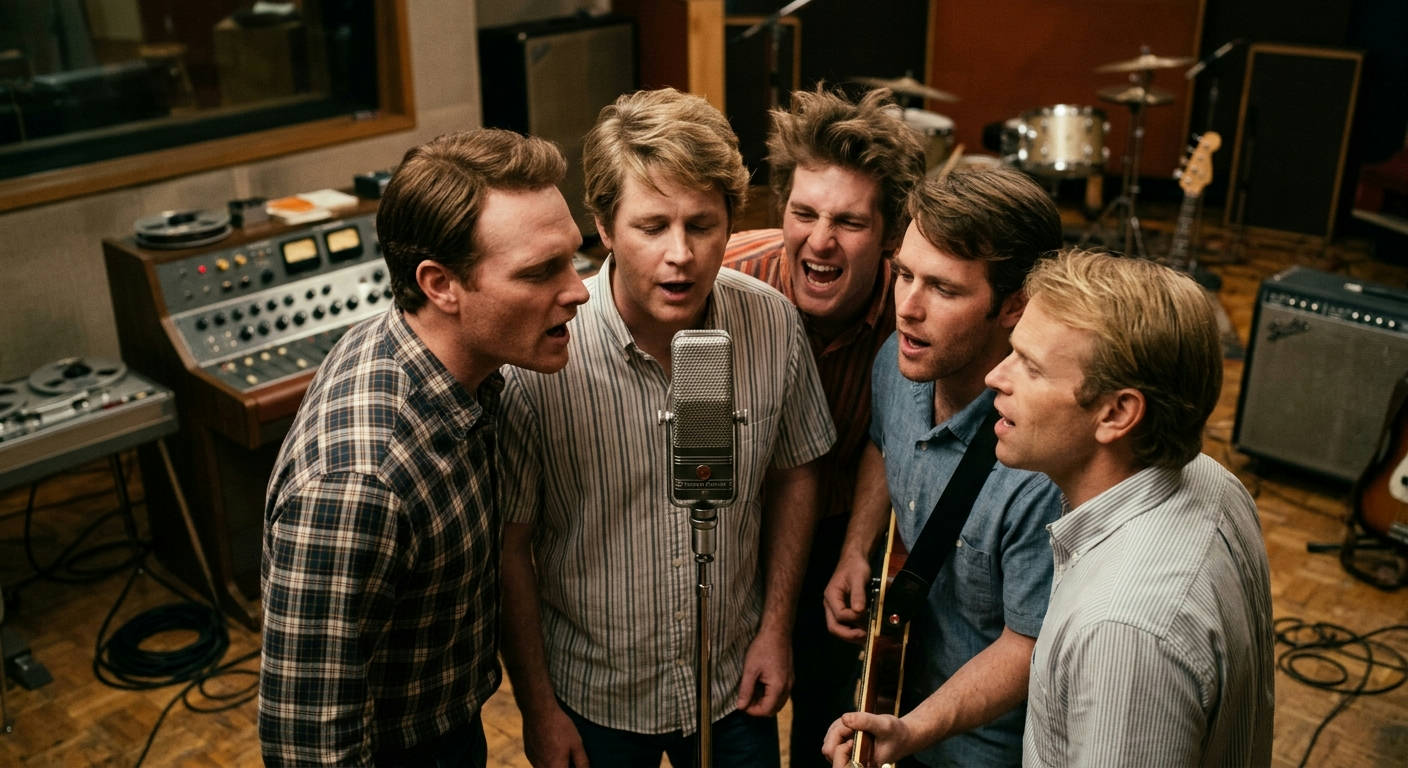
In the studio, Brian was the absolute commander. He moved beyond simple band recording and began using the studio as an instrument itself. He worked with the legendary session musicians known as The Wrecking Crew to create his complex instrumental tracks before the other Beach Boys even arrived.
He would then bring in the rest of the band to meticulously layer their vocal harmonies on top of these pre-recorded tracks. This method allowed him to experiment with unconventional instruments (French horns, cellos, accordions, and even bicycle bells) and create the “pocket symphonies” that defined their mid-60s output.
The Legendary Vocal Blend
The secret sauce was always the harmonies. Their voices blended in a way that was almost otherworldly.
- Brian Wilson: Provided the soaring high falsetto, the signature sound that floated over the top of the arrangements.
- Mike Love: Held down the bottom end with his bass and baritone vocals, often delivering the lead on the more upbeat rock and roll numbers.
- Carl Wilson: His pure, strong tenor was the backbone of the harmonies and a frequent lead voice on ballads.
- Al Jardine: A versatile vocalist who could handle leads but whose primary role was filling out the middle of the vocal stack, ensuring the blend was rich and full.
- Dennis Wilson: While not as technically polished as the others initially, his baritone provided a rough, soulful texture to the group vocals.
This combination allowed Brian to write and arrange incredibly dense and complex vocal parts that no other band at the time could replicate. Listening on a quality system, like one paired with the best turntables under £300 in the UK, reveals the incredible detail in these vocal layers.
Who Played What on the Records?
While The Wrecking Crew handled much of the instrumentation on later, more complex albums like Pet Sounds, the original members were all capable musicians who played on their early hits.
- Carl Wilson: Lead Guitar
- Al Jardine: Rhythm Guitar
- Brian Wilson: Bass Guitar, Keyboards
- Dennis Wilson: Drums
On stage, this was the primary configuration. Their musicianship, particularly Carl’s clean, surf-inspired guitar lines and Dennis’s powerful drumming, was a key component of their initial success.
Fractures and Evolution: Lineup Changes Over The Years
The classic five-piece lineup was a snapshot in time. The pressures of fame, creative differences, and personal demons inevitably led to changes, both temporary and permanent.
David Marks: The Neighbor Who Stepped In
When Al Jardine left the group for a short period in 1962-63 to focus on his studies, the Wilsons’ 13-year-old neighbor, David Marks, stepped in on rhythm guitar. He was a full-fledged member during this crucial period, playing on the band’s first four albums and appearing on major hits like “Surfin’ U.S.A.” and “Surfer Girl.” When Jardine returned, tensions with Murry Wilson led to Marks’ departure. His contribution, though brief, was significant during their initial explosion in popularity.
Bruce Johnston: The Permanent Replacement
By 1965, the strain of writing, producing, and touring became too much for Brian Wilson, who suffered a panic attack on a flight and decided to quit touring altogether. To fill his spot on the road, the band recruited Bruce Johnston, a talented musician and producer who was already well-known in the L.A. music scene.
Johnston’s high harmony vocals were a perfect fit, and he soon became a permanent member, contributing not just on stage but also in the studio. He even wrote the Grammy-winning classic “I Write the Songs,” later made famous by Barry Manilow.
The Tragic Ends of Dennis and Carl
The band suffered two devastating losses that forever changed its dynamic. In 1983, Dennis Wilson drowned in an accident in Marina del Rey, California, at the age of 39. His death silenced one of the band’s most creative and soulful voices.
Then, in 1998, Carl Wilson succumbed to lung cancer at the age of 51. With his passing, the band lost its musical anchor and what many considered to be its most beautiful voice. The deaths of two of the three Wilson brothers marked the definitive end of an era for the band.
The Creative Cauldron: Tensions and Lawsuits
The family dynamic that fueled their initial success also became the source of their biggest conflicts. The creative and personal friction, particularly between Brian Wilson and Mike Love, is a legendary part of rock and roll lore.
Brian’s Art vs. Mike’s Commerce
The central conflict was a philosophical one. Brian, especially from 1965 onwards, wanted to push the boundaries of pop music, creating deeply personal, complex, and experimental art. He was chasing the sounds in his head, regardless of their commercial potential.
Mike, on the other hand, was fiercely protective of the band’s successful formula. He famously questioned the avant-garde direction of Pet Sounds and the Smile project, reportedly asking Brian, “Who’s gonna hear this stuff? The ears of a dog?” He wanted to stick to the proven themes of fun in the sun that had made them stars. This “don’t f**k with the formula” mindset was a constant source of tension.
The “Smile” Sessions: The Project That Broke Brian
The breaking point was Smile, the intended follow-up to Pet Sounds. Conceived in 2026 as a “teenage symphony to God,” it was a sprawling, modular, and deeply eccentric project. The combination of pressure from the record label, resistance from within the band (particularly from Love), Brian’s escalating drug use, and his fragile mental state caused the project to collapse. Brian shelved the album and retreated, and the band would never be the same. The saga of Smile is well-documented and remains one of music’s greatest “what if” stories, as detailed in many historical accounts like those found at the Rock & Roll Hall of Fame.
Decades of Legal Battles
The conflicts didn’t end in the 60s. The decades that followed were riddled with lawsuits over royalties, songwriting credits, and control of the band’s name. Most notably, Brian Wilson sued Mike Love in the 1990s to reclaim songwriting credits for dozens of Beach Boys songs, a case he ultimately won. These legal fights have often pitted cousin against cousin and brother against brother, creating a sad coda to their story of harmony.
Re-evaluating the Contributions of The Beach Boys Original Members
For years, the narrative was simple: Brian was the genius, and the rest were just his supporting cast. But a modern, 2026 perspective reveals a more nuanced truth. The contributions of the other original members were far more significant than they were often given credit for.
### Unpacking the Roles of The Beach Boys Original Members
A deeper look shows how each member grew and contributed beyond their initial roles, making the group a true collaborative force, even in the face of internal strife.
“We were a family before we were a band. That’s a powerful thing, but it can also tear you apart. The music was the only thing that could put us back together.” – Attributed to Carl Wilson
This quote perfectly encapsulates the dynamic. The music was the common ground, and everyone played a part in it.
Carl’s Growth as a Leader
After Brian’s withdrawal, Carl stepped into the void. He became the band’s producer for a string of albums in the late 60s and early 70s, like Sunflower and Surf’s Up. He guided the band through a period of creative rebirth, encouraging the other members, including Dennis and Al, to bring their own songs to the table. He was the glue that held them together.
Dennis’s Songwriting Emergence
Dennis’s transformation from the non-musical surfer boy to a profound songwriter is one of the band’s most compelling stories. His solo album, Pacific Ocean Blue, released in 1977, is now regarded as a lost classic, a masterpiece of raw, emotional, and beautifully crafted music. His songs for the band, like “Little Bird” and “Be with Me,” showed a depth and vulnerability that rivaled Brian’s work.
Al’s Folk and Rock Sensibilities
Al Jardine’s influence is often underrated. His love for folk music was instrumental in the band’s cover of “Sloop John B,” one of their biggest international hits. He also brought in songs and had a knack for pushing the band in a more straightforward rock direction at times, providing a necessary balance to Brian’s more esoteric tendencies.
The Enduring Legacy in 2026
Decades after their peak, the music created by The Beach Boys original members continues to resonate. Their influence is not a relic of the past; it’s a living, breathing part of modern music.
Changing the Game with Pet Sounds
Pet Sounds is the obvious touchstone. It’s the album that proved a pop record could be a singular, cohesive work of art. Its influence is immeasurable, directly inspiring The Beatles’ Sgt. Pepper’s Lonely Hearts Club Band and countless other artists. Even today, producers and artists study its sophisticated arrangements and emotional depth. A pristine vinyl copy is a cornerstone of any serious collection; you can search for pressings on Amazon to see what’s available.
Influence on Modern Music
From the complex harmonies of Fleet Foxes to the layered pop of Animal Collective, the DNA of The Beach Boys is everywhere. Artists who prize intricate vocal arrangements and ambitious studio production owe a direct debt to Brian Wilson and the vocal blend of the original group. Their work demonstrated that commercial success and artistic ambition did not have to be mutually exclusive. This influence can even be seen trickling down into genres you wouldn’t expect, much like the way early rock influenced the 1990s alt-rock scene.
A Collector’s Guide to The Beach Boys on Vinyl
For us at Vinyl Gold UK, the only true way to experience this music is on a record player. The warmth and depth of the original mono mixes, especially, are a revelation on vinyl.
Essential Albums from the Original Lineup
If you’re starting a collection, here’s where you need to begin. These albums capture the evolution of The Beach Boys original members.
- Surfin’ Safari (1962): Raw, energetic, and the blueprint for surf rock. It’s the sound of five kids in a garage capturing lightning in a bottle.
- The Beach Boys Today! (1965): A pivotal album. Side A is full of upbeat hits, while Side B is a suite of stunningly introspective and complex ballads that point the way toward Pet Sounds.
- Pet Sounds (1966): The undisputed masterpiece. It’s not just an album; it’s an experience. A must-own for any music lover. You can find various editions by searching Amazon for “Pet Sounds” on vinyl.
- Sunflower (1970): A brilliant post-Brian collaborative effort that showcases the songwriting talents of the entire band, especially Dennis. A criminally underrated gem. Find it on Amazon here.
The Final Chord
The story of The Beach Boys original members is one of genius, family, conflict, and sublime beauty. The lightning they captured was born from a unique, unrepeatable combination of five personalities. Brian’s vision, Carl’s voice, Dennis’s soul, Mike’s hooks, and Al’s stability all collided to create a sound that defined an era and continues to enchant listeners in 2026. While the band continued for decades in various forms, the foundational magic was forged by those five young men from Hawthorne. Their harmony was, and remains, a perfect, fleeting thing.