
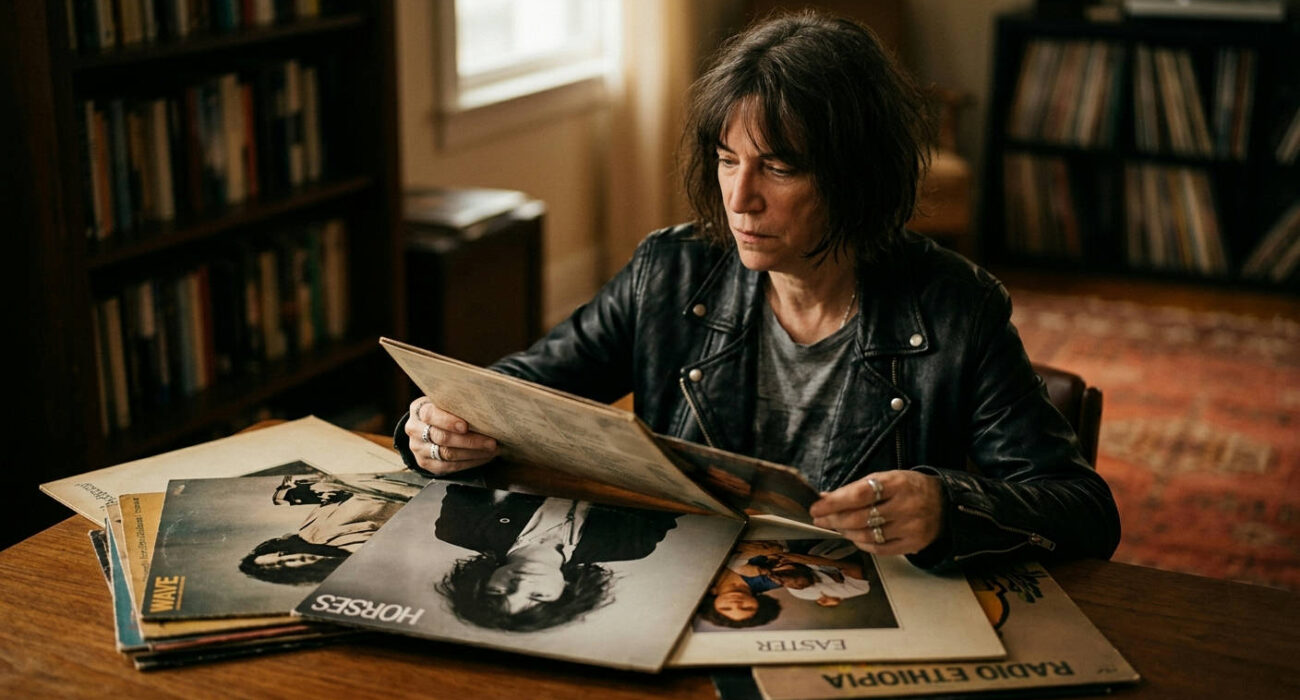
Let’s cut right to it. You’re here because you want to know about the Patti Smith highest selling studio albums. While the Godmother of Punk is celebrated for her earth-shattering poetry and raw artistic integrity, her commercial success is a fascinating story that often gets overlooked. It’s a tale of ground breaking art colliding with mainstream appeal, creating moments of unexpected chart dominance.
Patti Smith didn’t chase hits, but sometimes, hits chased her. This deep dive will break down the commercial peaks of her career, exploring the records that not only shifted culture but also shifted a serious number of units. We’ll analyse the sales data, the stories behind the songs, and what makes these specific albums her most successful.
Demystifying the Numbers: Why Sales Figures Aren’t Always Simple
Before we crown a winner, you need to understand that tracking album sales from the 1970s is a murky business. We’re talking about a pre-digital era where global data was fragmented and official certifications tell only part of the story.
The numbers we have primarily come from bodies like the RIAA (Recording Industry Association of America) and the BPI (British Phonographic Industry). These organisations award Gold, Platinum, and Diamond certifications based on the number of units shipped to retailers, not necessarily sold to customers.
Certification vs. Cultural Footprint
An album’s true commercial power isn’t just its initial sales splash. A record like Horses might not have debuted at number one with a million copies sold, but its monumental cultural importance means it has sold consistently, year after year, for five decades.
This long-tail effect is crucial. An album with a Gold certification from 1976 has likely sold far more copies by 2026 than the initial 500,000 units required for that status. Its ongoing relevance keeps it selling, re-pressing on vinyl, and streaming constantly.
The Data Gap Before Digital Tracking
Everything changed in 1991 with the introduction of SoundScan, a system that tracked sales at the point of purchase. Before that, sales figures were often based on reports from record labels and distributors, which could be less precise.
For an artist like Patti Smith, whose most significant commercial period was in the late 70s, this means we rely on a combination of official certifications, chart placements, and historical analysis to determine her biggest sellers. It’s less about an exact number and more about building a clear picture of commercial impact.
The Undisputed Commercial Champion: Easter (1978)
There’s very little debate here. When discussing the Patti Smith highest selling studio albums, the conversation begins and ends with Easter. Released in 1978, this album was a perfect storm of artistic vision and radio-friendly rock, catapulting Smith from a punk poet laureate to a bona fide rock star.
Easter is Smith’s most commercially successful album by a significant margin. It reached the Top 20 on the Billboard 200 in the US and climbed into the Top 10 in several European countries, including the UK. It was her moment of peak mainstream visibility, powered by one massive, undeniable hit single.
“Because the Night”: The Springsteen Collab That Changed Everything
You can’t talk about Easter‘s success without talking about “Because the Night.” The story is legendary. Bruce Springsteen was struggling with the track during the Darkness on the Edge of Town sessions. Producer Jimmy Iovine, who was working with both Springsteen and Smith at the time, saw an opportunity.
He brought the instrumental track to Patti Smith, who was waiting for a late-night phone call from her future husband, Fred “Sonic” Smith. Channelling her longing and passion, she wrote the lyrics in a single sitting. The result was pure magic: a blend of Springsteen’s stadium-rock grandeur and Smith’s poetic, yearning intensity. The song became a global hit, reaching #13 in the US and an incredible #5 in the UK, giving her the kind of radio airplay she’d never had before.
“I knew that it was a hit song. I was not used to writing a hit song. I knew it would be a hit, and I also knew that it would allow me to do all my other work, that it would give me a certain freedom.”
The Sound of Easter: Polished, Powerful, and Uncompromising
The production on Easter, helmed by Jimmy Iovine, was slicker and more muscular than her previous records. It was less of the raw, deconstructed art-punk of Horses and more of a focused, powerhouse rock and roll album. This cleaner sound made it far more palatable for mainstream radio programmers.
Yet, Smith sacrificed none of her fire. The album still contained the controversial and confrontational “Rock N Roll Nigger,” a defiant anthem of outsider identity. Tracks like the soaring “Till Victory” and the beautiful “We Three” showcased her incredible range. Easter proved you could be commercially successful without losing your soul.
For any vinyl collector, this album is a must-own. You can find modern reissues and original pressings on Amazon.

The Other Contenders: Exploring More of Patti Smith’s Best-Selling Work
While Easter stands alone at the top, several other studio albums made a significant commercial impact, contributing to the rich narrative of her career. These records solidified her fanbase and proved her staying power as a recording artist.
Horses (1975): The Masterpiece That Keeps Selling
Horses is a landmark album. Period. Its opening line, “Jesus died for somebody’s sins but not mine,” is one of the most iconic in rock history. While it wasn’t a blockbuster hit upon its release in 1975, its influence is immeasurable.
Its legacy has ensured it has remained a consistent seller for over 50 years. It’s been certified Gold in the UK and the US, and its enduring status means new generations of music fans discover it every year. Its importance was officially recognised when it was selected for preservation in the US National Recording Registry by the Library of Congress for being “culturally, historically, or aesthetically significant.” Horses sells not because of a hit single, but because it is essential listening.
Every serious music collection needs this record. It’s the birth of a movement on wax.
Wave (1979): The Follow-Up and Farewell
Released just a year after Easter, Wave rode the commercial momentum of its predecessor. It was another polished, accessible rock record, featuring the beautiful ode to her husband, “Frederick,” and the hypnotic, much-covered classic “Dancing Barefoot.”
Wave performed strongly, charting well in the US and Europe and earning a Gold certification in France. It was a more pop-oriented album, with Todd Rundgren’s production giving it a bright, clean sound. While it didn’t have a smash hit on the scale of “Because the Night,” it solidified her status as a major artist and stands as one of the Patti Smith highest selling studio albums. It was also the last album she would release before her nine-year retreat from the music business.
Dream of Life (1988): The Triumphant Return
When Patti Smith returned in 1988 with Dream of Life, the music world had changed. But she came back with an anthem for a new generation: “People Have the Power.” Co-written with her husband Fred, the song was an immediate, fist-pumping call for unity and change.
The single was a hit, receiving significant airplay and re-introducing Smith to a younger audience who might have missed her 70s peak. The song’s success drove sales of the album, making Dream of Life her most commercially successful project since the 1970s and a key entry in the list of her best-selling works.
Why Later Albums Didn’t Reach the Same Commercial Heights
After Dream of Life, Patti Smith continued to release powerful, critically acclaimed albums like Gone Again (1996) and Banga (2012). While beloved by her dedicated fanbase, they didn’t achieve the same level of chart success as her 70s and 80s work. This wasn’t a failure, but a reflection of a changing industry and her own artistic priorities.
Smith was never an artist to compromise her vision for a hit. She followed her muse, exploring themes of grief, motherhood, and politics with raw honesty. She wasn’t competing with the pop acts dominating the charts; she was operating on a completely different plane, making music for herself and for those who wanted to listen deeply.
The “Legacy Artist” Effect
By the 1990s and 2000s, Smith had become a revered “legacy artist.” This means that while her new work is celebrated, the bulk of casual listeners and streamers gravitate towards her classic, defining albums.
Newer albums like Gung Ho (2000) will always have a dedicated audience, but they are less likely to cross over into the mainstream consciousness in the way Easter did. The market is more fragmented, and an artist’s back catalogue often becomes their biggest commercial driver.
The Streaming Equation in 2026
In the modern era, album “sales” are a complex metric. We now talk about “album-equivalent units,” which combine pure album sales (digital and physical) with streams from platforms like Spotify and Apple Music.
For an artist like Smith, this has an interesting effect. Her classic songs—”Gloria,” “Dancing Barefoot,” “Because the Night”—rack up millions of streams. These streams are then converted into album-equivalent units, which continually adds to the commercial legacy of records like Horses and Easter, keeping them relevant on the balance sheets decades after their release.
## Ranking the Patti Smith Highest Selling Studio Albums

So, let’s put it all together. Based on a combination of official certifications, sustained chart presence, and historical sales data, we can create a definitive ranking. This is the hierarchy of Patti Smith’s commercial juggernauts.
This list represents the albums that made the biggest financial and chart impact during her long and storied career. It’s a testament to the moments when her uncompromising art found a massive audience.
### The Definitive Top 4: A Sales-Based Breakdown of the Patti Smith Highest Selling Studio Albums
Here is the breakdown of the most commercially successful studio LPs from the Godmother of Punk, ranked by their overall sales performance and impact.
- 1. Easter (1978): The undisputed number one. Its success was global, driven by a monster hit single in “Because the Night.” It’s certified Gold in the US and the UK, with strong sales across Europe, making it her commercial pinnacle.
- 2. Wave (1979): A strong second place. It successfully capitalized on the audience Easter built, charting high and achieving certifications in multiple countries. Singles like “Frederick” kept her on the radio and cemented her status as a rock headliner.
- 3. Dream of Life (1988): Her biggest comeback record. The power of the single “People Have the Power” pushed this album to significant sales figures, far surpassing her other work from the late 80s onwards. It proved her voice was as relevant as ever.
- 4. Horses (1975): The legacy giant. While its initial chart run was modest compared to the others on this list, its five decades of consistent sales, critical adoration, and cultural importance make it an undeniable commercial force. Its lifetime sales have almost certainly surpassed some of her other, higher-charting albums.
The Vinyl Collector’s Guide: Getting Your Hands on These Classics
For us at Vinyl Gold UK, the ultimate way to experience these albums is on a turntable. The warmth, the presence, the tangible connection to the Mapplethorpe cover art—it’s how this music was meant to be heard.
Whether you’re a seasoned collector or just starting, adding Patti Smith’s top sellers to your collection is a rite of passage.
What to Look For in an Original Pressing
Finding a clean, first-press copy of Horses or Easter is a thrill. For these 70s Arista Records releases, look for the original blue-and-black label design. Check the dead wax for matrix numbers that correspond to early pressings. Resources like Discogs are invaluable for identifying specific versions. The condition of the sleeve, especially the iconic Mapplethorpe photography, is just as important as the vinyl itself.
Are 2026 Reissues a Good Investment?
Absolutely. Modern reissues, often pressed on 180-gram audiophile vinyl, offer a fantastic listening experience. They are meticulously remastered from the original tapes and provide a crisp, dynamic sound that can sometimes surpass a worn-out original copy.
Plus, they are an affordable way to own these masterpieces. To really hear the difference a quality pressing makes, you need a solid setup. If you’re looking to upgrade, consider checking out some of the best turntables under £300 in the UK, which can unlock the full sonic potential of these records.
Legacy Over Ledger: Why Sales Tell Only Half the Story
It’s easy to get lost in the numbers, but with an artist like Patti Smith, that’s missing the point. Her value is not measured in Gold records, but in the artists she inspired, the doors she kicked open, and the consciousness she elevated.
“Art is the highest form of hope.” – Patti Smith
This simple quote captures her entire ethos. The commercial success of Easter was a tool—it gave her the freedom and the platform to continue her uncompromising artistic journey for decades to come. The sales were a byproduct of the art, not its purpose.
Patti Smith’s Unending Influence
Without Horses, there’s no R.E.M., no The Smiths, no PJ Harvey. Michael Stipe, Morrissey, and countless others have cited her as a primary influence. Her fusion of high-art poetry and low-fi rock and roll created a new template for what a musician could be.
Even in 2026, she continues to be a vital cultural force. Through her award-winning books like Just Kids, her powerful live performances, and her unwavering activism, she continues to build on a legacy that transcends sales figures. She’s not just a musician; she’s a complete artist whose work continues to inspire new generations to pick up a guitar, a pen, or a protest sign.
Ultimately, exploring the Patti Smith highest selling studio albums reveals an artist who achieved mainstream success entirely on her own terms. Easter proved her voice could conquer the airwaves, while the slow-burn triumph of Horses shows that true art has a commercial life that never ends. Go find these records, drop the needle, and hear for yourself why this music not only sold millions but changed the world.