
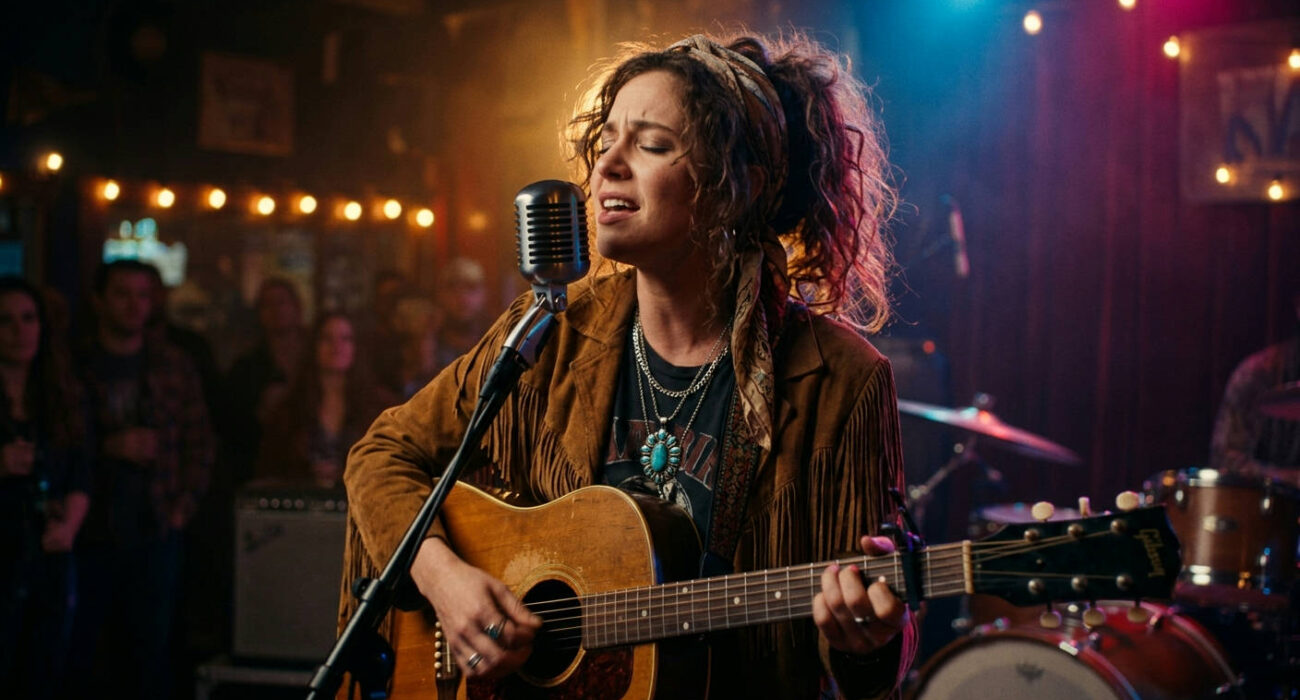
Janis Joplin didn’t just sing songs; she tore them out of her soul and threw them at the audience. That raw, untamed energy is why, decades after her final performance, we are still obsessed with the ever-expanding list of Janis Joplin influenced artists. Her voice, a potent cocktail of Texas blues, gut-wrenching pain, and defiant joy, wasn’t just a sound—it was a seismic event. It created a permission slip for generations of singers, male and female, to be imperfect, to be loud, and, above all, to be real.
This isn’t just about singers who sound a bit raspy. It’s about the artists who carry her spirit of unfiltered emotional honesty. From rock goddesses to modern pop rebels, her DNA is woven into the very fabric of music that values feeling over technical perfection. At Vinyl Gold UK, we live for this kind of legacy, the kind you can feel thrumming through the grooves of a record.
The Raw Power Blueprint: Deconstructing Joplin’s Vocal Influence
To understand the long reach of her influence, you have to break down what made her voice so revolutionary. It was a beautiful, chaotic mess that ripped up the rulebook for what a female singer was “supposed” to sound like.
Beyond the Scream: Emotional Vulnerability as a Weapon
The first thing people mention is Joplin’s scream, that explosive release of sound that could shatter glass. But the real genius was in the cracks, the whispers, and the moments her voice threatened to break entirely. This wasn’t a flaw; it was the entire point.
She used vocal vulnerability as an instrument. When she sang “Maybe,” you could hear the desperation and hope warring in her throat. That rawness made the lyrics feel less like a performance and more like a confession. Artists like Amy Winehouse and Adele built entire careers on this same principle: letting the listener hear the strain and the struggle, making the emotion palpable.
The Blues Foundation: Where the Grit Came From
Joplin wasn’t born in a vacuum. She was a devoted student of the blues, mainlining the sounds of Bessie Smith, Odetta, and Big Mama Thornton. She took the raw, declarative style of these early blues queens and plugged it into the high-voltage amplifier of 1960s psychedelic rock.
This is the source of her grit. That gravelly texture in her voice wasn’t a rock and roll affectation; it was a direct tribute to the blues tradition. You can hear this same blues-rock alchemy in the swagger of Steven Tyler or the soulful growl of Brittany Howard. They are all drinking from the same wellspring of American blues that Joplin first introduced to a massive rock audience.
Phrasing and Improvisation: The Unpredictable Element
Janis never sang a song the same way twice. She played with the rhythm of the words, lagging behind the beat or rushing ahead, stretching syllables until they almost snapped. This improvisational approach made her live performances legendary and utterly electrifying.
This freedom of phrasing is a key trait of many Janis Joplin influenced artists. Think of Florence Welch, who often contorts melodies into new shapes during a live show, letting the emotion of the moment dictate her delivery. It’s about treating the song not as a fixed script, but as a living, breathing thing.
The First Wave: Rock & Soul Icons Who Carried the Torch
Immediately after Joplin’s explosive arrival, her impact was felt across the music world. She kicked the door down, and a whole generation of powerful, unapologetic performers walked right through.
Stevie Nicks: Mysticism Meets Raw Emotion
While Stevie Nicks has her own unique, mystical persona, the emotional core of her vocal delivery owes a debt to Janis. On iconic Fleetwood Mac tracks like “Gold Dust Woman,” you hear that same willingness to let her voice fray at the edges to convey a deeper sense of pain and world-weariness.
Nicks, like Joplin, proved that a frontwoman could be both immensely powerful and heartbreakingly vulnerable within the same song. She took the raw, bluesy emotion Joplin championed and cloaked it in velvet and chiffon, creating a new archetype for the female rock star.
Robert Plant: The Male Counterpart in Blues-Rock Howling
It might seem odd to list a male singer here, but the connection is undeniable. Robert Plant’s legendary wails and screams with Led Zeppelin share the same blues-soaked, unrestrained DNA as Joplin’s. They were contemporaries, but Joplin’s mainstream success with such a raw, “unladylike” vocal style helped pave the way for the primal screams of hard rock.
Both singers understood that the human voice could be a lead instrument, as powerful and expressive as any electric guitar. They pushed their vocals to the absolute limit, not for show, but because the emotion of the music demanded it.
Ann Wilson (Heart): Power and Poignancy
If there was ever a direct vocal descendant of Janis Joplin in the 1970s, it was Ann Wilson. The sheer power and lung capacity behind her voice on Heart classics like “Barracuda” is staggering. She could belt with a force that few, if any, could match.
But it wasn’t just about volume. Like Joplin, Ann Wilson could pivot from a ferocious roar to a tender, aching ballad. This dynamic range, the ability to be both a hurricane and a whisper, is a hallmark of Joplin’s influence. It’s no surprise that Heart’s music features prominently in any discussion of the best albums of the 1970s, a decade that Joplin’s sound helped to define.
The 90s Grunge and Alt-Rock Revolution: A New Generation of Janis Joplin Influenced Artists

The 1990s saw a massive rejection of the polished, over-produced pop of the 80s. Artists craved authenticity and raw expression, creating a perfect environment for Joplin’s spirit to be reborn in a new generation of musicians.
Kurt Cobain and the Primal Scream
Kurt Cobain’s shredded vocals were the sound of a generation’s angst. While he drew from punk rock, the underlying principle was pure Joplin: emotion over technique. The way his voice cracked and strained on the chorus of “Smells Like Teen Spirit” was a direct descendant of Joplin pushing her voice to the breaking point on “Piece of My Heart.”
Both artists shared a profound discomfort with fame and a commitment to musical honesty, no matter how ugly or painful it sounded. They were conduits for raw feeling, and their voices were the primary instruments of that transmission.
PJ Harvey: The Art-Rock Evolution of Joplin’s Fire
Polly Jean Harvey embodies the fearless, confrontational side of Joplin’s persona. Throughout her career, she has used her voice as a shape-shifting tool, moving from a haunting whisper to a terrifying shriek, often within the same song.
This isn’t about vocal imitation; it’s about spiritual succession. Harvey, like Joplin, has consistently challenged expectations of how a female artist should sound and what she should sing about. Her work is a testament to the artistic freedom that Joplin’s trailblazing career afforded subsequent generations.
### Finding Your Favorite Janis Joplin Influenced Artists
Melissa Etheridge’s career is practically a case study in Joplin’s enduring influence. Her trademark raspy voice, her blues-inflected guitar playing, and her passionate, heart-on-her-sleeve songwriting are a direct continuation of the path Joplin forged.
Songs like “I’m the Only One” are modern-day blues-rock anthems built on the same emotional foundation as Joplin’s greatest hits. Etheridge proved that the combination of a powerful, gritty female voice and straight-ahead rock and roll was a timeless formula.
“She was so outrageous and so real. She just laid her soul out for you. That’s what I’ve always tried to do, just be that honest in my music.” – A quote often attributed to artists inspired by Joplin’s authenticity.
The Modern Era: How Joplin’s Ghost Haunts 21st-Century Music
Even in 2026, the tendrils of Joplin’s influence reach deep into pop, rock, and soul. New artists, whether they realize it or not, are often tapping into the well of raw expression that she first dug.
Florence Welch: The Theatrical Powerhouse
Florence + The Machine’s frontwoman, Florence Welch, is a force of nature. Her incredible vocal power and dramatic, almost shamanistic stage presence are a modern evolution of Joplin’s uninhibited energy. When Welch holds a note until it feels like the whole world is vibrating, she’s channelling that same all-or-nothing commitment.
While her musical arrangements are more orchestral and layered, the core emotional engine is the same. It’s about catharsis. It’s about using the voice to convey emotions that are too big for mere words, a skill Joplin perfected.
Brittany Howard: The Soul Revivalist
Perhaps the most direct modern heir to Joplin’s throne is Brittany Howard. As the former leader of Alabama Shakes and now a formidable solo artist, Howard possesses a voice that is astonishingly powerful and deeply steeped in soul and blues.
Listen to a track like “Don’t Wanna Fight” and you can hear it all: the grit, the growl, the sudden explosions of power, and the profound vulnerability. She is living proof that the fire Joplin lit is still burning brightly, inspiring a new generation to embrace the raw, untamed power of soul-drenched rock. Her work is a vital part of the continuing story of Janis Joplin influenced artists.
Miley Cyrus: The Pop Star with a Rocker’s Heart
In the early 2020s, Miley Cyrus underwent a musical transformation, fully embracing her inner rock star. Her album Plastic Hearts and her electrifying live covers of rock classics showed a deep understanding of Joplin’s appeal.
By covering songs like Blondie’s “Heart of Glass” or The Cranberries’ “Zombie” with a new, raspy intensity, Cyrus tapped into that same rebellious, rock-and-roll spirit. She demonstrated that even within the pop machine, an artist can connect with the authenticity and raw power that Joplin represented.
Exploring the Sonic DNA: Specific Techniques Borrowed from Janis
Her influence isn’t just a vague “vibe.” It can be broken down into specific, identifiable traits that pop up again and again in the work of those who follow in her footsteps.
The “Joplin Rasp”: How to Identify It in Modern Vocals
That signature grit is one of her most-copied traits. Here’s what to listen for:

- Controlled Vocal Fry: A low, creaky, rattling sound used at the beginning or end of phrases for emotional weight.
- The Edge-of-Breaking Point: Pushing the voice right to its limit on high notes, allowing a slight crack or strain to come through. It’s the sound of effort and passion.
- Dynamic Leaps: Shifting suddenly from a soft, breathy tone to a full-throated belt to create emotional shockwaves in a song.
- Melisma with Grit: While many singers use melisma (singing multiple notes on one syllable), Joplin’s was always rough and bluesy, not clean and polished.
Stage Presence and Uninhibited Performance
Before Janis, most female singers were relatively static performers. She was a whirlwind—stomping her feet, throwing her head back, clutching the mic stand as if her life depended on it. She was completely lost in the music.
This total physical abandon became a new standard for rock front-people. The high-energy, acrobatic performances of P!nk, the theatricality of Lady Gaga, or the raw physicality of a hardcore punk singer all owe a debt to Joplin’s demonstration that the stage is a place for total, uninhibited freedom.
Lyrical Themes: Vulnerability, Pain, and Defiance
Joplin didn’t sing about fantasies; she sang about the messy reality of love, heartbreak, and wanting to be accepted. Her lyrics were direct, confessional, and often achingly sad. She put her pain right out in the open for everyone to see.
This lyrical honesty laid the groundwork for the entire genre of confessional song writing. Artists like Alanis Morissette in the 90s or Olivia Rodrigo in the 2020s, who write with unflinching directness about their personal experiences, are following the emotional roadmap Joplin first sketched out.
Beyond Vocals: Joplin’s Influence on Rock Fashion and Attitude
Her impact wasn’t confined to the recording studio. Her entire being was a statement, a rejection of conformity that continues to inspire artists and fans today.
The Bohemian Style: Feathers, Velvet, and Freedom
Joplin’s look was as distinctive as her voice. She draped herself in velvet, satin, and furs, piling on beads, bracelets, and scarves. It was a chaotic, flamboyant, and deeply personal style that flew in the face of buttoned-up 1950s sensibilities.
This maximalist, bohemian aesthetic is now a cornerstone of festival fashion and a go-to look for artists who want to project an image of artistic freedom and individuality. It was never a costume for her; it was an extension of her “more is more” approach to life and art. According to a biography detailed on her official Wikipedia page, this style was an authentic expression of her personality long before she was famous.
Redefining the “Frontwoman”
This is arguably her most important legacy. Janis Joplin single-handedly destroyed the prevailing image of a female singer as a demure, pretty accessory to a male band.
She was loud, she was sweaty, she drank whiskey on stage, and she commanded the audience’s attention with a ferocity that was previously reserved for men like Mick Jagger or Jim Morrison.
She proved that a woman could be the raw, beating heart of a rock and roll band. Every powerful female artist who has fronted a band since—from Chrissie Hynde to Siouxsie Sioux to Karen O—walks on a path that was first blazed by Joplin’s wild, defiant spirit.
Building Your Joplin-Inspired Vinyl Collection
Feeling inspired? The best way to understand her legacy is to hear it for yourself, preferably on vinyl where the warmth and raw power of the recordings truly shine. At Vinyl Gold UK, we believe a great music education starts with a great record collection.
The Essential Janis: Where to Start
If you’re new to Janis, these two albums are non-negotiable. They are the foundation of her legend and sound incredible on a quality turntable.
- Big Brother and the Holding Company – Cheap Thrills: This is the raw, psychedelic explosion that made her a star. The live energy is palpable, and “Piece of My Heart” is a defining performance. Find a copy of Cheap Thrills on Amazon to start your journey.
- Janis Joplin – Pearl: Her final studio album, released posthumously. The sound is more polished and soulful, showcasing her growth as a vocalist. It features the iconic “Me and Bobby McGee.” Get your copy of Pearl on vinyl from Amazon to hear her masterful final statement.
Hearing the Influence: Key Albums from Janis Joplin Influenced Artists
Once you’ve absorbed the essentials, you can start connecting the dots. These albums are great examples of her spirit living on in other artists.
- Fleetwood Mac – Rumours: Listen closely to Stevie Nicks’ vocals. The raw emotion and storytelling are a direct continuation of the vulnerable-yet-strong persona Joplin pioneered. Grab a copy of Rumours on vinyl via Amazon.
- Alabama Shakes – Sound & Color: The perfect modern example. Brittany Howard’s voice is a force of nature, full of the same bluesy grit and soul-baring intensity. This record is a modern classic. Find Sound & Color on vinyl on Amazon.
- Florence + The Machine – Lungs: For a more indie/art-rock take on Joplin’s power, this is the album. The sheer scale of Florence Welch’s vocals and the emotional catharsis she delivers is a direct spiritual link. Get Lungs on vinyl from Amazon.
Conclusion: Why Janis Joplin’s Echo Will Never Fade
Janis Joplin’s influence runs far deeper than just a sound. It’s an ethos. It’s the radical idea that your true, unfiltered, sometimes messy self is the most powerful tool you have. She taught us that a voice doesn’t have to be perfect to be profound and that there is immense strength in vulnerability.
The family of Janis Joplin influenced artists is not a closed club; it’s a constantly evolving lineage. It grows every time a young singer in their bedroom decides to scream instead of whisper, to cry into the microphone, or to value a raw, honest take over a perfectly polished one. Her ghost doesn’t haunt music; it animates it, reminding us all to be a little louder, a little freer, and a whole lot more real.