
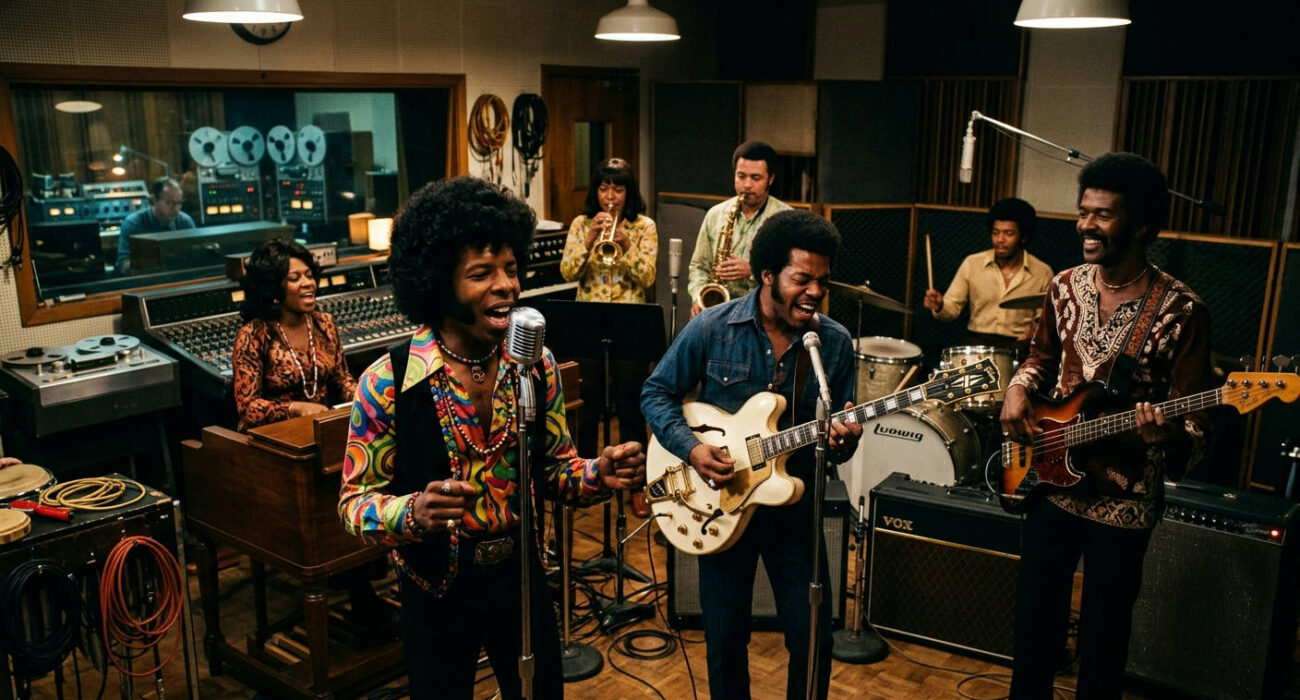
Let’s cut right to it. Before the stadium anthems, before Woodstock, and before the funk revolution they would spearhead, there was the raw, chaotic, and brilliant explosion that was the Sly and the Family Stone first studio album. Released in 1967, A Whole New Thing wasn’t just a record; it was a mission statement. It was the sound of a band so overflowing with ideas—psychedelia, soul, rock, and gut-bucket funk—that they threw it all at the wall to see what would stick. And while it didn’t stick with the charts, it laid every single brick for the legendary career that followed.
This album is the ground zero for one of the most important bands in American history. It’s the unfiltered blueprint, the creative big bang before the universe of Sly Stone’s genius expanded into mainstream consciousness. To understand their later triumphs like Stand! or There’s a Riot Goin’ On, you have to start here.
A Sound Out of Time: What Was Happening in 1967?
To grasp just how radical A Whole New Thing sounded, you need to picture the musical environment it was born into. 1967 was a seismic year for music, but sounds were still largely segregated into neat, marketable boxes.
The Radio Divide
On one side, you had the polished, hit-making machinery of Motown and the gritty, southern-fried soul of Stax Records. These were the dominant forces in R&B radio. On the other, the airwaves were saturated with the British Invasion’s second wave and the burgeoning psychedelic rock coming out of places like San Francisco and London.
Sly and the Family Stone didn’t fit into any of these categories. They were too psychedelic for most R&B stations and far too funky for the rock stations. They were a hybrid creature that radio programmers simply didn’t know what to do with. The band’s unique fusion was both its greatest artistic strength and its biggest commercial weakness at the outset.
The San Francisco Anomaly
While the band hailed from the Bay Area, the epicentre of the “Summer of Love,” they were a world away from the Grateful Dead’s meandering jams or Jefferson Airplane’s acid rock. Sly Stone, a former DJ and record producer, brought a pop sensibility and a tight, disciplined approach to his arrangements that stood in stark contrast to the free-form ethos of his peers.
He took the psychedelic spirit of San Francisco but fused it with the punch of James Brown and the melodic hooks of Motown. This fusion is what makes the Sly and the Family Stone first studio album such a fascinating document; it’s the sound of a band creating its own lane in real-time.
Deconstructing A Whole New Thing: The Sly and the Family Stone First Studio Album
Listening to this album from start to finish is like listening to a sketchbook of a genius. The ideas are raw, the energy is palpable, and you can hear the foundation of their future sound being laid track by track. It’s less a polished product and more a brilliant, beautiful mess.
Side A: The Psychedelic Soul Manifesto
The first side kicks off with an unapologetic declaration of intent.
- “Underdog”: This isn’t just a song; it’s the band’s constitution. With its blaring horns, fuzz-drenched guitar, and Sly’s urgent vocals, it’s a rallying cry for the marginalized. The lyrics, “I know how it feels to be an underdog,” set the stage for the socially conscious themes that would define their later work.
- “If This Room Could Talk”: Here, the band dips into a more traditional doo-wop and soul structure. It shows off their vocal harmonies and proves that beneath the psychedelic chaos, they had a deep understanding of classic R&B songwriting.
- “Run, Run, Run”: This track is pure, nervous energy. The frantic pace and swirling organ sound like a garage band dosed with acid, a perfect example of their “psychedelic soul” tag. It’s a sonic sprint that leaves you breathless.
- “Let Me Hear It from You”: A moment of relative calm, this slow-burner showcases the band’s dynamics. Freddie Stone’s clean guitar licks and Cynthia Robinson’s powerful trumpet solo prove that every member was a virtuoso in their own right.
Side B: Experiments in Funk and Fury
The second side gets even weirder and more experimental, hinting at the darker, more complex music to come.
- “Advice”: The social commentary gets sharper here. It’s a paranoid, funky workout where Sly’s cynicism begins to bubble to the surface. This track is a direct ancestor to the murky, introspective funk of their 1971 masterpiece, There’s a Riot Goin’ On.
- “I Cannot Make It”: You can feel the frustration in this song. It captures the struggle of trying to break through, a theme that was likely very real for the band at the time. Larry Graham’s bass, while not yet the slap-happy funk machine it would become, provides a deep, anchoring groove.
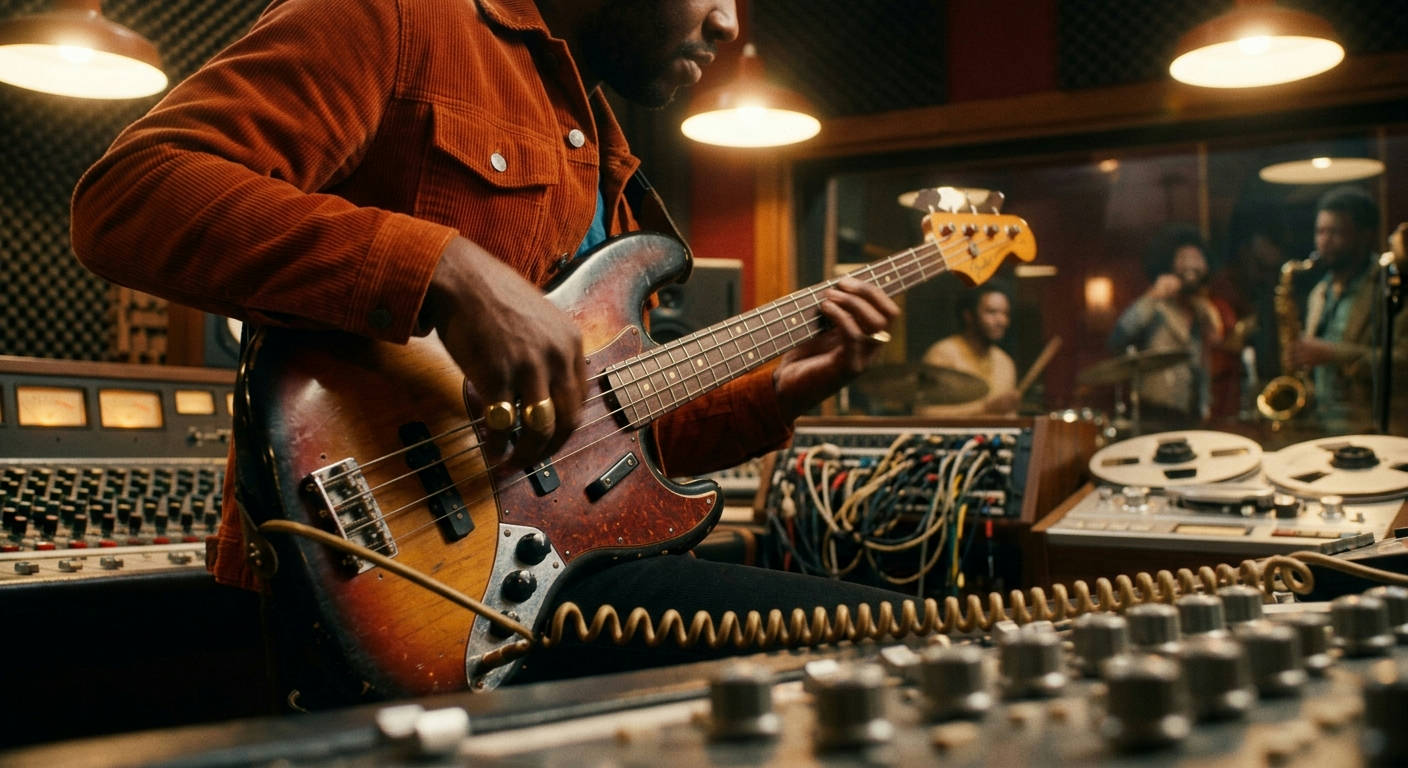
- “Trip to Your Heart”: This is the album’s most overtly psychedelic track. Drenched in studio effects, distorted vocals, and a disorienting arrangement, it’s a full-on auditory hallucination that proved they could out-weird any of their Haight-Ashbury contemporaries.
As music critic Joel Selvin noted in his book on Sly Stone, “The band was a churning engine of invention on that first album, a jumble of unreconciled ideas that would soon coalesce into a coherent and stunningly original vision.”
- “Bad Risk”: The album closes with another high-octane blast of energy. It’s a final reminder of the band’s sheer power and musical tightness, leaving the listener wondering what just hit them.
The “Family”: A Revolution in Band Dynamics
The music was only half of the revolution. The very structure of Sly and the Family Stone was a radical statement in 1967 America.
A Truly Integrated Unit
In an era of intense racial strife, Sly Stone assembled a band that looked like his vision of a better world. It was a multi-racial, multi-gender group, a concept virtually unheard of in mainstream pop music at the time. The lineup featured Black and white members, men and women, all sharing the stage as equals.
Cynthia Robinson on trumpet and Rosie Stone on keyboards weren’t just token female members; they were powerhouse musicians who were integral to the band’s sound and stage presence. This visual and sonic integration was a powerful political statement, whether intentional or not.
Every Member a Soloist
Unlike the model of a charismatic frontman with an anonymous backing band, every member of the Family Stone was a star. Sly was the clear leader, but he gave each musician space to shine.
- Larry Graham: On this first album, he was already developing his revolutionary “thumpin’ and pluckin'” bass style, which would later be known as slap bass. He fundamentally changed the role of the bass guitar in popular music.
- Freddie Stone: As a guitarist, he was the perfect foil for Sly’s vision, capable of unleashing jagged rock riffs, clean R&B licks, and fuzzed-out psychedelic solos.
- Greg Errico: The band’s original drummer, his rock-solid, funk-infused drumming provided the powerful backbone for the band’s wildest experiments.
This democratic approach to performance created a sound that was dense, layered, and explosive. It was the sound of a true collective, not just a single artist.
The Brilliant Flop: Why Did A Whole New Thing Fail Commercially?
Despite its artistic brilliance, the Sly and the Family Stone first studio album was a commercial disaster. It failed to chart and sold poorly, a fate that seems almost unbelievable from the vantage point of 2026. The reasons for its failure are a complex mix of timing, marketing, and the very innovation that made it great.
A Sound Without a Home
The core problem was that nobody knew how to categorize it. Rock radio stations found it too soulful and funky. R&B stations, accustomed to the tight formulas of Motown and Stax, found it too wild and psychedelic. The album existed in a gray area, a new genre that hadn’t been defined yet. The band was simply ahead of its time, and the industry infrastructure hadn’t caught up.
The Marketing Conundrum
Epic Records was clearly baffled by their new signing. How do you market a band that breaks all the rules? The album’s title, A Whole New Thing, was prophetically accurate but also a marketing nightmare. It told potential buyers that this was something different, but it couldn’t explain what it was. The promotional efforts were weak, and the album got lost in the shuffle of a very crowded year for music.
The band’s confrontational and unique image also presented a challenge. They didn’t look like a clean-cut Motown act, nor did they fit the hippie mould. They were something else entirely, and it took the world a moment to catch on.
Legacy and Influence: The Blueprint for a Dynasty
The commercial failure of the Sly and the Family Stone first studio album is merely a footnote in its story. Its true value lies in its role as a creative laboratory. This is where the band forged its identity and planted the seeds for every success that followed.
### The Sly and the Family Stone First Studio Album: The Raw Material for Hits
Listen closely to “Underdog” and “Run, Run, Run,” and you can hear the DNA of “Dance to the Music.” The wild energy, the interlocking vocal chants, the powerful horn section—it’s all there, just in a rawer, less focused form. The album’s failure forced Sly Stone to be more direct. Clive Davis, the head of Epic Records, famously pushed him to write a hit. Sly’s response was “Dance to the Music,” a song that simplified the formula of A Whole New Thing into a 3-minute pop explosion that finally gave them the chart success they deserved.
A New Path for Black Music
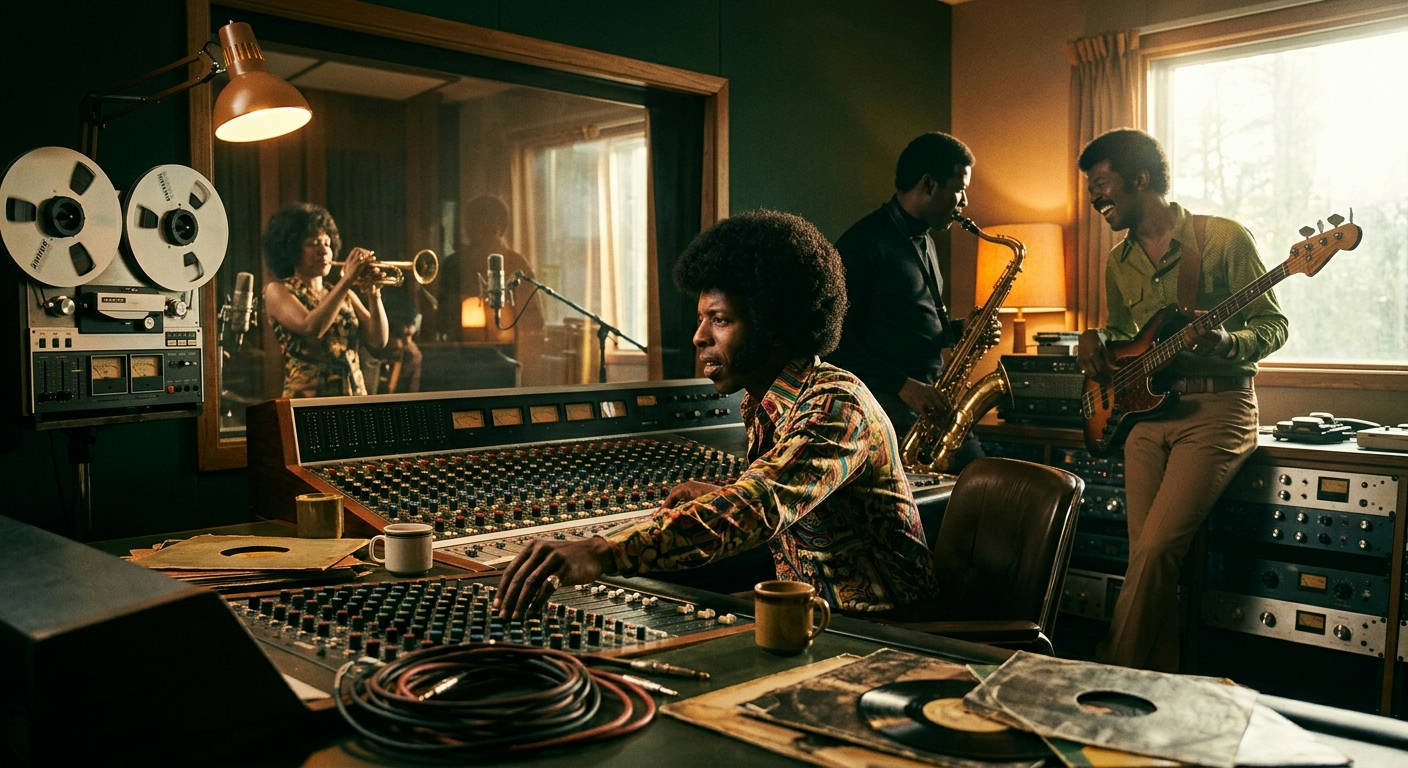
A Whole New Thing was a crucial bridge between the soul of the mid-60s and the funk that would dominate the 70s. Artists like George Clinton and his P-Funk collective were listening closely. The album’s fearless experimentation and fusion of rock and funk opened doors for countless artists. The work of socially conscious soul pioneers like Curtis Mayfield would also be amplified by the path Sly and the Family Stone were carving.
According to the Rock & Roll Hall of Fame, Sly and the Family Stone “brilliantly fused funk, soul, rock and psychedelia into a sound all their own,” a process that began in earnest on this very first album.
The album’s influence extends far beyond funk. Prince, OutKast, Lenny Kravitz, and countless others owe a massive debt to the genre-blending blueprint laid out on A Whole New Thing.
Experiencing the Album in 2026: A Guide for Vinyl Lovers
To truly appreciate the raw, analogue power of this record, you need to hear it on vinyl. The production is a product of its time—warm, slightly chaotic, and full of texture that gets lost in digital compression.
The Vinyl Advantage
Spinning A Whole New Thing on a turntable brings the 1967 studio session into your room. You can feel Greg Errico’s kick drum in your chest and hear the natural reverb on the horns. It’s an immersive experience that connects you directly to the band’s untamed energy. It’s the way this music was intended to be heard.
Getting a good vinyl setup doesn’t have to bankrupt you. There are fantastic options available that deliver rich, high-fidelity sound. If you’re looking to get started or upgrade, our guide to the best turntables under £300 in the UK is the perfect place to begin your journey.
Sourcing Your Copy
Finding an original 1967 pressing in good condition can be a challenge, and it will command a high price among collectors. Look for the yellow Epic label and check the vinyl for scratches and wear. These first pressings, particularly the mono versions, are prized for their punchy, direct sound.
Thankfully, there have been several high-quality reissues over the years. Modern pressings on 180-gram vinyl often provide a cleaner, quieter listening experience while preserving the original mix’s integrity. You can easily search for the latest reissues and pressings of this foundational funk classic.
To find your copy, you can start your search on Amazon for a vinyl reissue of Sly and the Family Stone A Whole New Thing.
The Aftermath and the Ascent
The initial failure of A Whole New Thing could have been the end of the story. A lesser band might have packed it in. But for Sly and the Family Stone, it was just the beginning.
Pressure Creates Diamonds
The lack of sales created immense pressure from the record label. Sly was a studio perfectionist and an artist, but he was also a savvy producer who understood the music business. He knew he had to deliver a hit to keep the band afloat. This pressure forced him to channel the sprawling creative energy of the debut into a more focused, pop-oriented direction.
“Dance to the Music” Changes Everything
The result was the single “Dance to the Music” in 1968, followed by an album of the same name. It was their breakthrough. The song was a perfect distillation of their sound: a call-and-response structure where each member introduced their instrument, a killer bassline from Larry Graham, and an irresistibly joyful chorus. It was still psychedelic soul, but it was packaged for mass consumption.
This hit single paved the way for the monumental success of their 1969 album Stand!, which made them global superstars. But none of it would have been possible without the wild, untamed experimentation of the Sly and the Family Stone first studio album.
A Crucial Beginning
A Whole New Thing is more than a historical curiosity or a piece of trivia for die-hard fans. It is the essential, explosive origin story of a band that would go on to change the face of music. It’s the sound of revolution before the revolution was televised.
While it may not have the iconic hits of their later work, it has something arguably more valuable: a raw, unfiltered glimpse into the birth of a new sound. It’s a challenging, exhilarating, and absolutely vital listen. It is, and always will be, the “whole new thing” that started it all.