
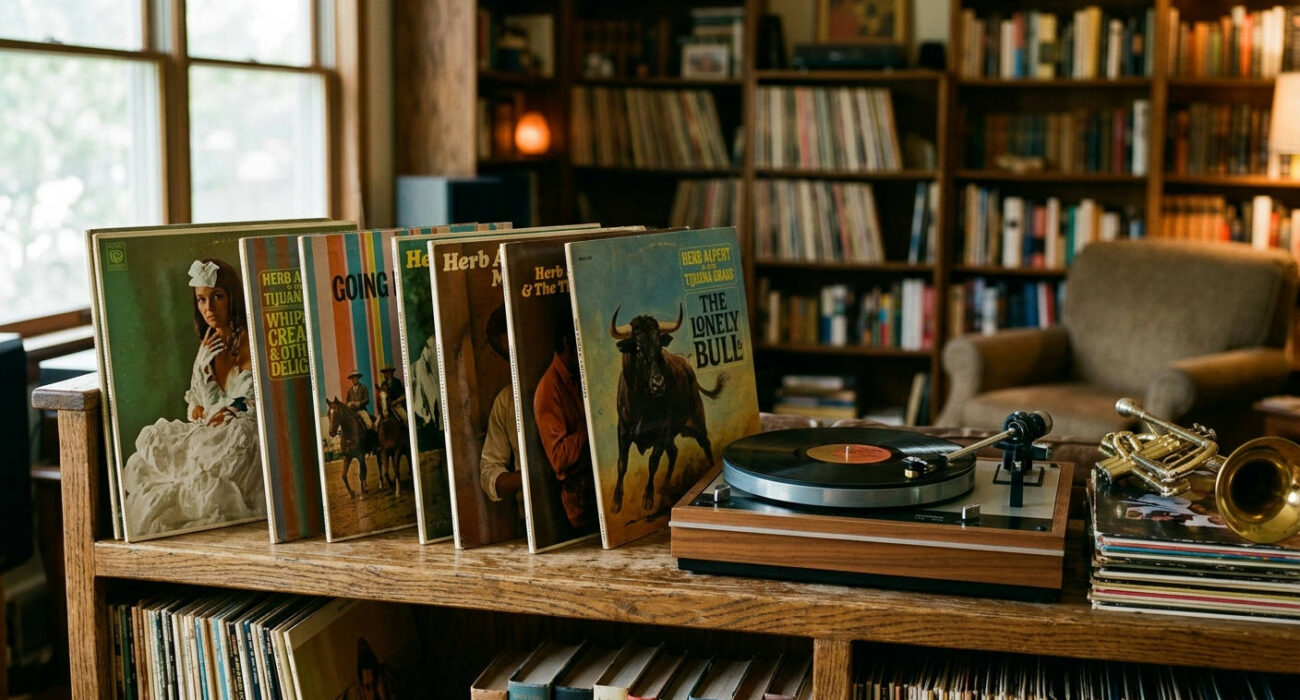
Trying to pin down the definitive list of the best Herb Alpert and the Tijuana Brass albums is like trying to choose your favourite flavour of crisps. It’s a deeply personal journey, but some contenders are just undeniably top-tier. For a period in the mid-1960s, Herb Alpert wasn’t just a musician; he was a cultural phenomenon. His instrumental “Ameriachi” sound was everywhere, a sun-drenched, optimistic soundtrack that defined an era. With more than 72 million records sold, the man and his band, the Tijuana Brass, carved a unique niche that remains vibrant and influential even in 2026.
Here at Vinyl Gold UK, we’re diving headfirst into the rich catalogue of A&M Records’ co-founder. We’re sorting through the classics, the deep cuts, and the must-haves to build the ultimate guide for both new fans and seasoned collectors. Whether you’ve just discovered the infectious joy of “Spanish Flea” or you’re looking to complete your vinyl collection, this is your definitive roadmap.
Unpacking the Legend: Who Were Herb Alpert & The Tijuana Brass?
Before we spin the records, let’s set the stage. Herb Alpert wasn’t a bandleader from Tijuana. He was a trumpet player from Los Angeles with an incredible ear for melody and arrangement. The “Tijuana Brass” was initially just Alpert himself, overdubbing his trumpet in his garage studio to create a fuller sound.
The story goes that after seeing a bullfight in Tijuana, Mexico, Alpert was inspired by the festive brass bands. He wanted to capture that energy but translate it for an American pop audience. The result was “The Lonely Bull,” a track that unexpectedly rocketed up the charts in 1962 and launched a musical dynasty.
The Sound That Conquered the World
The Tijuana Brass (TJB) sound is instantly recognizable. It’s a fusion of mariachi horns, bossa nova rhythms, pop hooks, and a sprinkle of jazz improvisation, all polished to a mirror shine. It was instrumental music that told a story. It was sophisticated enough for a cocktail party yet catchy enough for a transistor radio on the beach.
This wasn’t just a band; it was a brand. The sharp suits, the iconic album covers, and the sheer prolific output created an unstoppable force. In 1966, Herb Alpert & the Tijuana Brass sold over 13 million albums, outselling The Beatles. Think about that for a moment. They had an incredible run where, at one point, five of their albums were simultaneously in the Billboard Top 20.
The Men Behind the Horns
While Alpert was the creative visionary, he soon assembled a remarkable group of Los Angeles session musicians to form the touring and recording version of the Tijuana Brass. These weren’t just hired guns; they were masters of their craft, many of them part of the legendary Wrecking Crew.
The core group included talents like Tonni Kalash on trumpet, Bob Edmondson on trombone, and the incredible rhythm section of John Pisano (guitar), Lou Pagani (piano), Pat Senatore (bass), and Nick Ceroli (drums). Their chemistry and musicianship elevated Alpert’s arrangements into something truly special.
Our Definitive List: The best Herb Alpert and the Tijuana Brass albums
This is the main event. While taste is subjective, these albums represent the absolute pinnacle of the TJB’s output. They are the essential cornerstones of any collection, showcasing the band at the peak of their commercial and creative powers.
Whipped Cream & Other Delights (1965)
You can’t talk about Herb Alpert without starting here. This is the big one, the multi-platinum monster with one of the most famous album covers in music history. The image of model Dolores Erickson covered in what looks like whipped cream is so iconic, it almost overshadows the brilliant music within. Almost.
The album is a masterclass in breezy, mid-60s cool. The title track is a slinky, finger-snapping classic, but the entire record is a cohesive listening experience. Their version of “A Taste of Honey” won a Grammy and became a signature tune, showcasing Alpert’s melodic genius. Other highlights like “Green Peppers” and “Bittersweet Samba” are pure, distilled TJB magic. It’s the perfect entry point and an album that sounds as fresh in 2026 as it did in 1965.
Find a copy on vinyl and let it transport you.
Check for Whipped Cream & Other Delights Vinyl on Amazon
Going Places (1965)
How do you follow up a cultural landmark like Whipped Cream? You release Going Places, an album that solidified the TJB’s status as global superstars. If Whipped Cream was the soundtrack for a hip bachelor pad, Going Places was the soundtrack for a world tour.
This record contains some of the band’s most recognizable tunes, including the ridiculously catchy “Tijuana Taxi” and the marimba-driven “Spanish Flea,” which became a theme for the popular TV show The Dating Game. The album also features a beautiful rendition of “I’m Getting Sentimental Over You” and the high-energy “Zorba the Greek.” It’s an album bursting with confidence and global flavour.
Check for Going Places Vinyl on Amazon
What Now My Love (1966)

Arriving at the absolute zenith of their popularity, What Now My Love demonstrated a subtle evolution in the TJB sound. The arrangements feel a bit richer, the production more layered. It spent nine weeks at number one on the Billboard chart, a testament to Alpert’s incredible hot streak.
The title track, a cover of the Gilbert Bécaud classic, is a dramatic and powerful opener. The album is packed with winners, from the impossibly jaunty “The Work Song” to the charming “So What’s New?”. One of the standout tracks is the brilliant “Brasilia,” a breezy bossa nova that feels like a mini-vacation. This album proves the TJB formula was far from running out of steam.
Check for What Now My Love Vinyl on Amazon
S.R.O. (1966)
The title stands for “Standing Room Only,” and it was a fitting name for an act that was selling out venues across the globe. Released in late 1966, S.R.O. continued the band’s chart dominance. It’s a slick, polished affair that showcases the incredible tightness of the touring band.
The lead single, a cover of “Mame” from the Broadway musical, is pure, unadulterated fun. But the album has more to offer, including the classic TJB-sounding “The Mexican Shuffle” and a surprisingly groovy take on “The Blue Danube.” It feels like the ultimate party record, a celebration of the band’s massive success. It’s a must-have for understanding the peak of “Tijuana Brass-mania.”
“The whole thing was based on a feeling. It wasn’t a cerebral approach to music. It was a visceral one. It was about how it made you feel.” – Herb Alpert
Check for S.R.O. Vinyl on Amazon
The Lonely Bull (1962)
You have to include the one that started it all. While the production is rawer and the concept less refined than later works, The Lonely Bull has a raw charm that is undeniable. This is the sound of an idea being born.
The title track, with its crowd noises and dramatic trumpet calls, is a piece of instrumental pop history. The rest of the album lays the groundwork for what would come, mixing mariachi-inspired tunes with pop and jazz standards. Listening to it now is like looking at the blueprint for a skyscraper. It’s not as grand as the final structure, but you can see the genius in its design. For collectors, an original pressing of this is a true prize.
Check for The Lonely Bull Vinyl on Amazon
Crate Digging: Essential Deep Cuts from the TJB
Once you have the cornerstones, it’s time to explore the rest of the neighbourhood. The Tijuana Brass discography is deep, and there are some absolute gems that often get overlooked in favour of the bigger hits. These albums are for when you want to go beyond the basics.
Herb Alpert’s Ninth (1967)
This album is a fascinating turn. As the title suggests, it was Alpert’s ninth record, and he took a more ambitious, almost cinematic approach. He tackles classical pieces like “The Habanera” from Carmen and even a Chopin nocturne, all given the signature TJB treatment.
It might sound like a novelty, but it works surprisingly well. The arrangements are clever and respectful, and it showcases the incredible musicianship of the band. Tracks like “A Banda” and “Casino Royale” (the theme from the 1-9-6-7 James Bond spoof) are pure joy. It’s an album that shows Alpert wasn’t afraid to take creative risks.
The Beat of the Brass (1968)
This album is significant for one major reason: it features the track “This Guy’s in Love with You,” with a rare and charming vocal performance from Herb Alpert himself. The Burt Bacharach-penned song became a massive number-one hit, proving Alpert was more than just a trumpet player.
The rest of the album is prime TJB, with a lush, orchestral feel. The production is bigger and more expansive than ever before. Tracks like “Cabaret” and “A Beautiful Friend” are wonderfully arranged. It’s a great later-period album that shows the sound evolving with the times.
Christmas Album (1968)
Don’t sleep on this one. Released in 1968, the TJB Christmas Album is, without a doubt, one of the greatest holiday records ever made. It avoids the cheesy clichés and instead delivers genuinely beautiful and swinging arrangements of festive classics.
Their version of “My Favorite Things” is a standout, transforming the show tune into a jazzy, upbeat celebration. From the reverent “The Christmas Song” to the playful “Jingle Bells,” every track is handled with taste and style. It’s the perfect soundtrack for a cool yule, and a record that gets spun every December at Vinyl Gold UK headquarters.

The TJB Formula: Deconstructing That Signature Sound
What exactly made the Tijuana Brass sound so infectious? It wasn’t just one thing, but a perfect storm of talent, technique, and timing. Breaking it down reveals the genius behind the feel-good hits.
The Trumpet That Sings
Herb Alpert’s trumpet playing is the heart and soul of the music. He wasn’t a technical show-off like some jazz purists. Instead, he focused on melody and tone. He made the trumpet sing.
His style is lyrical and clean, with a distinctive, slightly breathy tone that is instantly recognizable. He often double-tracked his own playing, creating a rich, layered horn sound that became his trademark long before he had a full band.
The A&M Studio Magic
As co-founder of A&M Records, Alpert had access to some of the best studios and engineers in Los Angeles. He and his long-time engineering partner, Larry Levine, were pioneers of sound. They meticulously crafted each track, paying close attention to microphone placement, reverb, and stereo imaging.
As a 2017 article from Forbes notes, Alpert was a perfectionist. He obsessed over the sonic details, ensuring every marimba hit and bass line was perfectly placed in the mix. This dedication to audio quality is a huge reason why the records still sound so fantastic today.
### What Defines the best Herb Alpert and the Tijuana Brass albums?
Ultimately, the best albums are defined by their incredible arrangements. The way the horns interact with the rhythm section, the use of auxiliary percussion like marimbas and castanets, and the impeccable song selection are all crucial ingredients. The music is complex enough to be interesting but simple enough to be universally appealing. It’s a delicate balancing act that Alpert and his team mastered.
A Collector’s Guide to TJB Vinyl in 2026
For vinyl enthusiasts, the Herb Alpert & the Tijuana Brass catalogue is a treasure trove. Their records were pressed in the millions, meaning you can often find clean copies for a reasonable price. But there are a few things to keep in mind.
Mono vs. Stereo Pressings
Most of the classic TJB albums were released in both monophonic (mono) and stereophonic (stereo) versions. Which one is better? It’s a matter of personal preference.
- Mono: The mono mixes are often punchier and more direct. This is how most people would have heard the music on the radio in the 60s. Some collectors swear by the mono mixes of Whipped Cream and Going Places for their focused energy.
- Stereo: The stereo mixes, especially from A&M, were often very well done. They create a wider soundstage and allow you to hear the intricate details in the arrangements. For a great listening experience on a modern turntable setup, a clean stereo pressing is hard to beat. If you’re looking to upgrade your setup, check out some of the best turntables under £300 in the UK.
Spotting Original Pressings
Identifying a true first pressing of a TJB album can be part of the fun of collecting. For A&M Records, you’ll want to look for the original tan or ochre-coloured label. Later pressings from the 70s have a silver label. The dead wax (the blank space between the last song and the label) will also contain matrix numbers that can help you identify the specific pressing plant and date.
Condition is everything. Because these records were so popular and often played at parties, finding a truly mint copy can be a challenge. Look for clean vinyl with minimal scratches and a cover that isn’t split at the seams.
The Unfading Legacy of the Brass
Why are we still talking about an instrumental pop group from the 1960s? Because the music is timeless. The influence of Herb Alpert & the Tijuana Brass is subtle but pervasive.
The Go-To Vibe Setters
The music of the TJB has become cultural shorthand for a certain kind of sophisticated fun. You hear it in films like Austin Powers and Casino Royale. You hear it sampled by artists like the Beastie Boys. It’s the ultimate mood music.
Putting on an album like Whipped Cream instantly sets a tone. It’s perfect for a dinner party, a lazy Sunday morning, or a summer barbecue. This ability to create a specific atmosphere is a huge part of its enduring appeal. It’s a key element in creating music styles to create the perfect party atmosphere.
The joy, optimism, and effortless cool baked into these grooves have not diminished over time. They are artifacts from another era that somehow manage to sound completely contemporary. The search for the best Herb Alpert and the Tijuana Brass albums is a rewarding one, filled with melodies that will stick in your head for days and rhythms that will make you want to mix a cocktail and relax. This isn’t just nostalgia; it’s a testament to the power of a great tune, played with style and heart.