
Few artists have shaped American music quite like James Taylor. Over more than five decades, he has redefined what it means to be a singer-songwriter. His warm baritone, fingerpicked guitar style, and deeply personal lyrics created a blueprint that countless artists have followed. From his turbulent debut on the Beatles’ Apple Records label to Grammy-winning studio albums and sold-out world tours, James Taylor has never stopped evolving. This guide covers every studio album, key live release, and essential compilation in his catalogue — structured to give you everything you need, whether you’re a lifelong fan or just discovering his music.
What You Need to Know About James Taylor
Is James Taylor still touring in 2026? Yes — James Taylor is actively touring in 2026 with his celebrated All-Star Band. The tour spans major venues across North America and beyond, proving that his live show remains one of the most beloved concert experiences in popular music. At 78, his voice carries the same warmth and intimacy that first captivated audiences in the early 1970s. Fans who have followed him for decades describe these performances as deeply moving. Tickets have been in high demand, reflecting an enduring loyalty that few artists ever achieve.
What was James Taylor’s first number-one hit? James Taylor’s first number-one single was “You’ve Got a Friend,” a cover of Carole King’s composition from her landmark Tapestry album. Released in 1971 from Mud Slide Slim and the Blue Horizon, it topped the Billboard Hot 100 and earned James Taylor a Grammy Award for Best Pop Vocal Performance, Male. The song became an anthem of friendship and reassurance. It cemented his status as one of the defining voices of the singer-songwriter movement. His warm, unhurried delivery transformed the song into something uniquely his own.
What is James Taylor’s most successful album? Greatest Hits (1976) stands as James Taylor’s most commercially successful release. The RIAA certified it Diamond, meaning it has sold over ten million copies in the United States alone. It draws together his finest work from the early part of his career, including “Fire and Rain,” “Carolina in My Mind,” and “You’ve Got a Friend.” For millions of listeners, this compilation served as their introduction to his catalogue. It remains one of the best-selling greatest hits collections in the history of popular music, a remarkable achievement for a soft-rock and folk artist.
How many albums has James Taylor released? As of 2026, James Taylor has released 20 studio albums. His output stretches from his self-titled 1968 debut on Apple Records through to Fast Forward ’26, his most recent studio project. That body of work spans folk, soft rock, pop, blues, country, and jazz-influenced standards. Each album reflects a different chapter of his life and artistic development. Few artists maintain creative relevance across six decades, yet James Taylor has consistently found new ways to connect with both loyal fans and new generations of listeners.


Studio Albums
James Taylor (1968)
The self-titled debut introduced James Taylor to the world under extraordinary circumstances. Apple Records — the label founded by The Beatles — signed him, making him one of the first American artists on the roster. Recorded in London in 1968, the album captures a young songwriter pouring raw emotion into delicate acoustic arrangements. Tracks like “Something in the Way She Moves” and “Carolina in My Mind” showcased a voice and a guitar technique that felt immediately distinctive. However, the album struggled commercially at the time of its release. Apple’s internal difficulties meant promotion was minimal, and James Taylor was left largely without support. Despite that, the record planted important seeds. Critics who encountered it recognised something special. Furthermore, the songs themselves were far more sophisticated than most debut records of the era. The album later gained renewed attention after Taylor’s breakthrough success in the early 1970s. Today, fans regard it as a fascinating origin point — a document of an extraordinarily gifted young artist still finding his footing, yet already in possession of the qualities that would eventually make him iconic.
Sweet Baby James (1970)
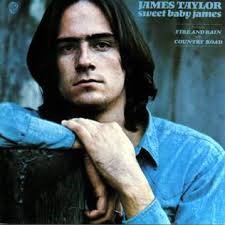
Sweet Baby James is the album that changed everything for James Taylor. Released on Warner Bros. Records, it became a landmark of the singer-songwriter movement and one of the defining records of its era. The title track — a gentle lullaby written for his nephew — became one of his most recognisable songs. Moreover, “Fire and Rain,” inspired by personal loss and his time in a psychiatric institution, gave James Taylor his first major hit single. The song reached number three on the Billboard Hot 100 and introduced millions of listeners to his deeply confessional style. Producers Peter Asher and James Taylor himself crafted a sound that was warm, intimate, and quietly powerful. The album peaked at number three on the Billboard 200 and has since been certified Platinum multiple times. Additionally, Rolling Stone later ranked it among the greatest albums ever made. Its influence on subsequent generations of singer-songwriters is immeasurable. Sweet Baby James didn’t just launch a career — it established an entire artistic movement.
Mud Slide Slim and the Blue Horizon (1971)
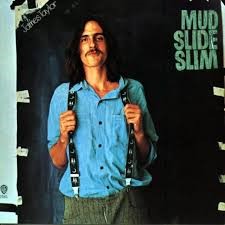
Mud Slide Slim and the Blue Horizon consolidated the enormous momentum that Sweet Baby James had generated. James Taylor returned with a confident, polished record that contained his first number-one single. His cover of Carole King’s “You’ve Got a Friend” became an instant classic, earning him a Grammy and reaching the top of the charts in both the US and UK. The album itself peaked at number two on the Billboard 200. Additionally, King contributed piano on several tracks, lending the sessions a warmth and chemistry that felt genuinely collaborative. Beyond the hit single, the album contains some of James Taylor’s most reflective song writing, including the understated “Long Ago and Far Away” and the upbeat “You Can Close Your Eyes.” Furthermore, the production by Peter Asher captured his voice with exceptional clarity. This was the moment James Taylor graduated from promising newcomer to bona fide superstar. The record remains a cornerstone of 1970s folk-pop and a high point in his celebrated career.
One Man Dog (1972)
One Man Dog revealed a more experimental and restless side of James Taylor. Rather than delivering a straightforward follow-up to his commercial peak, he chose to challenge both himself and his audience. The album contains short, sketch-like pieces alongside more fully developed songs, creating a patchwork feel that surprised many listeners. Consequently, it received a more mixed commercial reception than its predecessors, though it still reached the top ten on the Billboard 200. Thematically, James Taylor explored domesticity, nature, and introspection — themes that would resurface throughout his later work. The production retained the warm acoustic quality his fans loved, yet there was a looser, more spontaneous energy running through the sessions. Moreover, the album featured contributions from several prominent musicians, including Carly Simon, whom James Taylor married in 1972. In retrospect, One Man Dog stands as an underrated and genuinely adventurous record. It proved that James Taylor was not content to repeat himself, even at the height of his commercial success.
Walking Man (1974)
Walking Man marked a transitional moment in James Taylor’s career. Recorded during a personally difficult period, the album carries a weight and introspection that sets it apart from his earlier work. Arrangements from pianist and composer David Spinozza gave the record a lush, orchestrated quality that leaned away from the stripped-back acoustic sound of his debut years. However, the shift did not entirely connect with audiences, and Walking Man was his weakest seller to that point. Nevertheless, the album contains moments of genuine beauty. The title track and “Daddy’s Baby” demonstrate James Taylor’s continued ability to write with emotional precision. Furthermore, his guitar work throughout the record is some of the most intricate he had committed to tape at that stage of his career. Critics have since reassessed Walking Man more favourably, recognising it as a brave creative pivot rather than a misstep. It remains an honest and vulnerable document of an artist navigating enormous personal and professional pressures simultaneously.
Gorilla (1975)
Gorilla saw James Taylor returning to more accessible territory with renewed energy and confidence. The album became one of his strongest commercial performances of the mid-1970s, boosted significantly by his spirited cover of Marvin Gaye’s “How Sweet It Is (To Be Loved by You).” That single reached number five on the Billboard Hot 100 and introduced James Taylor to a new segment of the pop audience. Additionally, “Mexico” became a fan favourite and a staple of his live performances for decades to come. The production, again handled by Russ Titelman and Lenny Waronker, was polished and radio-friendly without sacrificing the warmth that defined his sound. Furthermore, the album showcased his growing confidence as a bandleader, drawing together an impressive roster of session musicians. Thematically, Gorilla felt lighter and more celebratory than Walking Man, reflecting a period of greater personal stability. It reasserted James Taylor’s commercial instincts and set the stage for the compilation that would become the best-selling record of his career.
In the Pocket (1976)
In the Pocket arrived the same year as his landmark Greatest Hits compilation, which somewhat overshadowed the studio record commercially. Nevertheless, James Taylor delivered a confident and accomplished album. The record produced the hit “Shower the People,” one of his most enduring songs and a concert favourite to this day. Additionally, his cover of “Woman’s Gotta Have It” demonstrated his ease with R&B-inflected material. The production, again by Titelman and Waronker, gave the album a polished, bright sound that sat comfortably on radio playlists of the era. Furthermore, James Taylor surrounded himself with exceptional musicians, and the interplay between performers throughout the record is a genuine highlight. Though sometimes overlooked in discussions of his classic period, In the Pocket is a strong, assured record. It captures James Taylor at a creative and commercial peak — confident in his identity, masterful in his craft, and capable of writing songs that connected deeply with a wide mainstream audience.
JT (1977)
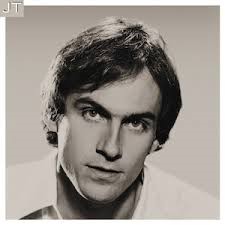
JT marked James Taylor’s move to Columbia Records and opened one of the most commercially successful chapters of his career. The album debuted strongly, eventually being certified Double Platinum, and produced two significant hits. “Handy Man,” a cover of the Jimmy Jones classic, reached number four on the Billboard Hot 100 and earned James Taylor a Grammy for Best Pop Vocal Performance, Male. Additionally, “Your Smiling Face” became a joyful, radio-friendly anthem that highlighted a more optimistic side of his song writing. The record benefited from crisp, contemporary production that felt fresh for the era without abandoning the warm acoustic textures his fans expected. Furthermore, the move to a major new label seemed to energise James Taylor creatively. His songwriting felt more focused and his performances more assured. JT demonstrated that he could thrive in the competitive late-1970s pop landscape without compromising his artistic identity. It remains one of the more underrated entries in his discography, deserving of far more attention from new listeners today.
Flag (1979)

Flag continued James Taylor’s run of solid commercial releases on Columbia Records. The album reached number ten on the Billboard 200 and produced the memorable hit “Up on the Roof,” a cover of the classic Gerry Goffin and Carole King composition. His warm treatment of the song felt natural — almost inevitable, given his long association with King and her musical world. Additionally, “Millworker,” a character study written from the perspective of a factory worker, showcased his ability to inhabit voices beyond his own experience. That song has since become one of the more critically admired compositions of his late-1970s output. Furthermore, James Taylor contributed thoughtful original material throughout the record, demonstrating that his own pen remained sharp. The production maintained the polished warmth that defined his Columbia period. Whilst Flag has never received the attention of Sweet Baby James or JT, it is a quietly impressive record. James Taylor delivered it at a time when many of his contemporaries were struggling to maintain relevance, and he did so with admirable consistency.
Dad Loves His Work (1981)
Dad Loves His Work arrived during a turbulent period in James Taylor’s personal life, and the record reflects that tension directly. His marriage to Carly Simon was deteriorating, and the toll of constant touring and recording had begun to show. Nevertheless, James Taylor channelled those pressures into some of the most emotionally direct song writing of his career. “Hard Times” and the hit single “Her Town Too” — a duet with J.D. Souther that reached number eleven on the Billboard Hot 100 — demonstrated his continued commercial instincts. Additionally, the album reached number ten on the Billboard 200. The production remained clean and contemporary, yet an undercurrent of weariness runs through many of the tracks. Furthermore, James Taylor took a five-year break from recording after this album, suggesting its creation had been a deeply draining experience. In retrospect, Dad Loves His Work stands as an honest and emotionally complex record — one that documents a gifted artist struggling with the personal cost of a life lived publicly and the strain of extraordinary success.
That’s Why I’m Here (1985)
That’s Why I’m Here signalled James Taylor’s return after a five-year recording hiatus, and it arrived with a renewed sense of purpose. The title track addressed his well-documented battles with addiction directly and honestly, using music as both a confessional tool and a means of processing recovery. Consequently, the album carries a weight and sincerity that resonated deeply with listeners who had followed his personal struggles. It reached number thirty-four on the Billboard 200 — modest by his earlier standards, yet commercially respectable for a mid-1980s comeback. Additionally, James Taylor continued to work with his trusted production team, maintaining the sonic warmth his audience expected. The song writing throughout the record reflects genuine growth and hard-won self-awareness. Furthermore, the album introduced him to a new generation of fans who were drawn to its emotional transparency. That’s Why I’m Here may not rank among his most celebrated records commercially, but it stands as one of his most personally significant — a document of survival, resilience, and the enduring power of honest song writing from one of America’s most treasured voices.
Never Die Young (1988)
Never Die Young demonstrated that James Taylor had fully reclaimed his creative footing following the reflective period of his mid-1980s work. The album entered the Billboard 200 at a strong position and produced several tracks that became staples of his live performances. The title track, an optimistic and sweeping anthem, became one of his most beloved concert moments. Additionally, “Baby Boom Baby” and “Letter in the Mail” showed James Taylor engaging with themes of domesticity and the passage of time with characteristic grace. The production, helmed by Don Grolnick, gave the record a clean, contemporary sound that balanced perfectly with his timeless acoustic sensibility. Furthermore, James Taylor’s vocal performances throughout the album are among the most controlled and expressive of his career at that point. He had clearly entered a period of greater personal stability, and that contentment infuses the record from start to finish. Never Die Young remains a warm and accomplished album — one that rewards patient listening and exemplifies the quiet craft that has always distinguished James Taylor from his contemporaries.
New Moon Shine (1991)
New Moon Shine arrived at a moment when James Taylor seemed energised by the challenges facing the wider world. Several tracks engaged with environmental themes and social consciousness, reflecting his growing public activism. “Copperline,” widely regarded as one of his finest compositions of the era, drew on vivid memories of his North Carolina childhood. Its imagery and emotional warmth reminded long-time fans of the storytelling gifts that had made Sweet Baby James so enduring. Additionally, James Taylor incorporated elements of blues and gospel into the album’s sonic palette, broadening his musical vocabulary in ways that felt organic rather than forced. The production by Don Grolnick captured the performances with a live, breathing quality that suited the material perfectly. Furthermore, the album reached number thirty-seven on the Billboard 200. Whilst not a blockbuster commercial return, it earned strong critical praise and deepened his reputation as a thoughtful, engaged artist. New Moon Shine stands as clear evidence that James Taylor remained a vital creative force more than two decades into a remarkable career.
Hourglass (1997)
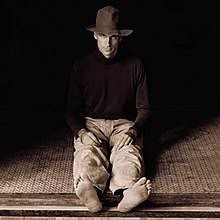
Hourglass stands as one of the most critically acclaimed albums of James Taylor’s later career. The record earned him a Grammy Award for Best Pop Album — his first Grammy in that category — and signalled a major creative resurgence. Thematically, the album grappled with mortality, ageing, and the weight of memory, themes that James Taylor approached with unusual directness and poetic precision. Consequently, the record felt more urgent and emotionally rich than much of his 1980s output. The production, led by James Taylor himself alongside Frank Filipetti, was meticulous and layered, rewarding repeated listening. Furthermore, tracks like “Enough to Be on Your Way” — written in memory of his brother Alex — rank among the most moving compositions of his entire catalogue. Additionally, the album reached number nine on the Billboard 200, demonstrating that his commercial instincts remained sharp. Hourglass proved that James Taylor was not merely coasting on nostalgia but actively pushing his craft forward. It remains essential listening for anyone seeking to understand the full depth and range of his artistry.
October Road (2002)
October Road marked James Taylor’s first studio album in five years, and the wait had clearly been worthwhile. The record debuted at number four on the Billboard 200 — his highest charting studio album in over two decades — and demonstrated that his audience had remained fiercely loyal through the years of silence. James Taylor delivered a set of songs that balanced introspection with gentle optimism, reflecting a man at peace with himself and his place in American music. Additionally, “September Grass” and the title track showcased his continued gift for evoking the landscapes and emotions of rural New England. The production was warm and unhurried, mirroring the reflective mood of the material. Furthermore, James Taylor collaborated closely with arranger and producer Don Grolnick before Grolnick’s untimely death, and the album stands partly as a tribute to that creative partnership. Critics welcomed the record warmly, recognising it as further evidence of his enduring relevance. October Road reaffirmed James Taylor’s place at the very centre of American popular music.
James Taylor at Christmas (2006)
James Taylor at Christmas brought his distinctive warmth to the holiday album genre with graceful results. Rather than delivering a straightforward collection of seasonal standards, James Taylor approached the material with the same thoughtfulness he brought to all of his recordings. His interpretations of classics like “Have Yourself a Merry Little Christmas” and “Winter Wonderland” felt deeply personal and quietly joyful. Additionally, the album included original compositions that sat comfortably alongside the traditional material. The production was appropriately festive yet restrained, avoiding the bombastic arrangements that often mar seasonal releases. Furthermore, James Taylor brought his characteristic fingerpicking style to arrangements that breathed new life into familiar melodies. The album performed strongly on holiday charts and has become a perennial favourite since its release. It demonstrates that James Taylor can bring his unique sensibility to almost any material and make it feel authentically his own. For fans looking to spend the festive season in good musical company, this record serves as a warm and lasting companion throughout the holiday period.
Covers (2008)
Covers was exactly what its title promised — James Taylor exploring songs written by others and remaking them entirely in his own image. The album ranged boldly across genres, drawing on R&B, soul, pop, and classic rock. His reading of “Wichita Lineman” brought fresh emotional resonance to a song already considered one of the greatest ever written. Additionally, his version of “On Broadway” demonstrated his easy command of urban soul material, a side of his musicianship that had always been present but rarely highlighted so prominently. The production gave the record a relaxed, late-night intimacy. Furthermore, James Taylor made no attempt to outshine the originals — rather, he sought to honour them by finding the humanity at their core. That instinct produced results that were genuinely revelatory. The album reached number six on the Billboard 200, proving that audiences were eager to follow James Taylor wherever his curiosity led him. Covers remains one of the more delightful and underappreciated entries in his extensive discography.
Before This World (2015)
Before This World made history before most people had even heard a note of it. James Taylor’s first studio album of original material in thirteen years debuted at number one on the Billboard 200 — his first ever chart-topping studio album in America. That achievement alone made headlines worldwide. Beyond the commercial milestone, however, the record delivered something even more valuable: a deeply felt and beautifully crafted collection of new songs. Additionally, James Taylor wrote and recorded the album over several years, taking extraordinary care with every arrangement and lyric. The production by Dave O’Donovan captured his voice with exceptional clarity and warmth. Furthermore, tracks like “Today Today Today” and “Angels of Fenway” demonstrated that his songwriting remained as evocative and emotionally precise as ever. The album addressed themes of gratitude, legacy, and the beauty of ordinary life — territory that felt entirely authentic coming from an artist at his stage of life. Before This World was a triumphant return and definitive proof that James Taylor still had vital things to say.
American Standard (2020)
American Standard saw James Taylor turning his attention to the Great American Songbook, applying his singular voice and sensibility to standards from the golden age of American popular music. The album debuted at number one on the Billboard 200, making him one of the few artists to achieve multiple chart-toppers across radically different eras. His interpretations of songs like “My Blue Heaven,” “Moon River,” and “Almost Like Being in Love” were thoughtful, inventive, and deeply respectful of the source material. Additionally, James Taylor resisted the temptation to over-arrange, instead allowing the melodies and lyrics to speak with elegant simplicity. The production by Dave O’Donovan was immaculate, wrapping his voice in lush but tasteful orchestration. Furthermore, the album earned him a Grammy Award for Best Traditional Pop Vocal Album, his most recent Grammy to date. American Standard proved that James Taylor could move between genres with remarkable ease. It stands as a sophisticated and genuinely moving record — a tribute to the deep roots of American music from one of its most enduring contemporary voices.
Fast Forward ’26 (2026 — Expected/Recent Release)
Fast Forward ’26 represents the most recent chapter in James Taylor’s extraordinary story. Released in 2026, the album arrives as he continues his All-Star Band tour, demonstrating once again his remarkable commitment to creating and performing new material. Early responses suggest the record continues the reflective, grateful tone of Before This World and American Standard, whilst incorporating new sonic textures that feel genuinely contemporary. Additionally, James Taylor has spoken publicly about the album’s themes of connection, time, and enduring friendship — subjects that have anchored his best work throughout his career. The production maintains the warmth and clarity that fans have come to expect, with arrangements that frame his voice to maximum effect. Furthermore, the release underlines his status as one of the most consistent and artistically serious musicians of his generation. At an age when many artists have long since stopped pushing forward, James Taylor continues to evolve. Fast Forward ’26 is not merely a late-career record — it is a confident statement from an artist who still has something essential to say and the rare talent to say it beautifully.
Key Live Albums & Compilations
Greatest Hits (1976)
Greatest Hits is the record that defined James Taylor for millions of listeners worldwide. Released in 1976, the compilation drew together his finest work from Apple Records and Warner Bros., including “Fire and Rain,” “You’ve Got a Friend,” “Carolina in My Mind,” and “How Sweet It Is (To Be Loved by You).” The RIAA has certified it Diamond, recognising sales of over ten million copies in the United States alone. Additionally, it remains one of the best-selling greatest hits collections in the history of popular music. For many listeners, it served as the first and most enduring introduction to his catalogue. Furthermore, its sequencing is masterful — the record flows like a perfectly curated journey through the most emotionally resonant moments of his early career. James Taylor himself has acknowledged its cultural importance, and it continues to introduce new generations of fans to his work decades after its original release. No collection exploring James Taylor’s legacy is complete without this record at its centre.
Live (1993)
Live captured James Taylor in his natural habitat — on stage, connecting directly with an audience through the music he had spent decades perfecting. Released in 1993, the double album drew together performances from various concerts and presented them with exceptional audio fidelity. His live delivery of “Fire and Rain,” “Shower the People,” and “You’ve Got a Friend” demonstrated how profoundly these songs had deepened over years of performance. Additionally, the album highlighted the warmth and spontaneity of his relationship with his band and his audience. Furthermore, James Taylor’s between-song commentary and storytelling gave the record an intimate, almost conversational quality that studio recordings cannot fully replicate. The album reached number sixteen on the Billboard 200, proving that his live work could stand comfortably alongside his studio output. For fans who had never seen him perform in person, Live offered a compelling approximation of the experience. It remains one of the finest live albums in the soft-rock and folk-rock canon.
One Man Band (2007)
One Man Band offered something genuinely unique in James Taylor’s catalogue — a solo acoustic concert film and album that stripped his music back to its barest and most essential elements. Accompanied only by his guitar and occasional pre-recorded orchestral backing, James Taylor delivered an intimate performance that highlighted the skeletal beauty of his compositions. Additionally, the project demonstrated how well his songs survive without elaborate production — their emotional power resting entirely on melody, lyric, and voice. The accompanying film gave audiences a window into his creative process, with Taylor offering candid reflections on the songs and the stories behind them. Furthermore, the audio recording captured the concert with exceptional warmth and clarity. One Man Band earned considerable critical praise and connected deeply with long-time fans who appreciated the opportunity to hear these songs in their most vulnerable form. It also served as a compelling introduction for newer listeners exploring the foundations of James Taylor’s enduring appeal. The project remains a landmark document of his artistry.
Live at the Troubadour (with Carole King, 2010)
Live at the Troubadour reunited James Taylor and Carole King on the stage of the legendary Los Angeles club where both had helped launch the singer-songwriter movement four decades earlier. The concert and subsequent album celebrated a friendship and musical partnership that had produced some of the most beloved recordings in American popular music. Additionally, their shared performance of “You’ve Got a Friend” — the song that had first brought them together in the public imagination — was deeply moving. Furthermore, the intimacy of the Troubadour setting gave the performances an extraordinary warmth and spontaneity. Both artists seemed genuinely delighted to be sharing the stage, and that joy translated directly into the recordings. James Taylor and King traded songs from their respective catalogues, creating a setlist that functioned as a comprehensive survey of a golden era in American music. The album was both a commercial and critical success, earning a Grammy for Best Traditional Pop Vocal Album. It stands as a joyful celebration of enduring friendship, shared history, and the timeless power of a well-crafted song.
The career of James Taylor is one of the great narratives in American music. From a fragile debut on a Beatles-owned label to Diamond-certified compilations, Grammy-winning standards albums, and an ongoing 2026 tour, he has navigated more than half a century of popular culture with rare grace and artistic integrity. His music has accompanied listeners through moments of personal joy, grief, love, and reflection — not because it demands attention, but because it earns it. Each album in his catalogue represents a genuine chapter of a lived life, translated into song with extraordinary care. James Taylor has never chased trends or compromised his voice to fit a changing marketplace. Instead, he has trusted in the enduring value of honest song writing, precise musicianship, and genuine human connection. That trust has been rewarded with one of the most loyal and diverse audiences in popular music. Whether you begin with Sweet Baby James, Hourglass, or American Standard, you are stepping into a body of work that will reward you for as long as you choose to listen.