
You’re probably here because your current headphones are getting in the way.
Maybe you’ve had that moment where the room is loud, the booth monitor is firing at your knees, the next track sounds fine at home, then suddenly in the venue you can’t hear the cue clearly enough to lock the mix. You reach for the jog, nudge too far, pull it back, and the transition feels tense instead of effortless. That’s usually when newer DJs realise headphones aren’t an accessory. They’re part of the instrument.
The good news is that finding the best headphones for djs isn’t about chasing a flashy top-ten list or buying the most expensive pair in the shop. It’s about knowing what matters for your style of work, your venues, and your tolerance for compromise.
Why Your DJ Headphones Are More Than Just a Tool
A weak pair of headphones usually reveals itself mid-set, when the room is loud, the booth is cramped, and you need to line up the next tune fast.
In a club, that shows up as small errors that pile up. You miss the phrasing by a bar, second-guess the kick, or turn the cue up too far because the headphone is struggling against the room. At a wedding, the pressure is different. You still need clean transitions while switching between genres, reading requests, and keeping the energy steady for a mixed crowd. If your monitoring is vague, the set starts to feel reactive instead of controlled.
That is why experienced DJs care so much about headphones. They affect timing, confidence, and how much mental space you have left for the crowd. A solid pair lets you focus on selection and delivery. A poor pair keeps dragging your attention back to basic monitoring.
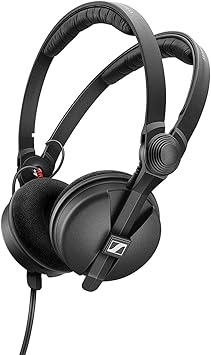
The Sennheiser HD 25 is a common reference point for that reason. Working DJs have used it for years because it is light, easy to carry, easy to repair, and built for repeated real-world use rather than showroom appeal. It is not the answer for every DJ, and that matters. Some people want a fuller low end, a larger earcup, or more comfort for long sessions. But the HD 25 has lasted as a benchmark because it gets the job done in tough environments.
Good DJ headphones do not improve your technique for you. They make it easier to hear clearly and make fewer avoidable mistakes.
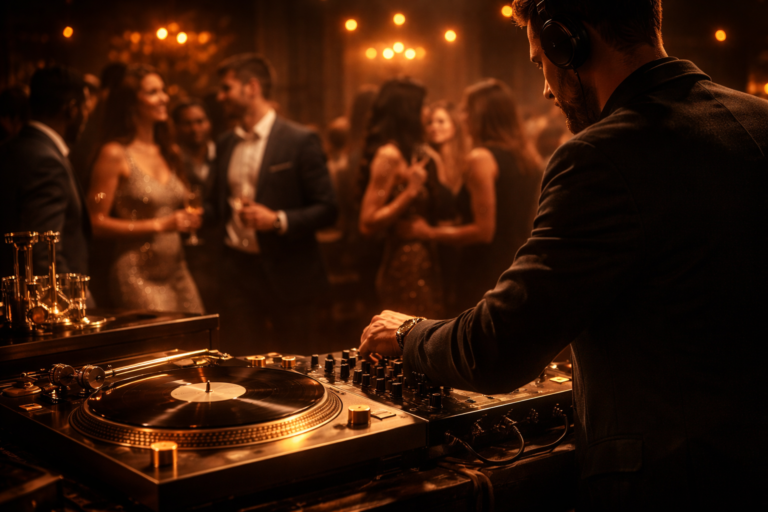
You can see the kind of environment this article is talking about in this DJ booth setup with tight space and high ambient noise. That is where headphone choices stop being theoretical.
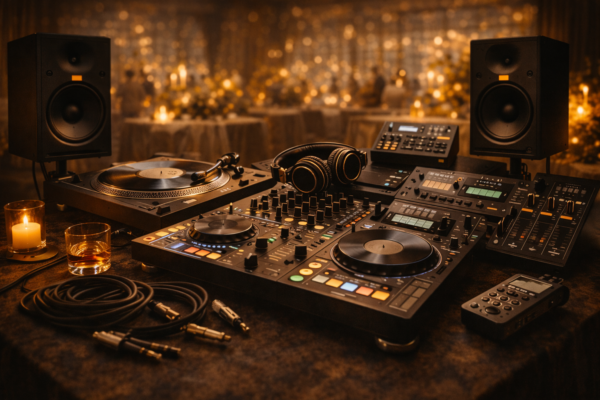
This article is not a top-10 shopping list. It is a practical way to judge any DJ headphone by the things that matter in use, whether you play sweaty club booths in London or polished wedding venues in Kent. Buy for the job in front of you, and the trade-offs become much clearer.
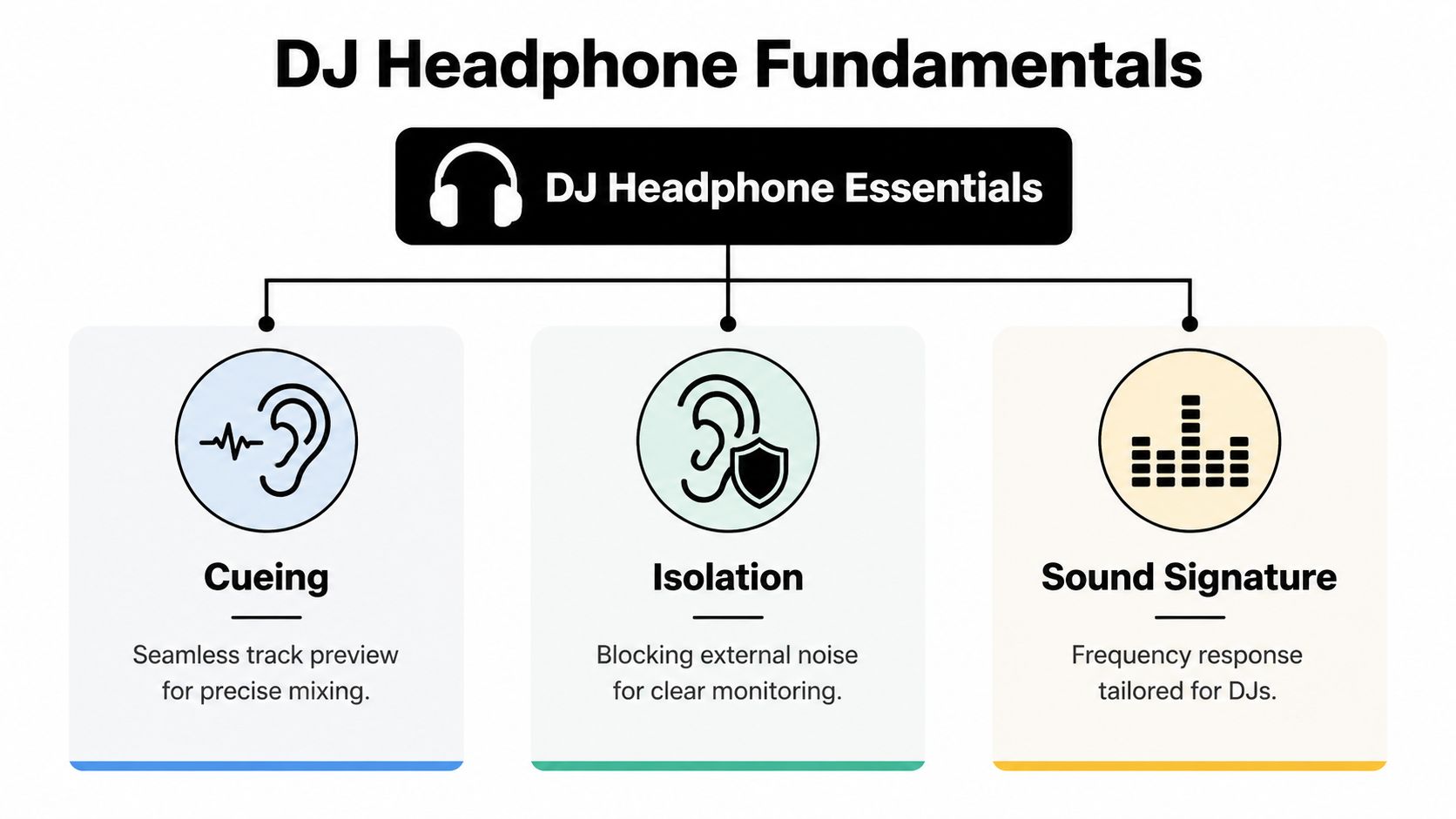
Understanding Cueing Isolation and Sound Signature
Cueing is private listening under pressure.
A chef tastes the sauce before it goes out. The dining room can be busy, but that spoonful has to tell the truth. For a DJ, the headphone cue is that spoonful. You’re checking timing, phrasing, bass alignment, vocal entry, and whether the incoming track will sit properly before the crowd hears it.
Isolation comes first
If a headphone can’t block enough outside sound, everything else becomes harder.
Closed-back DJ headphones exist for a reason. You need a controlled pocket of sound in the middle of a noisy room. Open-back models may feel airy at home, but they’re the wrong tool for a booth because they let the room in and your cue out. That’s fine for studio listening. It’s poor for beatmatching.
A concrete example helps. The Sennheiser HD 25 has a closed-back on-ear design that delivers up to 20 to 30 dB reduction in ambient booth levels, and in 100 to 110 dB SPL environments this lets DJs hear basslines and kick drums clearly enough for beatmatching within 0.1 BPM precision, according to DJ Tech Reviews’ guide to DJ headphones. That’s the kind of practical isolation DJs feel immediately.
Sound signature for DJ work
Consumer headphones often sound exciting. That isn’t always helpful.
A very hyped low end can make every track feel bigger than it is. A scooped midrange can hide vocals or percussion that matter for phrasing. Overly glossy highs can make a track seem clearer in the headphone than it will feel on the system. For DJing, you want a sound that helps you judge rhythm and structure quickly.
Three things usually matter most:
- Clear kick and bass definition so you can line up low-end energy without guessing.
- Usable mids so vocals, snares, and musical changes don’t disappear.
- Clean top end so hats and transients stay audible without becoming harsh.
That doesn’t mean perfectly flat is always ideal in a booth. It means the tuning should help you mix, not impress you on a casual playlist.
Practical rule: If a headphone makes every track sound “massive”, it may be flattering the music more than helping your decisions.
Loudness without turning into mush
DJ headphones need to play loud enough to cut through venue noise, but loudness alone isn’t the goal. Clarity at working volume is the goal.
The HD 25 is often praised for exactly that reason. Verified data lists 117.8 dB sensitivity at 1kHz, which is one reason it has a reputation for loud, clear cueing in busy environments. Beat-focused DJ work depends on being able to hear the transient edge of the kick and the timing of the snare, not just a blob of loud sound.
A quick framework helps when you’re comparing models:
| What you hear in the booth | What it usually means |
|---|---|
| Kick feels blurred | Poor isolation, weak low-end control, or both |
| Vocals vanish when the room gets loud | Midrange isn’t cutting through |
| You keep pushing headphone volume too high | The headphone may be inefficient, unclear, or badly sealed |
| Beatmatching feels easy but tiring | The tuning may be aggressive enough to help short-term, but fatiguing over time |
The short version is simple. For the best headphones for djs, start with closed-back isolation, then judge whether the sound helps you hear structure and timing, then check whether the headphone stays clear when the booth gets difficult.
Decoding Durability Comfort and Connectivity
You notice build quality at 1:30am, not in a product photo.
A DJ headphone earns its keep when the booth is cramped, the changeover is rushed, and the cable catches on a mixer corner as you pull one cup off your ear. Plenty of headphones sound passable at home. Far fewer survive months of that without becoming irritating, loose, or unreliable.
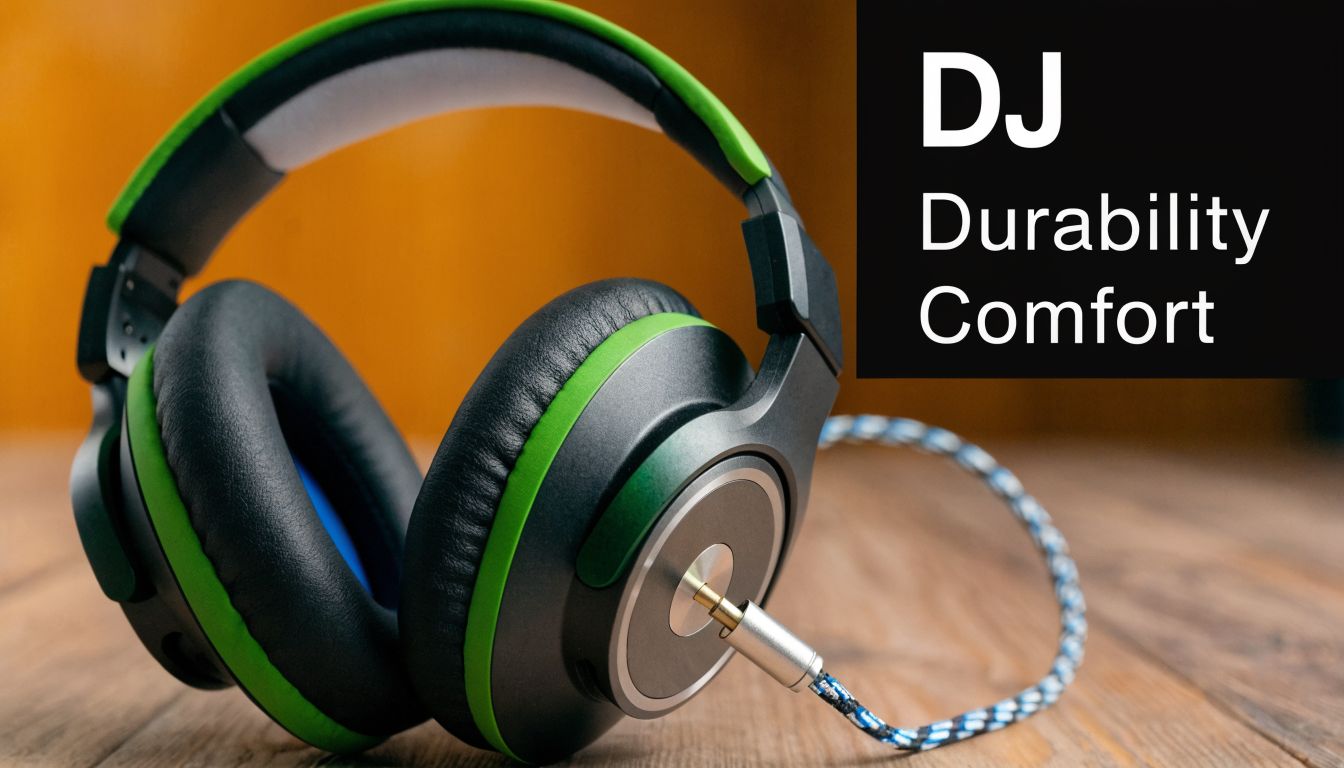
Durability is about what fails first
Ignore the language about premium finishes. Check the joints, the headband, and the cable connection.
Those are the parts DJs stress every week. One-ear monitoring twists the swivel again and again. Fast pack-downs put pressure on the headband. Cable strain happens every time you turn away from the mixer too quickly. If those areas already feel vague or creaky in your hands, they will not improve after a run of gigs.
Modular construction matters because it changes the cost of ownership. A worn pad or dead cable should be a ten-minute fix, not the end of the headphone. That is why models like the Sennheiser HD 25 have stayed in booths for years. You can keep them going with parts instead of replacing the whole lot.
Use a simple inspection checklist before you buy:
- Swivel mechanism should move with resistance, not wobble
- Cable connection should feel secure, and detachable is usually the better choice
- Headband flex should feel controlled, not brittle
- Ear pads and cables should be easy to replace without hunting through obscure suppliers
If you want a visual reference for gear that is built with event work in mind, this practical DJ setup image for mobile events shows the kind of real-world environment where weak hinges and fixed cables become a problem fast.

Comfort shows up after the first hour
Shop-floor comfort tests are unreliable. Five minutes on your head tells you almost nothing.
The critical question is how the headphone feels after repeated cueing, turning your head, lifting one cup, and wearing it through a full booking. That is where the on-ear versus over-ear choice becomes practical rather than personal.
On-ear models usually suit DJs who want speed and low bulk. They are lighter, easier to flip off one ear, and simpler to pack. Over-ear models often spread pressure better and can feel calmer over a longer stretch, but they take up more room, get warmer, and can feel slower if you constantly switch between one-ear and two-ear monitoring.
A practical comparison looks like this:
| Feature | On-ear DJ headphones | Over-ear DJ headphones |
|---|---|---|
| Portability | Easier to pack | Bulkier in a bag |
| One-ear cueing | Usually quicker | Can feel slower to reposition |
| Heat during long sets | Often cooler | Can get warm |
| Pressure | More direct on ear | More around ear |
| Isolation feel | Can be excellent if well designed | Often more naturally sealed |
Weight still matters, even without turning it into a numbers contest. Light headphones tend to disappear during a set. Heavier models can feel planted and secure, but you notice them more by the end of a long wedding, corporate booking, or all-night club set.
A simple test works well. Put the headphone on, turn your head left and right, lift one cup ten or fifteen times, and see if anything pinches, shifts, or heats up too quickly.
Connectivity affects your workflow every set
Connectivity sounds boring until it gets in your way.
For DJ use, the cable layout and earcup movement matter more than flashy wireless features or lifestyle extras. Most working DJs still want a wired connection because it is predictable, immediate, and one less thing to charge. The details decide whether the headphone fits your routine or keeps interrupting it.
A few features are worth checking closely:
- Swivel earcups make one-ear monitoring easier
- Detachable cables reduce the cost of common failures
- Coiled cables suit DJs who move around a lot and want less loose cable near faders and crossfaders
- Threaded or included adapters help if you switch between mixers, controllers, and different booth setups
Real trade-offs become apparent. A coiled cable gives you freedom to move, but it adds weight and can tug slightly on lighter headphones. A straight cable feels lighter, but excess slack can snag on gear. Large swivelling cups can be comfortable, but they also add bulk in a tight booth bag.
The same goes for earcup design. Some hinges look slick online and feel uncertain in the hand. Some shallow cups feel fine for casual listening but lose their seal as soon as you move. In DJ use, those small annoyances keep repeating until they become the reason you stop taking that pair to gigs.
The right way to judge durability, comfort, and connectivity is simple. Treat them as working features, not lifestyle features. You are not buying headphones for a spec sheet. You are choosing a tool that has to hold up in the booth, in transit, and halfway through a long night when you do not have time to fight your gear.
Matching Headphones to Your DJing Style
The right pair depends on where and how you play.
A club DJ fighting booth spill has different priorities from a wedding DJ working all day, and both have different needs from someone splitting time between home production and occasional gigs. That’s why broad “best overall” advice only gets you so far.
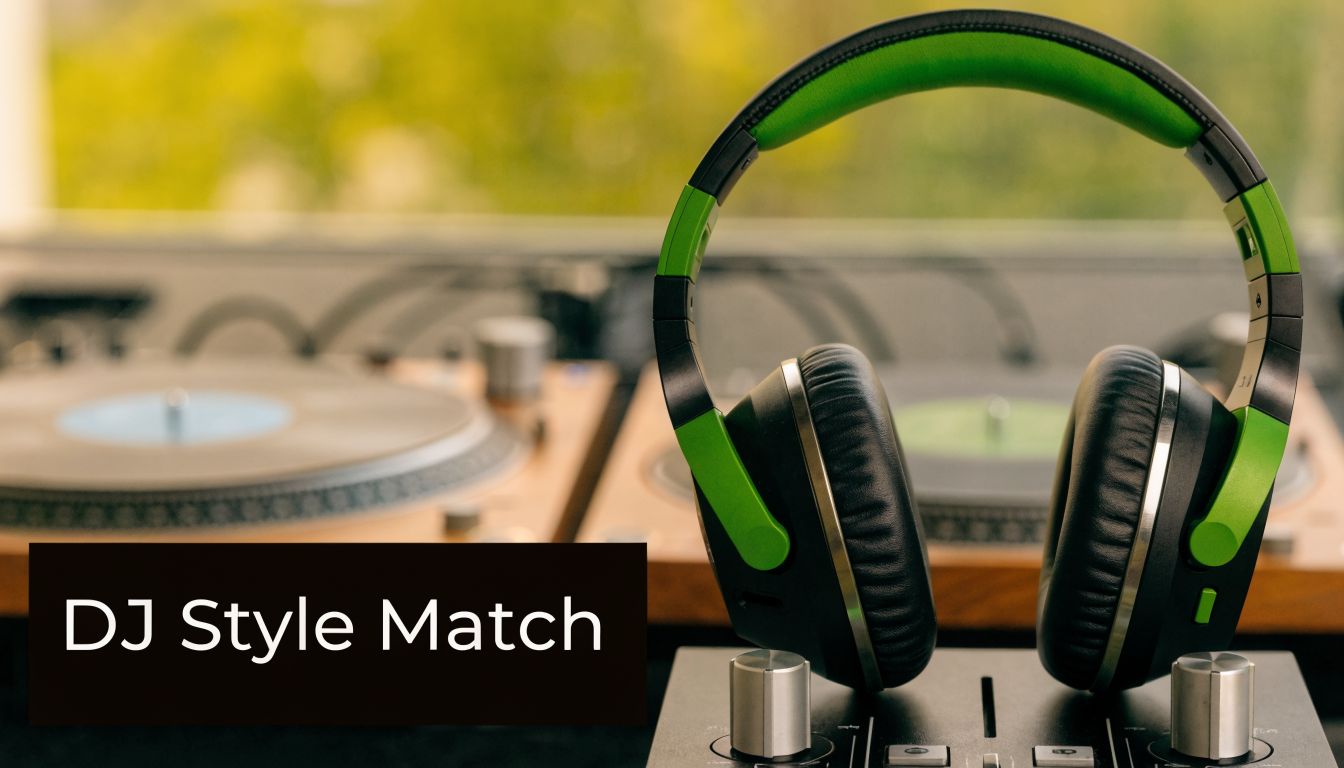
The club and festival DJ
If you play in loud rooms, your priorities should be ruthless. Isolation first. Durability second. Comfort third.
Compact, hard-wearing DJ headphones often win. The reason so many working DJs still trust the HD 25 is simple. It stays out of the way, isolates well for its size, and survives the kind of use that destroys lifestyle headphones.
For this type of DJ, the wrong choice is usually easy to spot:
- Too polished for home listening and not durable enough for the booth
- Weak clamp or poor seal, which lets room noise swamp the cue
- No replaceable parts, which turns one break into a full replacement
If your sets are energetic and your transitions are fast, you want a headphone that disappears into the workflow. You don’t want to think about it.
The mobile and wedding DJ
Mobile work is less about surviving one brutal booth and more about handling a whole event day properly.
That means setup, soundcheck, speeches, background music, transitions between rooms, then a dancefloor set that might run for hours. Your headphones need to be comfortable, tidy to carry, and professional enough in appearance that they don’t look like gaming kit brought from home.
For this type of work, some DJs prefer larger over-ear models because they feel easier over longer sessions. Verified data gives a good example with the Pioneer DJ HDJ-X10. For DJs working noisy London halls, its 50mm drivers and plush ear pads reduce external bleed by 25 to 35 dB in 105 dB SPL environments, which supports focus and comfort during 8-hour sessions, according to Digital DJ Tips’ DJ headphone guide.
That sort of headphone makes sense if your events are long and your cueing style is less frantic than a club resident’s. The trade-off is bulk. You get more ear coverage, but you carry more headphone.
A lot of event DJs also care about the overall look of the setup. If you’re working elegant venues, neat cabling and gear that doesn’t look battered matters. This event visual reference captures that side of the job well.

The producer who also DJs
If you make music and DJ with the same headphones, be honest about compromise.
Studio-friendly headphones can be useful because they may give you a more balanced picture for editing and arrangement work. But some of them lack the swivel design, clamp, and ruggedness that booth life demands. They can sound respectable yet still be awkward to cue with one ear.
For hybrid use, ask yourself one question. When the needs conflict, which side matters more?
- If gig reliability matters more, buy DJ headphones first.
- If production detail matters more and gigs are occasional, a studio-leaning option may be acceptable.
- If both matter equally, expect compromise and prioritise detachable cables and practical cup movement.
This is also where many DJs learn that “one pair for everything” is rarely perfect.
A short demo can help you think about fit, cueing habits, and headphone use in real performance:
The travelling or bedroom DJ
If you’re learning at home, travelling to practice sessions, or carrying a compact controller around, portability matters more than prestige.
You still need proper DJ features. But you may be willing to accept slightly less plush comfort or a less tank-like build if the headphone folds neatly, travels well, and gives you a clean enough cue signal to improve your timing.
The common mistake here is buying something cheap that isn’t designed for DJ use. That usually means poor swivels, fixed cables, and tuning that sounds entertaining but doesn’t help your transitions. Better to buy a simpler DJ-focused model than a flashy general-purpose headphone with the wrong ergonomics.
Buy for your main environment, not your fantasy booking. Most DJs don’t need a giant over-ear flagship if they mainly practise at home and do occasional private events.
How Much Should You Spend on DJ Headphones
You feel the difference in a budget decision halfway through a set, not on the product page.
A cheap pair can seem fine in the bedroom, then start costing you money once the cable cuts out during a wedding, the pads crack after a few months in a flight case, or the hinge loosens from constant one-ear cueing. Good DJ headphones are a buying decision where total cost matters more than the ticket price.
Entry level spending
At the low end, the job is simple. You need a pair that lets you cue accurately, survives being thrown in a bag, and does not fight you every time you pull one cup off.
That usually means accepting some clear compromises. The plastics may feel lighter. The pads may flatten sooner. The swivel may have a bit of play. For home practice, occasional house parties, or backup use, that can be perfectly reasonable.
What still needs to be right:
- A stable fit that keeps its seal
- Fast one-ear handling
- A cable you can replace
- Tuning that keeps kicks, snares, and cue details easy to pick out
If a cheaper model misses those basics, it is not good value. It is just cheap.
The professional standard range
This is the bracket I point most working DJs towards.
You start seeing the models built for repeated use rather than first-time buyers. The headband and hinges usually hold up better. Spare pads and cables are easier to get. The sound is often less hyped and more useful for actual mixing, especially in noisy rooms where you need the cue to cut through fast.
For regular gigs, this range tends to make the most sense. It is where you get the best balance of reliability, comfort, repairability, and performance without paying extra for features that do not help you mix better.
Premium spending
Higher prices can be justified, but only if the benefits match the way you work.
Long corporate sets, all-day wedding work, and mobile gigs can make better padding and lower clamping fatigue worth paying for. Some DJs also want premium materials or a more refined fold and cable system because the headphones are in use for hours every week. Those are fair reasons.
Paying more does not automatically get you a better DJ tool. In plenty of club booths, a proven mid-priced on-ear pair will outperform a bulkier premium model that sounds lovely in a quiet room but feels awkward during fast cueing.
A practical way to frame it:
| Budget approach | What you’re really paying for |
|---|---|
| Lower spend | Core function, shorter lifespan, clearer compromises |
| Mid-range workhorse | The safest choice for regular gigs and repeat use |
| Premium | Better comfort, nicer materials, and feature extras that may or may not matter to your setup |
The UK cost people forget
UK buyers also need to watch the actual landed cost, not just the headline number.
Import VAT, shipping, returns, and warranty friction can turn an apparent bargain into a hassle. MusicRadar has noted that UK DJs can get caught out by added buying costs on overseas headphone orders in its discussion of DJ headphones and UK buying context. That is reason enough to compare the final price, the return process, and the availability of spare parts before ordering from abroad.
A £30 saving disappears quickly if a replacement cable takes weeks to arrive, or if a warranty claim means shipping the headphones back overseas at your expense.
Real World Testing and Making Your Gear Last
The quickest way to waste money is testing headphones with the wrong habits.
A lot of people put on a familiar track, listen for ten seconds, decide the bass sounds nice, and call it done. That tells you very little about whether the headphone works for DJing. Test them like you’ll use them.
How to test properly
Take tracks you know inside out. Use something with a clear kick, a vocal entry you can recognise instantly, and a section with hats or claps that reveal harshness.
Then run through this checklist:
- Seal and fit. Put them on normally, then move your head. If the seal changes easily, isolation will too.
- One-ear cueing. Flip one cup off and back on several times. If it feels clumsy in a quiet shop, it’ll feel worse in a booth.
- Low-end definition. Listen for whether the kick is tight or smeared.
- Mid clarity. Make sure vocal cues and snare placement stay easy to hear.
- Cable behaviour. Twist, lift, and move as if you’re reaching across a mixer.
If you can test them in a noisier setting, even better. Some headphones only reveal their weaknesses when outside sound competes with the cue.
Don’t ask whether the headphone sounds “nice”. Ask whether it helps you make quicker, cleaner decisions.
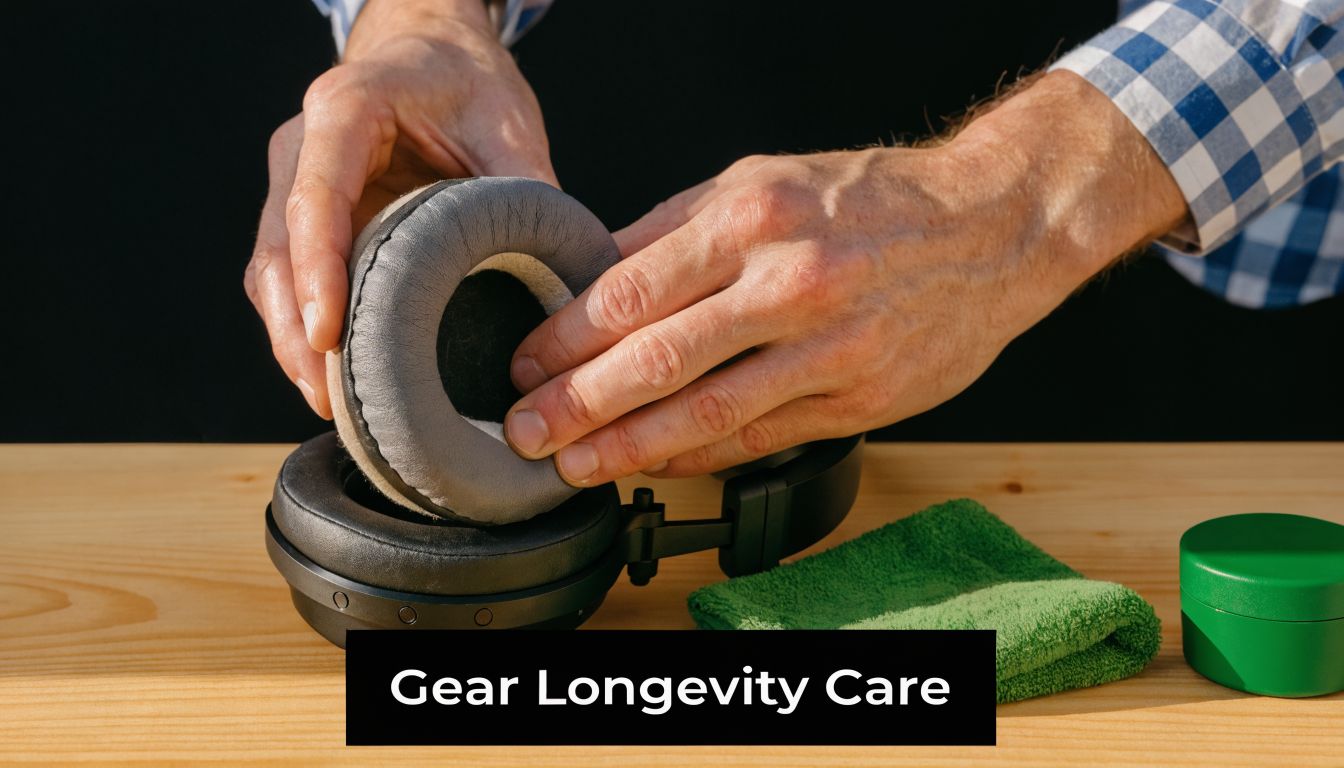
Basic maintenance that saves money
Most DJ headphones don’t die from age. They die from neglect.
A few habits go a long way:
- Wipe ear pads after gigs so sweat and grime don’t break them down as fast.
- Check the cable ends for strain, twisting, or intermittent signal.
- Store them properly instead of crushing them under heavier gear.
- Replace wear parts early if the model allows it, especially pads and cables.
If a pair is modular, use that advantage. Fresh pads can restore seal and comfort. A fresh cable can stop cut-outs before they embarrass you mid-set. That’s one reason long-standing pro models remain popular. They’re maintainable, not disposable.
Choosing Your Perfect DJ Partner
The best headphones for djs aren’t universal. They’re contextual.
If you mainly play loud clubs, prioritise isolation, output, and a build that survives rough use. If you work weddings and private events, comfort over long hours and tidy workflow matter more. If you produce as well as DJ, be honest about whether you need booth-first practicality or broader listening accuracy.
That decision gets easier when you filter every model through the same four questions. Can it isolate? Can it survive gig use? Can you wear it for the length of your work? Does the sound help you cue, not just entertain you?
Your wider kit matters too. If you’re refining your setup beyond headphones, it also helps to look at practical resources on high-speed USB options for DJs, because reliable playback media and reliable monitoring usually go hand in hand.
The right headphone should feel like a working partner, not a compromise you tolerate. If you’re comparing proven DJ models and want a clear buying route, this VinylGold brand reference is a useful starting point for the kind of gear-first mindset that values reliability over hype.

Your DJ Headphone Questions Answered
Can I use gaming headphones for DJing
You can. It usually isn’t a good long-term choice.
Gaming headphones often prioritise comfort, styling, microphones, and cinematic sound. DJing asks for different things. You need quick one-ear monitoring, solid isolation, durable hinges, and a cable setup that won’t become a nuisance in the booth. Gaming models also tend to be bulkier in awkward ways, and many don’t feel built for repeated swivel movement or rough transport.
For home practice, they may get you by. For paid work, proper DJ headphones make life easier.
Are studio headphones good enough for gigs
Sometimes, but with caveats.
Studio headphones can be useful if you like a more balanced presentation and you spend serious time producing. The problem is that many of them aren’t built around DJ ergonomics. They may not swivel well, they may not isolate enough in louder spaces, and they may not hold up physically if you’re gigging often.
If you play out occasionally, a studio pair can be workable. If you DJ regularly, choose with booth use in mind first.
Should DJs buy on-ear or over-ear
Neither is automatically better. They solve different problems.
On-ear usually suits DJs who want lighter weight, smaller size, and fast one-ear cueing. Over-ear usually suits DJs who want a larger fit and more relaxed wear across long sessions. The right answer depends on your venue type, how you monitor, and whether you value portability or plush comfort more.
A lot of club DJs still prefer compact on-ear models. A lot of mobile DJs prefer over-ear comfort. Both choices can be correct.
Are wireless DJ headphones ready yet
Wireless DJ headphones are improving, but wired remains the safer standard for most professional use.
A real concern in London and other dense urban areas is RF congestion. Verified data notes that Ofcom recorded a 28% increase in 2.4GHz and 5GHz congestion in dense urban South East England, which raises the risk of interference during critical transitions, according to DJ Studio’s discussion of DJ headphones and wireless reliability. That’s why many working club and wedding DJs still trust wired connections when precision matters most.
If you’re experimenting with wireless, treat it as venue-dependent rather than universally dependable.
When should I replace my DJ headphones
Replace them when they stop being trustworthy.
That might mean intermittent audio, a failing cable, worn pads that ruin the seal, a loose swivel, or a headband that no longer fits properly. Some issues are repair issues, not replacement issues. If the model has modular parts, a cable or pad swap may bring it back to life.
Retire them fully when the core structure becomes unreliable. Once you start wondering whether the headphone will make it through the booking, it’s already becoming a problem.
If you’re weighing up DJ headphones, event-ready gear, or a full setup that prioritises durability and clean sound, VinylGold is a practical place to continue the search. The focus is on proven equipment and real-world use, whether you’re building a booth kit, planning a wedding setup, or replacing headphones that have finally done their time.