
Few bands define a movement as clearly as The Selecter defined 2 Tone ska. Emerging from Coventry, The Selecter fused Jamaican rhythms with punk urgency. As a result, they helped shape one of the most important British music movements. While many peers faded, The Selecter continues to evolve and challenge audiences. Their music reflects social issues, identity, and culture with sharp clarity.
Moreover, The Selecter stands out for consistency and purpose across decades. From early hits to modern releases, they remain vital and relevant. Therefore, this guide explores every major album era and explains why The Selecter still matters today.
Who is the lead singer of The Selecter?
The Selecter is fronted by Pauline Black, one of the most iconic voices in ska history. Her commanding presence defines the band’s identity. Alongside her, the late Arthur ‘Gaps’ Hendrickson brought energy and charisma to early releases. Together, they created a distinctive vocal dynamic.
What was The Selecter’s biggest hit?
The Selecter achieved major success with “On My Radio,” which became a defining 2 Tone anthem. Additionally, “Three Minute Hero” gained strong chart performance and cultural impact. Both tracks highlight The Selecter’s blend of catchy hooks and social commentary.
Are The Selecter still together?
Yes, The Selecter remains active and continues to tour. In fact, their 2023 album Human Algebra shows they still produce relevant music. Furthermore, The Selecter regularly performs across the UK and beyond.
What is 2 Tone ska?
2 Tone ska blends Jamaican ska and reggae with British punk and new wave. As a result, the genre carries both rhythmic energy and political meaning. The Selecter played a key role in shaping this sound.
What does “The Selecter” mean?
The term comes from Jamaican sound system culture. A “selector” chooses and plays records for a crowd. Therefore, The Selecter reflects both musical control and cultural roots.
The Albums
The Classic Era
Too Much Pressure (1980)
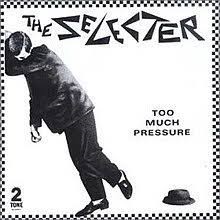
The Selecter launched their career with Too Much Pressure, a defining 2 Tone release. From the start, The Selecter delivered sharp rhythms and urgent themes. Consequently, the album captured the tension of late 1970s Britain.
Moreover, The Selecter balanced accessibility with strong political messaging throughout the record. Songs like “Three Minute Hero” highlight working-class struggles with direct lyrics. Meanwhile, “Everyday” adds melodic contrast without losing momentum.
The production keeps a raw edge, which strengthens the album’s authenticity. In addition, Pauline Black’s vocals drive every track with clarity and confidence. The Selecter also benefits from tight instrumentation that blends ska, punk, and reggae seamlessly.
Although many debut albums feel uneven, this release maintains focus from start to finish. Therefore, Too Much Pressure stands as a cornerstone of The Selecter’s catalogue. It also remains essential listening for fans of British ska.
Even today, the album resonates due to its honesty and energy. As a result, The Selecter secured a lasting place in music history with this debut.
Celebrate the Bullet (1981)
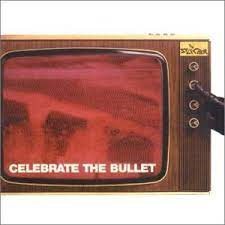
With Celebrate the Bullet, The Selecter took a darker and more experimental direction. While expectations were high, The Selecter chose to challenge listeners instead of repeating past success.
From the opening moments, the album presents a heavier tone and sharper lyrical focus. Consequently, themes of political unrest and social tension dominate the record. Tracks like “Celebrate the Bullet” reflect this urgency clearly.
Additionally, The Selecter expanded their sound by incorporating post-punk influences. This shift created a more complex listening experience compared to their debut. However, some fans initially struggled with the change in direction.
Despite mixed reactions at release, critics later praised its ambition and depth. Therefore, Celebrate the Bullet now holds an important place in The Selecter’s discography. It shows the band’s willingness to evolve under pressure.
Over time, the album gained recognition as a bold artistic statement. As a result, The Selecter proved they were more than a singles-driven band.
The 90s & Early 2000s (The Ska Revival Years)
The Happy Album (1994)
After a long hiatus, The Selecter returned with The Happy Album in 1994. Although the music scene had changed, The Selecter adapted without losing identity.
From the outset, the album embraces a cleaner production style. However, it still retains the rhythmic core that defines The Selecter. Songs like “Missing Words” highlight this balance effectively.
Furthermore, Pauline Black’s vocals remain a central strength throughout the album. Her delivery feels confident, which reinforces The Selecter’s renewed direction. Meanwhile, the band incorporates modern elements without sounding forced.
The album reflects the 1990s ska revival, yet it avoids nostalgia traps. Instead, The Selecter focuses on forward momentum and relevance. Consequently, the record feels both familiar and fresh.
Although it did not reach mainstream heights, it marked a successful return. Therefore, The Happy Album reintroduced The Selecter to a new generation.
Pucker! (1995)
Pucker! continued The Selecter’s comeback with a stronger push into international markets. Released in the US as Hairspray, The Selecter aimed to expand their audience.
Musically, the album leans into a polished and upbeat sound. As a result, it feels more accessible than earlier releases. Tracks like “Hairspray” showcase this lighter approach.
However, The Selecter still includes meaningful themes beneath the surface. This balance allows the album to appeal broadly without losing depth. Additionally, the production highlights tighter arrangements and cleaner mixes.
While some longtime fans preferred earlier rawness, the album found new listeners. Therefore, Pucker! plays an important role in The Selecter’s evolution.
Ultimately, the record demonstrates adaptability during a changing music landscape. Consequently, The Selecter maintained relevance through smart stylistic choices.
Cruel Britannia (1999)
With Cruel Britannia, The Selecter responded directly to late 1990s British culture. While “Cool Britannia” dominated headlines, The Selecter offered a critical perspective.
From the beginning, the album blends satire with sharp commentary. As a result, it stands out as one of The Selecter’s most pointed releases. Tracks like “Better Must Come” reflect this tone clearly.
Moreover, the band integrates modern production while keeping their ska foundation intact. This approach allows The Selecter to stay current without losing identity.
The album also benefits from confident song writing and cohesive structure. Therefore, it feels focused and purposeful throughout. Critics praised its honesty and relevance at the time.
In hindsight, Cruel Britannia captures a specific cultural moment effectively. Consequently, The Selecter reinforced their role as social commentators.
The Trojan Songbook Vol 1–3 (1999–2001)
The Selecter celebrated their influences with The Trojan Songbook series. Across three volumes, The Selecter reinterpreted classic reggae and ska tracks.
Importantly, songs like “Pressure Drop,” “Carry Go Bring Come,” and “Israelites” highlight their respect for the genre’s roots. Each volume offers a slightly different tone while maintaining consistency.
Furthermore, The Selecter approaches these covers with authenticity rather than imitation. Their versions feel fresh while honouring original recordings.
The project also allowed The Selecter to reconnect with traditional ska audiences. At the same time, it introduced classic tracks to newer listeners.
Although these albums differ from original material, they remain significant. Therefore, the series strengthens The Selecter’s connection to ska heritage.
Kingston Affair (2000)
Kingston Affair marked a collaboration between The Selecter and Dave Barker. This project allowed The Selecter to explore deeper reggae influences.
From the start, the album embraces a laid-back and groove-focused style. Consequently, it differs from the band’s more urgent earlier work.
Additionally, Dave Barker’s contributions add authenticity and variety. His presence complements Pauline Black’s vocals effectively.
The album highlights The Selecter’s versatility across genres. While still rooted in ska, it leans more toward reggae traditions.
Although it remains a lesser-known release, it offers strong musical moments. Therefore, Kingston Affair adds depth to The Selecter’s catalogue.
The Modern Renaissance (The Vocaphone Era)
Made in Britain (2011)
With Made in Britain, The Selecter returned with renewed purpose and clarity. After years away, The Selecter delivered one of their strongest modern albums.
The record tackles themes of identity and multicultural Britain. As a result, it feels highly relevant and grounded in real experiences.
Moreover, the production strikes a balance between classic and modern elements. This approach allows The Selecter to appeal across generations.
Tracks like “Back to Black” demonstrate sharp song writing and confident delivery. Pauline Black’s vocals remain powerful and direct throughout.
Critics praised the album for its focus and message. Therefore, Made in Britain stands as a key turning point. It re-established The Selecter as an active creative force.
String Theory (2013)
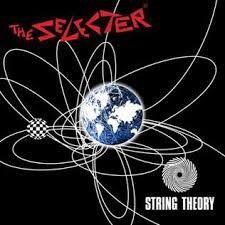
String Theory builds on the momentum of their previous release. With this album, The Selecter proves their continued relevance.
From the outset, the record combines strong melodies with thoughtful themes. Consequently, it appeals to both long time fans and new listeners.
The Selecter also experiments with arrangements while keeping their core sound intact. This balance ensures consistency without repetition.
Additionally, the song writing feels mature and confident throughout the album. Therefore, String Theory strengthens The Selecter’s modern identity.
Overall, the record confirms their status as more than a legacy act.
Subculture (2015)
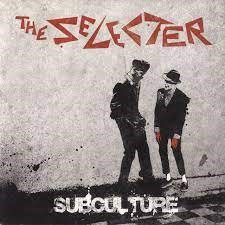
With Subculture, The Selecter refined their modern sound further. Mixed by Prince Fatty, the album delivers a polished dub-influenced production.
As a result, the sound feels rich and layered without losing clarity. The Selecter combines traditional ska rhythms with modern studio techniques.
Moreover, the album addresses social and political themes with precision. Pauline Black’s vocals guide each track with authority.
The Selecter also benefits from strong cohesion across the record. Therefore, Subculture stands as one of their most complete modern releases.
It successfully bridges past and present while maintaining authenticity.
Daylight (2017)
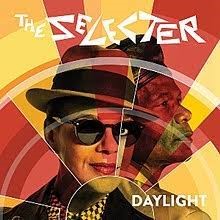
Daylight continues The Selecter’s focus on urgent social commentary. From the beginning, the album addresses contemporary issues directly.
The Selecter combines energetic rhythms with serious themes effectively. As a result, the music remains engaging and meaningful.
Additionally, the production feels sharp and immediate throughout. This approach reinforces the album’s message.
Pauline Black delivers standout vocal performances across the record. Therefore, Daylight maintains The Selecter’s high modern standards.
It proves their ability to stay relevant in changing times.
Human Algebra (2023)
With Human Algebra, The Selecter tackles modern challenges head-on. The album explores topics like knife crime and digital culture.
From the outset, the tone feels direct and uncompromising. Consequently, the record reflects current social realities clearly.
The Selecter blends classic ska elements with modern production techniques. This combination ensures both familiarity and freshness.
Additionally, the song writing remains focused and purposeful throughout. Therefore, Human Algebra stands as a strong recent release.
It confirms that The Selecter continues to evolve while staying true to their roots.
The Selecter’s journey reflects resilience, creativity, and cultural importance. From Coventry beginnings to global influence, The Selecter shaped the 2 Tone movement.
Moreover, their music continues to address real-world issues with clarity and purpose. While trends change, The Selecter remains consistent in message and sound.
Therefore, their legacy extends beyond nostalgia into ongoing relevance. If you explore ska music, you cannot ignore The Selecter.