
The Complete Album Guide to Motown’s Greatest Group
Few names in popular music carry the weight of The Temptations. Over six decades, they have shaped soul, funk, R&B, and pop, outlasting trends and tragedies alike. Their story is one of extraordinary talent, constant reinvention, and an unbreakable legacy. From the polished harmonies of early Motown to the raw experimentation of psychedelic soul, The Temptations have never stopped evolving. This guide covers every studio album, the men behind the music, and the cultural moments that made them legends.
Essential Questions About The Temptations
Who were the “Classic Five” members? The most celebrated line-up of The Temptations consisted of Otis Williams, Melvin Franklin, Eddie Kendricks, Paul Williams, and David Ruffin. Each brought a distinct vocal character. Ruffin’s gritty tenor anchored anthems like “My Girl,” while Kendricks delivered the falsetto that defined the group’s sweeter side. Franklin provided a thunderous bass, Paul Williams shaped the choreography, and Otis Williams held the group together as its organisational backbone. This line-up recorded the group’s most iconic material between 1964 and 1968, and music historians widely regard them as the definitive Temptations configuration.
How many albums did The Temptations release? The Temptations have released over 40 studio albums, alongside numerous live records, collaborative projects, and compilation releases. Their output spans more than six decades, making them one of the most consistently prolific acts in soul and R&B history. From their 1964 debut through to Temptations 60 in 2022, the group has never stopped recording. Their catalogue covers traditional Motown pop, psychedelic soul, hard funk, new jack swing, and contemporary R&B, reflecting every major shift in Black American music along the way.
Is any original member of The Temptations still alive? As of 2026, Otis Williams remains the sole surviving original member of The Temptations. He has outlasted every co-founder and guided the group through dozens of line-up changes since the 1960s. Williams has described his mission as preserving the group’s name, standards, and legacy for future generations. His perseverance is remarkable given the personal losses he has endured, including the deaths of David Ruffin, Eddie Kendricks, Paul Williams, and Melvin Franklin over the decades.
What was The Temptations’ first #1 hit? The Temptations scored their first number one single with “My Girl” in 1965. Written and produced by Smokey Robinson and Ronald White, the song showcased David Ruffin’s lead vocals at their most tender and commanding. It reached the top of both the pop and R&B charts, cementing the group’s status as Motown’s premier male act. “My Girl” remains one of the most recognised songs in American popular music and continues to appear in films, television, and advertising more than sixty years after its release.
What is “Psychedelic Soul”? Psychedelic Soul is a genre that The Temptations helped pioneer in the late 1960s, largely under the direction of producer Norman Whitfield. Whitfield pushed the group away from polished Motown pop and towards harder, more experimental sounds. He incorporated wah-wah guitars, extended instrumental passages, socially conscious lyrics, and studio effects drawn from rock and funk. The landmark track “Cloud Nine” (1968) marked the turning point. Subsequently, albums like Puzzle People and Psychedelic Shack expanded the sound further. Psychedelic Soul influenced generations of funk and soul artists and stands as one of Motown’s most adventurous chapters.







The 1960s: The Golden Era & Psychedelic Soul
| Album | Year | Key Highlight |
|---|---|---|
| Meet The Temptations | 1964 | Debut album |
| The Temptations Sing Smokey | 1965 | Smokey Robinson collaborations |
| The Temptin’ Temptations | 1965 | Features “My Girl” |
| Gettin’ Ready | 1966 | Transition to harder soul |
| With a Lot o’ Soul | 1967 | Commercial peak |
| In a Mellow Mood | 1967 | Standards and ballads |
| Wish It Would Rain | 1968 | Final classic-era LP |
| Join The Supremes | 1968 | Motown collaboration |
| Cloud Nine | 1969 | Psychedelic Soul begins |
| Together | 1969 | Second Supremes collab |
| Puzzle People | 1969 | Psychedelic Soul expands |
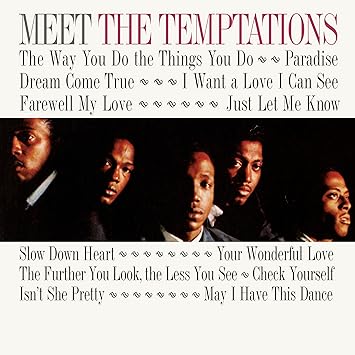
Meet The Temptations (1964)
Meet The Temptations introduced the world to one of Motown’s most thrilling new acts. The album arrived during a golden moment for the Detroit label, and The Temptations delivered a debut that bristled with energy and vocal chemistry. Berry Gordy’s production team shaped the record’s sound, favouring tight arrangements and call-and-response harmonies. Tracks like “The Way You Do the Things You Do” showcased the group’s ability to blend individual voices into something joyful and unified. Additionally, the album established the template that Motown would refine across their next several releases. While it does not yet capture the full emotional range The Temptations would later explore, it remains essential listening. This debut also marked the beginning of a partnership with Smokey Robinson that would soon yield extraordinary results. Overall, Meet The Temptations is a confident, charismatic opening statement from a group already aware of its own potential.
The Temptations Sing Smokey (1965)

By 1965, The Temptations had forged a creative bond with Smokey Robinson that yielded some of the most elegant soul recordings of the decade. Sing Smokey drew entirely from Robinson’s song writing catalogue, giving the album a distinctive warmth and lyrical sophistication. Furthermore, the record highlighted the vocal range within the group, rotating lead duties between Kendricks, Ruffin, and Paul Williams. Robinson’s gift for melody translated beautifully across each track. Notably, the album demonstrated that The Temptations could inhabit someone else’s artistic vision while remaining utterly themselves. The production stays crisp and understated, allowing the voices to carry every arrangement. Sing Smokey sits alongside the finest Motown collaborations of the era. As a result, it stands as both a tribute to Robinson’s talent and proof of the group’s interpretive brilliance. For fans exploring the classic period, this album rewards close listening.
The Temptin’ Temptations (1965)
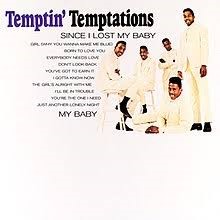
The Temptin’ Temptations arrived with a momentum that few groups could sustain. Most importantly, this album contains “My Girl,” the song that changed everything. David Ruffin’s lead vocal turned a beautifully simple melody into something deeply moving. Moreover, the record showed The Temptations broadening their emotional palette, balancing exuberant uptempo tracks with genuinely affecting ballads. Smokey Robinson’s production remained central, but the group’s personality now pushed through more assertively. Consequently, the album felt less like a Motown product and more like a statement of individual artistic identity. The interplay between Ruffin’s rough-edged tenor and Kendricks’s soaring falsetto gave the album a dynamic contrast that kept listeners engaged. In addition, the rhythmic arrangements felt tighter and more confident than earlier work. The Temptin’ Temptations is the record that transformed the group from a successful act into genuine stars.
Gettin’ Ready (1966)
Gettin’ Ready marked a subtle but important shift in the direction of The Temptations. While the group retained the polished Motown aesthetic, the arrangements felt bolder and the subject matter slightly more urgent. Norman Whitfield began contributing production work here, introducing a harder edge that would define later records. Furthermore, the album featured standout moments like “Ain’t Too Proud to Beg,” one of the group’s most viscerally exciting singles. David Ruffin’s rawness on that track suggested that The Temptations were capable of grit alongside their usual elegance. Transitioning between styles within a single album was a challenge many groups failed, yet the group managed it with ease. The combination of Robinson’s polish and Whitfield’s hunger gave Gettin’ Ready a productive creative tension. As a result, this album functions as an important bridge between the classic early period and the more experimental work ahead.
The Temptations with a Lot o’ Soul (1967)
By 1967, The Temptations had reached a commercial and artistic peak. With a Lot o’ Soul reflected their confidence, featuring tightly constructed tracks that balanced pop accessibility with genuine emotional depth. Norman Whitfield’s growing influence shaped the harder, more rhythmically driven moments, while the group’s vocal interplay remained as compelling as ever. Additionally, the album produced strong singles that performed well on both the pop and R&B charts. The Temptations demonstrated here that they could appeal to multiple audiences simultaneously. The production feels rich without becoming cluttered, and each vocalist gets room to breathe. Consequently, the record sounds cohesive despite the range of moods it covers. With a Lot o’ Soul is often overshadowed by the more celebrated psychedelic albums that followed. However, it deserves recognition as one of the group’s strongest straight-soul efforts and a key document of Motown at its commercial height.
The Temptations in a Mellow Mood (1967)
In a Mellow Mood represented an unusual departure for The Temptations. Rather than original Motown material, the album featured interpretations of pop standards and show tunes. Motown released it partly to extend the group’s appeal to older, mainstream audiences. Furthermore, the lush orchestral arrangements gave the record a sophisticated, almost cinematic quality. The Temptations approached the material respectfully, and the vocals throughout remain warm and controlled. However, the album sits somewhat apart from the group’s most defining work. It lacks the urgency that made their best recordings so exciting. Nevertheless, In a Mellow Mood has its charms, particularly in the moments where Eddie Kendricks’s falsetto floats above the strings with effortless grace. As a curiosity within the catalogue, it rewards fans willing to explore beyond the obvious classics. Overall, it reveals the group’s versatility while also confirming that their greatest strengths lay elsewhere.
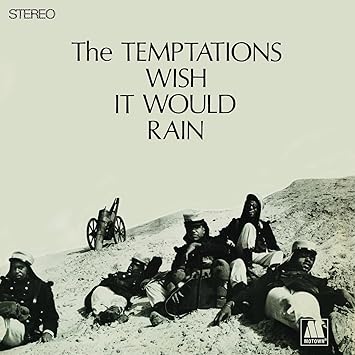
The Temptations Wish It Would Rain (1968)
Wish It Would Rain closed the classic Ruffin-era chapter of The Temptations with extraordinary emotional power. The title track remains one of the most affecting recordings in the entire Motown catalogue. David Ruffin’s vocal performance, aching and raw, captured a depth of feeling that few singers have matched. Moreover, the album balanced that heartbreak with moments of rhythmic vitality. Norman Whitfield continued pushing the production toward harder territory, and the results felt increasingly urgent. The Temptations were clearly in transition here, with Whitfield’s vision beginning to overtake the earlier Robinson blueprint. Consequently, Wish It Would Rain functions as both a culmination and a preview. While Cloud Nine would soon pivot toward psychedelic experimentation, Wish It Would Rain was more traditional soul — yet it delivered that tradition at its absolute peak. This album rewards anyone who wants to understand what made the classic line-up so extraordinary.
Diana Ross & the Supremes Join The Temptations (1968)
This collaborative album brought together Motown’s two biggest acts in a project that felt celebratory rather than gimmicky. The Temptations and the Supremes shared an easy chemistry, and the production team made the most of the combined vocal resources. Furthermore, the record gave both groups a commercial platform that neither could have achieved alone at that moment. Hits like “I’m Gonna Make You Love Me” became genuine crossover successes. The album worked because The Temptations never subordinated their identity to the collaboration. Instead, they traded leads generously, creating a dialogue between the two groups rather than a simple union. Additionally, the arrangements remained dynamic, preventing the record from feeling like a novelty project. As a document of Motown in its imperial phase, this album captures something genuinely joyful. It demonstrated that Motown’s greatest strength was the depth of talent it had assembled in a single decade.
Cloud Nine (1969)
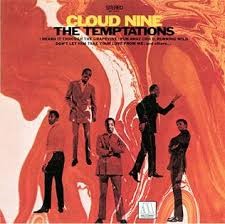
Cloud Nine is one of the most important albums in the history of soul music. With this record, The Temptations and producer Norman Whitfield fundamentally changed what Motown could sound like. The title track introduced wah-wah guitar, dense layered production, and lyrics that engaged directly with social realities like poverty and escapism. Furthermore, the album won the group their first Grammy Award. Dennis Edwards, who replaced David Ruffin, brought a grittier, more aggressive energy to the lead vocal role. Consequently, the group’s sound became harder and more experimental almost overnight. Cloud Nine drew heavily from the psychedelic rock and funk movements emerging simultaneously in American music. Yet The Temptations made the synthesis entirely their own. While Wish It Would Rain had been more traditional soul, Cloud Nine pointed boldly toward the future. This album launched the psychedelic soul era and remains the definitive proof of the group’s artistic courage.
Together (with Diana Ross & the Supremes) (1969)
The second collaboration between The Temptations and the Supremes arrived with slightly less fanfare than the first but delivered consistent quality. Together captured both groups navigating a transitional moment in Motown’s history. Furthermore, the production reflected the broader shift toward more complex, socially engaged soul that Cloud Nine had initiated. The Temptations brought their newly hardened energy to the sessions, creating an interesting contrast with the Supremes’ more polished style. The result is an album that feels genuinely collaborative rather than commercially calculated. Additionally, several tracks showed both groups stretching beyond their comfort zones in productive ways. As a document of two Motown institutions at a crossroads, Together rewards closer examination than it typically receives. It may not match the iconic status of their first joint album. However, it stands as honest evidence of two great acts pushing each other toward something more adventurous.
Puzzle People (1969)
Puzzle People continued the psychedelic soul expansion that The Temptations had launched with Cloud Nine. Norman Whitfield pushed the production even further here, embracing extended funk workouts and socially conscious lyrics. The album’s standout track, “I Can’t Get Next to You,” became a number one hit, demonstrating that the new experimental direction could still produce mainstream success. Moreover, The Temptations sounded fully committed to the harder sound, with Dennis Edwards’s raw vocal approach anchoring the album’s most intense moments. Transitioning from the elegant Motown pop of just a few years earlier, the group showed remarkable adaptability. Additionally, the album’s rhythmic intensity pointed directly toward the funk movement that would dominate the early 1970s. Puzzle People deserves recognition as an underrated masterpiece. It proved that the psychedelic soul experiment was no accident — The Temptations had genuinely reinvented themselves.
The 1970s: Funk and Innovation
| Album | Year | Key Highlight |
|---|---|---|
| Psychedelic Shack | 1970 | Peak experimental funk |
| Christmas Card | 1970 | Holiday release |
| Sky’s the Limit | 1971 | Whitfield production peak |
| Solid Rock | 1972 | Hard funk era |
| All Directions | 1972 | Features “Papa Was a Rollin’ Stone” |
| Masterpiece | 1973 | Grammy-winning title track |
| 1990 | 1973 | Concept album |
| A Song for You | 1975 | Post-Whitfield transition |
| House Party | 1975 | Live energy |
| Wings of Love | 1976 | Melodic soul return |
| Do The Temptations | 1976 | Self-produced effort |
| Hear to Tempt You | 1977 | Atlantic Records debut |
| Bare Back | 1978 | Late-decade funk |
Psychedelic Shack (1970)
Psychedelic Shack pushed the experimental template of Cloud Nine and Puzzle People to its furthest extreme. Norman Whitfield constructed dense, multi-layered soundscapes that felt genuinely avant-garde for a mainstream soul group. The title track ran for several minutes and featured interlocking rhythms and effects that drew more from rock than from traditional Motown. Furthermore, The Temptations embraced the challenge, delivering performances that matched Whitfield’s ambition. The album’s sonic adventurousness made it a critical reference point for funk and soul producers in the decades that followed. However, the commitment to experimentation occasionally came at the cost of immediacy. Some tracks felt more like studio exercises than fully realised songs. Nevertheless, Psychedelic Shack stands as a bold document of a group willing to follow their artistic instincts wherever they led. For fans of experimental soul, this album remains a landmark.
The Temptations Christmas Card (1970)
The Temptations Christmas Card offered a seasonal detour during a period of intense artistic experimentation. Motown positioned it as a family-friendly release, and the group delivered warm, celebratory performances throughout. Furthermore, The Temptations applied their vocal sophistication to familiar Christmas material without making it feel generic. The production balanced festive orchestration with the rhythmic energy the group had developed through the psychedelic soul era. Consequently, the album appealed to both longtime fans and casual listeners unfamiliar with the harder recent work. While Christmas Card does not represent the group’s most artistically ambitious project, it showcases their versatility. Additionally, several tracks have become beloved seasonal staples played widely during the holiday period. As a straightforward celebration of the group’s vocal gifts, the album succeeds entirely on its own terms. It remains a charming and warmly performed entry in the broader Temptations catalogue.
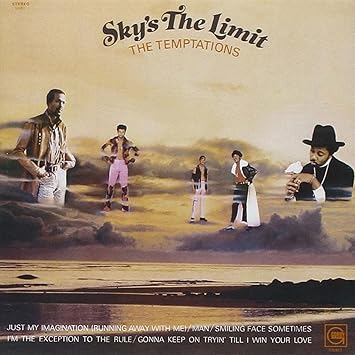
Sky’s the Limit (1971)
Sky’s the Limit arrived at a moment when Norman Whitfield’s production ambitions were reaching their peak. The Temptations had given him near-total creative control, and the results were sprawling and inventive. The album featured extended tracks that blended funk, soul, and social commentary into dense, layered constructions. Furthermore, Whitfield’s willingness to let individual tracks breathe over several minutes gave Sky’s the Limit an almost cinematic quality. The Temptations sounded comfortable inhabiting these complex arrangements, with Dennis Edwards continuing to anchor the harder material. Transitioning between tender ballads and hard funk workouts, the album demonstrated the full range of what the group had become. Additionally, the production drew on the best of contemporary Black American music, positioning the group at the forefront of soul’s evolution. Sky’s the Limit remains a deeply rewarding listen for anyone willing to engage with its ambition.
Solid Rock (1972)
Solid Rock captured The Temptations in a particularly hard-driving phase. Norman Whitfield’s production leaned heavily on funk rhythms and socially engaged lyrics, reflecting the turbulent cultural mood of early-1970s America. The album felt urgent and direct, with little of the pastoral beauty that had characterised the group’s earlier Motown work. Moreover, The Temptations delivered performances that matched the material’s intensity. Dennis Edwards’s gravel-edged vocals suited the harder arrangements perfectly. Furthermore, the album demonstrated that the group had fully committed to their post-classic reinvention. While some fans of the Ruffin-era material found the new direction alienating, Solid Rock was widely praised by critics for its honesty and ambition. Additionally, it anticipated the harder funk sounds that would dominate the mid-1970s. As a document of The Temptations at their most politically engaged, Solid Rock rewards serious attention.
All Directions (1972)
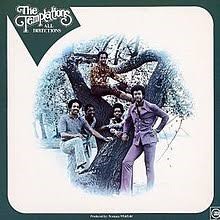
All Directions is home to one of the greatest recordings in The Temptations catalogue. “Papa Was a Rollin’ Stone” — a twelve-minute epic built on a hypnotic funk groove and devastating lyrical imagery — won three Grammy Awards and became one of Motown’s defining artistic statements. Norman Whitfield constructed the track as a slow-burning meditation on absence, loss, and legacy. Furthermore, the full album surrounding that masterpiece demonstrates consistent quality and ambition. The Temptations inhabited Whitfield’s increasingly complex arrangements with authority and emotional commitment. Moreover, the record’s willingness to let music unfold at its own pace felt genuinely radical for a commercial soul group. Consequently, All Directions remains the peak of the Whitfield-era collaboration. For any listener building a Temptations collection, this album is absolutely non-negotiable.
Masterpiece (1973)
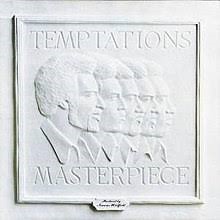
Masterpiece took its title seriously. The Temptations and Norman Whitfield produced an album that felt genuinely conceptual, with the extended title track functioning as a suite-like meditation on community, struggle, and survival. The Grammy-winning piece demonstrated Whitfield’s full ambition and the group’s capacity to sustain dramatic, emotionally complex performances. Furthermore, the album blended hard funk with orchestral elements, creating something that felt both street-level and cinematic. The Temptations sounded fully in command of the material throughout. Additionally, the album’s reach exceeded anything the group had attempted before in terms of pure compositional scale. Transitioning from earlier psychedelic experiments, Masterpiece refined the approach into something more focused and emotionally resonant. As one of the most ambitious soul albums Motown ever released, it stands as powerful evidence of what The Temptations could achieve when given creative freedom.
1990 (1973)
1990 represented Norman Whitfield’s most explicitly conceptual project with The Temptations. Set against a near-future backdrop, the album used science fiction framing to comment on contemporary social realities. Whitfield constructed dense, layered tracks that pushed the group’s experimental approach to a new level of abstraction. Furthermore, the record’s willingness to engage with dystopian imagery was genuinely unusual for mainstream soul music of the era. The Temptations committed fully to the concept, delivering performances that matched the album’s ambition. However, the relentless experimentalism occasionally sacrificed immediacy, making 1990 a more challenging listen than some earlier records. Nevertheless, it stands as a fascinating document of a great producer at his most creatively unleashed. Additionally, the album’s themes — social inequality, political disillusionment — resonated strongly with early-1970s audiences navigating similar anxieties in the real world.
A Song for You (1975)
By 1975, The Temptations were navigating a creative transition. Whitfield’s influence had begun to recede, and the group explored a somewhat warmer, more melodic direction on A Song for You. The album featured interpretations of contemporary material alongside original compositions, and the balance worked reasonably well. Furthermore, the group’s vocal performances remained strong, even as the production reflected changing tastes across the industry. The Temptations demonstrated here that they could adapt without losing their identity. Additionally, the record’s more accessible tone attracted listeners who had found the later Whitfield experiments challenging. Transitioning between the hard funk of the early 1970s and the smoother soul that would define the mid-decade, A Song for You occupies an interesting middle ground. While it lacks the ambition of the great Whitfield records, it succeeds as a warm, professionally crafted soul album.
House Party (1975)
House Party captured The Temptations in an energetic, live-oriented mode. The album’s title suggested celebration, and the performances throughout delivered exactly that. Furthermore, the production favoured groove and danceability over the conceptual complexity of the Whitfield era. The Temptations sounded loose and engaged, finding joy in straightforward soul and funk. Consequently, the record connected with audiences who appreciated the group’s more accessible side. Additionally, House Party demonstrated that the group could generate real energy outside of the elaborate studio constructions Whitfield had favoured. Transitioning between uptempo tracks and smooth ballads, the album showed the group’s natural versatility. While critics found it less ambitious than earlier work, general audiences responded warmly. As an honest document of The Temptations enjoying themselves, House Party remains a likeable and unpretentious entry in a catalogue defined by ambition.
Wings of Love (1976)
Wings of Love marked The Temptations leaning into a softer, more romantic direction. The mid-1970s soul landscape had shifted toward smoother, more lushly orchestrated sounds, and the group followed without abandoning their strengths. Furthermore, the album featured strong ballad performances that highlighted the group’s ability to communicate tenderness and vulnerability. The Temptations demonstrated genuine ease with the material, and the production provided sympathetic settings for their voices. However, Wings of Love is sometimes criticised for prioritising commercial accessibility over the artistic risk-taking that had defined the group’s peak years. Nevertheless, the album succeeds on its own terms, delivering well-crafted soul with real emotional warmth. Additionally, it performed respectably on the charts, confirming that The Temptations retained a loyal audience even as their sound evolved. As a mid-decade effort, it represents a dignified and honest chapter in a remarkable career.
The Temptations Do The Temptations (1976)
Do The Temptations was a self-produced effort that allowed The Temptations to exercise more direct creative control than they had enjoyed in years. The album explored contemporary funk and soul without the heavy conceptual framework of the Whitfield era. Furthermore, the group’s willingness to take production into their own hands revealed a confidence born from years of working alongside Motown’s greatest producers. The Temptations understood their own strengths intimately by this point, and the album reflected that self-knowledge. Additionally, several tracks demonstrated a genuine feel for groove and arrangement that went beyond simple formula. Transitioning from producer-led records to a more collaborative, internally driven process was a significant step. While the results did not match the commercial heights of earlier years, Do The Temptations stands as a worthwhile and revealing document of the group discovering a new creative independence.
Hear to Tempt You (1977)
Hear to Tempt You marked The Temptations‘ arrival at Atlantic Records after years at Motown. The label change brought new collaborators and a fresh production approach that suited the late-1970s disco-influenced market. Furthermore, the album reflected the group’s determination to remain relevant rather than simply trade on past glories. The Temptations engaged fully with the new sonic environment, delivering performances that respected contemporary trends without completely abandoning their roots. Additionally, the record contained moments of genuine quality, particularly in its ballad performances. Transitioning between labels is always a risk for established acts, and not every experiment here fully succeeds. However, the album demonstrates an admirable refusal to stand still. As a document of The Temptations navigating the challenging commercial landscape of the late 1970s, Hear to Tempt You deserves more credit than it typically receives.
Bare Back (1978)
Bare Back concluded The Temptations‘ Atlantic Records period with a funk-driven effort that reflected the late-1970s landscape. The production leaned toward the disco-influenced sound dominating radio at the time, and the group adapted with professional ease. Furthermore, The Temptations delivered energetic performances that captured the dancefloor energy of the era without feeling forced. The album featured solid grooves and moments of genuine vocal flair, though it lacked the artistic ambition of the great Whitfield records. Additionally, the production occasionally felt more functional than inspired. Nevertheless, Bare Back served its purpose — keeping the group commercially active during a difficult transitional period. Transitioning from the experimental peaks of the early decade to the more market-driven sounds of 1978 was a challenge many soul acts failed. The Temptations negotiated it with characteristic resilience.
The 1980s: The Reunion & New Jack Swing
| Album | Year | Key Highlight |
|---|---|---|
| Power | 1980 | Return to Motown |
| The Temptations (1981) | 1981 | Self-titled comeback |
| Reunion | 1982 | Ruffin & Kendricks return |
| Surface Thrills | 1983 | Post-reunion effort |
| Back to Basics | 1983 | Commercial soul |
| Truly for You | 1984 | Mid-decade highlight |
| Touch Me | 1985 | Smooth soul |
| To Be Continued | 1986 | Transitional record |
| Together Again | 1987 | Group milestone |
| Special | 1989 | New Jack Swing elements |
Power (1980)
Power marked The Temptations‘ return to Motown after the Atlantic interlude, and the album reflected renewed energy. The production embraced the harder funk and early post-disco sounds of the new decade. Furthermore, The Temptations sounded reinvigorated, with a line-up that had stabilised after years of personnel changes. The album’s title carried a genuine statement of intent — the group was not ready to fade. Additionally, Power demonstrated that The Temptations could absorb new influences without losing their identity. Transitioning back to the label that had shaped them brought a certain comfort and confidence to the sessions. However, the album’s commercial performance was modest, reflecting the challenges facing classic soul acts in a market increasingly dominated by new styles. Nevertheless, Power remains a worthwhile listen that captures The Temptations rediscovering their momentum at the start of a new decade.
The Temptations (1981)
The self-titled 1981 album represented The Temptations asserting their identity at a moment of genuine uncertainty in the soul market. The record featured smooth, contemporary production that balanced commercial accessibility with the group’s vocal strengths. Furthermore, The Temptations delivered consistent performances across the album, demonstrating that quality remained their priority regardless of chart pressures. The production drew on the glossy, synthesiser-influenced sounds emerging in early-1980s R&B. Additionally, the album contained strong ballad performances that showcased the group’s enduring emotional range. Transitioning from the rawer funk of the late 1970s into a more polished sound required careful navigation. The Temptations managed it without completely abandoning the grit that had defined their finest work. While not a landmark in the catalogue, the 1981 self-titled effort stands as a solid, professionally crafted record.
Reunion (1982)
Reunion is one of the most emotionally resonant albums in The Temptations catalogue. The return of David Ruffin and Eddie Kendricks to the recording fold created a genuine sense of occasion. Fans who had followed the group since the 1960s found enormous satisfaction in hearing those iconic voices reunited. Furthermore, the album capitalised on that sentiment without becoming purely nostalgic. The Temptations balanced backward-looking moments with material that felt current and engaged. Additionally, the vocal chemistry between the returning members and the existing line-up proved surprisingly natural. Ruffin’s roughness and Kendricks’s falsetto retained all their characteristic power. Consequently, Reunion succeeded both commercially and artistically. It demonstrated that the bonds forged in the classic era retained genuine creative force more than fifteen years later. For anyone exploring the catalogue, Reunion is essential and deeply moving.
Surface Thrills (1983)
Surface Thrills followed the commercial success of Reunion and attempted to maintain the momentum. The Temptations delivered a solid, mid-tempo soul record that reflected the polished R&B production style of the early 1980s. Furthermore, the group’s vocal performances remained strong throughout, anchoring the more formulaic moments with genuine feeling. However, Surface Thrills struggled to recapture the emotional resonance that had made Reunion so compelling. Without the narrative hook of a dramatic return, the album relied more heavily on production quality alone. Additionally, some tracks felt generic in ways that the best Temptations records never did. Nevertheless, the group’s professionalism ensured a listenable and well-crafted album. The Temptations demonstrated consistent standards even when the material fell short of their peak. As a post-reunion follow-up, Surface Thrills is honest and capable rather than transcendent.
Back to Basics (1983)
Back to Basics delivered exactly what its title promised. The Temptations stepped back from elaborate production and focused on clean, honest soul performances. The record’s stripped-back approach suited the group’s vocal strengths and felt refreshing after years of complex studio constructions. Furthermore, the album confirmed that The Temptations retained the instincts that had made them great, regardless of what production trends surrounded them. Additionally, the record connected with fans who had felt alienated by some of the late-1970s and early-1980s experiments. Transitioning toward a more direct sound gave the performances greater immediacy. The Temptations sounded genuinely comfortable, approaching material that felt tailored to their natural gifts. While Back to Basics did not generate landmark singles, it stands as a satisfying and well-executed record. For listeners who value craft over concept, this album rewards close attention.
Truly for You (1984)
Truly for You represented one of the stronger commercial efforts The Temptations delivered during the mid-1980s. The production balanced contemporary R&B trends with the group’s classic strengths. Furthermore, The Temptations sounded genuinely engaged with the material, delivering performances that lifted even the more formulaic tracks. The album’s lead single performed respectably on the charts, demonstrating continued commercial viability. Additionally, the vocal arrangements reflected care and sophistication rather than simple trend-chasing. Transitioning through the shifting R&B landscape of the Reagan era, the group maintained their dignity and professional standards throughout. The Temptations demonstrated that longevity in popular music required not just talent but constant adaptation. Truly for You may not feature the group’s most celebrated recordings. However, it stands as an honest and warmly performed effort from artists who understood exactly what they were doing.
Touch Me (1985)
Touch Me continued The Temptations‘ engagement with smooth, mid-1980s R&B production. The album featured a polished, synthesiser-driven sound that reflected the prevailing commercial aesthetic of the period. Furthermore, The Temptations delivered controlled, professional vocal performances that made even lighter material feel substantial. The record’s ballads carried genuine emotional warmth, demonstrating the group’s enduring ability to communicate tenderness. Additionally, Touch Me performed adequately on the charts, confirming the group’s continued commercial presence. Transitioning through a decade that had not been uniformly kind to classic soul acts, The Temptations showed real resilience. Some critics found the production overly glossy, arguing it softened the group’s characteristic edge. Nevertheless, Touch Me succeeds as a competent and often affecting soul record. As mid-decade efforts go, it represents The Temptations at their most commercially oriented without abandoning their core identity.
To Be Continued (1986)
To Be Continued signalled The Temptations‘ awareness of their own transitional moment. The album’s title suggested both continuity and change, and the music reflected that tension. Furthermore, the production began incorporating elements of the emerging new jack swing style without fully committing to it. The Temptations navigated this carefully, preserving enough of their traditional sound to retain their established audience. Additionally, the record featured moments of genuine quality, particularly in the vocal performances. Transitioning toward newer production styles while respecting your heritage is one of the hardest balancing acts in popular music. The Temptations handled it with more grace than many of their contemporaries. To Be Continued may not rank among the great albums in the catalogue. However, it stands as a thoughtful and professionally executed attempt to keep a legendary act alive and artistically honest in a rapidly changing industry.
Together Again (1987)
Together Again captured The Temptations at a milestone moment, celebrating decades of music while continuing to push forward. The album reflected on the group’s history without indulging in pure nostalgia. Furthermore, The Temptations delivered performances that felt grounded in genuine experience rather than manufactured sentiment. The production struck a reasonable balance between contemporary R&B sounds and the group’s classic soul identity. Additionally, the album’s collaborative spirit — evident in the vocal arrangements — recalled the tight ensemble work of the classic era. Transitioning between generations of members and styles, the group’s core values of craft and commitment remained constant. The Temptations demonstrated that longevity required both flexibility and integrity. Together Again will not feature on most critics’ essential lists. Nevertheless, it stands as a warm and honest record from artists who had earned the right to look back with pride.
Special (1989)
Special arrived as new jack swing was transforming mainstream R&B, and The Temptations engaged with the style more directly than on any previous release. The production incorporated the harder beats and rhythmic precision that defined the genre. Furthermore, The Temptations proved surprisingly comfortable within the new framework, delivering performances that felt energetic rather than forced. The album demonstrated that even artists with thirty years of history could absorb new influences without losing their identity. Additionally, Special connected with younger audiences discovering The Temptations for the first time through a contemporary sound. Transitioning from the smoother mid-1980s aesthetic into new jack swing required real creative courage. However, the group embraced the challenge. While the album divides long-term fans, it remains a fascinating document of a legendary act refusing to accept irrelevance. Special confirmed that The Temptations were still capable of genuine surprise.
The 1990s to Present: Legacy Continues
| Album | Year | Key Highlight |
|---|---|---|
| Milestone | 1991 | 30th anniversary |
| For Lovers Only | 1995 | Jazz-influenced ballads |
| Phoenix Rising | 1998 | Platinum comeback |
| Ear-Resistible | 2000 | Contemporary R&B |
| Awesome | 2001 | Post-millennium effort |
| Legacy | 2004 | Catalogue celebration |
| Reflections | 2006 | Standards project |
| Back to Front | 2007 | Contemporary soul |
| Still Here | 2010 | Resilience statement |
| All the Time | 2018 | Modern soul |
| Temptations 60 | 2022 | Diamond anniversary |
Milestone (1991)
Milestone arrived to mark The Temptations‘ thirtieth anniversary in music. The album carried that celebratory weight with confidence. Furthermore, the production reflected early-1990s R&B sensibilities while paying tribute to the group’s deep history. The Temptations delivered performances that felt rooted in genuine pride rather than manufactured nostalgia. Additionally, the album contained new material that demonstrated continued creative ambition. Transitioning from the new jack swing experiment of Special into a more reflective mode, Milestone succeeded in honouring the past without being consumed by it. The vocal performances retained real authority, confirming that the group’s core strengths had survived every stylistic era they had navigated. Moreover, Milestone served as a reminder that The Temptations had created one of the most remarkable bodies of work in American popular music. As an anniversary record, it remains warm, committed, and entirely worthy of the occasion.
For Lovers Only (1995)
For Lovers Only represented The Temptations exploring jazz-inflected balladry. The album featured lush orchestral arrangements and sophisticated harmonic movement drawn from the Great American Songbook tradition. Furthermore, The Temptations inhabited the material with evident ease, demonstrating that their vocal sophistication extended far beyond soul and R&B. The record’s gentle pace and warm production made it an ideal late-night listen. Additionally, the album attracted a slightly different audience than the group’s standard releases, broadening their appeal during a period when classic soul acts struggled commercially. Transitioning into the standards format had worked for other veteran acts, and The Temptations approached the project with genuine conviction. While the album sits apart from the group’s most urgent work, it showcases the extraordinary natural gifts these singers possessed. For Lovers Only remains a lovely, understated entry in a catalogue that stretches across sixty years.
Phoenix Rising (1998)
Phoenix Rising stands as one of the most commercially successful later albums The Temptations released. The record achieved platinum certification and introduced the group to a new generation of R&B listeners. Furthermore, the single “Stay” became one of their biggest hits in decades, demonstrating that the group retained real commercial appeal when given strong contemporary material. The Temptations sounded reinvigorated throughout the album, engaging with late-1990s R&B production without sounding desperate or formulaic. Additionally, the record balanced contemporary sounds with the classic group identity that had sustained them across four decades. Transitioning from the relative commercial quiet of the early 1990s into a genuine hit record required both courage and craft. The Temptations delivered both. Phoenix Rising reminded the industry and the public that the group was not a legacy act merely preserving old glories — they remained capable of genuine artistic and commercial renewal.
Ear-Resistible (2000)
Ear-Resistible continued the commercial momentum generated by Phoenix Rising. The Temptations engaged with turn-of-the-millennium R&B production, incorporating contemporary beats and vocal arrangements that felt current. Furthermore, the album demonstrated the group’s willingness to remain engaged with the evolving marketplace rather than retreating into comfortable nostalgia. The Temptations delivered polished performances throughout, and the record connected with both long-term fans and younger listeners. Additionally, the production quality reflected genuine investment rather than simple trend-chasing. Transitioning between decades is always a creative challenge, and the group navigated the millennium with notable grace. While Ear-Resistible did not match the cultural impact of Phoenix Rising, it confirmed that the late-career commercial revival was not a one-time occurrence. As a document of The Temptations in confident, contemporary mode, the album stands as a professional and satisfying listen.
Awesome (2001)
Awesome arrived just a year after Ear-Resistible and continued The Temptations‘ productive early-2000s run. The album maintained the contemporary R&B sound that had served the group well since the Phoenix Rising comeback. Furthermore, The Temptations demonstrated real consistency across consecutive releases, a difficult achievement for any act regardless of their history. The production balanced commercial instincts with genuine soul integrity. Additionally, the vocal performances carried real warmth and commitment throughout the album’s duration. Transitioning between annual releases required the group to maintain creative standards while working at pace. The Temptations managed this with their characteristic professionalism. While Awesome does not break new ground, it represents an honest and capable entry in the late catalogue. For fans who had followed the group since the Phoenix Rising revival, it confirmed that the renewed momentum was built on real artistic foundations rather than simple nostalgia.
Legacy (2004)
Legacy engaged directly with The Temptations‘ remarkable history. The album combined new recordings with reflections on the group’s decades of influence, creating something that felt simultaneously personal and celebratory. Furthermore, Otis Williams’s guiding vision for the group — to honour the past while continuing to evolve — shaped every track on the record. The Temptations approached the material with evident pride and genuine musical authority. Additionally, the album served as a meaningful document of the group’s cultural significance at a moment when that significance deserved formal acknowledgment. Transitioning between catalogue celebration and new creative work, Legacy struck an effective balance. The vocal performances retained the warmth and depth that had defined the group across four decades. Moreover, Legacy reminded listeners that the story of The Temptations was far from finished. As a mid-2000s milestone, it remains a thoughtful and emotionally resonant record.
Reflections (2006)
Reflections followed the template of For Lovers Only by presenting The Temptations in a standards and ballads format. The album featured lush orchestral production and interpretations of beloved songs drawn from multiple eras. Furthermore, The Temptations demonstrated once again that their vocal sophistication extended across genres and generations. The record’s warm, unhurried pace allowed the group’s voices to inhabit each song fully. Additionally, Reflections attracted the same kind of sophisticated adult audience that had responded warmly to the earlier standards project. Transitioning between their own catalogue and outside material never seemed to unsettle The Temptations, who brought consistent conviction to every project they undertook. While critics occasionally questioned the commercial rationale for another standards album, the performances spoke for themselves. Reflections stands as a graceful and warmly delivered effort from artists who had clearly never stopped growing.
Back to Front (2007)
Back to Front captured The Temptations navigating the mid-2000s R&B landscape with characteristic confidence. The album featured contemporary production that respected current trends without abandoning the group’s core identity. Furthermore, The Temptations delivered tight, committed vocal performances that demonstrated the enduring quality of their ensemble approach. The record balanced uptempo tracks with the ballads that remained a natural strength. Additionally, Back to Front confirmed that the group retained a dedicated audience willing to follow them through each new creative chapter. Transitioning between stylistic eras had defined the Temptations story from the beginning, and this album continued that pattern. While not among the most celebrated entries in the catalogue, Back to Front stands as a consistently solid effort. The Temptations proved again that genuine craft and commitment could sustain a career long after most contemporaries had retreated from active recording.
Still Here (2010)
Still Here carried a title that felt like a direct statement. The Temptations had survived for fifty years — through deaths, departures, line-up changes, and industry upheaval — and this album announced that survival with quiet authority. Furthermore, Otis Williams’s commitment to maintaining the group’s standards remained the defining force behind every recording decision. The Temptations delivered performances that felt grounded in real experience rather than manufactured sentiment. Additionally, the album’s production reflected the contemporary soul landscape while respecting the group’s heritage. Transitioning into their sixth decade as an active recording act, The Temptations showed no signs of mechanical repetition. The vocal performances retained warmth and conviction throughout. Moreover, Still Here offered something genuinely rare in popular music — a veteran act that had genuinely earned its continued presence. As a half-century statement of resilience, this album carries real emotional weight.
All the Time (2018)
All the Time represented The Temptations‘ most recent full engagement with contemporary soul and R&B. The album featured polished production that reflected the streaming era’s aesthetic without feeling disconnected from the group’s history. Furthermore, The Temptations approached the material with the calm confidence of artists who no longer needed to prove anything. The vocal performances were controlled and assured throughout. Additionally, the album contained moments of genuine quality that reminded younger listeners why the group’s reputation had endured for so long. Transitioning into the streaming era successfully required both adaptability and self-awareness. The Temptations demonstrated both in abundance. While All the Time did not generate the commercial splash of Phoenix Rising, it confirmed that the group remained a vital creative entity. As a late-period effort from one of soul music’s greatest acts, the album succeeds entirely on its own considerable terms.
Temptations 60 (2022)
Temptations 60 marked six extraordinary decades of music with an album that balanced celebration and genuine artistry. Furthermore, the record served as a tribute to every member — living and departed — who had contributed to the group’s story across sixty years. The Temptations approached the milestone with characteristic dignity and musical commitment. Additionally, Otis Williams, as the sole surviving original member, brought a profound personal weight to the project. The production acknowledged both the group’s classic legacy and the contemporary world in which they continued to work. Transitioning across six full decades, The Temptations had navigated more change than almost any act in popular music history. Temptations 60 celebrated that journey honestly. The album confirmed that the name still carried extraordinary meaning — not because of nostalgia alone, but because of the sustained quality and integrity that had defined every chapter of the story.
A Legacy Without Equal
The story of The Temptations is, above all, a story of endurance. No other act in soul music has navigated so many eras, personnel changes, and cultural shifts while maintaining such consistent artistic standards. From the joyful Motown pop of the early 1960s through the bold psychedelic soul experiments of the Norman Whitfield years, through reunion albums, new jack swing, and contemporary R&B, The Temptations have always found a way forward. Otis Williams, the last standing original member, has carried that mission with remarkable dedication. The sixty-album catalogue they leave behind represents one of the richest bodies of work in popular music — a complete portrait of Black American soul across six decades. Whether you begin with “My Girl,” lose yourself in “Papa Was a Rollin’ Stone,” or discover the late-period renaissance of Phoenix Rising, the music rewards every listener who takes the time to explore it fully. The Temptations are not merely a Motown institution. They are an American treasure.