
Talking Heads continue to influence modern music, fashion, and culture in 2026. Their sound feels current, yet their catalogue spans decades. This guide explores why Talking Heads still matter and breaks down every studio album.
Why did Talking Heads break up?
Talking Heads split due to growing creative tension and different ambitions. Most notably, David Byrne pursued solo projects, which created distance within the group. Meanwhile, Tina Weymouth and Chris Frantz later spoke about frustration with communication and control. As a result, the band quietly dissolved in the early 1990s without a formal announcement.
Is Talking Heads getting back together?
Talking Heads reunited publicly for the anniversary of Stop Making Sense, which renewed fan interest worldwide. However, although all four members appeared together, no official tour or new music has been confirmed. Therefore, while interest remains high, a full reunion still seems unlikely.
What was Talking Heads’ biggest hit?
Talking Heads achieved their biggest commercial success with Burning Down the House. The track reached number 9 on the Billboard Hot 100, marking their highest-charting single. It also became a defining moment in their transition toward a more accessible sound.
Who are the 4 members of Talking Heads?
Talking Heads consisted of four core members: David Byrne, Tina Weymouth, Chris Frantz, and Jerry Harrison. Together, they shaped one of the most innovative sounds in alternative music history.
1977 – Talking Heads: 77

Talking Heads introduced their unique sound with Talking Heads: 77 (1977), a debut full of nervous energy. From the start, Talking Heads blended art-punk with sharp lyrical observations. As a result, the album stood apart from typical punk releases.
Moreover, David Byrne delivered anxious vocals that defined the band’s early identity. Songs like “Psycho Killer” helped Talking Heads gain immediate attention. Meanwhile, the stripped-back instrumentation gave each rhythm space to breathe.
However, the record never relied on aggression alone. Instead, Talking Heads used repetition and subtle groove to build tension. Consequently, the album feels controlled yet unpredictable throughout.
Additionally, Talking Heads explored themes of alienation and urban life. These ideas connected strongly with late-1970s audiences. Therefore, the album gained traction beyond underground circles.
Although simple on the surface, the songwriting shows clear intent and structure. Talking Heads established a blueprint that many post-punk bands later followed.
Ultimately, this debut laid the groundwork for everything that followed. Talking Heads proved they could innovate within a minimal framework while maintaining strong identity.
1978 – More Songs About Buildings and Food

Talking Heads expanded their sound on More Songs About Buildings and Food (1978). This album marked the first collaboration with Brian Eno. As a result, Talking Heads began exploring rhythm and texture in greater depth.
Furthermore, Talking Heads leaned into funk influences while maintaining their art-rock edge. The grooves feel tighter, yet more fluid than before. Consequently, the band created a more cohesive listening experience.
Additionally, Brian Eno encouraged experimentation in the studio. Talking Heads responded by layering instruments and expanding arrangements. Therefore, the album introduced a richer sonic palette.
Although still quirky, Talking Heads showed increased confidence throughout the record. Tracks like “Take Me to the River” gained wider recognition. Meanwhile, the band refined their ability to balance accessibility with originality.
Importantly, Talking Heads avoided repeating their debut formula. Instead, they evolved their sound without losing identity. This shift helped define the emerging post-punk movement.
Ultimately, the album represents a key turning point. Talking Heads proved they could grow artistically while reaching a broader audience.
1979 – Fear of Music
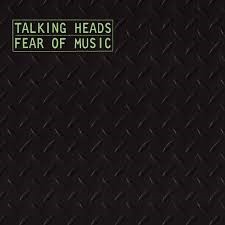
Talking Heads pushed further into experimentation with Fear of Music (1979). Again working with Brian Eno, Talking Heads created a darker and more complex record. As a result, the album explores paranoia and modern anxiety.
Moreover, Talking Heads used rhythm as a central force rather than a backdrop. The grooves feel mechanical, yet hypnotic. Consequently, the sound creates a tense and immersive atmosphere.
Additionally, David Byrne adopted a more fragmented lyrical style. Talking Heads used repetition to reinforce themes of fear and confusion. Therefore, the album feels both intellectual and emotional.
While unconventional, Talking Heads maintained strong structure in each track. Songs like “Life During Wartime” balanced accessibility with experimentation. Meanwhile, the production added depth without overwhelming the core ideas.
Importantly, Talking Heads embraced risk throughout this project. They avoided commercial expectations and focused on artistic direction. As a result, the album gained strong critical support.
Ultimately, this release strengthened Talking Heads’ reputation for innovation. It set the stage for their most ambitious work.
1980 – Remain in Light

Talking Heads reached new creative heights with Remain in Light (1980). Working again with Brian Eno, Talking Heads embraced Afrobeat and layered production. As a result, the album feels expansive and forward-thinking.
Furthermore, Talking Heads built songs through loops and interlocking rhythms. This approach created a dense yet controlled sound. Consequently, each track evolves gradually rather than following traditional structures.
Additionally, David Byrne explored identity and consciousness in his lyrics. Talking Heads combined abstract ideas with rhythmic intensity. Therefore, the album rewards repeated listening.
Although complex, Talking Heads maintained strong musical cohesion. The band worked collaboratively, blending individual contributions into a unified vision. Meanwhile, the production pushed studio techniques forward.
Importantly, Talking Heads influenced countless artists with this release. The fusion of rock, funk, and world music opened new creative paths. As a result, the album remains widely studied.
Ultimately, this record stands as a defining moment. Talking Heads proved they could challenge conventions while delivering lasting impact.
1983 – Speaking in Tongues
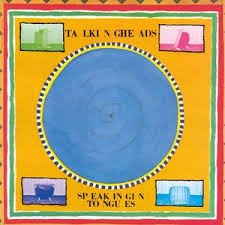
Talking Heads shifted toward accessibility with Speaking in Tongues (1983). This album introduced a more polished and danceable sound. As a result, Talking Heads reached a wider audience.
Moreover, Talking Heads emphasized groove and melody throughout the record. The rhythms feel immediate and engaging. Consequently, the songs connected strongly with mainstream listeners.
Additionally, David Byrne delivered more direct lyrics. Talking Heads balanced emotional themes with lighter tones. Therefore, the album feels more approachable than earlier releases.
Importantly, “Burning Down the House” became a major success. Talking Heads achieved their highest chart position with this track. Meanwhile, the album maintained artistic credibility.
Although more commercial, Talking Heads retained their unique identity. They avoided generic trends and stayed true to their sound. As a result, the album appeals to both new and longtime fans.
Ultimately, this release marked a peak in popularity. Talking Heads proved they could succeed commercially without sacrificing creativity.
1985 – Little Creatures
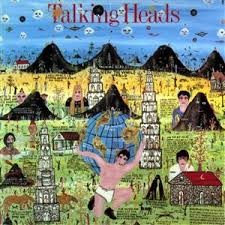
Talking Heads embraced a simpler style on Little Creatures (1985). The band moved toward Americana and pop-rock influences. As a result, Talking Heads delivered a more straightforward sound.
Furthermore, Talking Heads focused on storytelling and character-driven lyrics. The songs feel grounded and relatable. Consequently, the album resonated with a broader audience.
Additionally, David Byrne used humor and observation effectively. Talking Heads explored everyday life with a unique perspective. Therefore, the record maintains their distinct voice.
While less experimental, Talking Heads still showed musical precision. The arrangements feel clean and purposeful. Meanwhile, the production highlights clarity over complexity.
Importantly, Talking Heads achieved strong commercial success with this release. Tracks like “Road to Nowhere” gained lasting popularity. As a result, the album remains widely recognized.
Ultimately, this phase shows a different side of the band. Talking Heads proved they could adapt while maintaining relevance.
1986 – True Stories

Talking Heads explored new formats with True Stories (1986). This album connects directly to True Stories, directed by David Byrne. As a result, Talking Heads created a project rooted in narrative and concept.
Moreover, Talking Heads used varied vocal styles across the album. Several tracks feature characters rather than the band members. Consequently, the record feels theatrical and diverse.
Additionally, Talking Heads blended rock, pop, and country influences. This mix reflects the themes of American culture. Therefore, the album offers both commentary and entertainment.
While unconventional, Talking Heads maintained strong songwriting throughout. The structure supports the storytelling approach. Meanwhile, the production keeps the sound cohesive.
Importantly, Talking Heads challenged expectations with this release. They avoided traditional album formats. As a result, the project stands apart within their discography.
Ultimately, this album highlights their willingness to experiment. Talking Heads continued pushing boundaries even during their commercial peak.
1988 – Naked

Talking Heads closed their studio catalogue with Naked (1988). This album draws heavily from world music influences. As a result, Talking Heads created a globally inspired sound.
Furthermore, Talking Heads collaborated with international musicians during recording. The rhythms feel organic and diverse. Consequently, the album explores new musical territory.
Additionally, David Byrne focused on social and environmental themes. Talking Heads addressed broader global issues. Therefore, the lyrics carry a reflective tone.
Although ambitious, Talking Heads maintained accessible song structures. The balance between experimentation and clarity remains consistent. Meanwhile, the production supports the layered instrumentation.
Importantly, Talking Heads ended their studio journey with a bold statement. They refused to repeat earlier formulas. As a result, the album stands as a unique final chapter.
Ultimately, this release captures the band’s global outlook. Talking Heads left behind a catalogue defined by constant evolution.
The Stop Making Sense Effect


Although not a studio album, Stop Making Sense plays a huge role in the Talking Heads legacy. The film captures Talking Heads at their peak, blending performance art with live music.
Moreover, Talking Heads introduced a new standard for concert films. The minimalist staging and gradual build created a unique experience. As a result, the film continues to attract new audiences.
Therefore, many fans discover Talking Heads through this release first. Its recent reissue has only strengthened that impact.
Talking Heads remain one of the most forward-thinking bands in modern music history. Their catalogue shows constant evolution, from art-punk beginnings to global influences. Even now, Talking Heads continue to attract new listeners through streaming, film, and cultural revival. As trends shift, their music still feels relevant and influential. Ultimately, Talking Heads built a legacy based on innovation, consistency, and fearless creativity, which explains why the world remains obsessed with them.