
When I first heard the power chords of “Won’t Get Fooled Again,” everything clicked instantly. The Who didn’t just play rock music—they redefined its energy, ambition, and attitude.
Before diving into every album, let’s answer the key questions readers (and Google) expect.
Who Were the Original Members of The Who?
The original line up of The Who featured four iconic musicians:
- Roger Daltrey – vocals
- Pete Townshend – guitar and songwriter
- John Entwistle – bass
- Keith Moon – drums
Together, they shaped one of rock’s most explosive sounds.
What Was The Who’s First Hit?
The Who broke through with “I Can’t Explain” in 1965. The song captured youthful urgency and established their signature mod-rock style.
Why Did The Who Smash Instruments?
Pete Townshend introduced the idea of auto-destructive art. He believed destruction itself could serve as artistic expression. As a result, smashing guitars became a defining visual symbol of The Who.
Is The Who Still Active in 2026?
Yes—The Who still perform today. Roger Daltrey and Pete Townshend continue touring and recording. Although Entwistle and Moon have passed, the band’s legacy remains active.
What Is The Who’s Best Album?
Most fans debate between:
- Who’s Next (1971)
- Tommy (1969)
Both albums define different peaks of The Who’s creativity.
The Albums
1965 – My Generation
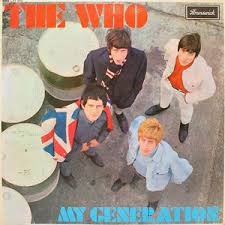
The Who exploded onto the scene with My Generation (1965), a raw and aggressive debut. From the opening riffs, The Who captured the frustration of British youth culture.
Notably, the title track “My Generation” became an anthem for rebellion. Its famous stuttered vocal delivery gave the song a unique identity. Moreover, the band delivered tight, punchy arrangements across the record.
While many debut albums feel cautious, The Who sounded fearless here. Consequently, tracks like “The Kids Are Alright” showed surprising melodic depth. At the same time, Keith Moon’s drumming added chaotic brilliance.
Although production remains simple, the energy drives every moment forward. Therefore, listeners still feel the urgency decades later. In addition, Pete Townshend’s song writing already hinted at bigger ambitions.
When I first revisited this album, its immediacy felt almost modern. That raw edge still cuts through polished contemporary recordings.
Ultimately, The Who created a blueprint for punk and hard rock. As a result, My Generation remains essential listening.
1966 – A Quick One
With A Quick One (1966), The Who expanded their musical scope significantly. Instead of repeating their debut, they embraced experimentation and humour.
Most importantly, the mini-opera “A Quick One, While He’s Away” changed everything. It introduced storytelling techniques that later shaped The Who’s greatest works. Furthermore, the track blended multiple sections into one cohesive narrative.
Elsewhere, the album offered variety across genres and moods. For instance, songs ranged from pop melodies to quirky character pieces. Meanwhile, each band member contributed song writing ideas.
Although the record feels uneven at times, its ambition stands out clearly. Consequently, fans often view it as a stepping stone toward Tommy. Additionally, the band’s confidence grew noticeably between tracks.
When I first heard the title suite, I realised how bold The Who had become. They refused to stay within traditional rock structures.
Ultimately, The Who proved they could evolve beyond simple singles. Therefore, A Quick One remains a crucial turning point.
1967 – The Who Sell Out
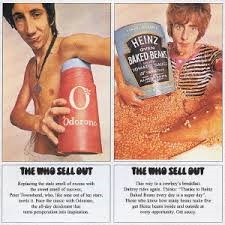
The Who Sell Out (1967) showcased The Who at their most playful and conceptual. The band designed the album as a pirate radio broadcast simulation.
Between songs, fake adverts created a humorous and immersive listening experience. As a result, the album feels like a complete artistic statement. Moreover, this concept anticipated modern thematic albums.
“I Can See for Miles” stands as the record’s defining track. Its layered production and explosive sound highlighted The Who’s growing sophistication. Additionally, the song became one of their biggest hits.
Although the humour dominates, deeper creativity drives the album forward. Consequently, fans often rediscover new details with each listen. At the same time, the band balanced satire with genuine musical craft.
When I first played this album, the transitions felt surprisingly modern. Today’s concept records owe much to this experiment.
Ultimately, The Who blended art, satire, and rock seamlessly. Therefore, The Who Sell Out remains one of their most inventive works.
1969 – Tommy
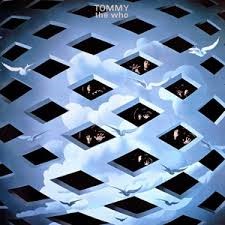
With Tommy (1969), The Who created the first widely recognised rock opera. This ambitious project transformed their reputation overnight.
The album tells the story of a “deaf, dumb, and blind” boy. Through music, The Who explored themes of trauma, fame, and identity. Consequently, the narrative elevated rock into a storytelling medium.
“Pinball Wizard” remains the album’s standout anthem. Its acoustic opening and powerful chorus defined The Who’s dramatic style. Moreover, the song achieved major commercial success.
Although the concept feels complex, the music stays accessible throughout. Therefore, listeners connect emotionally with the story. Additionally, Townshend’s song writing reached new artistic heights.
When I first experienced Tommy, the scale felt overwhelming in the best way. Each track contributed to a larger, cohesive vision.
Ultimately, The Who redefined what a rock album could achieve. As a result, Tommy stands as one of their greatest achievements.
![Tommy [2 LP] [VINYL]](https://m.media-amazon.com/images/I/81UKhcjOcgL._AC_SX355_.jpg)

1971 – Who’s Next
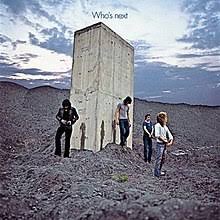
Who’s Next (1971) represents The Who at their absolute peak. Originally part of the abandoned Lifehouse project, the album became legendary.
“Baba O’Riley” opens with synthesizers that still sound ground breaking today. Meanwhile, “Won’t Get Fooled Again” delivers one of rock’s greatest finales. Together, these tracks define The Who’s enduring power.
Unlike Tommy, this album focuses on standalone songs with massive impact. Consequently, every track feels essential. Additionally, the production sounds cleaner and more refined.
When I first heard “Won’t Get Fooled Again,” the scream gave me chills instantly. That moment alone captures The Who’s intensity perfectly.
Although the album lacks a central narrative, it excels through consistency. Therefore, many fans consider it their best work. Furthermore, its influence stretches across decades of rock music.
Ultimately, The Who delivered a near-perfect album here. As a result, Who’s Next remains their defining masterpiece.
1973 – Quadrophenia
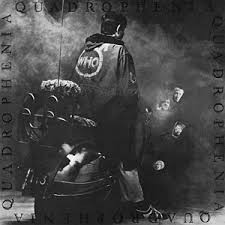
With Quadrophenia (1973), The Who returned to the rock opera format. However, this time they created a more grounded and personal story.
The album follows Jimmy, a troubled mod navigating identity and society. Through this character, The Who explored youth culture in depth. Consequently, the narrative feels more relatable than Tommy.
Tracks like “5:15” and “Love, Reign O’er Me” deliver emotional intensity. Moreover, the instrumentation sounds richer and more layered. Additionally, Entwistle’s bass work stands out prominently.
Although the album runs long, it rewards patient listening. Therefore, fans often rank it among the band’s finest achievements. At the same time, its cinematic scope enhances the storytelling.
When I first absorbed Quadrophenia, its emotional weight stayed with me. Few albums capture isolation so vividly.
Ultimately, The Who created a deeply human masterpiece. As a result, Quadrophenia remains essential listening.
1975 – The Who by Numbers
The Who by Numbers (1975) reveals a more introspective side of The Who. After grand concepts, the band turned inward.
“Squeeze Box” offers a lighter, playful moment amid deeper themes. However, much of the album reflects personal struggles and uncertainty. Consequently, the tone feels more subdued than previous releases.
Pete Townshend’s song writing explores vulnerability and self-doubt. Moreover, the stripped-back production highlights emotional honesty. Additionally, the band avoids excessive experimentation here.
Although some fans expected another epic, this approach feels refreshing. Therefore, the album stands out within their catalogue. At the same time, its simplicity enhances its impact.
When I first revisited this record, its honesty surprised me. It felt like a conversation rather than a performance.
Ultimately, The Who proved they could connect without spectacle. As a result, The Who by Numbers offers a unique perspective.
1978 – Who Are You
Who Are You (1978) marked the final album with Keith Moon. As a result, it carries emotional weight beyond the music.
The title track “Who Are You” became an instant classic. Its driving rhythm and powerful chorus defined late-era The Who. Moreover, the song remains widely recognised today.
Although the album includes strong moments, inconsistency appears occasionally. Consequently, some tracks feel less focused. However, the highlights still shine brightly.
Moon’s drumming retains its chaotic brilliance throughout. Therefore, his presence elevates the entire record. Additionally, the band experimented with more polished production.
When I first heard the title track, its energy felt unstoppable. It perfectly captured The Who’s spirit.
Ultimately, The Who closed an era with this release. As a result, Who Are You remains historically significant.
1981 – Face Dances
With Face Dances (1981), The Who entered a new phase. Kenney Jones replaced Keith Moon on drums.
“You Better You Bet” stands as the album’s standout track. Its upbeat energy signalled a shift toward a more polished sound. Moreover, the song achieved strong commercial success.
Although the band adapted well, the chemistry changed noticeably. Consequently, some fans missed Moon’s wild style. However, the album still delivers solid song writing.
The production feels cleaner and more contemporary. Therefore, it appealed to early 1980s audiences. Additionally, Townshend continued exploring personal themes.
When I first listened, the difference felt subtle yet important. The band sounded tighter but less chaotic.
Ultimately, The Who proved they could evolve after major changes. As a result, Face Dances remains an interesting transitional album.
1982 – It’s Hard
It’s Hard (1982) initially served as The Who’s farewell album. At the time, the band planned to disband.
“Athena” highlights the record’s strongest moments. Its catchy melody reflects a more radio-friendly direction. Moreover, the album balances energy with introspection.
Although critics offered mixed reviews, the album has aged well. Consequently, fans now appreciate its understated qualities. Additionally, the song writing remains consistent throughout.
The band leaned into contemporary production trends. Therefore, the sound reflects its era clearly. At the same time, core elements of The Who remained intact.
When I revisited this album, its sincerity stood out immediately. It felt like a quiet goodbye rather than a grand finale.
Ultimately, The Who closed a chapter with dignity. As a result, It’s Hard holds a unique place in their history.
2006 – Endless Wire
After a long hiatus, The Who returned with Endless Wire (2006). This album marked their first studio release in 24 years.
“It’s Not Enough” stands out as a powerful modern track. Moreover, the album includes the mini-opera Wire & Glass. Consequently, Townshend revisited conceptual storytelling.
Although only two original members remained, the spirit endured. Therefore, fans welcomed the return warmly. Additionally, the song writing reflected maturity and reflection.
The production blends classic and modern elements effectively. At the same time, the album honours The Who’s legacy. Furthermore, Daltrey’s vocals retain emotional strength.
When I first heard this record, it felt like reconnecting with old friends. The familiarity brought genuine comfort.
Ultimately, The Who proved their relevance in a new era. As a result, Endless Wire stands as a достой comeback.
2019 – WHO
WHO (2019) represents the most recent chapter for The Who. Even decades later, the band continues to create meaningful music.
“Ball and Chain” delivers political commentary and strong energy. Moreover, the album balances modern themes with classic style. Consequently, it feels both current and nostalgic.
Townshend’s song writing remains sharp and thoughtful. Meanwhile, Daltrey’s voice carries experience and authority. Additionally, the production sounds polished and dynamic.
Although the band evolved, their identity stays intact. Therefore, long time fans still recognise their signature sound.
When I first played WHO, I expected nostalgia. Instead, I found relevance and purpose.
Ultimately, The Who continue to matter in modern music. As a result, WHO proves their story isn’t finished.
The Who didn’t just follow rock trends—they created them. From raw beginnings to ambitious operas, their journey remains unmatched.
If you explore only one band deeply, make it The Who.