
Few bands have shaped alternative music like the Red Hot Chili Peppers. Since the early 1980s, they have blended funk, punk, rock, and melody into a sound that feels instantly recognisable. Moreover, their evolution across decades shows remarkable adaptability without losing identity.
This guide explores every studio album in chronological order. It also answers key questions fans and search engines care about, ensuring this remains a definitive Red Hot Chili Peppers resource.
Essential Insights About the Red Hot Chili Peppers
Who are the current members of RHCP?
The Red Hot Chili Peppers currently feature Anthony Kiedis, Flea, Chad Smith, and John Frusciante. Together, they represent the band’s most iconic and commercially successful line up. Notably, their chemistry drives both their classic records and modern releases.
What was the first RHCP album?
The band released The Red Hot Chili Peppers (1984) as their debut album. It introduced their raw fusion of funk and punk energy. Although it lacked polish, it established their unique identity.
How many albums do the Red Hot Chili Peppers have?
As of early 2026, the Red Hot Chili Peppers have released 13 studio albums. Additionally, rumours continue about a potential fourteenth album following their recent creative surge.
Why did John Frusciante leave and re-join?
John Frusciante left the Red Hot Chili Peppers multiple times to focus on personal growth and creative exploration. However, his 2019 return marked a renewed commitment to the band. Since then, his presence has revitalised their sound and direction.
What is the new RHCP documentary about?
The 2026 Netflix release, The Rise of the Red Hot Chili Peppers: Our Brother, Hillel, explores the band’s early years. It focuses on Hillel Slovak’s influence and legacy. Furthermore, it highlights the emotional foundation behind their rise.
1984 – The Red Hot Chili Peppers
The Red Hot Chili Peppers burst onto the scene with The Red Hot Chili Peppers (1984), a chaotic yet energetic debut. From the outset, the album showcased their fearless fusion of funk grooves and punk aggression. Although the production feels rough, the spirit remains undeniable.
Moreover, the band leaned heavily into slap bass, rapid-fire vocals, and raw rhythm. Flea’s playing stands out immediately, while Anthony Kiedis delivers energetic, rhythmic phrasing. However, the absence of guitarist Hillel Slovak during recording shaped the album’s sound.
Despite mixed reviews, the Red Hot Chili Peppers built a foundation that would define their career. Songs like “True Men Don’t Kill Coyotes” highlight their early identity. Additionally, the band’s rebellious attitude resonates throughout the record.
Over time, fans have re-evaluated this debut as an essential starting point. While it lacks refinement, it captures pure intent. Therefore, it remains a crucial piece of the Red Hot Chili Peppers story.
1985 – Freaky Styley
With Freaky Styley (1985), the Red Hot Chili Peppers refined their funk influences significantly. This time, they collaborated with George Clinton, which transformed their sonic direction. Consequently, the album leans deeper into groove and rhythm.
Hillel Slovak returned, bringing authenticity and chemistry back to the band. As a result, the guitar work feels more natural and expressive. Meanwhile, Flea continues to anchor every track with infectious energy.
Tracks like “Jungle Man” and “Hollywood” showcase a stronger identity. Furthermore, the production feels warmer and more cohesive than the debut. The Red Hot Chili Peppers clearly began defining their niche here.
Although commercial success remained limited, the album strengthened their artistic foundation. In addition, it introduced a funk-driven style that would influence future releases. Therefore, Freaky Styley stands as a key developmental moment.
1987 – The Uplift Mofo Party Plan
The Uplift Mofo Party Plan (1987) holds a unique place in Red Hot Chili Peppers history. Notably, it remains the only album featuring all four founding members together. That chemistry gives the record a raw and unified energy.
The band balances funk, punk, and emerging melody more effectively here. Songs like “Fight Like a Brave” reflect growing confidence and maturity. Moreover, the song writing feels tighter and more intentional.
Importantly, the album achieved their first chart success. As a result, the Red Hot Chili Peppers gained wider recognition. However, tragedy soon followed with Hillel Slovak’s passing in 1988.
This record captures a fleeting moment of unity and promise. Therefore, it carries emotional weight alongside musical growth. The Red Hot Chili Peppers began transitioning toward a broader sound during this era.
1989 – Mother’s Milk
With Mother’s Milk (1989), the Red Hot Chili Peppers entered a new era. This album introduced John Frusciante and Chad Smith, who reshaped the band’s chemistry. Consequently, their sound became tighter and more dynamic.
The album blends funk energy with emerging rock structure. Tracks like “Higher Ground” and “Knock Me Down” highlight this evolution. Additionally, Frusciante’s melodic instincts add depth to their style.
Commercially, this release marked a breakthrough moment. The Red Hot Chili Peppers began reaching mainstream audiences for the first time. Moreover, their song writing showed clear growth and ambition.
Although still raw, the album points toward future greatness. Therefore, Mother’s Milk serves as a turning point. The Red Hot Chili Peppers finally found a line-up capable of global success.
1991 – Blood Sugar Sex Magik
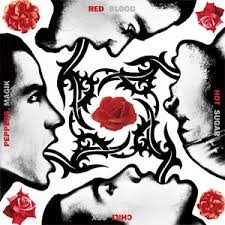
Blood Sugar Sex Magik (1991) stands as the defining masterpiece of the Red Hot Chili Peppers. Produced by Rick Rubin, the album balances raw funk with refined song writing. As a result, it launched them into global stardom.
Songs like “Under the Bridge” and “Give It Away” showcase their versatility. While one track offers vulnerability, the other delivers explosive energy. Therefore, the album captures the full range of the Red Hot Chili Peppers.
Moreover, the stripped-back production enhances every performance. Frusciante’s guitar work shines, while Flea’s bass remains central. Additionally, Kiedis explores more introspective lyrics.
This album transformed the band’s career permanently. Consequently, the Red Hot Chili Peppers became household names worldwide. Even today, it remains their most influential release.


1995 – One Hot Minute
With One Hot Minute (1995), the Red Hot Chili Peppers explored darker territory. Dave Navarro replaced John Frusciante, bringing a heavier and more psychedelic sound. As a result, the album feels distinct within their catalogue.
Tracks like “Warped” and “My Friends” reveal emotional depth and experimentation. Furthermore, the band embraced longer, more complex arrangements. This shift marked a bold departure from previous work.
However, internal struggles affected the album’s cohesion. Despite that, the Red Hot Chili Peppers delivered moments of brilliance. Navarro’s influence added texture and intensity.
Although divisive, the album holds a unique place in their history. Therefore, it represents a period of risk and change. The Red Hot Chili Peppers proved they could evolve under pressure.
1999 – Californication
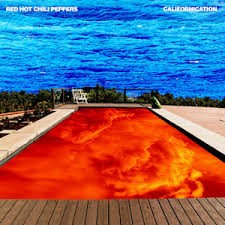
Californication (1999) marked a triumphant comeback for the Red Hot Chili Peppers. John Frusciante returned, restoring the band’s signature chemistry. Consequently, the album defined their modern sound.
Songs like “Scar Tissue” and “Otherside” highlight melodic maturity. Additionally, the band embraced cleaner production and emotional song writing. This shift resonated with a global audience.
Commercially, the album achieved massive success. The Red Hot Chili Peppers re-established themselves as major cultural figures. Moreover, the themes explored fame, addiction, and identity.
This record remains a fan favourite and critical success. Therefore, Californication stands as a defining comeback. The Red Hot Chili Peppers proved their longevity with confidence.
2002 – By the Way
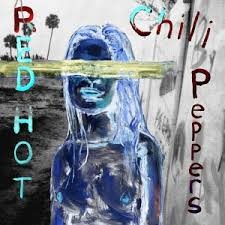
With By the Way (2002), the Red Hot Chili Peppers leaned heavily into melody. John Frusciante’s influence shaped the album’s softer, layered sound. As a result, it feels more introspective and textured.
Tracks like “By the Way” and “Can’t Stop” balance energy and emotion. Furthermore, harmonies play a central role throughout the album. This approach expanded the band’s sonic palette.
Critically, the album received widespread praise. The Red Hot Chili Peppers demonstrated artistic growth and confidence. Additionally, their song writing became more nuanced.
Although some fans missed the heavier funk elements, the evolution felt natural. Therefore, this album represents creative maturity. The Red Hot Chili Peppers embraced a broader musical identity.
2006 – Stadium Arcadium

Stadium Arcadium (2006) stands as the most ambitious project by the Red Hot Chili Peppers. This double album features 28 tracks, showcasing their full range. Consequently, it captures every aspect of their sound.
Songs like “Dani California” and “Snow (Hey Oh)” became major hits. Moreover, the album balances funk, rock, and melody seamlessly. Each track contributes to a cohesive yet expansive experience.
The Red Hot Chili Peppers achieved critical and commercial success with this release. In fact, it earned multiple Grammy Awards. Additionally, the band operated at peak creative synergy.
Although lengthy, the album rarely feels unfocused. Therefore, it highlights their artistic confidence. The Red Hot Chili Peppers delivered a defining statement of their legacy.
2011 – I’m with You
With I’m with You (2011), the Red Hot Chili Peppers entered a transitional phase. Josh Klinghoffer replaced John Frusciante, bringing a different energy. As a result, the album feels more understated.
Tracks like “The Adventures of Rain Dance Maggie” showcase subtle grooves. Furthermore, the band explored new textures and arrangements. This shift reflects a period of adjustment.
While reactions varied, the album demonstrates resilience. The Red Hot Chili Peppers continued evolving despite line up changes. Additionally, Klinghoffer contributed fresh ideas.
Although less explosive, the album offers thoughtful song writing. Therefore, it remains an important chapter. The Red Hot Chili Peppers adapted while maintaining their identity.
2016 – The Getaway
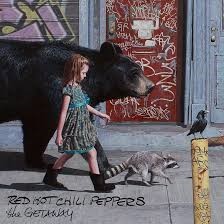
The Getaway (2016) saw the Red Hot Chili Peppers collaborate with Danger Mouse. This change in producer brought a fresh sonic direction. Consequently, the album feels more atmospheric and experimental.
Songs like “Dark Necessities” highlight groove and restraint. Moreover, the production emphasises space and subtlety. This approach contrasts with earlier, more aggressive records.
The Red Hot Chili Peppers embraced a refined sound here. Additionally, Klinghoffer’s role expanded creatively. The album showcases careful song writing and mood.
Although different, the record earned strong critical reception. Therefore, it proves their willingness to evolve. The Red Hot Chili Peppers continued pushing boundaries.
2022 – Unlimited Love
With Unlimited Love (2022), the Red Hot Chili Peppers reunited with John Frusciante again. His return reignited the band’s chemistry immediately. As a result, the album feels vibrant and inspired.
Tracks like “Black Summer” capture their classic energy. Furthermore, the band balances nostalgia with fresh ideas. This blend appeals to both long-time fans and new listeners.
The Red Hot Chili Peppers recorded extensively during this period. Consequently, the album reflects creative abundance. Additionally, their performances feel energised and cohesive.
This release marked a strong comeback. Therefore, it reaffirmed their relevance. The Red Hot Chili Peppers proved their enduring appeal once again.
2022 – Return of the Dream Canteen
Return of the Dream Canteen (2022) followed quickly after Unlimited Love. The Red Hot Chili Peppers released it from the same recording sessions. As a result, it feels experimental and spontaneous.
Tracks like “Tippa My Tongue” highlight playful creativity. Moreover, the band explores unconventional structures and ideas. This freedom adds excitement and unpredictability.
The Red Hot Chili Peppers embraced artistic risk on this album. Additionally, Frusciante’s influence remains strong throughout. The chemistry feels natural and unforced.
Although less polished, the album offers unique moments. Therefore, it complements its predecessor effectively. The Red Hot Chili Peppers showcased their creative momentum during this era.
The Red Hot Chili Peppers have built one of the most dynamic discographies in modern music. From raw beginnings to global dominance, their journey reflects constant evolution. Moreover, their ability to adapt ensures lasting relevance.
Whether exploring early funk chaos or melodic masterpieces, each album tells a story. Therefore, this guide offers a complete roadmap through their legacy.