

Picking between open back vs closed back headphones is one of those fundamental choices that separates the pros from the newcomers. The answer isn’t about which is “better,” but which is right for the job. Open-backs are built for quiet, critical listening, giving you an airy, natural sound. Closed-backs are your shield, designed to block out the world, making them the go-to for live gigs and commuting.
Why This Choice Actually Matters

This isn’t just a technical debate; your headphone choice directly shapes your performance and how you experience music. For a wedding DJ cueing up the next track in a loud ballroom, the right pair means a perfect mix. For an audiophile settling in with a new vinyl record, it’s the difference between just hearing the music and truly feeling it.
We’re going to skip the dry spec sheets and talk about how these headphones actually perform in the real world. From a buzzing event floor to a quiet home studio, we’ll show you which design serves you best. It’s all about finding the right tool for the right environment.
The One Big Design Difference
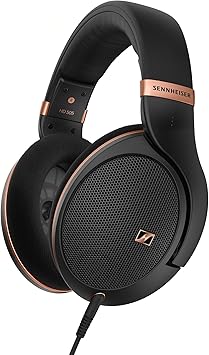
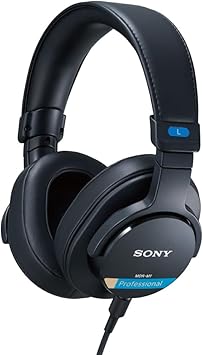
It all comes down to the earcups. Open-back headphones have grilles or vents on the outer shell, letting sound and air move freely. Closed-back headphones, on the other hand, have a solid, sealed shell that completely encloses your ear.
This single design element creates a domino effect, changing everything from the soundstage to how they feel after hours of wear. Understanding how this physical difference works in practice is the key to making the right call. We believe so strongly in curating the right atmosphere that we built a whole philosophy around creating music that feels personal for legendary events.

A Quick Look: The Main Trade-Offs
Before we get into the weeds, this table lays out the core differences. Use this as a starting point to frame your decision.
| Feature | Open-Back Headphones | Closed-Back Headphones |
|---|---|---|
| Primary Use Case | Critical listening in a quiet space | Live events, recording, public listening |
| Sound Isolation | Almost none; you’ll hear your surroundings | Excellent; blocks out most background noise |
| Sound Leakage | High; people nearby will hear your audio | Minimal; the sound stays in |
| Soundstage | Wide and natural, like listening to speakers | Intimate and direct, an “in-your-head” feel |
| Bass Response | Tends to be more accurate and neutral | Often feels more powerful and pronounced |
Key Takeaway: Your environment is everything. If you need to shut out noise or keep your music private, closed-back is your only real choice. If you’re in a quiet room and crave the most natural, spacious sound possible, open-backs are king.
The Core Technical Differences Unpacked

Before you can choose the right headphones, you need to know what makes them tick. The biggest difference between open-back and closed-back headphones comes down to one simple thing: the earcup design. Open-backs have a grille or perforated shell, while closed-backs are sealed tight. That single design choice changes everything, from how the music sounds to where you can actually use them.
These two styles create completely different listening experiences. One is for big, detailed listening in a quiet room, and the other is for blocking out the world so you can focus. Let’s break down what separates them.
Soundstage and Imaging
The first thing you’ll notice is the soundstage. This isn’t just about volume; it’s about how spacious the music feels. It’s what makes a recording sound like it’s happening all around you, not just playing between your ears.
Open-back headphones are brilliant at creating a wide, natural soundstage. Because air and sound can escape through the earcups, you don’t get that pressurised feeling. The music sounds more like it’s coming from a great pair of speakers in a well-set-up room—an “out-of-head” experience.
This wide-open feeling is directly connected to imaging, which is your ability to pick out exactly where each instrument is in the mix. For a producer or a DJ building a complex set, that kind of precision is gold. It lets you hear how all the layers are working together.
On the other hand, closed-back headphones give you a much more direct and intimate sound. The sealed earcups keep everything contained, creating an “in-your-head” feeling that’s powerful and intense. The soundstage is narrower, but the music feels immediate and right there with you.
In Practice: An audiophile listening to a live jazz album at home would want open-backs. You feel like you’re in the club, with the sax on the left and drums on the right. But a DJ in a packed venue needs the punchy, focused sound of closed-backs to hear the next track over the main speakers.
Sound Isolation and Leakage
Next up is how your headphones deal with the outside world. This involves both keeping sound out (isolation) and keeping your music in (leakage). These two things are tied directly to the earcup design and are often the make-or-break factor for most people.
When it comes to isolation, closed-back headphones are the clear winners. Their sealed cups act as a physical barrier, blocking out a serious amount of background noise. For a wedding DJ in Kent, that means you can cue up the next banger perfectly, even with a hundred people cheering.
This design is also fantastic at stopping sound leakage. Your music stays in, so you won’t annoy anyone on the train, in the office, or when you’re in the studio with a vocalist trying to record.
Open-back headphones are the polar opposite. Their open shells offer almost zero sound isolation, so you’ll hear everything going on around you. They also leak a lot of sound, making them a no-go for public spaces or shared offices. This open design really took off for home listening after 1968, when Sennheiser launched the first consumer open-back model. It was a world away from the heavy, boxy closed-backs that came from military tech. You can read more about the history of headphones on Sweetwater.
Frequency Response
A headphone’s frequency response is just a way of describing how well it reproduces all the different sounds, from the deepest bass to the highest treble. While every model is different, open- and closed-back designs have some common traits based on how they’re built.
Open-back headphones are often loved for their natural and even frequency response. Because there’s no sealed chamber, low-frequency pressure can’t build up. This gives you bass that’s tight and accurate, not boomy or overcooked. It’s why they’re the go-to for critical mixing and mastering, where you need to hear the music without any added colour.
Closed-back headphones tend to have a bigger bass kick. The air trapped inside the earcup can create resonances that pump up the low frequencies, giving you a punchier, more powerful bottom end. While it might be less “accurate” in a technical sense, a lot of DJs and casual listeners love that extra impact, especially for genres like house, funk, and hip-hop.
A Practical Comparison For Real-World Scenarios

Specs on a page tell you one thing, but how a pair of headphones actually performs when the pressure is on? That’s the real test. This is where the whole open-back versus closed-back debate gets interesting, moving beyond numbers and into the real world of DJ booths, studios, and daily life.
Let’s break it down. We’ll look at how each type holds up in three very different situations: critical studio work, the chaos of a live gig, and finally, just kicking back to enjoy your favourite tracks.
By the end, you’ll know exactly which style fits what you do.
For Critical Studio Mixing And Playlist Curation
In the studio, it’s all about one thing: honesty. You need to hear a track for what it truly is, warts and all, so you can make the right calls when mixing or building a killer playlist for a big event. This is where open-back headphones earn their keep.
They create a wide, almost speaker-like soundstage that lets the music breathe. Instead of feeling crammed between your ears, you can pinpoint where every instrument sits in the mix. This spaciousness cuts out the boxy, “in-your-head” feeling that can muddy your judgement and helps you create mixes that sound great everywhere.
Closed-back headphones, on the other hand, deliver a more direct, intense sound. While that punch can feel exciting, the sealed cups can sometimes beef up the bass and create tiny audio reflections. This might trick you into making mix adjustments that fall flat on a big club PA system or a client’s home setup.
Key Differentiator: For pure, uncoloured audio analysis in a quiet room, open-back headphones offer superior transparency and a more truthful representation of your mix. They are the precision instrument for studio work.
For Live DJ Performances
A live gig is a world away from the studio. Forget quiet and controlled—you’re battling a roaring crowd and a wall of sound from the main speakers. Here, your priorities flip. It’s no longer about perfect audio purity; it’s about control, focus, and one thing above all: isolation.
This is closed-back territory. In fact, they’re non-negotiable. The sealed design acts as a barrier, giving you vital passive noise isolation so you can actually hear the track you’re cueing over the venue’s racket. Without it, beatmatching is just guesswork.
It’s no surprise that 72% of London event professionals swear by closed-backs for live work. They know that in a packed Kent wedding hall where sound levels can hit 85-95 dB, you need that seal to stay in control. Open-back headphones would be a disaster here. They offer zero isolation, meaning the house system would flood your ears, and their sound leakage would bleed straight into any nearby mics, creating a feedback nightmare.
For Audiophile And Casual Listening
When you’re just listening for the love of it, the right choice is all about where you are. For an audiophile settled in a quiet room at home, the goal is pure immersion. Open-back headphones deliver an experience that’s hard to beat, creating an expansive sound that feels like you’re sitting in front of a high-end stereo system. To get the most out of your gear, it’s always worth knowing how to properly care for your audio equipment.

But the second you walk out the door, those strengths become weaknesses. The sound leakage will annoy everyone around you on the train, and the lack of isolation means you’d have to crank the volume to dangerous levels just to hear your music on a busy street.
For your commute, the office, or anywhere in public, closed-back headphones are the only sensible choice. They keep your music to yourself and block out the world, letting you sink into the sound. Thinking about the bigger picture, a great pair of headphones can also be one of the most essential home theater accessories, giving you that cinematic, immersive feel without waking up the rest of the house.
To make the decision even clearer, let’s put these scenarios side-by-side.
Situational Performance Open Back vs Closed Back
| Use Case Scenario | Open-Back Headphones Performance | Closed-Back Headphones Performance | VinylGold’s Recommendation |
|---|---|---|---|
| Studio Mixing & Mastering | Excellent. Natural, wide soundstage. Prevents ear fatigue. The top choice for critical listening in a quiet space. | Good. Can have slightly exaggerated bass. Useful for checking mix translation and power. | Open-Back for primary mixing; Closed-Back for a final check. |
| Live DJing & On-Site Events | Unsuitable. No noise isolation means you can’t cue tracks. Sound leakage causes feedback issues. | Essential. Excellent noise isolation for clear cueing in loud venues. Durable and reliable. | Closed-Back, no question. It’s the industry standard for a reason. |
| Audiophile Home Listening | Superb. Unmatched immersive, speaker-like experience. Perfect for detailed, critical listening in a silent room. | Very Good. Offers a powerful, intimate sound. Good for bass-heavy genres, but less spacious. | Open-Back for the ultimate purist experience. |
| Commuting & Public Use | Poor. Leaks sound, disturbing others. Offers no isolation from outside noise. | Excellent. Keeps music private and blocks out ambient noise, making it ideal for travel or office use. | Closed-Back is the only practical and considerate option. |
| Hosting a Party/Event | Not Recommended. Offers no ability to monitor sound over the party’s noise. | Ideal. Allows the host or planner to check audio feeds or playlists without being drowned out by guests. | Closed-Back for any on-the-ground event work. |
At the end of the day, the right headphone isn’t about which is “better” overall, but which is better for the task at hand. Hopefully, this clears up exactly where each type shines.
When To Choose Open-Back Headphones
Picking up a pair of open-back headphones is a conscious choice. It’s a decision you make when nothing matters more than pure, uncoloured sound. These aren’t for the morning commute or a noisy office; they are a specialised tool for the purist. Think producers, mix engineers, and serious audiophiles who have set up a quiet space just for listening. Their greatest strength is also their biggest weakness.
The magic of open-backs comes from their wide-open, natural soundstage. Because the earcups are vented instead of sealed, sound isn’t trapped. It escapes and dissipates just like it would in a real room, giving you an “out-of-head” experience that feels incredibly similar to listening to a pair of high-end speakers. It’s the complete opposite of that direct, “in-your-head” feeling you get from closed-back models.
For Critical Listening And Mixing
In the studio, this kind of transparency is everything. When you’re mixing or mastering a track, you need to hear every single detail with brutal honesty. This is where open-backs really shine, helping you spot tiny imperfections, make razor-sharp EQ adjustments, and place every instrument perfectly in the mix.
That same quality is just as important for a DJ working on a set at home. Hearing how the long reverb tail of one track melts into the opening beats of the next is so much easier when the sound is spacious and airy. The result is a mix that sounds far more professional and polished when you finally play it for a crowd.
Key Insight: Open-back headphones don’t flatter your music; they reveal it. This makes them an essential tool for anyone making critical audio decisions, because they expose flaws that more forgiving headphones would simply gloss over.
Their honest, neutral frequency response also stops low-end pressure from building up. This means the bass sounds tight and articulate, not boomy or overwhelming. That accuracy ensures your mixes will translate well everywhere, from a massive club soundsystem to a standard car stereo.
For The Dedicated Vinyl Enthusiast
The appeal of open-backs runs deep in the audiophile world, especially for vinyl lovers. These listeners are chasing the most authentic reproduction of the original recording, and the speaker-like quality of open-backs delivers exactly that. They honour the warmth and dynamic range of a well-pressed record, presenting it with a wonderful sense of air and realism.
This isn’t a niche trend, either. A 2026 GfK UK report shows that open-backs now command a 22% market share among audiophiles, which is an 8% jump since 2022. This growth is being driven by vinyl collectors and old-school house fans who want the most natural sound possible. You can get more great insights on the differences between headphone types on Sweetwater.
In the end, open-back headphones are for moments when sound can be truly savoured without any distractions. They’re built for the quiet times: a late-night mixing session, carefully building a playlist, or that simple joy of dropping the needle on a favourite album. If you can control your environment and you demand flawless audio, open-backs are the only way to go.
When To Choose Closed-Back Headphones
Once you step out of the quiet studio and into the real world, the rules change entirely. This is where closed-back headphones prove their worth, becoming the undeniable workhorse for performers and listeners on the move. They’re built for one thing: thriving in environments where control and focus are everything.
Their biggest strength is sound isolation. For anyone working in a noisy space, this feature isn’t just a nice-to-have; it’s non-negotiable. Picture a DJ at a buzzing corporate event or a packed London club—that isolation is a professional lifeline. It lets you hear your cue mix with absolute clarity over the thumping main speakers, guaranteeing every transition lands perfectly.
This isolation is a two-way street. It blocks out the world so you can concentrate, but it also stops your audio from leaking out and bothering others. That makes them the only real choice for recording vocals in a studio, as they prevent the headphone track from bleeding into the microphone.
The Go-To Choice For Public And Performance Use
The practical wins extend far beyond the DJ booth. If you’re listening to music on the go, whether on the tube, in a busy office, or just enjoying a podcast in a café, closed-back headphones are both the considerate and the smart choice. You can get lost in your own world without forcing it on everyone else.
This is especially true in a city. A 2026 Ofcom report found that 65% of London adults aged 25-44 use closed-back headphones. They rely on the noise isolation to cut through the city’s hum, which can hit 70 dB in boroughs like Lewisham, making a private listening bubble essential. You can find more detail on UK consumer tech trends on SoundGuys.
The Bottom Line: If you listen anywhere with background noise, or where other people are close by, closed-back headphones aren’t just an option—they’re the standard. Their power to create a personal audio sanctuary is their defining feature.
Built For The Demands Of Live Events
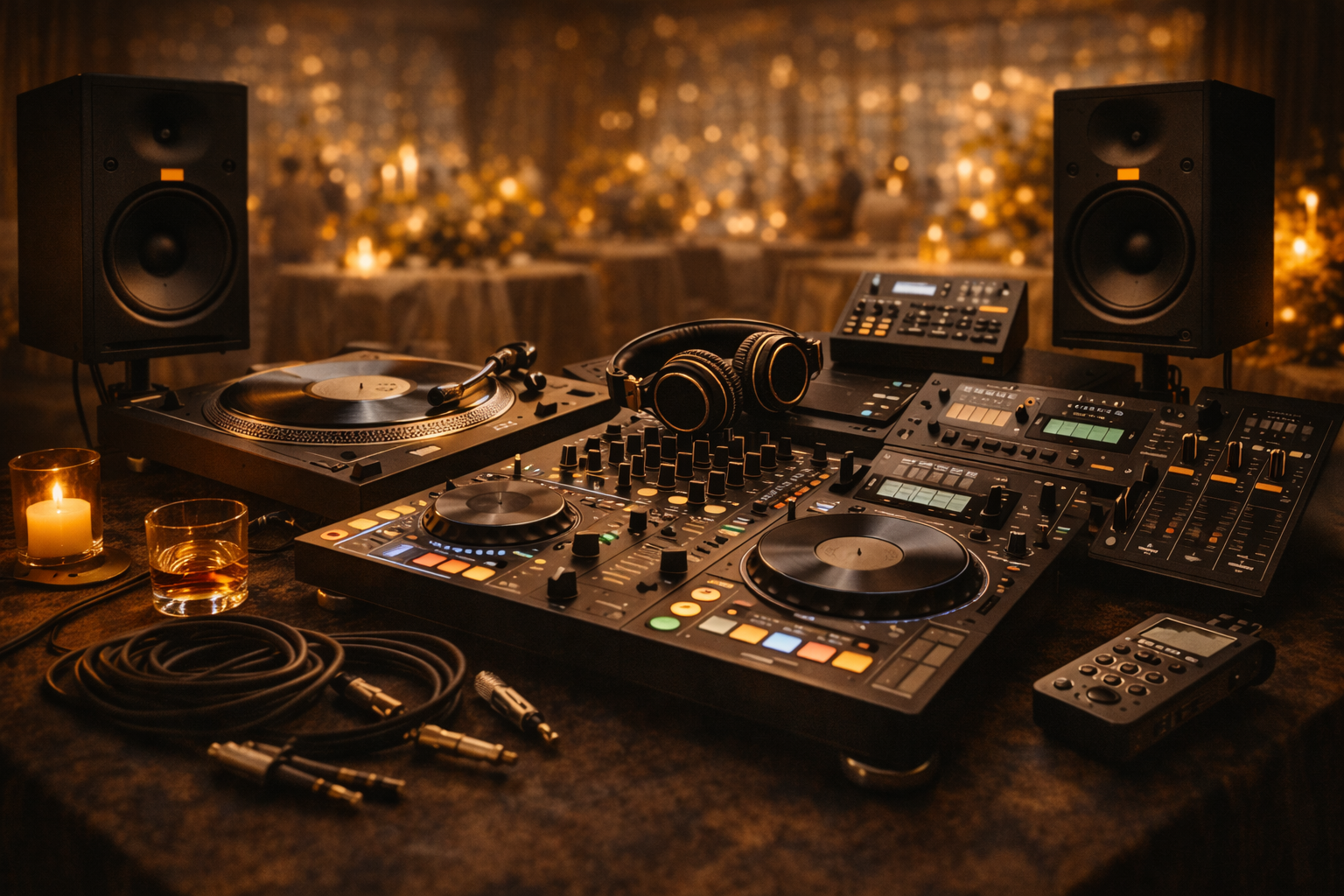
It’s not just about isolation. Closed-back headphones are almost always engineered for toughness. They’re made to survive the chaos of live performance, from being thrown in a gear bag to the occasional drop in a frantic DJ booth. That robust build delivers the reliability professionals depend on, night after night. You can see our thoughts on why dependable gear is so critical to achieving golden vibes in the DJ booth.
Many closed-back models also come with an enhanced bass response. The sealed cups create a pressurised space around your ear that naturally beefs up low frequencies, giving you a punchy, powerful sound. While not as pure or “neutral” as their open-back cousins, that powerful low end is a massive plus for DJs, helping them feel the beat and lock their mixes in with confidence.
Ultimately, when you’re weighing open-back vs closed-back headphones, your environment picks the winner. If you need isolation, durability, and a punchy sound for performing or listening in public, the closed-back design is the definitive answer.
Making Your Final Decision
Choosing between open-back and closed-back headphones comes down to a few honest questions about your listening habits. While the technical details are fascinating, it’s your real-world needs that should guide your investment.
Think of it as a simple diagnostic. Your answers will point you directly to the right pair, making sure your new gear is a perfect fit for your goals. Let’s run through the essential checklist.
The Decision Checklist
Answering these questions will make your choice much simpler. Be honest about how you’ll primarily use them, because that single factor determines which design will give you the best experience.
-
Where will you do most of your listening? If it’s a quiet, private space like a home studio or a dedicated listening room, open-back headphones offer a superior, more natural sound. But if you’re heading anywhere with background noise—from a coffee shop to a wedding venue—you absolutely need the isolation of a closed-back design.
-
Is blocking outside noise your top priority? For a DJ cueing up tracks in a loud club or a commuter trying to tune out train noise, the answer is a clear yes. This makes closed-back headphones the only real choice. Their power to create a private listening bubble is their single greatest asset.
-
Are you mixing and mastering or performing live? For critical studio work where audio transparency is everything, open-back headphones are the industry standard. For any kind of live performance, recording, or on-site event work, the durability and sound isolation of closed-back headphones are non-negotiable.
-
What devices will you use to power them? While plenty of modern headphones work well with standard gear, some high-end open-back models have higher impedance and might need a dedicated headphone amplifier to sound their best. Most closed-back headphones, on the other hand, are built to be easily driven by phones, laptops, and DJ controllers.
This simple decision tree shows how the need for isolation is the main reason you’d choose closed-back headphones for any kind of live performance or public use.

The flowchart makes it plain: if your work or listening demands that you’re shielded from your environment, closed-back headphones are the right tool for the job.
The Final Recommendation
By now, your decision should feel much clearer. The core principle is simple and reinforces everything we’ve covered about when to choose open-back vs closed-back headphones.
Invest in open-back headphones for critical, solitary listening where sound quality is the only concern. Choose closed-back headphones for performance, recording, and any situation where sound isolation and privacy are required.
By following this guidance, you aren’t just buying a piece of equipment; you’re investing in the right tool for a better sound experience. Whether you’re a DJ curating the perfect set, a producer polishing a mix, or an audiophile savouring a record, the right headphones empower you to do your best work and enjoy every minute of it.
Frequently Asked Questions
When you’re weighing up open-back versus closed-back headphones, a few questions always seem to pop up. Getting the right answers is key to making sure you invest in gear that actually works for you, whether you’re spinning records at a wedding or just getting lost in music at home.
Can I Use Open-Back Headphones For DJing?
In a word, no. Open-back headphones are designed to let sound flow freely in and out, which is a recipe for disaster in a loud club or event space. You simply wouldn’t hear your cue track over the main PA system, making a smooth beatmatch next to impossible.
On top of that, the sound leaking from your headphones is almost guaranteed to be picked up by any nearby microphones. That creates a high risk of feedback, which can derail the audio for the entire event. For any live gig, the noise isolation you get from a closed-back design isn’t just a bonus—it’s essential.
Are Open-Back Headphones Safer For Your Ears?
This one isn’t as straightforward as it seems. Open-backs can feel more comfortable over long listening sessions because they don’t create that pressurised feeling and they let your ears breathe. But because they offer zero noise isolation, there’s a huge temptation to crank up the volume to block out your surroundings. That’s a serious risk to your hearing.
Key Insight: Real ear safety is less about the type of headphone and more about listening habits. The golden rule is to keep the volume at a moderate level and take breaks, no matter which design you choose.
Which Type Is Better For Recording Vocals?
For recording vocals, closed-back headphones are the only real choice. When a vocalist is in the booth, they’re listening to the backing track while they sing. You absolutely have to stop that track from bleeding into the highly sensitive studio microphone.
The sealed cups of a closed-back model are designed to contain the sound, preventing leakage and ensuring you get a clean, isolated vocal take. If you used open-backs, the microphone would pick up a faint, ghost-like version of the backing track, making the recording unusable for any professional work.
Do I Really Need A Headphone Amplifier?
It all comes down to the specific headphones you’re using. Most closed-back models are built for efficiency, meaning they work perfectly well plugged directly into a laptop, phone, or DJ controller. However, many high-end, audiophile-focused open-back headphones have high impedance, which means they need more power to sound their best. Without a dedicated amp, they’ll sound quiet, thin, and lifeless.
For VinylGold’s corporate activations in Kent, closed-back headphones are a perfect fit. A 2026 SoundPro UK survey of 1,200 event professionals found that 78% rate them as superior for blocking out distractions like crowd chatter and air conditioning. That’s crucial for maintaining ‘intention over volume’ with thoughtful music transitions. You can read more about what these event pros discovered on SoundGuys.com.
At VinylGold, we know that the right equipment makes all the difference. We’ve curated a selection of professional-grade audio gear, chosen for its reliability and outstanding performance in the real world. Find your perfect sound at vinylgold.co.uk.