
Few bands capture 1960s pop culture like The Monkees. Created for television, The Monkees quickly became a genuine musical force. Their catchy songs, evolving artistry, and cultural impact still resonate today. This complete guide explores every studio album, charting their journey from manufactured pop to creative independence.
Quick Answers About The Monkees
Did The Monkees actually play their own instruments?
At first, The Monkees relied on session musicians for their early recordings. However, they pushed back against that approach. By 1967, they took control during Headquarters. From that point onward, The Monkees played most instruments themselves and shaped their sound directly.
Who was the most successful Monkee?
Each member found success, yet Michael Nesmith stands out for long-term influence. While Davy Jones gained fame as a teen idol, Nesmith helped pioneer country-rock. Additionally, he played a key role in developing music video concepts that later shaped MTV.
How many albums did The Monkees release?
In total, The Monkees released 13 studio albums between 1966 and 2018. These albums reflect major shifts in style, line-up, and creative control.


1966 – The Monkees
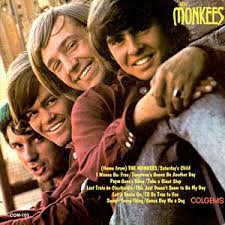
The debut album The Monkees (1966) launched The Monkees into global fame almost instantly. From the start, this record delivered polished pop with strong hooks and wide appeal. Although producers guided much of the process, the performances still captured youthful energy. Consequently, the album topped charts and became a commercial powerhouse.
Moreover, The Monkees connected with a massive audience through both music and television exposure. Their sound blended rock, pop, and folk elements, which defined mid-1960s radio. Even though session musicians handled instrumentation, the vocals gave the album personality. As a result, listeners embraced The Monkees as more than a TV act.
Additionally, the album’s success built a strong foundation for future releases. It introduced a formula that worked commercially while hinting at deeper potential. Over time, fans began to expect more creative input from The Monkees. Therefore, this debut stands as both a starting point and a benchmark.
Ultimately, The Monkees proved they could dominate charts and capture cultural attention with ease.
1967 – More of The Monkees
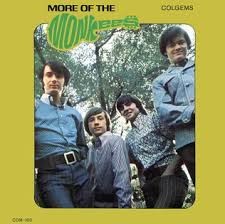
Released in 1967, More of The Monkees became the biggest-selling album by The Monkees. It built directly on their debut success while refining their pop formula. As a result, the album quickly reached number one and stayed there for weeks.
However, tensions grew behind the scenes during production. While producers still controlled recordings, The Monkees wanted greater artistic involvement. This conflict shaped the album’s legacy just as much as its chart performance.
Musically, The Monkees delivered catchy melodies and polished arrangements that appealed to mainstream audiences. Furthermore, the album reinforced their dominance in the pop market. Despite limited creative input, their vocal performances remained strong and engaging.
Meanwhile, critics later reassessed the album with a more balanced view. Although it leaned heavily on external writers, it still captured the era’s sound. Consequently, The Monkees used this moment to push for change.
In hindsight, this album represents both peak commercial success and a turning point toward artistic independence.
1967 – Headquarters
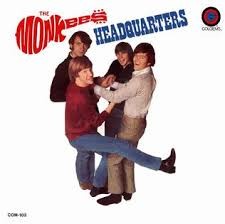
With Headquarters (1967), The Monkees took full control of their music for the first time. Determined to prove themselves, they played their own instruments and shaped every track. As a result, the album marked a major shift in credibility.
Unlike earlier releases, The Monkees embraced a raw and direct sound here. This approach gave the album a more authentic feel. Additionally, their song writing improved as they explored personal and creative ideas.
The album reached number one, which confirmed that audiences supported their independence. Moreover, it silenced critics who questioned their abilities. The Monkees demonstrated they could function as a real band.
Furthermore, the recording process strengthened their identity as musicians. Although the sound felt less polished, it gained character and depth. Consequently, fans connected with this new direction.
In the broader discography, Headquarters stands as a defining moment. It proved that The Monkees could evolve and take control of their artistic path.
1967 – Pisces, Aquarius, Capricorn & Jones Ltd.
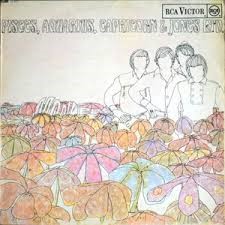
Later in 1967, Pisces, Aquarius, Capricorn & Jones Ltd. showcased a confident and evolving The Monkees. Building on their previous success, the band combined creative control with polished production. As a result, the album achieved both critical praise and commercial success.
Notably, The Monkees experimented with new sounds, including early synthesizer use. This decision reflected the growing influence of psychedelic music. At the same time, they maintained strong pop sensibilities.
Furthermore, song writing became more refined across the album. Each member contributed ideas, which added variety and depth. Consequently, The Monkees expanded their musical identity.
The album also reached number one, reinforcing their dominance during this period. However, it avoided the internal conflicts that affected earlier releases. Instead, it balanced creativity with accessibility.
In many ways, this album represents the peak of The Monkees as a cohesive unit. It blends experimentation and structure effectively, making it one of their most respected works.
1968 – The Birds, The Bees & The Monkees
Released in 1968, The Birds, The Bees & The Monkees reflected a changing dynamic within The Monkees. Although still successful, the album showed signs of individual direction rather than group unity.
Each member worked more independently during recording sessions. As a result, the album feels more like a collection of solo efforts. However, The Monkees still delivered memorable songs and strong performances.
Commercially, the album performed well and produced major hits. Yet, internal tensions became more visible during this period. Additionally, this release marked the last major contribution from Peter Tork for many years.
Musically, The Monkees explored diverse styles, from pop to experimental sounds. This variety added interest but reduced cohesion. Nevertheless, fans appreciated the range of material.
Ultimately, the album captures a transitional phase. While The Monkees remained popular, their group identity began to shift noticeably.
1968 – Head (Soundtrack)
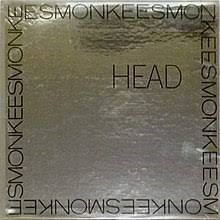
The Head (1968) soundtrack presented a bold and experimental side of The Monkees. Created alongside their feature film, the album pushed beyond traditional pop boundaries. As a result, it challenged both fans and critics.
Instead of following a standard format, The Monkees embraced fragmented structures and unconventional production. This approach reflected the psychedelic era and artistic ambition.
Although the film struggled commercially, the soundtrack gained later appreciation. Critics eventually recognized its creativity and risk-taking. Furthermore, The Monkees used this project to break away from their established image.
The album features a darker tone compared to earlier releases. Consequently, it highlights a more introspective side of the band. This shift added depth to their overall discography.
In retrospect, Head stands as one of the most daring releases by The Monkees. It may not have succeeded immediately, but it remains influential and unique.
1969 – Instant Replay
With Instant Replay (1969), The Monkees continued as a trio following Peter Tork’s departure. This change affected both the sound and structure of the album.
Despite line-up changes, The Monkees maintained a steady release schedule. The album includes a mix of previously recorded material and newer tracks. As a result, it offers a varied listening experience.
Additionally, the band explored different musical styles across the record. While some songs feel experimental, others return to familiar pop roots. Consequently, the album lacks a unified direction.
Commercially, it did not match earlier successes. However, The Monkees still demonstrated resilience during a challenging period.
Ultimately, Instant Replay reflects a band adjusting to change. Although inconsistent, it provides insight into their evolving creative process.
1969 – The Monkees Present
Released in 1969, The Monkees Present emphasized individual creativity within The Monkees. Each member contributed distinct tracks, highlighting personal styles.
As a result, the album feels like a series of solo showcases rather than a unified project. However, this structure allowed The Monkees to explore different musical directions.
Moreover, song writing became more personal and experimental. This shift gave the album a unique identity. At the same time, it reduced overall cohesion.
Commercial performance declined compared to earlier releases. Nevertheless, The Monkees continued to push creative boundaries.
In essence, this album captures a band redefining itself. While not as commercially strong, it remains an important part of their artistic journey.
1970 – Changes
By 1970, Changes marked a major shift for The Monkees. Only two members remained actively involved, which significantly altered the group dynamic.
The album returned to a more producer-driven approach. As a result, The Monkees lost much of the creative control they had gained earlier.
Musically, the record leans toward polished pop rather than experimentation. While accessible, it lacks the depth of previous albums.
Commercially, it performed modestly compared to earlier successes. However, The Monkees still delivered moments of charm and energy.
Ultimately, Changes represents the end of an era. It closes the original run of albums while highlighting the challenges the band faced.
1987 – Pool It!
After years apart, The Monkees returned with Pool It! (1987). This reunion album capitalized on renewed interest in their music.
Although not all original members participated fully, the album still carried nostalgic appeal. Additionally, The Monkees adapted their sound to fit 1980s production trends.
The result feels different from their earlier work. However, it introduced The Monkees to a new generation of listeners.
Commercially, the album achieved moderate success. More importantly, it reignited interest in their legacy.
In context, Pool It! serves as a bridge between past and present. It shows how The Monkees remained relevant decades later.
1996 – Justus
With Justus (1996), all four original members of The Monkees reunited creatively. They wrote, performed, and produced the entire album themselves.
This approach returned to the spirit of Headquarters. As a result, The Monkees delivered a cohesive and authentic project.
Musically, the album blends classic influences with modern production. Furthermore, it highlights their growth as musicians.
Although it did not achieve major commercial success, it earned respect from fans. The Monkees proved they still had creative chemistry.
Ultimately, Justus stands as a meaningful reunion. It reinforces their identity as a genuine band.
2016 – Good Times!
Released in 2016, Good Times! marked a celebrated return for The Monkees. The album combined new recordings with contributions from classic collaborators.
Critically, it received strong praise for its song writing and production. Additionally, The Monkees balanced nostalgia with fresh ideas.
The album features a mix of modern and vintage influences. As a result, it appeals to both long-time fans and new listeners.
Commercially, it performed well and reintroduced The Monkees to mainstream audiences.
In many ways, Good Times! represents a late-career highlight. It proves their music still resonates decades later.
2018 – Christmas Party
The final studio album, Christmas Party (2018), offers a festive take on The Monkees sound. It combines classic holiday songs with new material.
Although seasonal in nature, the album maintains the band’s signature style. Additionally, The Monkees deliver performances that feel warm and engaging.
The project includes contributions that connect past and present eras. As a result, it serves as both a celebration and a farewell.
Fans appreciated the album for its nostalgic value and charm.
Ultimately, Christmas Party closes the studio discography on a positive note. It highlights the enduring appeal of The Monkees.
Across decades, The Monkees evolved from a television concept into a respected musical act. Their albums reflect growth, experimentation, and resilience. While early releases focused on commercial success, later work showed artistic ambition.
For new listeners, this discography offers a clear journey through changing musical landscapes. Meanwhile, long-time fans can appreciate how The Monkees adapted over time.
In the end, their legacy remains strong because of both great songs and creative determination.