
Few bands reinvent themselves as boldly as The Cult. From shadowy post-punk roots to stadium-shaking hard rock, their journey remains one of rock’s most compelling evolutions. Moreover, their ability to shift sound without losing identity keeps fans engaged across decades. While many bands chase trends, The Cult often reshape them instead.
At the centre of this transformation stand Ian Astbury and Billy Duffy. Together, they forged a partnership that blends mysticism, raw energy, and sonic ambition. Consequently, their discography offers both consistency and reinvention.
This guide explores every studio album, while also answering key questions that define their legacy. Whether you prefer their gothic beginnings or their arena rock dominance, The Cult deliver a catalogue worth revisiting.
Who are the original members of The Cult?
At its core, The Cult revolves around Ian Astbury and Billy Duffy. Although early line-ups shifted, these two defined the band’s sound and vision. Astbury brings a spiritual, almost shamanic vocal presence. Meanwhile, Duffy delivers powerful, riff-driven guitar work.
Together, they created a dynamic that drives every era of The Cult. Therefore, while other members contributed, Astbury and Duffy remain the true constants.
Is The Cult a Goth band or a Rock band?
Initially, The Cult emerged from the post-punk and gothic scene. Their early work, especially Dreamtime (1984), leans heavily into tribal rhythms and atmospheric textures. However, the band quickly evolved.
By the time Electric (1987) arrived, The Cult embraced a stripped-down hard rock sound. Consequently, they moved away from gothic aesthetics toward a more mainstream rock identity. Today, they stand as both—a band that successfully bridged goth and hard rock.
What is The Cult’s biggest hit?
The Cult produced several iconic tracks, but a few stand above the rest. “She Sells Sanctuary” remains their defining anthem, blending mood and melody perfectly. Meanwhile, “Fire Woman” pushed them firmly into arena rock territory. Additionally, “Love Removal Machine” showcases their raw, riff-heavy power.
Each track highlights a different phase of The Cult, which explains their lasting popularity.
What happened to The Cult in 1995?
Tensions reached a breaking point during a South American tour in 1995. As a result, The Cult disbanded amid internal struggles. Around this time, the unreleased Black Rain project symbolised uncertainty and creative conflict.
Although the split felt definitive, it proved temporary. Eventually, Astbury and Duffy reunited, bringing renewed focus to The Cult.
Are The Cult still together?
Yes, The Cult remain active and continue to tour regularly. In fact, they have released several modern albums, including Hidden City (2016) and Under the Midnight Sun (2022). These records show a band still evolving while honouring its roots.
Therefore, The Cult continue to attract both longtime fans and new listeners.
Dreamtime (1984)
The Cult began their journey with Dreamtime (1984), a record steeped in post-punk atmosphere and tribal energy. From the outset, The Cult embraced mysticism, drawing inspiration from Native American themes and spiritual imagery. Consequently, this debut stands apart from typical releases of the era.
Musically, The Cult combine driving basslines with textured guitars. Meanwhile, Ian Astbury’s vocals create an almost ritualistic tone. Songs like “Spiritwalker” capture the band’s early identity perfectly. Furthermore, the production feels raw, which enhances its authenticity.
Although later albums would shift direction, The Cult establish a clear artistic vision here. Therefore, Dreamtime acts as a foundation for everything that follows. Additionally, its gothic undertones connect strongly with early 1980s alternative scenes.
While some listeners prefer their harder rock phase, many still admire this debut. In fact, The Cult demonstrate confidence rarely seen in first albums. As a result, Dreamtime remains essential listening for understanding their origins.
Ultimately, The Cult introduce themselves with purpose and originality. Even today, this album resonates with fans who appreciate atmosphere and depth.
Love (1985)
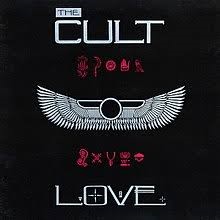
With Love (1985), The Cult achieved their breakthrough moment. This album refines their gothic roots while introducing broader appeal. As a result, it became a defining release in their catalogue.
Most notably, “She Sells Sanctuary” propelled The Cult into international recognition. Its shimmering guitars and hypnotic rhythm create an unforgettable sound. Meanwhile, tracks like “Rain” maintain the band’s moody aesthetic. Therefore, the album balances accessibility with atmosphere.
Production also plays a key role here. Compared to Dreamtime, The Cult sound more polished and confident. Additionally, Billy Duffy’s guitar work expands in scope, adding melodic richness. Consequently, the band reaches a wider audience.
Despite its success, The Cult retain their identity throughout. They avoid over-commercialisation, which strengthens their credibility. Furthermore, Ian Astbury’s vocals carry emotional weight across every track.
In many ways, Love represents the peak of their early style. However, it also hints at future changes. As listeners explore the album, they hear a band ready to evolve.
Ultimately, The Cult deliver a timeless record that still influences alternative rock today.


Electric (1987)
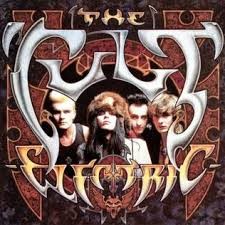
Everything changed with Electric (1987), as The Cult fully embraced hard rock. Produced by Rick Rubin, the album strips away gothic elements entirely. Instead, it delivers raw, high-voltage energy.
From the opening track, The Cult channel a sound reminiscent of classic rock giants. Riffs take centre stage, while the rhythm section drives relentlessly. Consequently, songs like “Love Removal Machine” feel immediate and powerful.
This shift surprised many fans. However, The Cult commit fully to their new direction. Therefore, Electric succeeds because of its confidence and clarity. Additionally, the production keeps everything tight and focused.
Ian Astbury adapts his vocal style effectively. Meanwhile, Billy Duffy’s guitar work becomes more aggressive. Together, they redefine what The Cult can be. As a result, the band expands its audience significantly.
Although some critics questioned the departure, the album aged remarkably well. In fact, The Cult prove their versatility through bold reinvention.
Ultimately, Electric stands as a turning point. It marks the moment The Cult transformed into a major hard rock force.
Sonic Temple (1989)
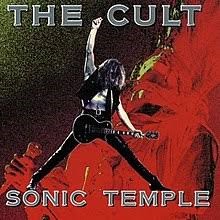
With Sonic Temple (1989), The Cult reached arena rock heights. Building on Electric, they expanded their sound with bigger production and grander arrangements. Consequently, this album feels both ambitious and accessible.
“Fire Woman” became a massive hit, showcasing The Cult at their most confident. Meanwhile, tracks like “Sun King” highlight their ability to blend melody with power. Therefore, the album appeals to a wide audience.
Production plays a crucial role here. The Cult embrace a polished, radio-friendly approach without losing intensity. Additionally, Billy Duffy’s riffs remain central, while the rhythm section adds depth.
Ian Astbury delivers one of his strongest vocal performances. His presence commands attention throughout the album. As a result, The Cult solidify their reputation as a top-tier rock act.
Although some critics noted its commercial leanings, fans embraced the sound. Furthermore, the album’s success confirmed their evolution. It proved The Cult could dominate mainstream rock.
Ultimately, Sonic Temple captures the band at their peak popularity. Even today, it remains one of The Cult’s most celebrated releases.
Ceremony (1991)
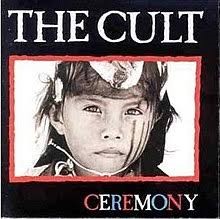
Ceremony (1991) represents a transitional phase for The Cult. While it continues their hard rock direction, it introduces heavier and more complex elements. Consequently, the album divides opinion among fans.
From the start, The Cult experiment with darker tones. Songs like “Wild Hearted Son” balance melody with intensity. Meanwhile, other tracks explore deeper, blues-inspired sounds. Therefore, the album feels more layered than its predecessor.
Production also shifts slightly. Although still polished, it carries a heavier atmosphere. Additionally, Ian Astbury’s vocals take on a more introspective tone. This change reflects the band’s evolving mindset.
Despite mixed reception, The Cult maintain strong songwriting throughout. They avoid repetition, which keeps the album engaging. Furthermore, Billy Duffy continues to deliver powerful guitar work.
Over time, many listeners have reassessed Ceremony. In fact, some now view it as an underrated entry. It bridges the gap between their commercial peak and later experimentation.
Ultimately, The Cult use this album to explore new territory. While not universally loved, it adds depth to their discography.
The Cult (1994)
Often called the “Black Sheep,” The Cult (1994) sees the band take risks. Rather than repeat past success, The Cult embrace a darker, grungier sound. Consequently, this album stands apart from earlier work.
Musically, The Cult incorporate alternative and experimental influences. Guitars sound heavier and more textured. Meanwhile, the overall tone feels introspective and brooding. Therefore, the album reflects the early 1990s landscape.
Ian Astbury delivers emotionally charged vocals. At the same time, Billy Duffy explores less conventional guitar work. Together, they push The Cult into new territory. As a result, the album feels bold and unpredictable.
Reception at the time remained mixed. However, many fans now appreciate its ambition. Additionally, it showcases The Cult’s willingness to evolve again.
This period also led toward internal tensions. Therefore, the album carries a sense of instability. Nevertheless, it remains an important chapter in their story.
Ultimately, The Cult prove they will not stay static. Even when risks divide audiences, they continue to innovate.
Beyond Good and Evil (2001)
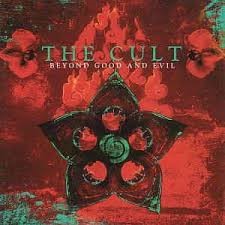
After several years apart, The Cult returned with Beyond Good and Evil (2001). This album marked a powerful comeback. Moreover, it reintroduced the band to a new generation.
From the opening track, The Cult deliver a modern, aggressive sound. Heavy riffs dominate, while production feels contemporary. Consequently, the album aligns with early 2000s rock trends.
Ian Astbury sounds revitalised throughout. Meanwhile, Billy Duffy brings sharp, focused guitar work. Together, they reaffirm the core identity of The Cult. Therefore, the album feels both fresh and familiar.
Songs like “Rise” highlight their renewed energy. Additionally, the overall pacing keeps listeners engaged. As a result, the comeback feels convincing.
Although it did not match earlier commercial peaks, it earned respect. Fans appreciated the band’s determination to move forward. Furthermore, The Cult prove they still have creative drive.
Ultimately, this album signals a new chapter. It shows that The Cult can adapt to changing musical landscapes.
Born Into This (2007)
With Born Into This (2007), The Cult refined their modern sound. Rather than chase trends, they focused on raw rock energy. Consequently, the album feels direct and confident.
The production strips back excess. This approach allows The Cult to emphasise songwriting and performance. Meanwhile, the music carries a live, unpolished feel. Therefore, the album connects strongly with fans.
Ian Astbury’s vocals remain commanding. At the same time, Billy Duffy delivers tight, effective riffs. Together, they maintain the essence of The Cult. As a result, the album feels authentic.
Tracks like “Dirty Little Rockstar” showcase their straightforward approach. Additionally, the pacing keeps momentum throughout. Consequently, listeners stay engaged from start to finish.
Although not a mainstream breakthrough, it strengthened their legacy. Fans appreciated the consistency and honesty. Furthermore, The Cult demonstrate resilience.
Ultimately, Born Into This reinforces their identity. It proves they can deliver solid rock without relying on past formulas.
Choice of Weapon (2012)
Choice of Weapon (2012) marks a return to form for The Cult. The album blends their classic elements with modern production. Consequently, it appeals to both longtime fans and newcomers.
Musically, The Cult balance atmosphere with power. Songs like “Honey from a Knife” highlight this blend. Meanwhile, other tracks explore cinematic textures. Therefore, the album feels expansive and cohesive.
Production plays a key role in shaping its sound. The Cult use layered arrangements effectively. Additionally, the pacing allows each track to stand out. As a result, the listening experience feels immersive.
Ian Astbury delivers nuanced vocal performances. At the same time, Billy Duffy balances melody and aggression. Together, they create a dynamic sound. Consequently, The Cult regain critical respect.
Fans welcomed the album enthusiastically. Many viewed it as a strong comeback. Furthermore, it confirmed the band’s continued relevance.
Ultimately, Choice of Weapon shows maturity and confidence. The Cult prove they can evolve while honouring their past.
Hidden City (2016)
With Hidden City (2016), The Cult explored deeper themes. This album completes a trilogy of modern releases. Moreover, it reflects a more introspective phase.
Musically, The Cult incorporate layered arrangements and atmospheric elements. Guitars remain powerful, yet more nuanced. Meanwhile, the production creates a rich soundscape. Therefore, the album rewards repeated listening.
Ian Astbury’s lyrics focus on spirituality and reflection. At the same time, Billy Duffy supports these themes with textured guitar work. Together, they elevate The Cult’s sound. Consequently, the album feels sophisticated.
Tracks like “Dark Energy” highlight this approach. Additionally, the pacing allows moments of intensity and calm. As a result, the album maintains balance.
Critics responded positively to its ambition. Fans also appreciated its depth. Furthermore, The Cult demonstrate artistic growth.
Ultimately, Hidden City stands as one of their most thoughtful releases. It shows how The Cult continue to evolve creatively.
Under the Midnight Sun (2022)
The journey continues with Under the Midnight Sun (2022), one of The Cult’s most atmospheric releases. Inspired by a festival experience in Finland, the album captures a unique mood. Consequently, it feels distinct within their catalogue.
Musically, The Cult embrace restraint. Rather than rely on heavy riffs, they focus on texture and atmosphere. Meanwhile, the production highlights subtle details. Therefore, the album creates an immersive listening experience.
Ian Astbury delivers measured, expressive vocals. At the same time, Billy Duffy uses space effectively in his guitar work. Together, they craft a mature sound. As a result, The Cult sound confident and refined.
Tracks unfold gradually, allowing themes to develop. Additionally, the shorter runtime keeps the album focused. Consequently, every moment feels intentional.
Critics praised its direction and originality. Fans also welcomed its fresh approach. Furthermore, it proves The Cult still take creative risks.
Ultimately, this album highlights longevity and evolution. Even after decades, The Cult continue to surprise and inspire.
The story of The Cult remains one of constant reinvention and enduring identity. From the shadowy textures of Dreamtime (1984) to the atmospheric depth of Under the Midnight Sun (2022), they have never stood still. Instead, they evolve with purpose, while always preserving the core chemistry between Ian Astbury and Billy Duffy. As a result, The Cult continue to resonate across generations of listeners. Whether you favour their gothic beginnings or their arena-ready rock phase, their catalogue offers something compelling at every turn. Ultimately, The Cult prove that true longevity comes from fearless creativity, strong identity, and a willingness to take risks.