
Howard Jones remains one of the most influential figures in electronic pop. Over four decades, he has evolved from a synth pioneer into a refined songwriter and performer. This guide explores every studio album, giving you a complete view of his creative journey.
Before diving into the albums, here are key insights that fans and search engines often look for.
Is Howard Jones still touring?
Yes, Howard Jones continues to perform live and connect with audiences worldwide. In 2026, he headlines the “Things Can Only Get Better” tour across North America. He shares the stage with Wang Chung and Modern English. This tour celebrates his legacy while introducing his music to new listeners. Additionally, Howard Jones blends classic hits with newer material, creating a balanced live experience.
What was Howard Jones’ biggest hit?
“No One Is to Blame” reached No. 4 on the Billboard Hot 100. However, “Things Can Only Get Better” remains his most enduring anthem. It still receives heavy rotation on radio and streaming platforms. Furthermore, Howard Jones built a reputation for uplifting lyrics and memorable hooks. That combination keeps his biggest songs relevant decades later.
What synthesizers did Howard Jones use?
Howard Jones became famous for his hands-on use of synthesizers. He regularly used the Roland Juno-60, Jupiter-8, and Moog Prodigy. These instruments shaped his early sound and defined his identity. Moreover, Howard Jones often performed with live synth rigs, which set him apart from many peers. His technical skill added authenticity to his electronic music.
Did Howard Jones play at Live Aid?
Yes, Howard Jones performed at Live Aid in 1985 at Wembley Stadium. He delivered a solo piano version of “Hide and Seek.” This stripped-back performance highlighted his song writing ability. In addition, it proved that Howard Jones could engage massive audiences without electronic backing.
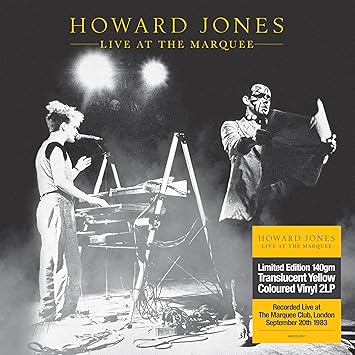

The Albums
Human’s Lib (1984)

Human’s Lib (1984) launched Howard Jones into global recognition with confidence and clarity. Right from the start, Howard Jones embraced a bright synth-pop sound that defined the mid-1980s. Moreover, the album delivered immediate chart success and reached number one in the UK.
Songs like “New Song” and “What Is Love?” captured the energy of the era. However, Howard Jones also introduced deeper themes around self-awareness and independence. As a result, the album balanced commercial appeal with meaningful content.
The production relies heavily on analogue synthesizers, creating a warm and distinctive tone. In addition, Howard Jones used layered melodies that made each track feel accessible. His vocal delivery stays direct, which strengthens the emotional connection.
While many debut albums feel tentative, this release shows clear artistic direction. Therefore, Howard Jones positioned himself as more than a trend-driven artist. He built a foundation that would support long-term success.
Even today, Human’s Lib remains essential listening for fans of electronic pop. It captures a moment when innovation met mainstream appeal. Consequently, Howard Jones secured his place in music history with a confident debut.
Dream into Action (1985)
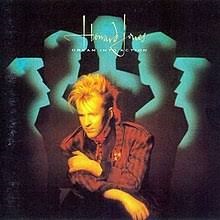
Dream into Action (1985) represents the commercial peak of Howard Jones and his global breakthrough. Following his debut, Howard Jones expanded his sound with richer production and broader appeal. As a result, the album achieved major success in both the UK and the US.
The song writing feels more refined, while the arrangements sound fuller and more dynamic. In particular, Howard Jones focused on strong melodies that translate well across radio formats. Additionally, the album explores optimism, relationships, and personal growth.
Unlike many follow-ups, this record avoids repetition and pushes forward creatively. Therefore, Howard Jones proved he could evolve while maintaining his identity. The production blends synth layers with organic elements, creating a polished finish.
Commercially, the album performed strongly and built his international fanbase. Meanwhile, critics praised its accessibility and emotional depth. That balance helped Howard Jones remain relevant beyond the initial synth-pop wave.
Even now, Dream into Action stands as a defining release in 1980s pop. It highlights Howard Jones at his most confident and widely appealing. Consequently, it remains a key album in his discography.
One to One (1986)
One to One (1986) marked a stylistic shift for Howard Jones toward a more polished pop sound. Produced by Arif Mardin, the album introduced a smoother and more radio-focused approach. As a result, Howard Jones explored new production techniques and broader arrangements.
The record leans into glossy textures and structured song writing. However, Howard Jones retained his core themes of introspection and emotional honesty. This balance helped maintain continuity with his earlier work.
Additionally, the album incorporates more traditional instrumentation alongside synthesizers. Therefore, it feels less experimental but more commercially aligned. Some fans appreciated the shift, while others preferred his earlier raw energy.
Despite mixed reactions, the album still delivered solid chart performance. Moreover, Howard Jones demonstrated his willingness to adapt within a changing industry. That flexibility allowed him to remain competitive during a transitional period.
Looking back, One to One represents an important evolution rather than a departure. It shows Howard Jones refining his craft and exploring mainstream appeal. Consequently, it remains a notable chapter in his career progression.
Cross That Line (1989)
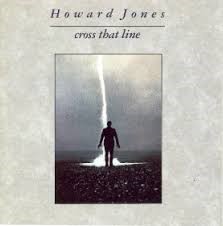
Cross That Line (1989) reflects a more mature and socially aware direction for Howard Jones. As musical trends shifted, Howard Jones responded with thoughtful song writing and updated production. Consequently, the album carries a more serious tone than earlier releases.
The sound blends electronic elements with late-1980s production styles. However, Howard Jones maintains his melodic strengths throughout the record. In addition, the themes explore environmental and political concerns.
This album did not match earlier commercial success. Nevertheless, Howard Jones delivered a cohesive and purposeful project. His willingness to address broader topics added depth to his catalogue.
Production choices feel more restrained, which highlights the song writing. Therefore, listeners can focus on lyrical content rather than just sound design. That shift marks a clear evolution in his artistic priorities.
Although underrated, Cross That Line remains an important release. It captures Howard Jones adapting to a changing landscape while staying authentic. As a result, it holds lasting value within his discography.
In the Running (1992)
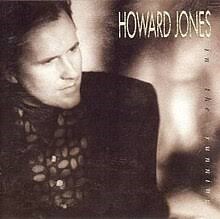
In the Running (1992) marked a clear departure from the synth-driven identity of Howard Jones. During this period, Howard Jones shifted toward a piano-led and organic sound. As a result, the album feels more intimate and reflective.
The production reduces electronic elements and focuses on traditional instrumentation. However, Howard Jones continues to prioritise strong melodies and emotional clarity. This approach highlights his song writing ability.
Additionally, the album explores personal themes with sincerity and restraint. Therefore, it appeals to listeners seeking depth rather than chart-focused hits. While commercial success declined, critical appreciation remained steady.
This release shows a willingness to step away from expectations. Moreover, Howard Jones embraced artistic freedom during a challenging era for pop artists. That decision strengthened his credibility.
Even today, In the Running stands as a turning point in his career. It demonstrates growth and adaptability beyond the 1980s sound. Consequently, Howard Jones proved his longevity as an artist.
Working in the Backroom (1994)
Working in the Backroom (1994) saw Howard Jones return to independence and creative control. Released on his own label, the album reflects a more personal approach. As a result, Howard Jones experimented without commercial pressure.
The sound blends electronic elements with contemporary influences from the early 1990s. However, the production feels less polished than earlier releases. This rawness adds character and authenticity.
Additionally, Howard Jones explores themes of change and reinvention. Therefore, the album mirrors his career transition during this period. While it did not achieve mainstream success, it holds artistic significance.
Fans often view this record as a hidden gem within his catalogue. Moreover, Howard Jones used this project to redefine his direction. That independence allowed greater creative freedom.
Overall, Working in the Backroom represents resilience and reinvention. It shows Howard Jones adapting to industry changes while maintaining his identity. Consequently, it remains an important part of his journey.
Angels & Lovers (1997) / People (1998)
Angels & Lovers (1997), later released as People (1998), highlights a collaborative phase for Howard Jones. During this time, Howard Jones worked with singer Jade Lion to expand his sound. As a result, the album introduces a fresh dynamic.
The music leans toward electronic dance influences with layered vocals. However, Howard Jones maintains his melodic sensibility throughout. This combination creates a distinct and modern feel.
Additionally, the album explores themes of connection and identity. Therefore, it aligns with the evolving electronic landscape of the late 1990s. While reception varied, it demonstrated creative ambition.
This project stands out due to its collaborative nature. Moreover, Howard Jones embraced experimentation during a period of industry change. That willingness to adapt remains a defining trait.
Although not a major commercial success, the album holds niche appeal. Consequently, it adds diversity to the Howard Jones discography.
Piano Solos (2001)
Piano Solos (2001) showcases a completely different side of Howard Jones. Stripping away electronic production, Howard Jones focuses entirely on instrumental piano compositions. As a result, the album highlights his classical training.
The arrangements feel calm and reflective, offering a contrast to earlier work. However, Howard Jones maintains emotional depth without relying on lyrics. This approach creates a meditative listening experience.
Additionally, the album demonstrates technical skill and musical discipline. Therefore, it appeals to a broader audience beyond pop fans. The simplicity allows each composition to stand on its own.
This release reinforces his versatility as an artist. Moreover, Howard Jones proves he can succeed outside the synth-pop framework. That flexibility strengthens his long-term relevance.
Overall, Piano Solos provides a unique perspective on his artistry. It reveals a quieter and more introspective side of Howard Jones.
Revolution of the Heart (2005)
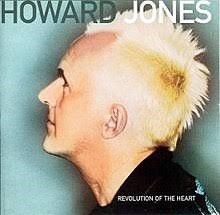
Revolution of the Heart (2005) marks a return to electronic music for Howard Jones. After exploring different styles, Howard Jones reconnected with his synth-pop roots. As a result, the album feels both nostalgic and modern.
The production incorporates updated electronic techniques while maintaining familiar elements. However, Howard Jones avoids simply repeating past formulas. Instead, he evolves his sound with contemporary influences.
Additionally, the album explores themes of love, connection, and renewal. Therefore, it resonates with both long-time fans and new listeners. The song writing remains accessible and emotionally direct.
Critics responded positively to this return to form. Moreover, Howard Jones demonstrated that his style could adapt to modern production standards. That relevance helped reintroduce him to wider audiences.
Ultimately, Revolution of the Heart stands as a successful comeback. It reconnects Howard Jones with his core strengths while moving forward creatively.
Ordinary Heroes (2009)
Ordinary Heroes (2009) focuses on song writing and orchestral arrangements rather than electronic production. During this phase, Howard Jones explored a more acoustic and cinematic approach. As a result, the album feels expansive and reflective.
The use of strings adds depth and emotional weight to the compositions. However, Howard Jones maintains his signature melodic clarity. This balance keeps the music accessible.
Additionally, the album highlights themes of resilience and everyday inspiration. Therefore, it connects with listeners on a personal level. The tone feels mature and thoughtful throughout.
This release shows a continued willingness to evolve artistically. Moreover, Howard Jones avoids stagnation by exploring new textures. That experimentation defines his long career.
Overall, Ordinary Heroes offers a refined and introspective listening experience. It reinforces the versatility of Howard Jones as a songwriter.
Engage (2015)
Engage (2015) begins the modern electronic trilogy from Howard Jones. With this release, Howard Jones embraced multimedia elements and interactive concepts. As a result, the album feels ambitious and forward-thinking.
The production combines classic synth sounds with modern digital techniques. However, Howard Jones maintains a strong focus on melody and structure. This balance ensures accessibility.
Additionally, the album explores themes of connection in a digital age. Therefore, it aligns with contemporary cultural trends. The project extends beyond music into visual and interactive spaces.
This release marks a significant creative milestone. Moreover, Howard Jones demonstrates his ability to innovate decades into his career. That commitment keeps his work relevant.
Overall, Engage represents a bold step into modern electronic music. It sets the tone for the trilogy that follows.
Transform (2019)
Transform (2019) continues the trilogy with a sharper and more collaborative approach. Working with BT, Howard Jones expanded his production style significantly. As a result, the album features a modern and polished sound.
The electronic elements feel more intricate and layered. However, Howard Jones retains his focus on strong song writing. This combination creates a balanced and engaging record.
Additionally, the album explores themes of change and personal evolution. Therefore, it reflects both artistic and personal growth. The collaboration adds fresh energy to the project.
This release received strong critical attention. Moreover, Howard Jones proved he could compete within contemporary electronic music. That relevance strengthens his legacy.
Overall, Transform stands as a highlight of his later career. It bridges classic influences with modern innovation effectively.
Dialogue (2022)
Dialogue (2022) completes the trilogy with a refined and cohesive statement. In this final chapter, Howard Jones delivers his most modern production to date. As a result, the album feels both current and timeless.
The sound design incorporates advanced electronic techniques while maintaining clarity. However, Howard Jones ensures the songs remain accessible and melodic. This balance defines the album’s success.
Additionally, the themes focus on communication and human connection. Therefore, the album resonates strongly in a digital era. The concept ties together the entire trilogy.
Critics praised the production quality and artistic vision. Moreover, Howard Jones demonstrated sustained creativity across decades. That achievement highlights his consistency.
Overall, Dialogue provides a strong conclusion to the trilogy. It reinforces Howard Jones as a pioneer who continues to evolve.
Howard Jones built a career defined by innovation, adaptability, and strong song writing. From early synth-pop success to modern electronic experimentation, he has never stood still. Each album adds a new dimension to his catalogue.
Importantly, Howard Jones continues to engage audiences through both recordings and live performances. His ability to evolve while staying authentic sets him apart. As a result, his music remains relevant across generations.
For anyone exploring electronic pop history, this discography offers essential listening. Howard Jones does not simply follow trends—he helps shape them.