
Garbage continues to define alternative rock in 2026 through consistency, reinvention, and cultural awareness. While many 1990s bands faded, Garbage adapted their sound without losing identity. Moreover, their music still connects with both long-time fans and newer audiences discovering alt-rock today. With a strong discography and a clear creative vision, Garbage remain a benchmark for the genre.
Importantly, their ability to blend electronic textures with raw guitar energy keeps their sound current. At the same time, their lyrics address personal and social themes that still resonate. As search trends show growing interest in legacy acts, Garbage stands out for relevance rather than nostalgia. This guide breaks down their albums, impact, and current activity, offering a complete look at why Garbage still matters in modern alternative rock.
Key Questions About Garbage in 2026
Who is the lead singer of Garbage?
The lead singer of Garbage is Shirley Manson. She brings a distinctive voice and direct lyrical style. Moreover, her stage presence and personality shape the band’s identity. Over the years, she has remained central to Garbage’s continued relevance.
Is Garbage touring in 2026?
Yes, Garbage is touring in 2026. Notably, they are performing with Skunk Anansie in the UK. In addition, they are headlining shows across Europe, including major dates in Prague. These tours highlight their ongoing demand and strong live reputation.
What is Garbage’s new album called?
Garbage released a new album titled Let All That We Imagine Be the Light. The record reflects a more personal direction. Furthermore, it explores recovery, reflection, and creative renewal, showing another evolution in the Garbage sound.
Why did Garbage cancel their 2024 tour?
Garbage cancelled their 2024 tour because Shirley Manson required surgery after a serious injury. As a result, the band paused activities to focus on recovery. However, they returned stronger with new music and live shows.
Is Butch Vig still in Garbage?
Yes, Butch Vig remains a core member of Garbage. He also produced Nevermind by Nirvana. His production style continues to shape the Garbage sound and direction.
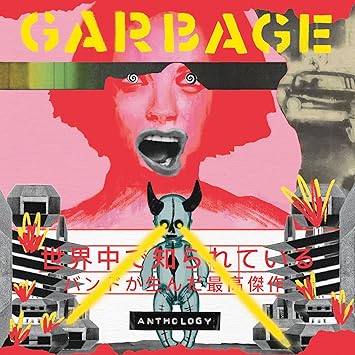

Garbage Albums Breakdown
1995 – Garbage
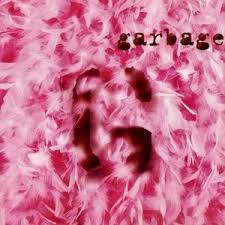
Garbage launched their career with Garbage (1995), a debut that immediately defined their identity. From the start, Garbage combined alternative rock with electronic textures, creating a sound that stood apart. Moreover, the production felt polished yet aggressive, which helped Garbage reach both mainstream and alternative audiences.
Shirley Manson’s vocals drove the album’s tone, blending attitude with vulnerability. At the same time, the band crafted sharp hooks that kept songs memorable and radio-ready. Because of this balance, Garbage gained strong commercial traction and critical attention.
Additionally, the album’s themes explored disillusionment and identity, which resonated with 1990s listeners. As a result, Garbage built a loyal fanbase that continues today. The production team, led by Butch Vig, ensured a clean yet layered sound.
Over time, the album became a reference point for alternative rock production. Furthermore, many modern bands still draw influence from its mix of styles. Garbage proved they could innovate without losing accessibility.
Ultimately, Garbage (1995) remains one of the most important debut albums in alternative rock. Even now, Garbage uses this foundation to shape their evolving sound.
1998 – Version 2.0
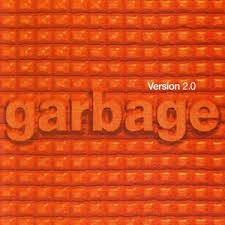
With Version 2.0 (1998), Garbage refined their formula and pushed further into electronic territory. While their debut introduced the sound, this album expanded it with precision. Moreover, Garbage embraced digital production techniques that felt modern and forward-thinking.
The album delivered sharper beats, layered synths, and more complex arrangements. At the same time, Garbage maintained strong melodies that ensured broad appeal. Because of this approach, the album performed well commercially and earned critical praise.
Shirley Manson’s vocal delivery became more confident and controlled. Consequently, the band’s identity felt more defined and cohesive. In addition, the lyrics reflected technology, culture, and emotional tension.
Importantly, Version 2.0 received multiple award nominations, which boosted Garbage’s global profile. As a result, the band reached a wider audience without compromising their sound.
Even today, the album stands as a blueprint for blending rock and electronic music. Furthermore, Garbage showed that innovation could still drive mainstream success. Version 2.0 remains a key release in the Garbage catalogue.
2001 – Beautiful Garbage

Beautiful Garbage (2001) marked a clear shift in direction for Garbage. Instead of repeating past success, Garbage explored new styles and influences. Consequently, the album blended pop, R&B, and new wave elements.
This change divided critics initially, yet it showed the band’s willingness to evolve. Moreover, Garbage focused more on melody and accessibility. At the same time, the production remained detailed and layered.
Shirley Manson expanded her vocal range and experimented with different tones. As a result, the album felt more diverse and expressive. Additionally, the band addressed themes of fame, identity, and media pressure.
Although reactions were mixed at release, the album gained appreciation over time. Many listeners now view it as an underrated part of the Garbage discography. Furthermore, its genre-blending approach influenced later pop and alternative acts.
Importantly, Beautiful Garbage proved that the band would not follow trends. Instead, Garbage created music on their own terms. This decision helped maintain long-term relevance.
Today, the album stands as a bold and creative chapter in the Garbage story.
2005 – Bleed Like Me
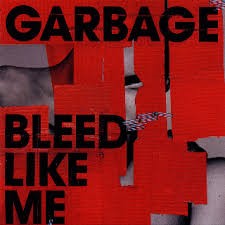
Garbage returned with a more direct sound on Bleed Like Me (2005). After experimenting on earlier releases, Garbage focused on guitar-driven rock. As a result, the album delivered a heavier and more immediate impact.
The production felt less layered, which gave the songs a raw edge. Moreover, Garbage leaned into traditional rock structures while keeping their identity intact. This approach helped reconnect with fans who preferred their earlier style.
Shirley Manson delivered emotionally direct vocals throughout the album. At the same time, the lyrics explored personal struggles and resilience. Because of this honesty, the album resonated strongly with listeners.
Despite internal challenges during production, Garbage produced a cohesive and focused record. Furthermore, the album performed well and reinforced their place in alternative rock.
Bleed Like Me also showed that the band could simplify without losing depth. Consequently, Garbage proved their versatility once again.
In retrospect, the album stands as a strong return to form. It also highlights Garbage’s ability to adapt while staying true to their core sound.
2012 – Not Your Kind of People
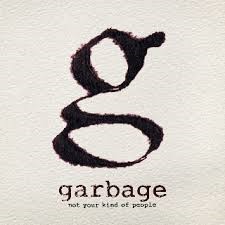
After a long break, Garbage returned with Not Your Kind of People (2012). This album marked their first independent release, which gave Garbage full creative control. As a result, the sound felt both confident and unrestricted.
Garbage combined elements from earlier albums while introducing fresh ideas. Moreover, the production balanced electronic textures with strong guitar work. This blend reconnected with longtime fans and attracted new listeners.
Shirley Manson delivered powerful vocals that reflected themes of independence and identity. At the same time, the band embraced a darker, more reflective tone. Consequently, the album felt mature and purposeful.
Releasing the album independently allowed Garbage to control their direction. Furthermore, this decision strengthened their position in the modern music landscape.
Critics responded positively, noting the band’s renewed energy. In addition, fans appreciated the return after years of silence.
Not Your Kind of People confirmed that Garbage could still compete in a changing industry. It also set the stage for their continued evolution in the following decade.
2016 – Strange Little Birds
Strange Little Birds (2016) pushed Garbage into darker and more atmospheric territory. Rather than focusing on mainstream appeal, Garbage embraced mood and depth. As a result, the album delivered a cinematic listening experience.
The production used space and texture to create tension and emotion. Moreover, Garbage reduced reliance on heavy hooks, choosing subtle development instead. This shift gave the album a distinct identity within their catalogue.
Shirley Manson’s vocals felt restrained yet powerful throughout the record. At the same time, the lyrics explored isolation, vulnerability, and introspection. Consequently, the album connected with listeners on a deeper level.
Critics praised the album for its cohesion and maturity. Furthermore, many highlighted its departure from conventional structures. Garbage showed confidence in their artistic direction.
Although it did not aim for commercial dominance, the album strengthened their credibility. In addition, it demonstrated that Garbage could evolve without chasing trends.
Strange Little Birds remains a standout for its atmosphere and emotional focus.
2021 – No Gods No Masters
Garbage delivered one of their most direct statements with No Gods No Masters (2021). This album focused heavily on political and social themes. As a result, Garbage addressed issues with clarity and urgency.
The sound combined aggressive guitars with sharp electronic elements. Moreover, Garbage maintained a fast-paced and energetic tone throughout. This approach reinforced the album’s message and impact.
Shirley Manson’s vocals carried a strong sense of conviction. At the same time, the lyrics tackled inequality, power, and resistance. Consequently, the album resonated with a wide audience.
Critics responded positively, praising its focus and relevance. Furthermore, many noted that Garbage remained fearless in their messaging. This willingness to engage with real issues set them apart.
The album also performed well commercially, which proved continued demand. In addition, it attracted attention from both fans and new listeners.
No Gods No Masters stands as one of the most confident releases by Garbage. It highlights their ability to remain relevant in a changing world.
2024 – Let All That We Imagine Be the Light
Garbage’s latest release, Let All That We Imagine Be the Light (2024), reflects a deeply personal chapter. Written during Shirley Manson’s recovery, the album carries emotional weight. As a result, Garbage explores vulnerability with honesty.
The sound blends atmospheric elements with a more restrained approach. Moreover, Garbage focuses on mood rather than intensity. This choice creates a reflective and intimate listening experience.
Shirley Manson’s vocals feel raw and expressive throughout the album. At the same time, the lyrics address healing, resilience, and personal growth. Consequently, the record connects on an emotional level.
Despite its introspective tone, the album still shows the band’s signature style. Furthermore, Garbage balances experimentation with familiarity. This balance keeps the sound accessible.
Fans and critics have responded positively to the album’s sincerity. In addition, it highlights the band’s ability to evolve after decades.
Let All That We Imagine Be the Light confirms that Garbage continues to move forward. It also reinforces their relevance in 2026 and beyond.
Garbage continues to prove that longevity in alternative rock depends on evolution, not repetition. While many peers rely on nostalgia, Garbage consistently creates music that reflects the present. Moreover, each album shows a willingness to adapt while maintaining a clear identity. From their 1995 debut to their latest release, Garbage has balanced innovation with authenticity. As a result, they remain both relevant and respected in 2026.
Ultimately, Garbage stands as a rare example of a band that grows with its audience. In addition, their commitment to honest themes and modern production keeps their sound fresh. Whether through new releases or live performances, Garbage continues to influence the genre. Therefore, their place in alternative rock remains secure for years to come.