
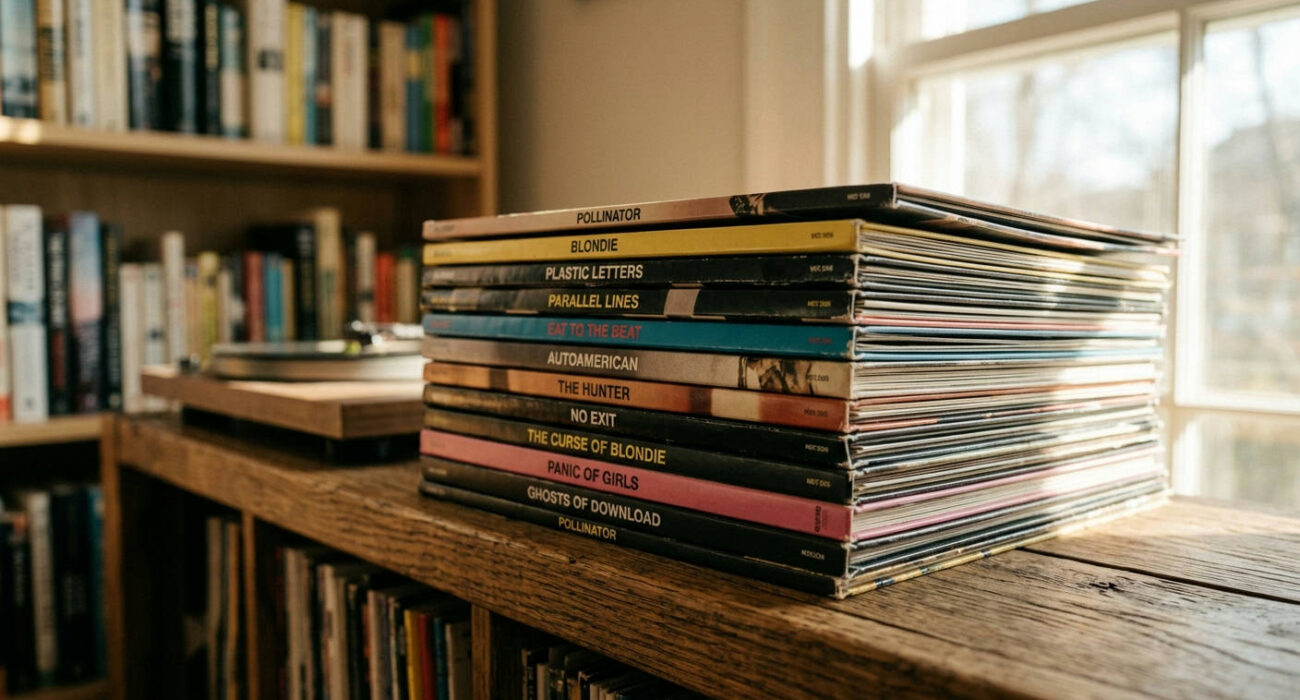
Ready to dive into the genre-defying, chart-topping, and utterly iconic discography of one of New York’s finest exports? We’re laying it all out for you. This is the definitive, no-filler guide you need, the complete list of Blondie studio albums from their raw punk beginnings to their 2026 status as elder statespeople of cool. Blondie wasn’t just a band; they were a cultural force, smashing together punk, disco, new wave, reggae, and rap with an attitude that was entirely their own.
At Vinyl Gold UK, we live and breathe this stuff. We know you want the real story behind the records you spin. So, let’s drop the needle on the first track and explore the entire studio output of Debbie Harry, Chris Stein, and the crew that changed music forever.
The CBGB Tapes: Raw Punk Origins (1976-1977)
Before they were global superstars, Blondie was a gritty, hardworking band slugging it out in the sticky, beer-soaked clubs of New York City. Their early sound was a cocktail of 60s girl-group pop and raw, three-chord punk energy, honed on the legendary stage of CBGB, the epicentre of the American punk movement.
Blondie (1976)
This is where it all began. Their self-titled debut is a perfect snapshot of the band in its earliest form: raw, energetic, and brimming with pop hooks hiding under a layer of downtown grit. It wasn’t a massive commercial hit out of the gate, but it laid the foundation for everything that followed.
The album is packed with future live staples. “X Offender” is a brilliant piece of pop storytelling with a punk rock heart, while “In the Flesh” shows off their love for the shimmering melodies of the Shangri-Las. You can hear the pure, unfiltered DNA of the band on every track. For collectors, finding an original pressing on the Private Stock label is a real prize before they were re-released on Chrysalis Records.
Want to own the genesis of a legend? Grab your copy of their debut on vinyl and hear the spark that started the fire.
- Find it on Amazon: Search for Blondie self-titled vinyl
Plastic Letters (1977)
With their second album, the picture started getting sharper. Plastic Letters saw the band tightening up their sound, with producer Richard Gottehrer helping them polish the pop gems without losing their punk edge. This was the record that truly broke them in the UK and Australia, proving they were more than just a local New York phenomenon.
The cover of Randy and the Rainbows’ “Denis” was their ticket to the charts, a blast of pure pop joy. But the real meat of the album lies in tracks like the nervy, paranoid “(I’m Always Touched by Your) Presence, Dear,” written by departing bassist Gary Valentine. The album is a vital step in their evolution, showcasing a band rapidly finding its unique voice and ready for the world stage.
The Global Takeover: New Wave Superstardom (1978-1980)
This is the era that cemented Blondie’s legendary status. They weren’t just a punk band anymore; they were a global pop machine, cranking out hit after hit and defining the look and sound of the new wave movement. With producer Mike Chapman at the helm, their sound became bigger, sleeker, and irresistible.
Parallel Lines (1978)
If you own one Blondie album, this is probably it. Parallel Lines is a flawless record, a masterpiece of pop song writing and rock and roll energy. Every single track could have been a hit. It’s the album that transformed them from cult favourites into household names.
The story of “Heart of Glass” is legendary. What started as a funky, slower jam called “Once I Had a Love” was transformed by Chapman into a disco-infused behemoth that conquered airwaves worldwide. But the album is so much more than one song. You’ve got the snarling stalker anthem “One Way or Another,” the power-pop perfection of “Hanging on the Telephone,” and the dreamy romance of “Sunday Girl.” It’s an absolute essential, and a cornerstone of our list of the Best Albums Of The 1970s.
- Find it on Amazon: Search for Blondie Parallel Lines vinyl
Eat to the Beat (1979)
How do you follow up a perfect album? Blondie’s answer was to get ambitious. Eat to the Beat saw the band pushing their boundaries, delivering a diverse collection of songs that solidified their reputation as musical innovators. It was also released as the first-ever commercially available “video album,” with a promotional clip made for every song.
The album explodes with the iconic opening of “Dreaming,” a euphoric power-pop anthem driven by Clem Burke’s thunderous drumming. Then there’s “Atomic,” a song that builds from a spaghetti western-style guitar line into a full-blown disco-rock monster. The band explores everything from the reggae-tinged “Die Young Stay Pretty” to the hard-rocking “Victor,” proving they could master any style they turned their hand to.

Autoamerican (1980)
By 1980, Blondie was on top of the world and unafraid to take risks. Autoamerican is their most experimental and, at the time, most divisive record. They ditched the power-pop formula and dove headfirst into a whirlwind of different genres, from orchestral arrangements to funk and early hip-hop.
The album gave them two massive US number-one hits that couldn’t have been more different. “The Tide Is High” is a breezy, faithful cover of a Jamaican rocksteady classic by The Paragons. Then there’s “Rapture,” a ground breaking track that famously fused a slinky disco-funk groove with Debbie Harry’s deadpan rap. It was a bold, audacious move that introduced hip-hop culture to a massive mainstream audience and proved Blondie was always one step ahead.
Fracture and Fade: The First Split (1982)
The pressures of constant touring, recording, and global fame began to take their toll. Internal conflicts and Chris Stein’s diagnosis with a serious illness created a perfect storm that would ultimately lead to the band’s first breakup.
The Hunter (1982)
The final album from Blondie’s original run, The Hunter is a complicated and often misunderstood record. The creative spark that defined their earlier work feels strained, and the album was met with a lukewarm reception from both critics and fans. The band themselves were fracturing during its creation.
The calypso-flavoured single “Island of Lost Souls” was a minor hit, but it lacked the punch of their previous work. The album is a grab-bag of ideas, with some interesting moments like the politically charged “War Child,” but it lacks the cohesive brilliance of their peak years. Shortly after its release, with tensions at an all-time high and Stein’s health declining, Blondie disbanded, closing the book on one of music’s most incredible runs.
In a 2026 interview reflecting on the period, Debbie Harry stated, “We were exhausted. The machine had gotten too big, and we lost sight of the fun, the thing that brought us all together in that dirty little club in the first place. We had to stop before we destroyed ourselves and the music.”
The Triumphant Return: Blondie for a New Millennium (1999-2011)
After a 17-year hiatus, the core members of Blondie—Harry, Stein, and Burke—reformed, ready to prove they were still a creative force. Many 80s bands attempted comebacks, but few did it with the style and success of Blondie.
No Exit (1999)
This was no mere nostalgia trip. No Exit was a powerful, confident return to form that saw the band updating their sound without sacrificing their identity. They came roaring back with a global smash hit, proving the magic was still there.
That hit was “Maria,” a shimmering piece of guitar-pop that rocketed to number one in the UK, making Blondie the first band to have UK chart-toppers in the 70s, 80s, and 90s. The rest of the album is equally strong, blending classic Blondie punk-pop with modern rock and even hip-hop on the Coolio-featuring title track. It was the perfect comeback, re-establishing their place in the musical firmament.
- Find it on Amazon: Search for Blondie No Exit vinyl
The Curse of Blondie (2003)
Following the massive success of their reunion, The Curse of Blondie had a lot to live up to. It’s an eclectic and adventurous album that saw the band refusing to simply repeat the formula of No Exit. While it didn’t produce a “Maria”-sized hit, it’s a deep and rewarding listen for dedicated fans.
The lead single, “Good Boys,” is a stomping, glam-rock-infused track that stands tall with their best work. The album is a journey through different sounds, from the disco pulse of “Shakedown” to the pure pop of “Undone.” Plagued by label issues and a delayed release, it remains one of the more overlooked entries in the complete list of Blondie studio albums, but one that’s ripe for rediscovery.
Panic of Girls (2011)
After another lengthy gap, Blondie returned with Panic of Girls, an album that feels like a joyous reconnection with their new wave roots. It’s vibrant, energetic, and full of the kind of catchy, guitar-driven tunes that first made them famous.
Released independently, the album has a loose, fun-loving feel. “Mother” is a classic Blondie dance-floor filler set in a downtown club, while “What I Heard” is a driving rock track with an infectious chorus. The album also features a French-language song and a reggae track, showcasing their enduring love for stylistic variety.
The Legacy Continues: Modern-Day Icons (2014-Present)

Far from resting on their laurels, Blondie entered their fifth decade as a recording act by creating some of their most acclaimed modern work. They embraced their legacy while continuing to innovate, collaborating with a new generation of artists who they had clearly inspired.
Ghosts of Download (2014)
Packaged as part of the Blondie 4(0) Ever anniversary set, Ghosts of Download was the band’s tenth studio album and saw them fully embrace electronic and world music sounds. It’s a bold, synth-heavy record that proves they are still determined to push forward.
The album is a celebration of collaboration, featuring artists from across the musical spectrum. “A Rose by Any Name,” a duet with Beth Ditto of Gossip, is a fantastic dance track, while “Sugar on the Side” brings a Latin-American Cumbia rhythm to the forefront. It’s a modern, vibrant record from a band still curious and still creating.
Pollinator (2017)
This is the one. Pollinator was hailed by fans and critics as a stunning return to form and their best album since their 70s/80s heyday. The concept was brilliant: Blondie reached out to a host of younger artists they’d influenced—like Sia, Charli XCX, and Dev Hynes (Blood Orange)—to write songs for them.
The result is an album that crackles with the energy of classic Blondie. “Long Time,” penned by Hynes, sounds like a lost track from the Parallel Lines sessions. Johnny Marr’s distinctive guitar work elevates “My Monster,” and “Fun” is a pure slice of disco-pop joy. Pollinator is the perfect bridge between the band’s legendary past and its vibrant present. It’s an essential part of the complete Blondie discography.
- Find it on Amazon: Search for Blondie Pollinator vinyl
What’s Next? Blondie in 2026
As of 2026, the band is as active as ever. Following the monumental success of their career-spanning archival box set, Against The Odds, there is constant chatter about a twelfth studio album. Chris Stein has been teasing new guitar riffs on social media, and Debbie Harry’s voice remains a powerful and captivating instrument. The world is waiting to see what they do next, but one thing is certain: they will do it on their own terms.
Your Guide to the ## complete list of Blondie studio albums on Vinyl
For vinyl lovers, collecting Blondie’s discography is a hugely rewarding experience. Their album art is iconic, and their music was made to be heard on a proper turntable. Here’s how to get started.
### Where to Start Your Collection with the complete list of Blondie studio albums
Feeling overwhelmed? Don’t be. Here’s a simple path to building your collection:
- The Essential: Start with Parallel Lines (1978). It’s their commercial and creative peak, a perfect album from start to finish. It’s the cornerstone of any serious record collection.
- The Punk Roots: Next, go back to the beginning with Blondie (1976). This will give you a raw, unfiltered taste of their CBGB origins and the foundation of their sound.
- The Pop Masterclass: Pick up Eat to the Beat (1979). It’s packed with hits and showcases their incredible versatility as a new wave powerhouse.
- The Bold Experiment: Once you’re hooked, grab Autoamerican (1980). It will show you just how fearless they were, blending reggae and rap into their sound long before it was fashionable.
Identifying Pressings and Finding Hidden Gems
Part of the fun of vinyl collecting is hunting for the right pressings. For Blondie’s classic Chrysalis Records releases, look for the “blue and white” label for earlier UK pressings, which many audiophiles prefer. Check the dead wax for matrix numbers; a quick search on a site like Discogs can tell you exactly which version you’re holding.
Don’t sleep on their later albums, either. Vinyl pressings of records like No Exit and The Curse of Blondie were produced in much smaller quantities than their 70s counterparts, making them interesting and potentially valuable finds for the dedicated collector.
Chris Stein once said, “The album as a format, as a complete thought, has always been important to us. From the music to the artwork, it’s a total package. That’s why it works so well on vinyl.”
More Than Just the Studio: Compilations & Live Cuts
While this guide focuses on the complete list of Blondie studio albums, no collection is truly complete without a few key extras.
- The Best of Blondie (1981): This isn’t just a greatest hits package. It’s famous for featuring unique single edits and extended remixes by producer Mike Chapman, making it an essential listen even if you own all the albums.
- Picture This Live (1997): A fantastic document of the band at their live peak in 1980. It captures the raw energy that couldn’t always be contained in a studio setting.
Blondie’s journey is one of resilience, innovation, and undeniable style. From the sweaty clubs of the Bowery to stadiums across the globe, they’ve crafted a legacy that continues to inspire. Their discography is a masterclass in pop evolution. So, get listening, get collecting, and immerse yourself in the sonic world of a band that has never stopped being cool.