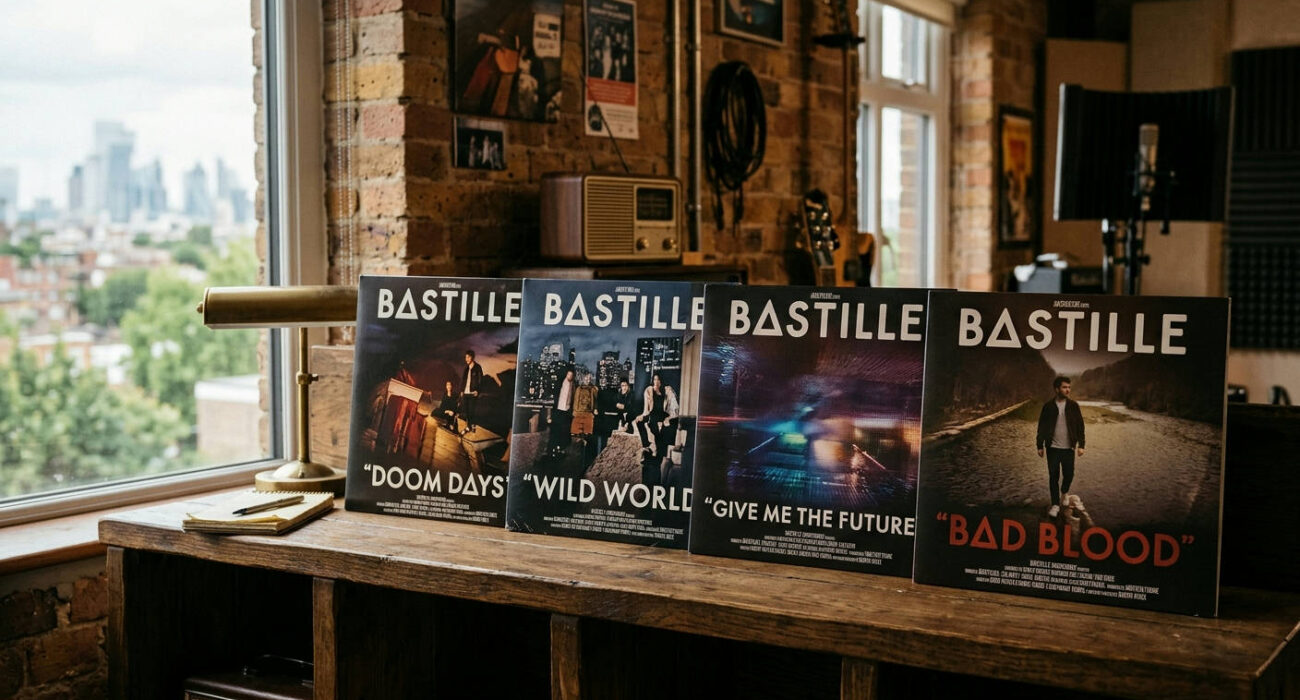
Ranking a band’s discography is a brutal, thankless task. But someone’s got to do it. When it comes to one of the UK’s biggest synth-pop exports of the last fifteen years, the debate gets heated. That’s why we’re diving headfirst into the definitive list of Bastille studio albums ranked, from what we consider the weakest link to the absolute pinnacle of their creative output. This isn’t just about hit singles; it’s about cohesion, concept, and the sheer staying power of the records themselves.
Here at Vinyl Gold UK, we live and breathe albums as complete works of art. Bastille, led by the endlessly creative Dan Smith, has given us four distinct chapters in their story so far. Each one is a cinematic, high-concept world of its own, wrestling with everything from ancient history and Greek myths to futuristic anxieties and late-night hedonism. So, grab your favourite pair of headphones, get ready to argue in the comments, and let’s get into our official ranking.
The Definitive Bastille Studio Albums Ranked List
Before we kick off, a quick note on methodology. We are focusing exclusively on the four main studio LPs. While the Other People’s Heartache mixtapes are brilliant and essential to understanding the band’s evolution, they are a different beast entirely. We’re also considering the extended versions (like All This Bad Blood and Give Me The Future + Dreams of the Past) as part of their parent album’s era. This list is about the core statements, the big, official chapters in the Bastille saga.
Our ranking is based on a mix of creative ambition, sonic consistency, lyrical depth, and overall impact. It’s about which albums we find ourselves returning to, which records feel like a complete, front-to-back journey.
4. Give Me The Future (2022)
Placing Give Me The Future at the bottom of our Bastille studio albums ranked list feels harsh, because it’s by no means a bad album. In fact, it’s arguably their most sonically ambitious and conceptually tight record. The problem is that in its pursuit of a high-tech, sci-fi concept, it occasionally loses some of the raw, human heart that made their earlier work so compelling.
The album is a deep dive into our relationship with technology, virtual reality, and the future, framed through the lens of a fictional tech giant, Future Inc. It’s a brilliant concept, but sometimes the execution feels a little too polished, a little too sterile. The ’80s-inspired synths and dance-pop sheen are immaculate, but you’re left craving a bit of the grit and messiness of real life.
“We wanted to create a world you could escape into, but also one that asks questions about the world we’re escaping from.” – Dan Smith on the album’s concept.
Despite its position here, the album demonstrates a band unwilling to rest on its laurels. They pushed their sound into new territories, embracing a more electronic and dance-oriented palette. It’s a bold move, and one that deserves respect, even if the final product doesn’t connect as deeply as their other efforts.
Key Tracks and Lyrical Exploration
“Distorted Light Beam” is the perfect opener, an energetic, synth-drenched banger that sets the futuristic tone immediately. Co-written with Ryan Tedder, it’s a pure shot of adrenaline that sounds incredible blasting through a good sound system. “Shut Off The Lights,” on the other hand, offers a moment of pure, unadulterated joy. It’s a defiant call to disconnect and find pleasure in the real world, a theme that feels more vital in 2026 than ever.
The lyrical genius, however, shines on tracks like “No Bad Days.” Written about Smith’s aunt who was diagnosed with a terminal illness, the song beautifully juxtaposes the album’s sci-fi themes with a profoundly human story about using technology to preserve memories. It’s a gut-punch of a song and a reminder of the emotional core that still beats beneath the album’s glossy exterior.
The Vinyl Experience
The vinyl release for Give Me The Future is a treat for collectors. The artwork, with its futuristic, almost clinical aesthetic, looks fantastic on a 12-inch sleeve. The sound quality on the pressing is top-notch, giving the intricate synth layers and deep basslines plenty of room to breathe. It’s an album that benefits from a focused, analogue listen.
If you’re looking to complete your collection, this is a must-have for its sheer artistic presentation alone.
- Grab the Give Me The Future vinyl from Amazon: https://www.amazon.com/s?k=Bastille+Give+Me+The+Future+Vinyl&tag=vinylgolduk-21
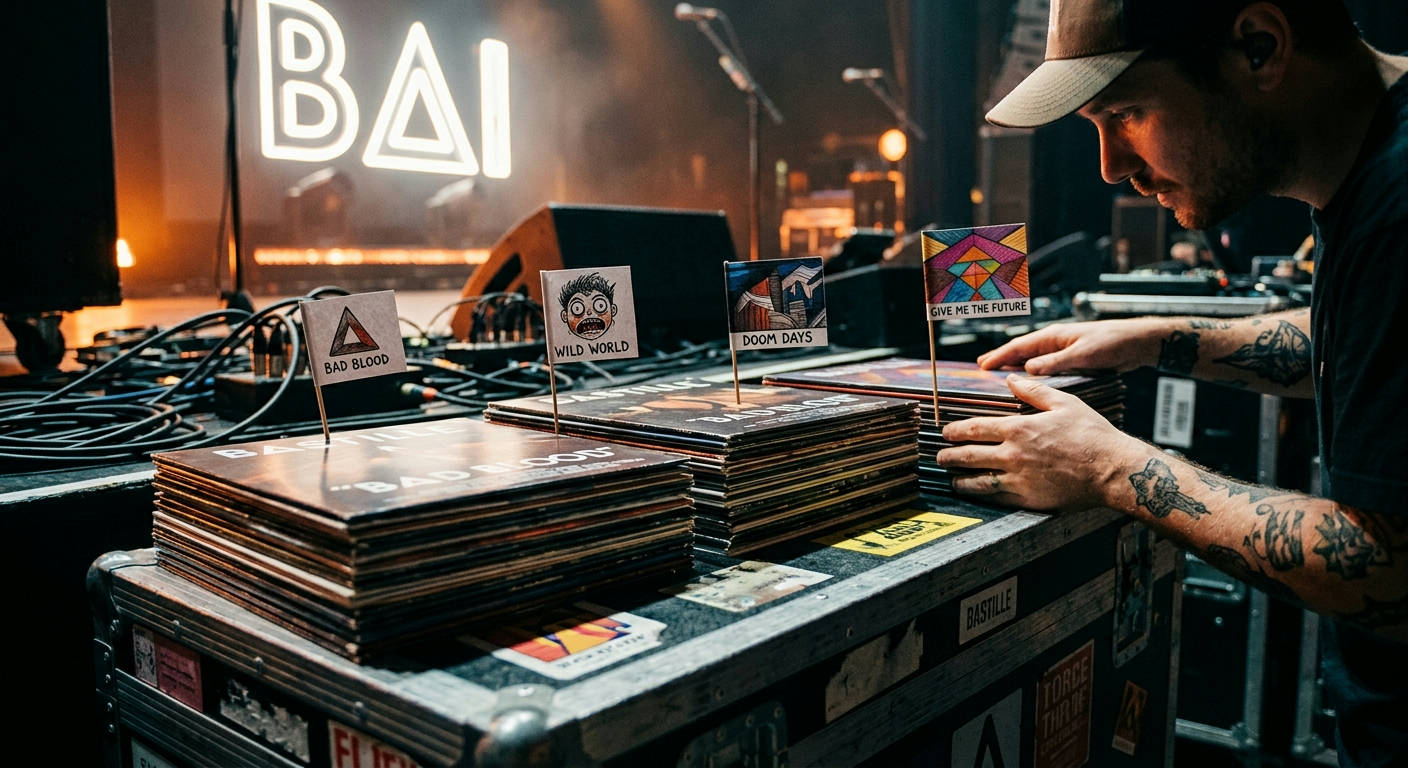
3. Doom Days (2019)
Doom Days is Bastille’s party-at-the-end-of-the-world album. It’s a concept record that chronicles a single night out, from the opening Uber ride to the bleary-eyed morning after, all while the apocalypse rages outside. It’s a claustrophobic, anxious, and deeply relatable album that captures the feeling of trying to find connection and escapism in a world that feels like it’s constantly on fire.
The album is a masterclass in narrative song writing. Each track represents a different time and place during the night, moving from a desperate house party (“Quarter Past Midnight”) to a moment of stark, terrifying clarity (“Those Nights”). The production is darker and more influenced by UK garage and dance music than their previous work, giving it a distinctly nocturnal, urban feel.
It’s a step up from Give Me The Future because its concept feels more grounded and immediate. While GMTF looked to a speculative future, Doom Days held a mirror up to the anxieties of the late 2010s and early 2020s, a feeling that has only intensified. This focus makes it a powerful time capsule and a cathartic listening experience. Its relevance is potent, almost uncomfortably so.
Narrative Arc and Standout Moments
The album’s flow is its greatest strength. It kicks off with the frantic energy of “Quarter Past Midnight,” the sound of pre-drinks and nervous excitement. From there, it moves into the hedonistic denial of the title track, “Doom Days,” where the characters are blissfully ignoring the world’s problems in favour of “one more hit of oblivion.”
“Million Pieces” is a standout, a frantic attempt at a conversation at a loud party, with Dan Smith’s lyrics tumbling over a gospel-infused chorus. It perfectly captures the sensory overload of modern socialising. The emotional core of the album, however, arrives with “Those Nights,” a stark, vulnerable ballad about loneliness and the desperate need for human contact, even with a stranger. It’s a devastatingly beautiful track that showcases the band at their most emotionally raw. The narrative feels particularly sharp and well-executed, reminiscent of the storytelling found on some of the best albums of the 1970s, just updated for a new generation’s anxieties.
### Where Does It Fit in Our Bastille Studio Albums Ranked?
Doom Days earns its spot at number three in our Bastille studio albums ranked deep dive by being the band’s most cohesive and conceptually rigorous project. It doesn’t have the sheer volume of chart-smashing hits as their first two albums, but as a front-to-back listen, it’s arguably their most rewarding. It’s an album for the thinkers, the over-analysers, and anyone who’s ever tried to dance away their existential dread.
The vinyl pressing for Doom Days is excellent, with a dark, atmospheric gatefold that pulls you into the album’s world. The sound is crisp and dynamic, perfect for appreciating the subtle shifts in production as the night wears on.
- Find the Doom Days vinyl on Amazon: https://www.amazon.com/s?k=Bastille+Doom+Days+Vinyl&tag=vinylgolduk-21
Wild World (2016)
After the colossal success of their debut, the pressure was on for Bastille’s follow-up. With Wild World, they didn’t just meet expectations; they shattered them. This album is bigger, bolder, and more ambitious in every conceivable way. It takes the cinematic scope of Bad Blood and injects it with a dose of gritty reality, tackling themes of political turmoil, media manipulation, and the complexities of human relationships.
Wild World is a sprawling, 19-track monster (on the complete edition) that somehow never feels bloated. The sound is more diverse, incorporating fuzzy guitar riffs, brass sections, and intricate string arrangements alongside their signature synths and choir-like backing vocals. The album is punctuated by newsreel samples and snippets of dialogue from old films, creating a sense of unease and disorientation that perfectly mirrors the album’s title.
It outranks Doom Days and Give Me The Future because it strikes the perfect balance between high-concept artistry and undeniable pop sensibility. The hooks are massive, the choruses are anthemic, and the emotional weight is palpable. It’s the sound of a band firing on all cylinders, confident in their vision and capable of producing hit after hit without sacrificing an ounce of substance.
The Evolution of Sound and Lyrical Maturity
The leap in song writing from Bad Blood to Wild World is staggering. “Good Grief” is a perfect example: an incredibly upbeat, danceable song about the disorienting stages of mourning. The lyrical dissonance is a classic Bastille move, but here it feels sharper and more refined. Dan Smith’s ability to pair dark, complex themes with euphoric melodies is a rare gift.
“The Currents” is a snarling, guitar-driven track that takes aim at populist politicians, a theme that remains depressingly relevant. “Send Them Off!” is another highlight, using a thumping bassline and a triumphant brass section to create a sound that’s both menacing and ridiculously catchy, drawing lyrical inspiration from Shakespeare’s Othello and classic sci-fi films. This blend of high-brow references and low-brow pop fun is what makes the album so special.
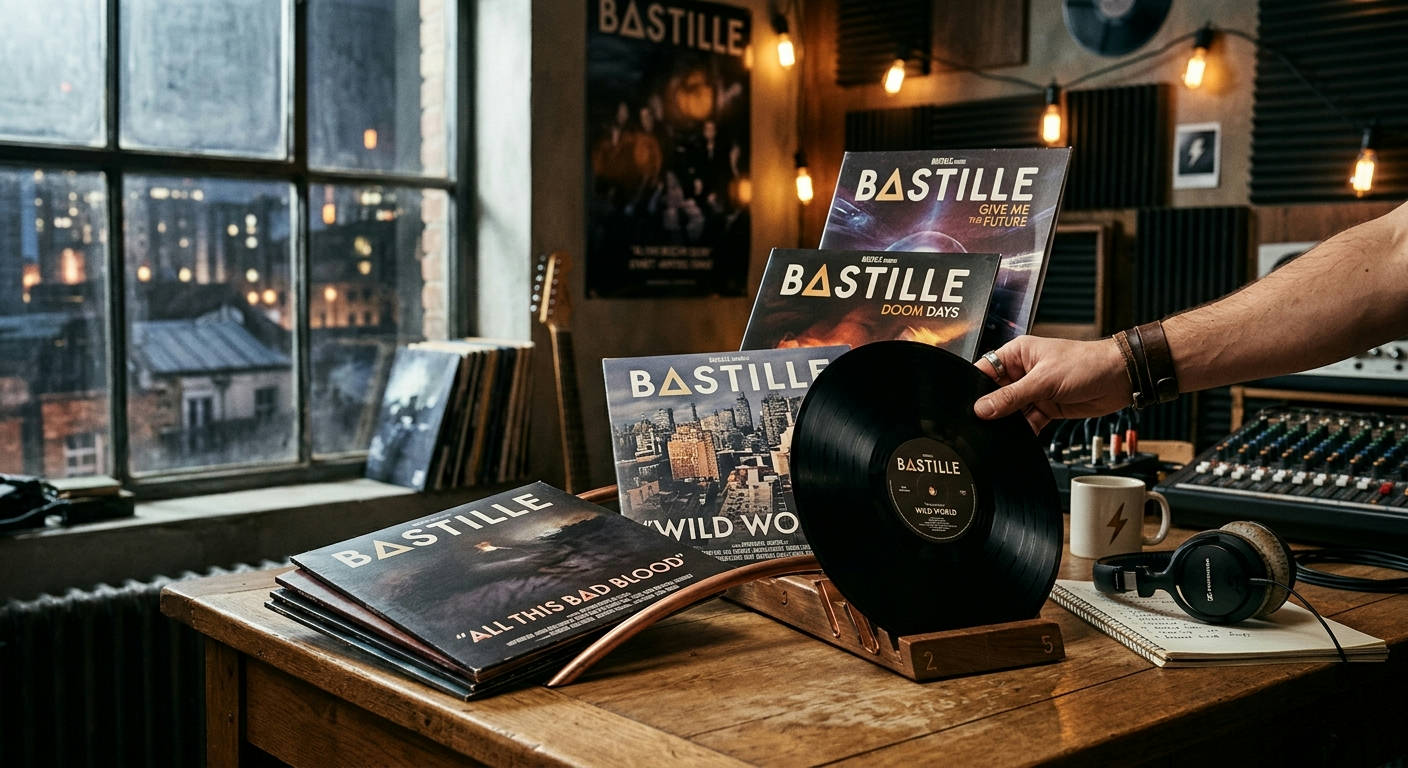
According to a 2016 interview with The Independent, Smith explained the album’s use of samples: “It’s a way of rooting the album in the real world, but also in this slightly surreal, filmic one that we’ve tried to create.”
Why It’s a Fan Favourite
Wild World is often cited by hardcore fans as the band’s best work, and it’s easy to see why. It’s an album that rewards repeat listens, with hidden layers of sound and meaning revealing themselves over time. It’s the perfect synthesis of the band’s strengths: Dan Smith’s evocative storytelling, the band’s knack for an anthemic chorus, and their willingness to experiment with their sound.
The album’s complete edition, Wild World (Complete Edition), adds another five tracks, including the fantastic “Blame” and “Glory,” making an already great album even better. Owning this on vinyl feels like owning a definitive document of the band at the peak of their powers.
- Get the essential Wild World vinyl from Amazon: https://www.amazon.com/s?k=Bastille+Wild+World+Vinyl&tag=vinylgolduk-21
Bad Blood (2013)
Was there ever any doubt? Topping our list of Bastille studio albums ranked is the one that started it all. Bad Blood is a lightning-in-a-bottle moment; a debut album so full of iconic singles, raw emotion, and cinematic ambition that it turned a small London band into global superstars. It’s an album that defined the sound of indie-pop in the early 2010s and remains a flawless, front-to-back masterpiece over a decade later.
What makes Bad Blood so special is its unique blend of the epic and the intimate. These are songs about ancient disasters (“Pompeii”), Greek mythology (“Icarus”), and literary horror (“Daniel in the Den”), yet they all feel deeply personal and relatable. Dan Smith’s lyrics have a narrative quality that transports you, painting vivid pictures with every line. The production is grand and sweeping, full of soaring strings, pounding tribal drums, and massive, choral backing vocals that make every song feel like the climax of a movie.
It’s not just nostalgia that places this album at number one. It’s the sheer, undeniable quality of the song writing. There isn’t a single weak track on the standard edition. Every song could have been a single. It’s a relentless barrage of hooks, melodies, and emotional crescendos that simply doesn’t let up.
The Unstoppable Singles and Deeper Cuts
You can’t talk about Bad Blood without talking about “Pompeii.” The “eh-eh-oh, eh-oh” chant became a global phenomenon. It’s a perfect pop song, a joyous, cathartic anthem about stasis and destruction that paradoxically makes you want to dance. But the album is so much more than its biggest hit. “Things We Lost in the Fire” is a heartbreakingly beautiful ballad, “Flaws” is a charming, self-deprecating piece of indie-pop, and “Laura Palmer” is a moody, synth-driven track inspired by Twin Peaks that showcased the band’s darker side.
The deeper cuts are just as strong. “Overjoyed” is a stunning, minimalist opener that sets the atmospheric tone, while “Get Home” is a beautiful, haunting closer. The extended version, All This Bad Blood, adds even more gems, including the fantastic “The Draw” and “Of the Night,” a genius mashup of Snap!’s “Rhythm is a Dancer” and Corona’s “The Rhythm of the Night.” The sheer creative energy bursting from this era of the band is astonishing. Listening to it is a perfect way to set a vibe, much like you’d curate specific music styles to create the perfect party atmosphere.
The Enduring Legacy of a Classic Debut
Bad Blood is one of those rare debut albums that arrives fully formed. It established the band’s entire aesthetic: the cinematic sound, the historical and literary lyrical themes, and the blend of euphoria and melancholy. It laid the groundwork for everything that came after, and while they’ve evolved and experimented, the DNA of Bad Blood is still present in their music today.
For many, this album was a gateway, an introduction to a new kind of thoughtful, ambitious pop music. Its influence is undeniable, and its songs have become a permanent part of the cultural fabric. Owning Bad Blood on vinyl isn’t just owning a great record; it’s owning a piece of modern music history. The artwork is iconic, and the rich, layered production sounds absolutely immense on a quality turntable.
- Own the classic debut Bad Blood on vinyl from Amazon: https://www.amazon.com/s?k=Bastille+Bad+Blood+Vinyl&tag=vinylgolduk-21
The Final Verdict on Bastille’s Discography
Ranking Bastille’s albums is a journey through a decade-plus of incredible creativity. From the historical epic of Bad Blood to the political commentary of Wild World, the apocalyptic anxiety of Doom Days, and the technological odyssey of Give Me The Future, each album offers a unique and compelling world to explore. They are a band that has never been afraid to evolve, to tackle big ideas, and to push the boundaries of what a pop album can be.
While we’ve placed Bad Blood at the top for its flawless song writing and cultural impact, every album in their catalogue is a testament to their artistry. Dan Smith remains one of the most interesting lyricists of his generation, and the band’s ability to craft soaring, cinematic anthems is second to none.
Ultimately, the best Bastille album is the one that speaks to you the most. Whether you’re drawn to their earliest hits or their latest conceptual work, you’re experiencing a band that consistently delivers music with both brains and a massive, beating heart. Their discography is a rich tapestry of stories, sounds, and emotions, and it’s one we’ll be revisiting on our turntables for years to come.