
There are artists who make great music, and then there are artists who become the music. Al Green belongs firmly in the second category. Over a career spanning more than five decades, Green transformed from a struggling R&B singer into one of the most celebrated voices in American musical history. His journey — from the smoky studios of Memphis to the pulpit of his own church — produced a body of work that is as spiritually rich as it is sonically dazzling. This guide covers every studio album in the Al Green discography, from his raw early recordings to his gospel masterpieces and secular comeback records.
What You Need to Know About Al Green
What is Al Green’s most famous song?
“Let’s Stay Together,” released in January 1972, stands as Al Green’s signature song and one of the greatest soul records ever made. It hit number one on both the Billboard Hot 100 and the R&B charts, cementing Green’s status as a superstar. The song blends romantic vulnerability with an irresistible groove. Decades later, its appeal remains undiminished. Tina Turner covered it in 1983, launching her own comeback. Barack Obama famously sang the opening bars at a fundraiser in 2012. Few songs in the history of popular music carry that kind of timeless weight.
Why did Al Green stop singing secular music?
The turning point came on October 18, 1974. At his Memphis home, Green’s companion Mary Woodson poured a pot of scalding boiling grits over him while he prepared for bed. The attack left him with severe second-degree burns requiring skin grafts and eight months of recovery. Woodson then took her own life with Green’s gun. The incident shook him to his core. Green had already become a born-again Christian a year earlier, and the tragedy crystallised a deeper spiritual reckoning. During his long recovery, he read the Bible and prayed constantly. By 1976, he had purchased a Memphis church and become a fully ordained pastor. His secular career gradually gave way to gospel, a transition that was, for Green, not a commercial calculation but a genuine calling.
Is Al Green in the Rock and Roll Hall of Fame?
Yes. Al Green received the honour in 1995, recognised as, in the Hall’s own words, one of the most gifted purveyors of soul music. His induction acknowledged both his commercial impact — five gold albums, six consecutive number-one R&B singles — and his profound artistic influence on generations of soul, R&B, and gospel artists. The Hall of Fame honour placed him alongside the giants of American music, a distinction that felt long overdue to many critics and fans.
What is the “Hi Records” sound?
Hi Records, the Memphis independent label founded in 1957, became the crucible for one of soul music’s most distinctive sounds. When producer Willie Mitchell took Al Green under his wing in 1969, a remarkable creative partnership began. Mitchell coached Green to find his own voice rather than imitate his heroes. Together, they built a sound defined by warm, unhurried grooves, lush orchestral strings, a deeply funky rhythm section anchored by drummer Al Jackson Jr., and Green’s extraordinary vocal phrasing — a silky, intimate falsetto capable of expressing both ecstasy and heartbreak. That sound filled twelve albums and produced some of the most beloved recordings in American music.





The Early & Classic Soul Era (Hi Records)
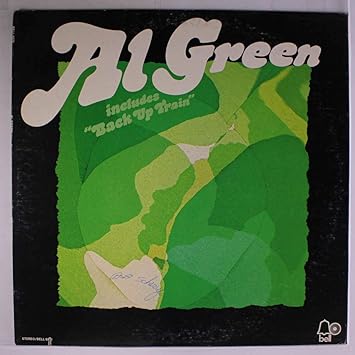
Back Up Train (1967) — As Al Greene & the Soul Mates
Back Up Train marks the earliest entry in the Al Green discography, released before he signed with Hi Records and before producer Willie Mitchell reshaped his sound. Recorded under the name Al Greene & the Soul Mates, this debut effort reveals a young singer still finding his footing. The title track became a regional hit and gave Green his first taste of chart success. However, the album leans heavily on conventional late-1960s soul arrangements, and Green himself later acknowledged it represented a period of artistic imitation rather than authentic expression. He was, at this stage, absorbing influences from Jackie Wilson, Sam Cooke, and James Brown rather than distilling them into something uniquely his own. Nevertheless, Al Green completists and soul historians value this record as a fascinating document of raw, unpolished talent on the cusp of greatness. It is the starting point of a journey that would eventually produce some of the most celebrated music of the twentieth century.
Green Is Blues (1969)
Green Is Blues is where the Al Green story truly begins. After signing with Hi Records and meeting Willie Mitchell, Green shed the final “e” from his surname and started the work of becoming himself as an artist. This debut Hi Records album blends blues, soul, and pop with an assurance that surprised many critics at the time. Mitchell’s production strips away excess and lets Green’s voice breathe, establishing the intimate atmosphere that would define the classic era. Tracks like “One Woman” hint at the romantic directness that Al Green would later perfect. The album performed modestly on the charts, but it laid the creative foundation for everything that followed. In retrospect, music historians view it as an essential stepping stone — a record where an exceptional talent began, deliberately and confidently, to locate his own artistic identity within the rich tradition of Memphis soul.
Al Green Gets Next to You (1971)
Al Green Gets Next to You announced to the world that something special had arrived. The album delivered Green’s first major hit in “Tired of Being Alone,” a song so effortlessly seductive it seemed to materialise fully formed from the Memphis heat. That track sold a million copies and earned gold certification, becoming the first of eight consecutive gold singles Al Green would release between 1971 and 1974. The album also features a superb slow-blues reimagining of the Temptations’ “I Can’t Get Next to You.” Mitchell’s production continues to evolve here, adding textures of strings and organ that thicken the emotional atmosphere without cluttering it. Furthermore, this record signalled that Green possessed something beyond technical vocal skill — an innate ability to make listeners feel genuinely understood. It remains one of the great soul albums of the early 1970s and a perfect entry point for new listeners.
Let’s Stay Together (1972)
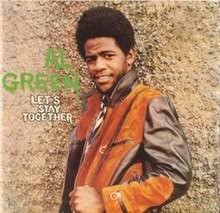
Let’s Stay Together is the first of the so-called “Big Three” — the trio of albums alongside I’m Still in Love with You and Call Me widely considered the holy trinity of 1970s soul. The title track alone would secure Al Green’s place in music history. That number-one smash distils everything the Hi Records partnership had been building toward: warmth, desire, melodic grace, and rhythmic ease. Beyond the hit, the album is remarkably consistent, with “Simply Beautiful” and “I’ve Never Found a Girl” demonstrating Green’s gift for tender vulnerability. Willie Mitchell’s production achieves a seamless balance between sophistication and earthiness. Moreover, the record captures a moment when Green and his collaborators had complete creative mastery. Consequently, it continues to appear on nearly every credible list of the greatest albums in soul music history, and rightly so.
I’m Still in Love with You (1972)
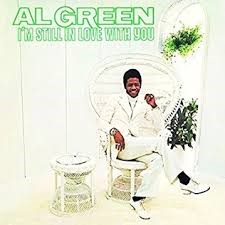
Released in the same year as Let’s Stay Together, I’m Still in Love with You is the second pillar of the “Big Three” and a demonstration of astonishing creative momentum. Al Green released two defining albums in a single calendar year — a feat that speaks to the extraordinary productivity of his partnership with Willie Mitchell. The title track and “Look What You Done for Me” both became top-five pop hits. Additionally, “Love and Happiness” — arguably the greatest deep cut in the entire Green catalogue — became one of soul music’s most sampled recordings. The track pulses with a slow, hypnotic authority that perfectly showcases Green’s vocal range. Throughout the album, Mitchell’s arrangements feel simultaneously lush and spacious, creating room for Green’s voice to perform miracles of phrasing and emotional inflection. This is soul music at the absolute peak of its powers.
Call Me (1973)
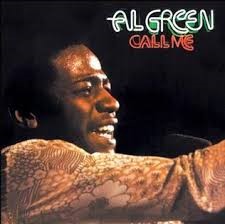
Call Me completes the “Big Three” and represents the pinnacle of the Hi Records soul era. The album opens with a breathtaking cover of Hank Williams’ “I’m So Lonesome I Could Cry,” demonstrating Al Green’s gift for transcending genre boundaries. His vocal reading of the Willie Nelson composition “Funny How Time Slips Away” similarly reveals an artist who thinks in terms of feeling rather than category. The title track and “Here I Am (Come and Take Me)” delivered further hits, keeping Green at the top of both the pop and R&B charts. Mitchell’s production reaches its most sophisticated expression here — the strings warmer, the rhythm section deeper, the overall sound more cinematic. Furthermore, the album carries a subtle emotional complexity that rewards repeat listening. Decades later, Call Me stands as a definitive statement of what American soul music can achieve when talent, vision, and craft align perfectly.
Livin’ for You (1973)
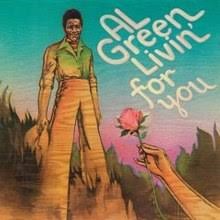
Livin’ for You arrived in the year that saw Al Green at the commercial height of his powers, yet this album carries a reflective, almost devotional quality that points toward the spiritual turn still to come. The title track and “Let’s Get Married” became significant hits, but the deeper pleasures lie in the album’s quieter moments. Green and Mitchell continued to refine the Hi Records formula here, tightening arrangements without sacrificing warmth. The gospel undertones that run through several tracks feel entirely natural rather than imposed — a sign that Green’s spiritual life and his musical life were beginning to converge. Additionally, the album’s production gloss feels slightly more polished than its predecessors, anticipating the mid-decade evolution of soul toward a more orchestrated sound. As a result, Livin’ for You occupies a fascinating transitional position in the discography, bridging the peak commercial era with what would follow.
Al Green Explores Your Mind (1974)
Al Green Explores Your Mind holds a pivotal place in the discography. Released in the same year as the traumatic grits incident, it captures Al Green at a creative crossroads. The album contains “Take Me to the River,” a song drenched in Baptist imagery and the language of spiritual surrender. It proved prescient — Green himself was approaching exactly that kind of surrender. “Sha-La-La (Make Me Happy)” delivered another major hit, while the album’s overall tone begins to suggest an artist whose interior world was shifting beneath the commercial surface. Mitchell’s production remains impeccable, but there is a new tension between the secular and the sacred running through the grooves. This is, consequently, the last album that fully belongs to the pre-awakening era. Everything that comes after bears the mark of the transformation Green underwent during his long recovery from that October night.
Al Green Is Love (1975)
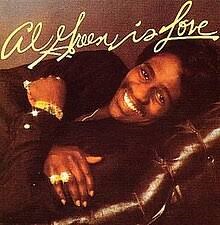
Al Green Is Love arrived after Green’s hospitalisation and recovery, and the experience left its mark on the music. The album carries a gentler, more contemplative energy than its predecessors. Al Green explores themes of devotion — romantic and spiritual — with renewed seriousness. The title itself reads almost as a declaration of intent. “Oh Me, Oh My (Dreams in My Arms)” and “L-O-V-E (Love)” performed well commercially, demonstrating that his audience remained loyal through the transition. Moreover, Mitchell’s production adapts to the new emotional register, softening without losing focus. Some critics detected a slight commercial calculation in the album’s smoothness, but others recognised a genuine evolution in Green’s artistry. Either way, Al Green Is Love documents a man who had survived trauma and emerged with his creative voice not only intact but deepened.
Full of Fire (1976)
Full of Fire finds Al Green navigating a genuine tension between his deepening faith and his commercial identity as a soul singer. The album crackles with energy, particularly on the funk-inflected title track, yet the spiritual restlessness beneath the surface is unmistakable. Green purchased his Memphis church in this very year, a decision that speaks volumes about where his priorities were shifting. Accordingly, the music here feels charged with something urgent and unresolved. Willie Mitchell’s production remains assured, but the album as a whole lacks the effortless cohesion of the “Big Three.” Instead, it documents an artist in genuine creative and spiritual flux. For that reason, it remains a fascinating and undervalued entry in the discography — not a peak, but a revealing and honest record from a man visibly in the middle of becoming someone new.
Have a Good Time (1976)
Have a Good Time appeared in the same year as Full of Fire, and together the two albums bracket a significant moment of change. Here, Al Green leans back toward accessible soul-pop, as if making a final concerted attempt to hold his place in the commercial mainstream before his spiritual commitments fully took over. The title track and “Keep Me Cryin'” delivered strong R&B performances. Additionally, the album showcases Mitchell’s continued skill at crafting radio-friendly arrangements that nonetheless retain genuine soul depth. However, with hindsight, Have a Good Time reads as something of a farewell to the Hi Records soul formula that had defined Green’s commercial career. It is polished, warm, and professionally executed, yet there is the sense of a man who knows he is moving on. Consequently, the album rewards listening as both entertainment and document.
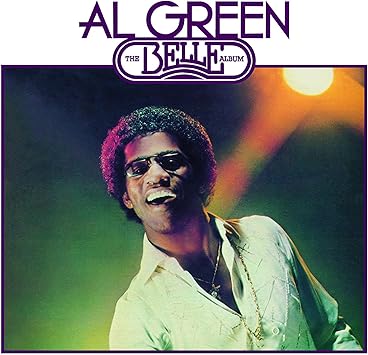
The Belle Album (1977)
The Belle Album is a masterpiece, and unlike any other record in the Al Green catalogue. Crucially, it was his first self-produced work — Green took the controls himself, and the result is extraordinary. Gone is the lush Hi Records formula; in its place, a rawer, more personal sound built on skeletal guitar arrangements and a vocal directness that feels almost uncomfortably intimate. “Belle” itself is a stunning song, a meditation on the conflict between earthly love and devotion to God. The album wrestles openly with that tension throughout. Lou Reed named it among his twelve favourite albums of all time. Beyond its critical standing, The Belle Album represents a genuinely brave artistic act — a superstar surrendering commercial calculation in favour of something deeply true. It stands as one of the great transitional records in American music, and essential listening for anyone who wants to understand what Al Green was and what he was becoming.
Truth n’ Time (1978)
Truth n’ Time closes the Hi Records chapter with quiet dignity. Al Green sounds composed and resolute here, an artist who has made his peace with the path ahead. The album contains several strong performances, including “To Sir with Love” and a deeply soulful reading of the title track. While it lacks the explosive creative energy of the classic era, it compensates with a settled, mature confidence. Mitchell’s production returns in a supportive capacity, but Green’s artistic independence — first asserted on The Belle Album — remains intact. Furthermore, the spiritual content is now fully integrated rather than in tension with the secular material. Truth n’ Time is, in retrospect, a dignified close to one chapter and an honest signal of what the next would bring. Two years later, Al Green released his first gospel album and never looked back — at least for a while.
The Gospel Era
| Album | Year | Label |
|---|---|---|
| The Lord Will Make a Way | 1980 | Myrrh |
| Higher Plane | 1981 | Hi |
| Precious Lord | 1982 | Hi |
| I’ll Rise Again | 1983 | Hi |
| Trust in God | 1984 | Myrrh |
| He Is the Light | 1985 | A&M |
| Soul Survivor | 1987 | A&M |
| I Get Joy | 1989 | A&M |
| From My Soul | 1990 | Word |
| Love Is Reality | 1992 | Word |
The Lord Will Make a Way (1980)
The Lord Will Make a Way is the album that made it official. With this release, Al Green stepped fully into gospel music and left his secular career behind — at least for the foreseeable future. The record moves with the conviction of a man who has found his true purpose. Green’s voice, freed from the expectation of pop hits, soars with a new kind of authority. The arrangements draw on traditional gospel structures without sounding rigid or dated. Furthermore, the sincerity here is impossible to doubt — this is not a strategic pivot but a genuine declaration of faith. Title track and “The Lord Will Make a Way” became cornerstones of his gospel ministry. Critics who expected a disappointing detour were surprised by the album’s quality. For Green, it was not a departure from greatness; it was a redirection of it toward something he found far more meaningful.
Higher Plane (1981)
Higher Plane builds on the momentum of Green’s gospel debut with greater musical confidence. Al Green expands his sonic palette here, incorporating contemporary gospel production without sacrificing the warmth and intimacy that define his voice. The album contains several standout performances that translate his Hi Records-era vocal mastery into a devotional context. Additionally, it demonstrates that Green’s musical instincts remained sharp even as his creative focus shifted entirely to matters of faith. The gospel community embraced him warmly, and his Full Gospel Tabernacle church in Memphis grew accordingly. Critics noted that Higher Plane revealed an artist who had genuinely found his footing in a new genre rather than simply retreating from a more successful one. Consequently, the album solidified his standing as a significant figure not only in soul music history but in contemporary gospel as well.
Precious Lord (1982)
Precious Lord is an album of hymns and gospel standards, and Al Green treats each one with the reverence and artistry it deserves. His reading of Thomas A. Dorsey’s title composition — one of the most beloved hymns in the African American church tradition — is particularly moving. Green does not attempt to reinterpret the classics so much as inhabit them completely. His voice, still in magnificent condition, carries each lyric with an authority born of genuine faith. Furthermore, the album’s intimate production allows his vocals to dominate without distraction. For listeners coming to Al Green primarily through his soul recordings, Precious Lord can serve as a revelatory introduction to the gospel tradition that always underpinned his secular work. The connections between “Love and Happiness” and these hymns are closer than they might initially appear — both emerge from the same deep spiritual well.
I’ll Rise Again (1983)
I’ll Rise Again demonstrates Al Green’s continued commitment to the gospel path, even as some in the music industry continued to hope he might return to secular recording. The album carries themes of perseverance and spiritual redemption that clearly resonated with Green personally. His performances here are among the most emotionally direct of the entire gospel era. Additionally, the production benefits from increasingly sophisticated studio technology without losing the warm, live feel that suits Green’s voice best. Songs like the title track showcase his ability to build a vocal performance from quiet intimacy to powerful declaration — a skill equally at home in a Memphis soul ballad or a Sunday morning sermon. Ultimately, I’ll Rise Again stands as a strong and sincere entry in a gospel catalogue that often gets overshadowed by the celebrated Hi Records years.
Trust in God (1984)
Trust in God continues Al Green’s gospel journey with assurance and grace. By this point, Green had fully integrated his roles as recording artist and ordained pastor, and that integration produces music of genuine spiritual authority. The album explores themes of surrender, faith under pressure, and the sustaining power of devotion — themes deeply personal to an artist who had navigated the traumatic events of 1974 and emerged transformed. Furthermore, Mitchell’s occasional involvement in the production maintains a thread of sonic continuity with the Hi Records era, even within a gospel context. For Al Green, making this record was as much an act of ministry as it was music. Listeners who engage with Trust in God on its own terms, rather than comparing it to the secular peaks, discover an album of quiet power and deep sincerity.
He Is the Light (1985)
He Is the Light marked Al Green’s move to the A&M Records label and brought his gospel music to a wider mainstream audience. The production values here are noticeably higher — polished, contemporary, and radio-accessible in a way that distinguishes this album from its predecessors. Title track and “Going Away” reached a broader listenership while retaining genuine spiritual content. Consequently, this album probably introduced more secular listeners to Green’s gospel work than any other. It demonstrates his flexibility as an artist — able to adapt his presentation without compromising his message. Al Green sounds energised by the new creative environment, and his voice responds accordingly. He Is the Light is ultimately a bridge record, pointing both toward the mainstream and deeper into the faith-based mission that had defined the entire decade of his life.
Soul Survivor (1987)
Soul Survivor is among the strongest records of Al Green’s gospel decade. The album pulses with energy, and Green’s voice sounds as magnificent as it did in his Hi Records peak years. Additionally, the production strikes an effective balance between contemporary gospel and the organic soul feel that remains inseparable from his identity. The title is apt — Green had survived personal tragedy, career reinvention, and public scepticism to emerge as a credible and respected figure in gospel music. Furthermore, the album’s confident energy suggested that far from burning out, his creativity remained vital. Soul Survivor earned strong reviews and reinforced his standing in the gospel community. For listeners tracing the full arc of his career, it represents a high point of the gospel era — proof that the artistic gifts demonstrated on Let’s Stay Together never diminished, only found a new direction.
I Get Joy (1989)
I Get Joy captures Al Green in a joyful, celebratory mood that distinguishes it from the more introspective gospel records that precede it. The album’s title sets the tone — this is music of gratitude and exuberance rather than struggle and surrender. Musically, it incorporates elements of contemporary R&B production that reflect the sonic landscape of the late 1980s. Moreover, Green had simultaneously released a duet with Annie Lennox — “Put a Little Love in Your Heart” for the Scrooged soundtrack — which became his first top-ten pop hit since 1974. I Get Joy benefits from this renewed public visibility, and Green sounds aware of his expanded audience. The album balances accessibility with spiritual depth, producing one of the most purely enjoyable records of his gospel period.
From My Soul (1990)
From My Soul reflects Al Green at his most personal and unguarded. Recorded for Word Records, the album strips away much of the contemporary production gloss of its immediate predecessors in favour of a more direct, intimate sound. Green’s voice carries each lyric with the weight of genuine lived experience — faith tested, survived, and deepened. Additionally, the album’s title suggests exactly what Green always gave his listeners: music drawn from the deepest available source. Transitioning through the decades, he maintained a consistency of commitment that commercial artists rarely sustain. From My Soul may not be the most technically polished entry in his gospel catalogue, but it compensates fully with emotional authenticity. For Al Green, the gospel era was never about performance — it was about testimony.
Love Is Reality (1992)
Love Is Reality marks the final chapter of the gospel era before Al Green turned his attention back toward secular recording. The album carries themes of unity and compassion that feel universal rather than narrowly devotional. Green sounds reflective here — an artist taking stock of a remarkable decade of faith-based music before preparing to re-engage with a broader audience. Furthermore, the production offers a contemporary gospel sound that keeps the album feeling relevant rather than dated. Love Is Reality closes the gospel period with quiet grace. Al Green had spent more than a decade proving that the voice which made “Let’s Stay Together” immortal could express something equally profound in a completely different spiritual and musical context. That he succeeded so convincingly speaks to the depth and range of one of American music’s most remarkable talents.
The Secular Comeback Era
Your Heart’s in Good Hands (1995)
Your Heart’s in Good Hands announced Al Green’s return to secular soul music, and it made clear that nothing essential had been lost during the gospel years. Released on MCA Records, the album reconnects with the romantic soul tradition that made him famous while reflecting the maturity of an artist who had lived through extraordinary experiences. Warm, unhurried, and vocally stunning, it reminded a new generation of listeners why Green had earned his 1995 Rock and Roll Hall of Fame induction. Additionally, the production nods respectfully toward contemporary R&B without abandoning the classic soul warmth that remains his natural habitat. For longtime fans, Your Heart’s in Good Hands felt like a homecoming. For newer listeners discovering Al Green for the first time, it offered an accessible and emotionally generous introduction to one of music’s great voices.
I Can’t Stop (2003)
I Can’t Stop reunited Al Green with producer Willie Mitchell after a gap of more than two decades, and the result was something close to miraculous. The album recaptures the Hi Records atmosphere with stunning fidelity — the warm grooves, the intimate arrangements, the sense of time suspended in a Memphis afternoon. Yet it also feels entirely contemporary, never nostalgic in a hollow or cynical way. Critics responded rapturously, and the album earned Green the highest praise of his late career. Additionally, a new generation of listeners, many of whom had discovered his classic recordings through samples and film soundtracks, embraced the album enthusiastically. I Can’t Stop demonstrates that the chemistry between Al Green and Willie Mitchell was not a product of a particular moment in time but a deep, enduring creative partnership that the intervening decades had only enriched.
Everything’s OK (2005)
Everything’s OK followed the celebrated reunion of I Can’t Stop and continued Al Green’s late-career creative renaissance. The album maintains the classic soul atmosphere while expanding Green’s musical palette slightly, incorporating elements of funk and contemporary R&B without disturbing the essential warmth that defines his sound. Green sounds relaxed and assured throughout — an artist entirely at ease with his legacy and his present creative moment. Furthermore, the album’s sunny, optimistic title reflects a genuine serenity in Green’s personal and artistic life at this stage. He had navigated more turbulence than most artists experience in a lifetime and arrived somewhere peaceful. Everything’s OK is not a reinvention; it is a confident and gratifying continuation, proof that Al Green remained one of the most naturally gifted vocalists in popular music.
Lay It Down (2008)
Lay It Down is the final studio album in the Al Green discography to date, and it arrived with considerable critical fanfare. Produced by Ahmir “Questlove” Thompson of The Roots, the album bridges generations with remarkable ease. Questlove’s production draws directly on the classic Hi Records aesthetic while incorporating modern textures that give the record a fresh, vibrant feel. Guest appearances from John Legend and Anthony Hamilton add to the sense of an artist whose influence spans decades and genres. Additionally, the album earned Green a Grammy nomination and widespread critical acclaim. Lyrically and vocally, Al Green sounds fully engaged — curious, warm, and spiritually alive in exactly the way his best music has always been. Lay It Down stands as a fitting capstone to a discography that charts one of the most extraordinary artistic journeys in the history of American music.
A Legacy Without Equal
The story of Al Green is ultimately a story about transformation — artistic, spiritual, and human. From the raw early recordings of the Hi Records years through the gospel decade and back again to secular soul, he never stopped searching for ways to express something true about the human experience. His voice — that miraculous instrument capable of whispering and soaring within a single phrase — remains one of the most distinctive and beloved sounds in all of popular music. Whether you discover him through the sleek perfection of “Let’s Stay Together,” the radical intimacy of The Belle Album, or the late-career elegance of Lay It Down, you find the same essential quality: music made by someone who means every word. In a catalogue full of remarkable records, that sincerity is perhaps Al Green’s greatest and most enduring achievement.