
Few bands define a genre as clearly as Lynyrd Skynyrd. Their blend of blues, country, and hard rock shaped Southern rock and influenced generations. This guide explores every studio album, highlighting key moments, evolution, and legacy.
Key Questions About Lynyrd Skynyrd Answered
Who are the original members of Lynyrd Skynyrd?
The original lineup featured Ronnie Van Zant, Gary Rossington, Allen Collins, Ed King, Larry Junstrom, and Bob Burns. Together, they built the band’s signature three-guitar sound. Their chemistry shaped the early success of Lynyrd Skynyrd and defined Southern rock.
What was Lynyrd Skynyrd’s first album?
Lynyrd Skynyrd released (Pronounced ‘Lĕh-‘nérd ‘Skin-‘nérd) in 1973. This debut introduced their core sound and included songs that became staples of classic rock radio.
How many albums did Lynyrd Skynyrd release before the plane crash?
Before the 1977 tragedy, Lynyrd Skynyrd released five studio albums and one live album. These records established their legacy and secured their place in rock history.
Is Lynyrd Skynyrd still touring in 2026?
Yes, Lynyrd Skynyrd continues touring in 2026 with the Double Trouble Double Vision tour. The band maintains strong fan support and continues performing worldwide.
What is the meaning behind “The Ballad of Curtis Loew”?
The song honors blues musicians who influenced Lynyrd Skynyrd. It reflects respect for roots music and highlights the band’s deep connection to American blues traditions.
1973 – (Pronounced ‘Lĕh-‘nérd ‘Skin-‘nérd)
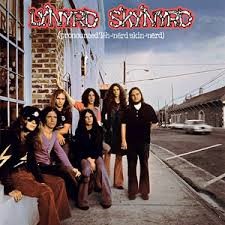
Lynyrd Skynyrd launched their career with 1973’s debut album, and it immediately set a high standard. From the opening moments, Lynyrd Skynyrd delivered a confident Southern rock identity. Moreover, the band combined blues influences with sharp guitar work and grounded storytelling.
The album introduced their signature three-guitar attack, which quickly became a defining feature. Additionally, Ronnie Van Zant’s direct vocal style gave Lynyrd Skynyrd authenticity and edge. Songs explored themes of freedom, identity, and life in the American South.
Importantly, Lynyrd Skynyrd created a blueprint for future releases with this record. The arrangements feel deliberate, yet the performances remain raw and energetic. As a result, the album gained both critical praise and strong commercial traction.
Furthermore, the production captured a live feel, which helped the band connect with audiences. That approach strengthened Lynyrd Skynyrd’s reputation as a powerful touring act. Over time, the album became essential listening for classic rock fans.
Ultimately, this debut established Lynyrd Skynyrd as a major force. It still stands as one of the most influential Southern rock albums ever released.
1974 – Second Helping
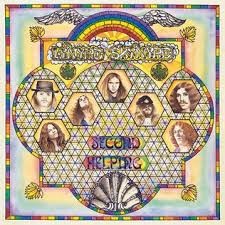
With 1974’s Second Helping, Lynyrd Skynyrd expanded their reach and sharpened their sound. The album delivered a more polished production while maintaining their Southern rock roots. Consequently, Lynyrd Skynyrd reached a wider audience and achieved major commercial success.
The song writing improved noticeably, as the band leaned into stronger hooks and tighter arrangements. At the same time, Lynyrd Skynyrd retained their gritty edge and regional identity. This balance helped the album stand out during a competitive rock era.
Additionally, the band’s guitar interplay became more refined, showcasing greater musical confidence. Ronnie Van Zant’s lyrics also displayed sharper commentary and storytelling. Therefore, Lynyrd Skynyrd deepened their connection with listeners.
Commercially, the album marked a breakthrough moment. It pushed Lynyrd Skynyrd into mainstream recognition and sustained radio presence. Moreover, the record reinforced their image as Southern rock leaders.
Over time, Second Helping earned its place as a defining album of the 1970s. It confirmed that Lynyrd Skynyrd could evolve while staying true to their roots.
1975 – Nuthin’ Fancy
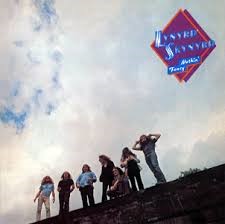
Released in 1975, Nuthin’ Fancy captured Lynyrd Skynyrd at a transitional moment. While the album retained their signature sound, it also revealed growing internal pressure. Nevertheless, Lynyrd Skynyrd delivered a record filled with energy and attitude.
The band leaned into heavier riffs and darker lyrical themes. As a result, Lynyrd Skynyrd explored a more aggressive side of their music. This shift gave the album a distinctive edge compared to earlier releases.
However, the recording process proved challenging, which influenced the album’s raw tone. Even so, Lynyrd Skynyrd maintained strong musical cohesion throughout. The guitar work remained sharp, and the rhythm section drove each track forward.
Critically, the album received mixed responses, yet fans embraced its authenticity. Furthermore, Lynyrd Skynyrd continued to build their reputation through relentless touring. That connection helped sustain the album’s popularity.
In hindsight, Nuthin’ Fancy represents a crucial step in the band’s evolution. It shows Lynyrd Skynyrd pushing boundaries while staying grounded in Southern rock traditions.
1976 – Gimme Back My Bullets
By 1976, Lynyrd Skynyrd faced rising expectations, and Gimme Back My Bullets reflects that pressure. The album aimed for a cleaner sound, which marked a noticeable shift. Even so, Lynyrd Skynyrd retained their core identity.
Producer changes influenced the overall tone, resulting in a more controlled production style. Consequently, some fans viewed the album as less raw than previous releases. However, Lynyrd Skynyrd still delivered strong performances and tight arrangements.
Lyrically, the band addressed challenges and resilience, which added depth to the record. Ronnie Van Zant’s vocals carried a sense of determination throughout. Therefore, Lynyrd Skynyrd conveyed both confidence and vulnerability.
Although the album did not match earlier commercial peaks, it remains an important entry. It highlights Lynyrd Skynyrd adapting to industry demands while refining their craft. Additionally, the band’s musicianship continued to improve.
Today, Gimme Back My Bullets stands as an underrated release. It shows Lynyrd Skynyrd navigating change without losing their identity.
1977 – Street Survivors

Released in 1977, Street Survivors marked a defining and tragic chapter for Lynyrd Skynyrd. The album showcased a mature sound and confident song writing. At the same time, it became forever linked to the plane crash that followed.
Musically, Lynyrd Skynyrd reached a peak of cohesion and creativity. The guitar work sounded precise, and the rhythm section delivered consistent energy. Moreover, Ronnie Van Zant’s vocals carried emotional weight and clarity.
Themes of survival, reflection, and consequence run throughout the album. As a result, Street Survivors feels both powerful and haunting. Lynyrd Skynyrd captured a sense of urgency that resonates deeply with listeners.
Commercially, the album performed strongly and maintained the band’s momentum. However, the tragedy halted Lynyrd Skynyrd’s rise and changed their legacy forever. Even so, the album remains a cornerstone of their catalog.
Ultimately, Street Survivors stands as both a musical achievement and a historical moment. It represents the height of Lynyrd Skynyrd’s original era.
1991 – Lynyrd Skynyrd 1991
After years of silence, Lynyrd Skynyrd returned with 1991’s comeback album. This release introduced a new era while honoring the past. Notably, Lynyrd Skynyrd balanced nostalgia with a modern sound.
The band incorporated contemporary production without abandoning their Southern rock roots. As a result, Lynyrd Skynyrd appealed to long-time fans and new listeners. The album reflected both growth and respect for their legacy.
Vocally, the transition marked a significant change, yet the spirit remained intact. Additionally, the guitar work continued to define the band’s identity. Lynyrd Skynyrd proved they could adapt without losing authenticity.
Critically, reactions varied, but the album succeeded in re-establishing the band. Furthermore, Lynyrd Skynyrd demonstrated resilience by returning to the spotlight. This effort strengthened their long-term relevance.
In the broader discography, Lynyrd Skynyrd 1991 represents renewal. It shows the band embracing change while preserving their core sound.
1993 – The Last Rebel
With 1993’s The Last Rebel, Lynyrd Skynyrd leaned into a more reflective tone. The album emphasized storytelling and emotional depth. Consequently, Lynyrd Skynyrd explored themes of identity and perseverance.
The production highlighted clarity, allowing each instrument to stand out. Moreover, the song writing focused on narrative-driven content. Lynyrd Skynyrd used this approach to connect more deeply with listeners.
While the album did not dominate charts, it strengthened their artistic credibility. Additionally, Lynyrd Skynyrd continued building a loyal fan base during this period. Their consistency helped sustain long-term success.
Overall, The Last Rebel offers a thoughtful and mature perspective. It reflects Lynyrd Skynyrd’s ability to evolve while honoring their roots.
1994 – Endangered Species
Released in 1994, Endangered Species presented Lynyrd Skynyrd in a different format. The album featured acoustic reinterpretations of earlier material. As a result, Lynyrd Skynyrd highlighted their song writing strength.
Stripped-down arrangements revealed new layers within familiar songs. Furthermore, Lynyrd Skynyrd showcased versatility by stepping away from their usual sound. This approach added freshness to their catalogue.
The album also introduced new material, blending past and present influences. Consequently, Lynyrd Skynyrd bridged generations of listeners. The acoustic style created a more intimate listening experience.
Critically, the album received appreciation for its creativity. It demonstrated Lynyrd Skynyrd’s willingness to experiment. At the same time, it reinforced their legacy.
Endangered Species stands as a unique entry. It proves Lynyrd Skynyrd can reinterpret their music effectively.
1997 – Twenty
Celebrating their legacy, Lynyrd Skynyrd released Twenty in 1997. The album marked two decades since their debut. Therefore, Lynyrd Skynyrd approached the project with a sense of reflection.
Musically, the band blended classic elements with modern influences. This balance helped Lynyrd Skynyrd remain relevant in a changing industry. Additionally, the song writing reflected maturity and experience.
The album also featured collaborations, which expanded its appeal. As a result, Lynyrd Skynyrd connected with a broader audience. Their adaptability played a key role in sustaining interest.
Although it did not reach massive commercial heights, the album holds significance. It celebrates longevity and commitment. Lynyrd Skynyrd demonstrated resilience through continued output.
Ultimately, Twenty reinforces the band’s enduring presence. It highlights Lynyrd Skynyrd’s ability to evolve while honoring their past.
1999 – Edge of Forever
With 1999’s Edge of Forever, Lynyrd Skynyrd delivered a confident late-era album. The record combined polished production with classic Southern rock elements. Consequently, Lynyrd Skynyrd maintained their signature sound.
The guitar work remained central, supported by steady rhythms and clear vocals. Moreover, Lynyrd Skynyrd emphasized strong song writing throughout. This consistency helped the album resonate with fans.
Critics noted the band’s ability to stay relevant without chasing trends. Additionally, Lynyrd Skynyrd focused on authenticity rather than reinvention. That approach strengthened their identity.
Although the album did not redefine their career, it reinforced stability. Lynyrd Skynyrd proved they could sustain quality over time. This reliability contributed to their lasting appeal.
Edge of Forever stands as a solid entry in their catalogue. It reflects Lynyrd Skynyrd’s commitment to their craft.
2000 – Christmas Time Again
Released in 2000, Christmas Time Again showed a different side of Lynyrd Skynyrd. The band embraced holiday themes while maintaining their Southern rock style. As a result, Lynyrd Skynyrd created a distinctive seasonal album.
The record blends traditional elements with original material. Furthermore, Lynyrd Skynyrd approached the project with energy and sincerity. This combination made the album stand out.
Fans appreciated the band’s willingness to explore new territory. Additionally, Lynyrd Skynyrd maintained their identity despite the theme shift. The album feels cohesive and engaging.
While it remains a niche release, it adds variety to their discography. Lynyrd Skynyrd demonstrated versatility and creativity. That willingness to experiment strengthens their legacy.
2003 – Vicious Cycle
With 2003’s Vicious Cycle, Lynyrd Skynyrd returned to a heavier sound. The album features strong riffs and confident performances. Consequently, Lynyrd Skynyrd reasserted their presence in modern rock.
The production feels fuller, with layered instrumentation and clear vocals. Moreover, Lynyrd Skynyrd addressed contemporary themes while honouring their roots. This balance appealed to a wide audience.
Commercially, the album performed well and gained renewed attention. Additionally, Lynyrd Skynyrd benefited from strong touring support. Their live shows reinforced the album’s impact.
Overall, Vicious Cycle represents a successful comeback moment. It shows Lynyrd Skynyrd adapting while staying authentic.
2009 – God & Guns

Released in 2009, God & Guns blends tradition with modern influences. Lynyrd Skynyrd focused on themes of faith, identity, and resilience. As a result, the album feels both personal and grounded.
The production highlights clarity and strong instrumentation. Additionally, Lynyrd Skynyrd delivered consistent song writing throughout. This approach strengthened the album’s cohesion.
Fans responded positively to the return to core themes. Moreover, Lynyrd Skynyrd maintained relevance in a changing musical landscape. Their commitment to authenticity stands out.
God & Guns reinforces the band’s enduring appeal. It shows Lynyrd Skynyrd balancing legacy and evolution effectively.
2012 – Last of a Dyin’ Breed
With 2012’s Last of a Dyin’ Breed, Lynyrd Skynyrd emphasized heritage and identity. The album celebrates Southern rock traditions. Consequently, Lynyrd Skynyrd reaffirmed their place in the genre.
The sound feels confident, with strong guitar work and clear vocals. Additionally, Lynyrd Skynyrd focused on consistency and structure. This approach created a cohesive listening experience.
Critically, the album received solid praise for its authenticity. Furthermore, Lynyrd Skynyrd demonstrated staying power in a competitive industry. Their longevity continues to impress.
Last of a Dyin’ Breed stands as a statement of purpose. It highlights Lynyrd Skynyrd’s enduring legacy.
2026 – Rollin’ Down The Highway
The 2026 release Rollin’ Down The Highway accompanies Lynyrd Skynyrd’s current tour. The album reflects decades of experience and evolution. As a result, Lynyrd Skynyrd deliver a confident modern record.
The sound blends classic Southern rock with contemporary production. Moreover, Lynyrd Skynyrd maintain their signature guitar-driven approach. This balance appeals to both old and new fans.
Themes focus on legacy, resilience, and reflection. Additionally, Lynyrd Skynyrd embrace their history while looking forward. This perspective adds depth to the album.
Ultimately, Rollin’ Down The Highway shows that Lynyrd Skynyrd remain relevant. Their influence continues to shape rock music today.
Final Thoughts
Lynyrd Skynyrd built a catalogue that spans decades, challenges, and reinvention. From their early classics to modern releases, Lynyrd Skynyrd continue to define Southern rock.