
Madness shaped British pop culture with a sound that fused ska, pop, and sharp storytelling. Emerging during the 2-Tone movement alongside The Specials and The Selecter, Madness brought humour and social observation into mainstream charts. Their songs captured everyday British life, yet they always delivered strong melodies and energy. Over decades, Madness evolved without losing their identity, which explains their lasting appeal. Even now, Madness continues to tour and release new music, proving their relevance across generations. Notably, guitarist Chris Foreman revealed a myeloma diagnosis in 2025, yet the band still performs. Therefore, this guide explores every Madness album in chronological order, highlighting how Madness built one of the most consistent catalogues in British music.
Most Asked Questions About Madness
What was the first Madness album?
One Step Beyond…, released in 1979.
Why did the band name themselves Madness?
They named themselves after the song “Madness” by Prince Buster.
Is Madness still together?
Yes, Madness remains active, touring and releasing music, including a 2023 UK Number 1 album.
What is the genre of Madness?
Madness blends ska and pop, forming a core part of the 2-Tone movement.
One Step Beyond… (1979)

Madness introduced their energetic style with One Step Beyond…, a defining debut in British ska. From the outset, Madness delivered fast-paced rhythms and sharp hooks that grabbed attention. Moreover, the album captured the spirit of late-1970s youth culture with direct and playful song writing. Tracks like “My Girl” helped Madness reach a wider audience beyond ska fans. Consequently, Madness gained chart success and built a loyal fanbase quickly.
The production keeps things simple, yet it allows Madness to showcase their tight musicianship. Furthermore, the influence of Prince Buster shaped the album’s sound and identity. Madness used humour and storytelling, which became a key feature of later releases. Therefore, this debut stands as a strong foundation for the Madness discography.
Even today, listeners return to this album for its raw energy and clear direction. Madness created a blueprint that many ska revival bands later followed. As a result, One Step Beyond… remains essential when exploring Madness and their early impact.
Absolutely (1980)

With Absolutely, Madness expanded their sound while maintaining strong chart appeal. This album shows Madness growing more confident with song writing and arrangement choices. Additionally, Madness balanced humour with more serious themes, which added depth to their music. Songs like “Baggy Trousers” reflect everyday life, making Madness relatable to a wide audience.
Furthermore, the band improved their production approach, giving the album a cleaner and fuller sound. Madness still relied on catchy hooks, yet they introduced more variation across tracks. Therefore, Absolutely stands as a key step in the evolution of Madness.
The album also strengthened Madness’ reputation within the UK charts and beyond. Consequently, Madness proved they were not just a one-album success. Their ability to mix fun and commentary helped them stand out. Even now, Absolutely remains a fan favourite and a core part of the Madness catalogue.
7 (1981)
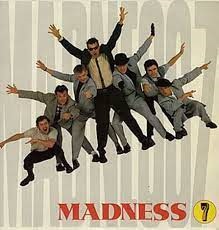
Madness took another step forward with 7, refining their mix of ska and pop. While earlier albums leaned heavily on ska energy, Madness explored broader musical ideas here. As a result, the album feels more structured and focused. Songs like “Grey Day” highlight a more reflective side of Madness.
Moreover, Madness improved their lyrical approach, addressing social themes with clarity. The band maintained their identity, yet they allowed space for growth. Therefore, 7 shows how Madness avoided repeating themselves.
The production feels tighter, and the arrangements highlight each band member’s contribution. Consequently, Madness strengthened their position in the British music scene. Fans often view this album as a bridge between early energy and later maturity. Even today, 7 offers insight into how Madness developed their long-term sound.
The Rise & Fall (1982)

The Rise & Fall represents a turning point where Madness embraced storytelling more deeply. While earlier albums focused on energy, Madness explored nostalgia and British life here. As a result, the album feels more cohesive and thoughtful.
Songs like “Our House” helped Madness reach global audiences and mainstream recognition. Furthermore, the album blends upbeat tracks with slower, reflective moments. Madness demonstrated strong song writing skills, which elevated their reputation.
Additionally, the band used more layered production, giving the album a richer sound. Therefore, The Rise & Fall stands as one of the most balanced Madness releases. It captures both their humour and emotional depth.
Fans often highlight this album as a defining moment in the Madness discography. Consequently, Madness secured their place as more than a singles band. Even now, this album remains one of their most recognised works.
Keep Moving (1984)
Madness shifted direction with Keep Moving, introducing a more polished and mature sound. Unlike earlier releases, Madness focused less on ska and more on pop influences. As a result, the album feels smoother and more reflective.
Tracks like “Michael Caine” show Madness experimenting with tone and structure. Furthermore, the band explored darker themes, which added variety to their catalogue. Madness still delivered strong melodies, yet they moved away from their early formula.
Therefore, Keep Moving highlights a period of transition for Madness. Some fans welcomed the change, while others preferred their earlier style. However, the album proved Madness could adapt and evolve.
Even today, this record stands as an example of artistic growth. Madness showed they could move beyond genre limits while maintaining their identity.
Mad Not Mad (1985)
Mad Not Mad arrived during a challenging period for Madness. Despite this, Madness aimed to push their sound further into polished pop territory. The production feels more electronic, which marks a clear shift.
However, the album received mixed reactions from fans and critics. While Madness delivered strong ideas, the overall tone divided listeners. Nevertheless, songs like “Yesterday’s Men” still show the band’s song writing ability.
Moreover, this album reflects internal changes within Madness at the time. As a result, it carries a different energy compared to earlier releases.
Even so, Mad Not Mad remains an important chapter in the Madness story. It highlights their willingness to experiment, even when results varied. Consequently, Madness demonstrated creative ambition during a difficult phase.
The Madness (1988)
Released under the name The Madness, this album marked a temporary shift in identity. Although not a full Madness line up, the project still connects to their core sound.
The album leans toward pop and rock influences rather than ska. Therefore, it feels distinct within the broader Madness catalogue. Fans often debate its place, yet it offers insight into the band’s evolution.
Moreover, the project reflects a transitional moment for Madness members. While it lacks the full group dynamic, it still carries familiar elements.
Consequently, The Madness stands as a unique entry in their history. It shows how the band adapted during a period of change.
Wonderful (1999)
After years apart, Madness returned with Wonderful, marking a major comeback. Importantly, Madness reunited their classic line up, which excited long-time fans.
The album blends their classic sound with modern production. As a result, Madness appealed to both new listeners and existing audiences. Songs like “Lovestruck” show their ability to remain relevant.
Furthermore, the band delivered strong song writing with a mature perspective. Therefore, Wonderful proves that Madness could successfully return after a long break.
Even today, fans view this album as a successful revival. Madness showed that their chemistry remained intact, which strengthened their legacy.
The Dangermen Sessions Vol. 1 (2005)
Madness took a different approach with The Dangermen Sessions Vol. 1, focusing on cover songs. Instead of original material, Madness paid tribute to reggae and ska classics.
This decision allowed Madness to reconnect with their musical roots. Moreover, the album highlights the influences that shaped their early sound.
While it differs from typical releases, it still showcases the band’s energy. Therefore, fans gained a deeper understanding of Madness and their inspirations.
Consequently, this album stands as a celebration of ska history. Madness used it to honour the genre that defined their career.
The Liberty of Norton Folgate (2009)
Many fans consider The Liberty of Norton Folgate a late-career highlight for Madness. The album combines storytelling with strong musical arrangements.
Importantly, Madness focused on themes of London life and cultural identity. As a result, the album feels detailed and immersive.
Moreover, the band delivered ambitious compositions, which set it apart from earlier work. Therefore, this release stands as one of the most complete Madness albums.
Critics praised its depth and creativity, which reinforced the band’s relevance. Consequently, Madness proved they could still innovate decades into their career.
Oui Oui Si Si Ja Ja Da Da (2012)
Madness continued their momentum with Oui Oui Si Si Ja Ja Da Da. The album blends classic elements with a modern touch.
Furthermore, Madness maintained their signature style while refining production quality. Songs like “Never Knew Your Name” highlight their consistent song writing.
The album offers a balanced mix of upbeat and reflective tracks. Therefore, it appeals to both casual listeners and long-time fans.
Consequently, Madness showed they could sustain quality across decades. This release confirms their ability to evolve without losing identity.
Can’t Touch Us Now (2016)
With Can’t Touch Us Now, Madness delivered another strong modern-era album. The record features polished production and confident performances.
Moreover, Madness embraced their legacy while exploring new ideas. This balance helped the album resonate with a broad audience.
The song writing feels sharp, and the arrangements highlight their experience. Therefore, the album reinforces Madness as a consistent act.
Even today, fans appreciate its energy and clarity. Madness proved they could still produce engaging music well into their career.
Theatre of the Absurd Presents C’est la Vie (2023)
Madness reached a new milestone with Theatre of the Absurd Presents C’est la Vie. Notably, this album became their first UK Number 1 studio release.
The record blends theatrical elements with the band’s classic sound. As a result, Madness created a fresh yet familiar experience.
Furthermore, the album reflects their longevity and creative drive. Despite decades in music, Madness continues to innovate.
Consequently, this release confirms their lasting relevance in British music. It stands as a strong modern chapter in the Madness catalogue.
Madness built one of the most consistent and recognisable catalogues in British music. From early ska roots to modern releases, Madness adapted without losing identity. Moreover, their ability to mix humour with social observation set them apart. Each album reflects a different stage, yet all contribute to a clear legacy.
Even now, Madness continues to perform and connect with audiences worldwide. Therefore, their influence on ska, pop, and British culture remains strong. For both new listeners and long-time fans, exploring every Madness album offers a complete view of their journey.