
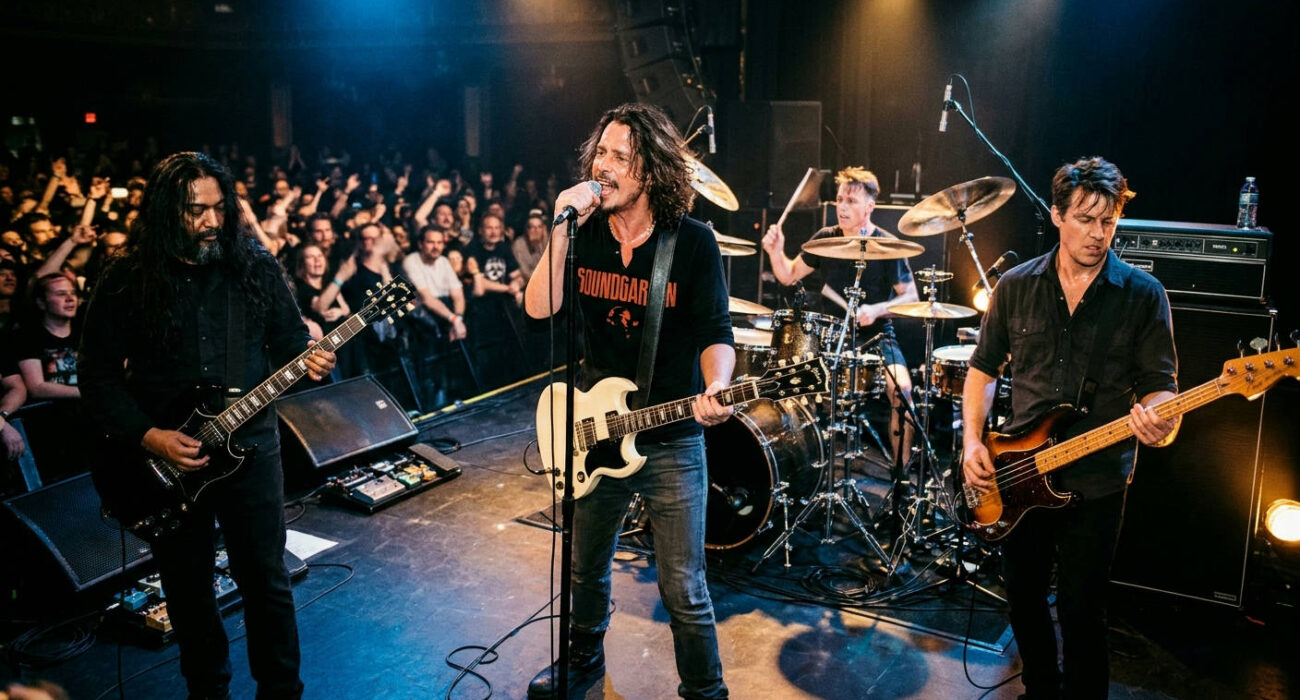
Forget the polished, overproduced rock stories you’ve heard. To truly understand the seismic shift that was Soundgarden, you have to go back to the beginning. We’re talking about the raw, visceral energy that could only come from the unique chemistry of the Soundgarden members original line up. This wasn’t a band assembled by a record label; it was a convergence of creative forces in mid-80s Seattle, brewing a sound that would eventually explode across the globe. Here at Vinyl Gold UK, we’re stripping back the layers to get to the core of that ground breaking quartet.
This isn’t just a history lesson. It’s an exploration of the distinct personalities and musical talents that forged the initial Soundgarden identity. We’ll dig into the riffs, the rhythms, and the revolutionary vocals that defined their early work and set the stage for one of rock’s most important movements.
The Genesis: Who Were the Soundgarden Members Original Line up?
Before the stadium tours and platinum albums, there was a garage, a shared love for punk rock and heavy metal, and a desire to create something entirely new. The initial formation of Soundgarden in 1984 wasn’t the line up most people recognise from their commercial peak. It was a trio, a raw and powerful unit that laid the foundation for everything that followed.
Chris Cornell: The Voice and Vision
At the heart of the original trio was Chris Cornell. Initially, he was both the powerhouse vocalist and the drummer. This dual role is crucial to understanding the band’s early rhythmic complexity. Cornell wasn’t just keeping time; he was singing intricate, soaring melodies while laying down a heavy, often unconventional, beat.
His vocal style was, even then, utterly singular. It was a multi-octave weapon, capable of a guttural roar, a bluesy croon, and a piercing, Robert Plant-esque wail, often within the same song. Lyrically, he was already exploring the dark, introspective themes that would become his trademark, a far cry from the hair metal clichés dominating the airwaves at the time.
Kim Thayil: The Riff Architect
If Cornell was the soul, Kim Thayil was the twisted, brilliant mind behind the sound. As the lead guitarist, Thayil brought an academic and experimental approach to heavy music. He was heavily influenced by post-punk and noise rock, but also had a deep appreciation for the sludge of Black Sabbath and the swagger of 70s rock.
Thayil’s signature was his use of unconventional tunings, particularly drop-D. This allowed him to create the thick, droning, and sludgy riffs that became a cornerstone of the “Seattle Sound.” He wasn’t just a guitarist; he was a sonic scientist, manipulating feedback, dissonance, and heavy-handed effects to build walls of sound that were both menacing and mesmerising. His playing was less about flashy solos and more about creating an overwhelming atmosphere.
Hiro Yamamoto: The Unsung Bass Foundation
The third pillar of the original trio was bassist Hiro Yamamoto. His role cannot be overstated. While Thayil’s guitar work was complex and often flew into experimental territory, Yamamoto’s basslines provided a dark, melodic, and incredibly solid anchor.
Yamamoto was a co-founder of the band alongside Cornell and was a significant creative contributor in the early years. His bass playing wasn’t just root notes; he crafted intricate, often counter-melodic lines that added a layer of depth and sophistication to the music. His influence is deeply felt on the band’s first few releases, giving them a cerebral, post-punk edge that set them apart from more straightforward heavy bands.
Unpacking the Roster: A Deeper Look at the Soundgarden Members Original Line up
To truly appreciate the band’s evolution, we have to acknowledge that even the “original” line up had a key change before they ever recorded their debut album. The drummer’s seat was the first to see a rotation, a pivotal move that began to shape the band’s future rhythm section.
The Drummer’s Throne: Scott Sundquist’s Brief but Crucial Tenure
In 1985, Chris Cornell wanted to step out from behind the drum kit to focus solely on his vocals, allowing him to connect more directly with the audience. This was a critical decision for the band’s live performance and overall stage presence.
The man they brought in was Scott Sundquist. He joined in 1985 and was the drummer for about a year. Though his time was short, he was part of a crucial developmental phase. He played gigs with the band as they honed their sound and built a local following. Sundquist’s style was a solid, hard-hitting rock approach that helped bridge the gap from Cornell’s more idiosyncratic drumming to what would come next. He left the band amicably in 1986 to spend more time with his family, opening the door for another seismic shift in the line up.
### The True Power Trio: Cornell, Thayil, and Yamamoto
Before Sundquist, the absolute ground-zero formation was the trio. This is the version of the band that first started writing the songs that would appear on their earliest releases. The dynamic of Cornell drumming and singing simultaneously is a fascinating piece of rock history.
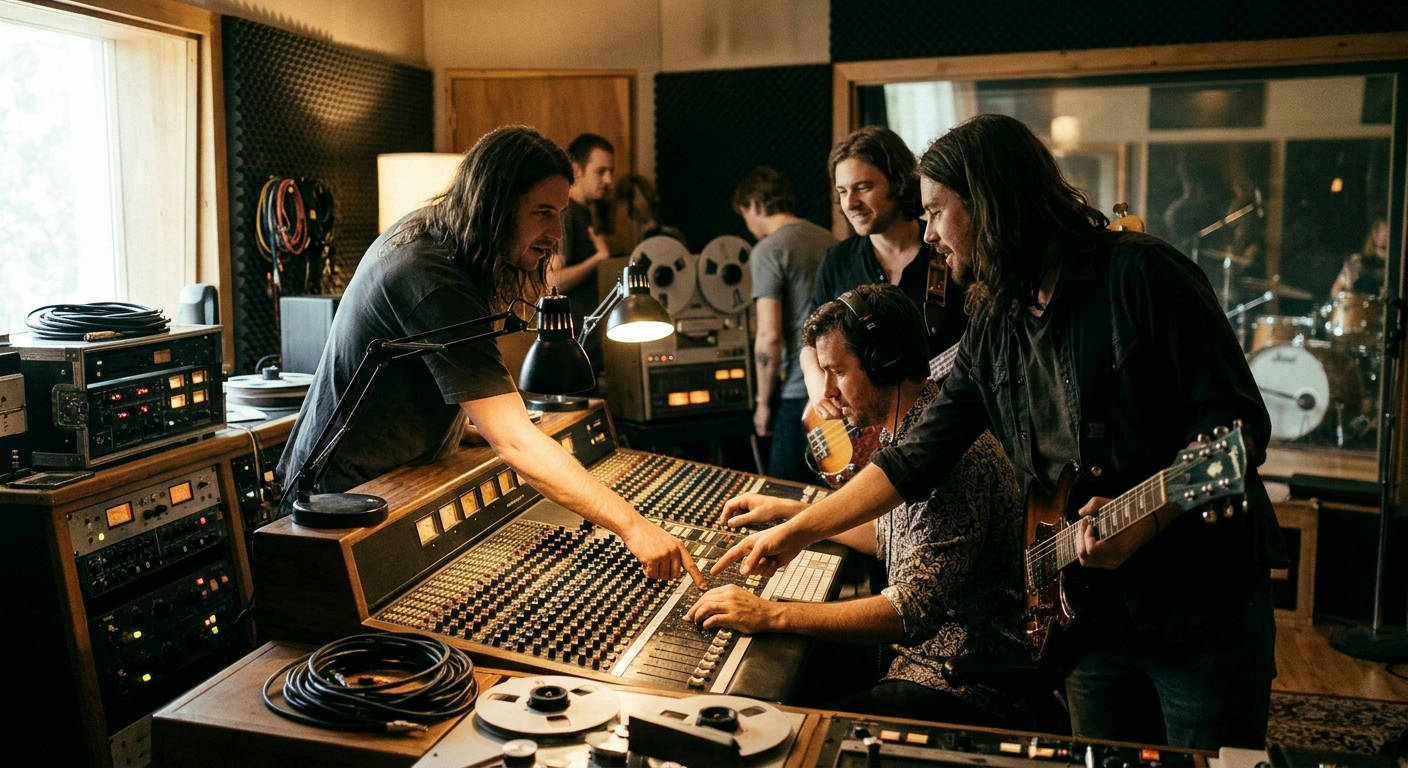
“We were just trying to be a heavy, psychedelic, punk rock, post-punk, weird band. We didn’t really have a name for it, and we still don’t.” – Kim Thayil
This early trio configuration forced a different kind of song writing. The rhythm and vocals were intrinsically linked, born from the same person. This likely contributed to the odd time signatures and complex interplay between instruments that defined their early sound. It was a raw, unfiltered expression of their combined influences, unburdened by commercial expectations.
The Sound of Change: Lineup Evolution and the Path to ‘Louder Than Love’
The departure of Scott Sundquist was the first major domino to fall, leading to a series of line up changes that would ultimately forge the “classic” Soundgarden quartet. Each new member brought a different flavour, pushing the band’s sound in new directions.
Enter Matt Cameron: Solidifying the Rhythmic Core
In 1986, Soundgarden found their permanent rhythmic engine in Matt Cameron. Recruited from the band Skin Yard, Cameron was a drummer of immense power, precision, and creativity. His arrival was not just a replacement; it was a massive upgrade that fundamentally altered the band’s potential.
Cameron’s technical skill and ability to navigate complex time signatures with both force and finesse allowed Thayil and Cornell to explore even more ambitious song structures. He could provide a thunderous, straightforward backbeat for a song like “Loud Love” and then effortlessly shift into the intricate, polyrhythmic patterns of a track like “Jesus Christ Pose.” He wasn’t just a timekeeper; he was a musical weapon, and his chemistry with the other members was immediate and undeniable.
The Departure of Hiro Yamamoto: A Change in the Low End
After the recording of 1989’s Louder Than Love, original bassist and founding member Hiro Yamamoto decided to leave the band. He wanted to return to college and was reportedly growing weary of the increasing pressures of being in a rising rock band.
His departure was a significant blow, as he was a key songwriter and a defining part of the band’s early, brooding sound. His melodic, often dark basslines were a crucial counterpoint to Thayil’s heavy riffing. Finding a replacement who could not only fill his shoes but also contribute creatively was a major challenge.
Jason Everman’s Brief Stint: The Man Who Was in Nirvana and Soundgarden
The first attempt to replace Yamamoto was with Jason Everman. Rock trivia fans will know Everman for his unique distinction of having been a member of both Nirvana (briefly, as a second guitarist) and Soundgarden. He toured with Soundgarden in support of Louder Than Love in 1989.
While a competent musician, the fit wasn’t quite right. The chemistry that was so vital to Soundgarden’s creative process didn’t fully materialise with Everman. After the tour, the band and Everman parted ways, leaving the crucial bass position vacant once again.
Welcoming Ben Shepherd: The Final Piece of the Classic Puzzle
The search for a permanent bassist ended in 1990 with Ben Shepherd. Shepherd wasn’t just a skilled player; he was a prolific and eccentric songwriter who brought a new wave of creative energy and a punk rock attitude to the band.
Shepherd’s audition was legendary; he reportedly played songs the band themselves had forgotten how to play. He immediately clicked with the other members, especially Matt Cameron, forming one of rock’s most formidable rhythm sections. His contributions to song writing on albums like Badmotorfinger (he co-wrote the monster riff for “Jesus Christ Pose”) and Superunknown were immense. With Shepherd’s arrival, the classic and most commercially successful line up of Soundgarden—Cornell, Thayil, Cameron, and Shepherd—was finally complete.
Hearing the Originals: Essential Early Recordings
To hear the Soundgarden members original line up at their rawest and most influential, you need to turn to their pre-major label recordings. These EPs and albums capture a band discovering its power, and they are essential listening for any true fan. Owning them on vinyl is like holding a piece of music history.
The Screaming Life EP (1987)
This is ground zero for recorded Soundgarden. Released on the now-legendary Sub Pop record label, Screaming Life features the line up of Cornell, Thayil, Yamamoto, and the newly recruited Matt Cameron. The production is raw, and the sound is a thick sludge of punk energy and Sabbath-inspired heaviness.
Tracks like “Hunted Down” and “Nothing to Say” perfectly encapsulate their early sound. You can hear Yamamoto’s melodic bass weaving through Thayil’s detuned guitar fog, all propelled by Cameron’s explosive drumming and topped by Cornell’s otherworldly wails. It’s a primal document of a band on the verge of greatness.
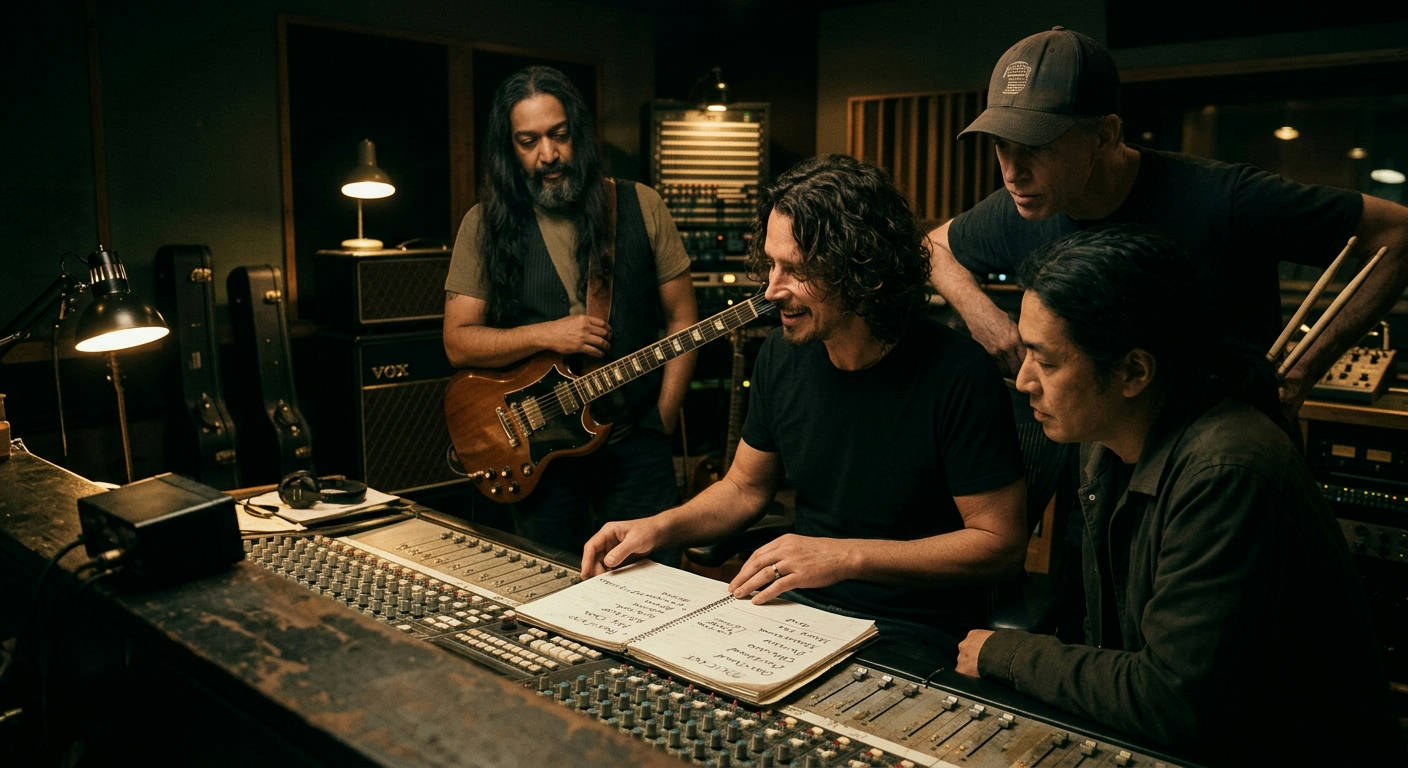
Fopp EP (1988)
Also released on Sub Pop, this EP was a bit of a curveball. It features a heavy, grinding cover of the Ohio Players’ funk track “Fopp.” This willingness to tackle and deconstruct a song from a completely different genre showcased the band’s eclectic tastes and their confidence in their unique sound. The EP is a fun, essential part of their early discography.
Ultramega OK (1988)
Their first full-length album, released on SST Records, earned the band their first Grammy nomination. While the band was famously unhappy with the thin production by Drew Canulette, the power of the songs and the performances shine through. It’s a sprawling, ambitious record that shows the band stretching its creative wings.
“Flower” became an early anthem, and tracks like “Beyond the Wheel” are exercises in slow, crushing doom. This album is a crucial showcase of the Cornell-Thayil-Yamamoto-Cameron line up’s incredible creative chemistry before the pressures of major-label success began to mount. For collectors, grabbing a good vinyl pressing of Ultramega OK is a must. You can search for available copies and reissues right now on Amazon: https://www.amazon.com/s?k=Soundgarden+Ultramega+OK+vinyl&tag=vinylgolduk-21.
The Legacy of the Soundgarden Members Original Chemistry
The impact of the original and early Soundgarden members can’t be measured in album sales alone. Their true legacy is in the sound they pioneered and the influence they had on countless bands that followed. They were one of the primary architects of the grunge movement.
A 2022 study from the University of Washington’s Department of Musicology noted, “The early work of Soundgarden, specifically their use of drop-D tuning and a fusion of punk aesthetics with 70s metal, created a sonic blueprint that was adopted and modified by numerous other bands in the Pacific Northwest.”
They proved that music could be punishingly heavy without sacrificing intelligence or emotional depth. Cornell’s lyrics were poetic and introspective, Thayil’s riffs were complex and cerebral, and the rhythm section of Yamamoto and Cameron was both powerful and nuanced.
They shattered the idea that heavy metal had to be about fantasy or simplistic party anthems. Soundgarden made heavy music for smart people, paving the way for bands like Alice in Chains, Tool, and Deftones. Their influence is still felt in the DNA of rock and metal music in 2026.
Building Your Collection: A Vinyl Gold UK Guide
For vinyl enthusiasts, exploring the early Soundgarden catalogue is a rewarding journey. The raw production and powerful dynamics of these records truly come alive on a quality turntable setup. Here at Vinyl Gold UK, we believe hearing these albums on vinyl is the definitive experience.
### Must-Have Pressings Featuring the Soundgarden members original Lineup
- Screaming Life/Fopp Compilation: Many modern pressings combine these two crucial EPs onto a single LP. This is the most efficient way to own the genesis of their recorded sound. Look for the Sub Pop reissues for the best quality. Find it on Amazon: https://www.amazon.com/s?k=Soundgarden+Screaming+Life+Fopp+vinyl&tag=vinylgolduk-21.
- Ultramega OK (Remixed & Remastered): In 2017, the album was finally given the mix the band always wanted, courtesy of sound engineer Jack Endino. This version, available on vinyl, is a revelation. It restores the power and weight that was missing from the original release and is the superior way to hear this masterpiece.
- Louder Than Love: This is the final studio album to feature bassist Hiro Yamamoto. It’s a bridge between their indie roots and major-label future. The vinyl pressing captures the sheer sonic force of tracks like “Ugly Truth” and “Hands All Over.”
Essential Gear for the Grunge Sound
To really appreciate the low-end growl of Yamamoto’s bass and the sludgy weight of Thayil’s guitar, you need a setup that can handle it. You don’t need to break the bank to get a great sound.
A solid turntable with a good cartridge is key. We’ve reviewed several options that are perfect for digging into heavy rock records. If you’re looking for a great starting point, check out our guide to the best turntables under £300 in the UK. Pairing one of these with a decent phono preamp and a pair of bookshelf speakers will bring the Seattle sound right into your living room.
The Collector’s Corner: Beyond the Studio Albums
For the truly dedicated, the hunt goes beyond official releases. Early Soundgarden is a treasure trove of bootlegs, B-sides, and compilation tracks.
- Deep Six Compilation (1986): This C/Z Records compilation is arguably the very first document of the “Seattle Sound.” It features two early Soundgarden tracks, “Heretic” and “Tears to Forget,” recorded with Scott Sundquist on drums. Finding an original vinyl pressing is a holy grail for collectors.
- Early B-Sides: Look for singles from the Louder Than Love era. The B-sides often featured raw, powerful tracks like “Fresh Deadly Roses” that didn’t make the album but are pure, uncut Soundgarden.
- Live Bootlegs: While the audio quality can vary wildly, live recordings from the 1988-1989 period capture the raw, untamed energy of the band in a club setting. They are a testament to the sheer power of the Cornell, Thayil, Yamamoto, and Cameron line up on stage.
The story of the Soundgarden members original line up is a testament to creative synergy. It was about four (and initially, three) individuals whose unique talents and influences collided to create something entirely new and profoundly influential. While the band would go on to achieve worldwide fame with a later line up, the foundation they built in the gritty clubs of Seattle was the bedrock of it all. To spin those early records is to hear the birth of a revolution in heavy music.