
The Happy Mondays remain one of the most influential bands to emerge from the Madchester era. Their mix of indie rock, funk, and dance rhythms helped define a cultural movement that reshaped British music. This guide explores every Happy Mondays studio album in chronological order, highlighting their evolution, key moments, and lasting impact. Whether you are revisiting classic records or discovering them for the first time, this article delivers a clear and complete overview of the Happy Mondays discography.
Quick Insights About the Happy Mondays
Who were the original members of Happy Mondays?
The Happy Mondays formed in Salford with core members Shaun Ryder, Paul Ryder, Gaz Whelan, Paul Davis, and Mark Day. Shortly after, Bez joined and became a defining presence. Together, the Happy Mondays created a loose, groove-driven sound that stood apart from typical indie bands.
What is ‘Madchester’?
Madchester describes a late 1980s and early 1990s music scene centred in Manchester. It blends indie rock with acid house, funk, and psychedelia. The Happy Mondays played a key role in shaping this movement, alongside acts like The Stone Roses.
Why did the Happy Mondays break up?
The Happy Mondays collapsed in the early 1990s due to heavy drug use and financial problems. The costly recording of Yes Please! in Barbados drained resources and intensified internal tensions.
Are the Happy Mondays still touring?
Yes, the Happy Mondays have reunited multiple times. They remain active on the UK festival circuit and continue to draw crowds with their classic Madchester sound.
Is Bez a member of the band?
Bez remains an iconic member of the Happy Mondays. He does not play a traditional instrument. Instead, he performs as a dancer, percussionist, and the band’s energetic on-stage presence.
Squirrel and G-Man Twenty Four Hour Party People… (1987)
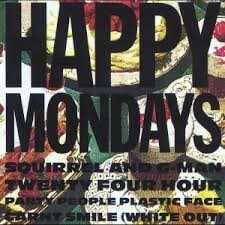
The Happy Mondays launched their debut album in 1987 with a raw and unfiltered sound. Produced by John Cale, the record captures a band still shaping its identity. However, that rough edge gives the album its charm and authenticity.
From the start, the Happy Mondays lean into loose rhythms and jangly guitars. As a result, the music feels unpredictable yet engaging. Shaun Ryder delivers sharp, street-level lyrics that reflect working-class life in Manchester. Meanwhile, the band experiments with groove-based structures instead of traditional indie formats.
Although the production feels sparse, it highlights the band’s natural chemistry. Furthermore, the Happy Mondays begin to explore the fusion of rock and dance elements. This approach would later define their role in the Madchester scene. Songs like “24 Hour Party People” hint at their future direction, even if the execution feels uneven.
Critically, the album did not achieve major commercial success. However, it established the Happy Mondays as a unique voice in British music. It also laid the groundwork for their later breakthroughs. Therefore, this debut remains an essential starting point for understanding the Happy Mondays and their evolution.
Bummed (1988)
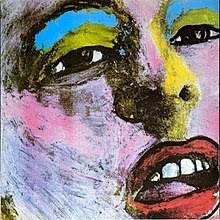
With Bummed (1988), the Happy Mondays took a significant creative step forward. Produced by Martin Hannett, the album introduces a deeper and more rhythmic sound. As a result, the Happy Mondays began to define their identity within the emerging Madchester movement.
Unlike their debut, this record leans heavily into groove and atmosphere. The basslines drive each track, while layered production adds texture and depth. Consequently, the Happy Mondays create a hypnotic listening experience that blends indie rock with dance influences.
Shaun Ryder’s lyrics remain sharp and observational. However, they now sit more comfortably within the music’s flow. In addition, Bez’s presence becomes more noticeable, adding energy and unpredictability to the band’s image. This shift strengthens the overall appeal of the Happy Mondays.
Although Bummed did not dominate the charts, it earned strong critical recognition. More importantly, it helped position the Happy Mondays as pioneers of a new sound. Therefore, the album plays a crucial role in the development of dance-rock in the UK.
Over time, many fans and critics have reassessed Bummed as a key release. It captures the moment when the Happy Mondays truly found their groove and direction.
Pills ‘n’ Thrills and Bellyaches (1990)
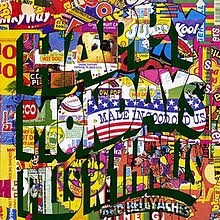
The Happy Mondays reached their commercial peak with Pills ‘n’ Thrills and Bellyaches (1990). Produced by Paul Oakenfold and Steve Osborne, the album delivers a polished and accessible sound. As a result, it became the defining record of the Madchester era.
From the opening moments, the Happy Mondays embrace dance culture fully. The beats feel tighter, while the grooves sound more infectious. Consequently, the album connects with both indie fans and club audiences. This crossover appeal helped expand the band’s reach.
Shaun Ryder’s lyrics balance humour with social commentary. Meanwhile, the production enhances every element without losing the band’s character. Tracks like “Step On” and “Kinky Afro” became major hits. Therefore, the Happy Mondays secured mainstream recognition for the first time.
In addition, the album captures the spirit of late 1980s Manchester nightlife. It reflects a culture driven by music, fashion, and hedonism. Because of this, Pills ‘n’ Thrills and Bellyaches remains a defining snapshot of its time.
Even today, many consider this the best Happy Mondays album. It combines strong song writing with a clear identity. As a result, it continues to influence artists who blend rock and dance music.
Yes Please! (1992)
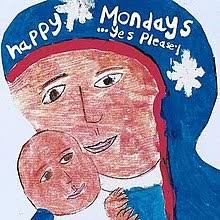
The Happy Mondays released Yes Please! (1992) during a period of internal instability. Produced by Chris Frantz and Tina Weymouth, the album aimed for a cleaner, more polished sound. However, the results divided fans and critics.
Unlike earlier records, this album moves toward a more straightforward pop direction. The grooves remain present, yet the raw edge feels reduced. As a result, some listeners felt the Happy Mondays lost part of their identity. Nevertheless, the band still delivers moments of creativity.
The recording process in Barbados became chaotic and expensive. Consequently, financial problems grew and tensions increased within the group. These issues directly impacted the album’s reception and long-term reputation.
Despite its flaws, Yes Please! still reflects the band’s willingness to experiment. Shaun Ryder’s vocals remain distinctive, while the production offers a different perspective on their sound. Therefore, the album holds value as part of the broader Happy Mondays story.
Ultimately, this release marked the end of an era. Shortly after, the Happy Mondays disbanded. Even so, Yes Please! provides insight into the challenges that shaped their career.
Uncle Dysfunktional (2007)

After years apart, the Happy Mondays returned with Uncle Dysfunktional (2007). Produced by Sunny Levine and Howie B, the album reflects a more mature phase. As a result, it balances nostalgia with modern influences.
From the outset, the Happy Mondays embrace a cleaner and more electronic sound. However, they still retain their groove-based foundation. This blend allows the band to reconnect with longtime fans while attracting new listeners.
Shaun Ryder’s lyrics focus on reflection and personal growth. In contrast to earlier work, the tone feels more controlled and deliberate. Meanwhile, the production incorporates contemporary elements without overshadowing the band’s identity.
Although the album did not achieve major commercial success, it received a generally positive response. Critics appreciated the effort to evolve while staying recognisable. Therefore, Uncle Dysfunktional stands as a credible comeback.
Importantly, the album proves the Happy Mondays could adapt to a changing music landscape. It also highlights their resilience after years of challenges. Today, it serves as a reminder that the Happy Mondays remain relevant beyond their original era.
The Happy Mondays built a legacy that extends far beyond their chart success. Each album reflects a different stage in their journey, from raw beginnings to mainstream recognition and eventual reinvention. While challenges shaped their path, their influence on British music remains undeniable. Today, the Happy Mondays continue to attract new listeners, proving their sound and attitude still resonate.
0 Comments
My brother suggested I might like this blog. He was totally right. This post actually made my day. You can not imagine simply how much time I had spent for this info! Thanks!
Thank you. I really appreciate the feedback.