

2003: The Year the Beat Never Dropped
You’re probably doing one of two things right now. Building a playlist for a wedding or party, or trying to remember which songs from 2003 still hit properly when real people are in a real room. Not just on headphones. Not just for a quick nostalgia laugh. On an actual dance floor, with mixed ages, mixed tastes, and no patience for dead air.
That’s where 2003 still earns its place.
It was a year when chart music felt broad without feeling messy. R&B had muscle. Hip-hop was sleek and loud. Pop had hooks for days. Garage still had life. Indie was getting sharper. The best tracks from that year don’t survive because they’re old favourites. They survive because they’re built well. Strong intros. Recognisable motifs. Clean rhythmic profiles. Big choruses. Proper emotional turns.
The UK year-end chart tells part of that story. Official Charts Company data listed “Where Is the Love” by The Black Eyed Peas as the top song with 1.06 million sales, with “Proper Crimbo” by Bo’ Selecta! at 885,000 and “Crazy In Love” by Beyoncé featuring Jay-Z at 850,000. The same dataset also points to R&B and hip-hop taking 42% of top 40 sales, up 18% from 2002, a sign of just how central those sounds had become in the mainstream via this chart summary.
For DJs, that matters. It explains why so many of these records still slot neatly into modern sets. They were made for reaction. They still get one.
This guide gets straight to the songs. Significantly, it gets into how they work now. Set placement. Crowd type. Trade-offs. What lands. What doesn’t. These are the top songs in 2003 that still earn their keep at weddings, private parties, and corporate events when the room has to move, not just reminisce.
1. Crazy in Love – Beyoncé feat. Jay-Z
Some songs announce themselves in the first second. “Crazy in Love” does it with that horn stab. No warm-up. No ambiguity. The room knows what’s coming.
It also sits in a sweet spot that event DJs love. It’s glamorous, rhythmically punchy, and familiar across age groups. Guests who were out in 2003 know it instantly. Younger guests know it through sheer cultural carryover. That’s rare.
Where it wins
This is not an early filler track. It’s a statement record.
At weddings, it works brilliantly after the floor has already opened and people feel safe joining in. At corporate events, it’s one of the cleanest ways to lift a room from polite swaying to proper movement. For fun couples, it can even work as a left-field first dance alternative if they want celebration over sentiment.
Official chart data placed it among the biggest UK songs of the year with 850,000 sales in the year-end rankings, which tells you how embedded it became in the public memory in the same chart reference.
Practical rule: Don’t waste “Crazy in Love” while people are still finding the bar. Save it for the point when confidence is already rising.
Set placement and trade-offs
What works:
- After a slower singalong: The contrast is gold. A room that’s just had a big emotional chorus is ready for impact.
- Inside an R&B run: It pairs naturally with polished noughties material and modern female-led pop.
- As a bridge track: It can pull guests from soul and disco into more contemporary territory without feeling abrupt.
What doesn’t:
- Too early in cocktails or dinner: It’s too big for background use.
- Dropped into a rock-heavy block: The tonal shift can feel forced unless you’ve prepared the room.
- Overextended edits: This song’s strength is its immediacy. Get in, let it bite, move smartly.
The Jay-Z feature helps, too. It gives the track edge. Without that verse, it’s still a hit. With it, it becomes a proper crossover record that can hold both pop fans and hip-hop listeners at once.


2. Yeah! – Usher feat. Lil Jon & Ludacris
“Yeah!” doesn’t ask for permission. It grabs the floor.
That’s why it still matters when people search for the top songs in 2003. Some records age into warm nostalgia. This one still feels like a trigger. You hear the opening, then the reaction starts before the vocal even settles.
Early in the digital era, chart music was spreading through phones, downloads, CD singles, clubs, and copied mixes all at once. Benchmark data from the period notes that CD singles held a 73% market share in 2003, which helps explain why tracks with strong intros and immediate impact travelled so well across events and DJ culture in this 2003 chart summary.
Best moment for the drop
Peak dancing. That’s the answer.
Not first track after dinner. Not the first big song of the night. You want enough people already standing so the stragglers feel they’re joining a party, not starting one. Once the floor has shape, “Yeah!” widens it.
At birthday parties, it’s almost unfair. At weddings, it tends to pull in guests who want something louder and more playful than polished pop. At brand events, it works when the brief calls for energy without going too underground.
A few placement notes help:
- Use it after a recognisable R&B or hip-hop record: Momentum carries.
- Keep the next track strong: If you follow it with something soft, the floor can sag.
- Mind the age mix: It crosses generations well, but the response is strongest when the room is ready for full-volume participation.
Why it still works
The crunk edge matters. So do Lil Jon’s ad-libs. They create obvious crowd cues. Guests know when to shout, bounce, or throw their hands up. Good event records tell people what to do without sounding bossy. “Yeah!” does that naturally.
This booth image captures the kind of controlled pressure a DJ wants before dropping it:
Golden booth energy
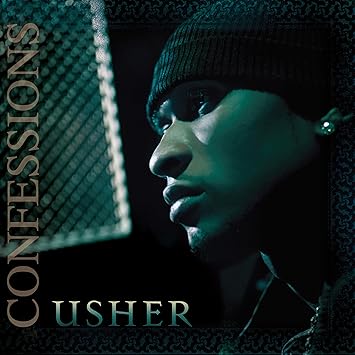
And if you want the original visual reference point, it still sells the same attitude now:
3. In Da Club – 50 Cent
There’s a reason “In Da Club” still feels expensive. The beat is sparse. The groove is patient. Nothing fights for space.
That restraint is exactly why it still punches through a busy room. At private parties, especially milestone birthdays, this track gives guests a swagger moment. At weddings, it works best once the floor is established and the couple have signalled they want hip-hop in the mix. If they do, this one lands hard.
What DJs get right and wrong
What works is confidence. You don’t need to dress this one up with clever tricks. Let the intro breathe. Let the piano motif do the work.
What usually fails is poor context. If you slam “In Da Club” straight after glossy singalong pop, you can split the floor. If you build into it through R&B or cleaner crossover rap, it feels natural.
Don’t overmix this record. Guests want the opening. They want the recognition. They want that first line.
I also like it as a generational connector. Older millennials know every word. Younger guests often know the hook and energy even if they didn’t live through the original release. That overlap is valuable.
Best use at real events
A smart way to programme it:
- Mid-evening push: Once drinks have settled and the room is looser.
- Inside a hip-hop and R&B pocket: It pairs well with records that share clean low-end and a clear vocal lead.
- For celebration spikes: Birthdays, award moments, team wins, reunion energy.
One useful 2003 detail supports its continued DJ value. BPI market analysis in the verified data notes that vinyl reissues of 2003 hits such as “In Da Club” saw niche DJ uptake, with the track identified at BPM 92 and key C minor for Serato Scratch Live style workflows and Pioneer CDJ-1000 integration. That matters because it reflects how easily this record translated from chart hit to practical DJ tool in the years that followed.
The trade-off is simple. It’s cool, not cuddly. If your floor needs warmth, use soul or pop first. If your floor needs attitude, this is your lever.

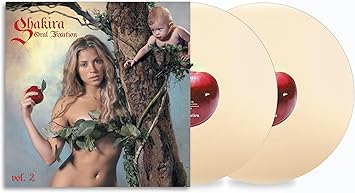
4. Hips Don’t Lie – Shakira feat. Wyclef Jean
The brief and timeline diverge slightly here. “Hips Don’t Lie” isn’t a 2003 release. If you’re building a strict historical list of the top songs in 2003, it doesn’t belong there.
But in live event work, strict chronology isn’t always the point. Clients often ask for “2003 vibes” when what they really mean is the broader noughties party feel. In that context, this record shows up all the time because it solves a very practical problem. It resets the room.
Why it earns a place in modern sets
After a run of heavy hip-hop, dense pop-rock, or aggressive singalongs, “Hips Don’t Lie” brings colour back into the room. The rhythm loosens people up. Guests who don’t want to jump or chant still dance to it. That’s useful.
It’s especially strong at:
- Summer weddings: The lighter feel suits open-air spaces and bright rooms.
- Multicultural parties: It gives the set a wider cultural texture.
- Mixed-age receptions: Older relatives often stay with it instead of retreating to the edges.
The trade-off
It isn’t a blunt-force peak-time banger in the same way as “Yeah!” or “Crazy in Love”. If the room is screaming for a giant chorus, this may feel too slinky. If the room is starting to stiffen, it’s perfect.
I treat it like a palate cleanser with purpose. You’re not using it to dominate. You’re using it to keep people engaged without exhausting them.
A good sequence is often more effective than the song on its own:
- After punchier hip-hop: It softens the edges.
- Before a pop singalong: It gives the room a rhythmic breather.
- During the fun phase of the night: When guests are smiling, filming, and pulling friends in.
What doesn’t work is overexplaining it through programming. Don’t stack too many novelty-leaning Latin-pop tracks around it or the set can lose depth. One or two records in that flavour is enough. Then move.
5. Since U Been Gone – Kelly Clarkson
Another timeline note first. “Since U Been Gone” is tied more closely to 2004 than 2003. But from a DJ’s perspective, it belongs in any serious noughties conversation because it remains one of the cleanest female-led release valves ever made for a dance floor.
This track is all release. Verse tension. Chorus explosion. No wasted movement.
Where it works best
Not every party needs hardness. Some need uplift with teeth. That’s where Kelly Clarkson wins.
Bachelorette parties love it. So do milestone birthdays, school reunion crowds, and wedding floors with a strong singalong culture. It’s especially effective when guests want to shout rather than groove.
I’d place it in the earlier half of dancing or in a pop-rock pocket later on, depending on the brief. Daytime wedding receptions can also handle it better than clubbier records because the energy feels bright rather than dark.
A room full of people who know the chorus will forgive almost any genre boundary.
What to watch
This isn’t subtle. If your set has been sleek, elegant, and rhythm-led, “Since U Been Gone” can feel jagged unless you prepare the turn. It often needs a ramp through big pop or guitar-leaning crossover tracks.
Use it for:
- Female-led celebration moments
- Break-up anthem energy without bitterness
- A singalong burst between dance records
Avoid it when:
- The couple want smooth sophistication all night
- The crowd is heavily R&B or house focused
- You’re trying to maintain a luxurious lounge atmosphere
One thing I like about this track in event work is that people participate fast. There’s no learning curve. By the time the chorus arrives, the room is with you. That makes it a useful recovery tool after a song that didn’t quite connect. Not every DJ likes admitting that kind of thinking, but it matters. Good records aren’t just hits. They’re insurance.

6. Beautiful – Christina Aguilera
Some tracks aren’t for the dance floor. They’re for the room.
“Beautiful” is one of them. It’s a reset record. A reflective record. A song that asks people to listen before they move. If you use it casually, it loses force. If you use it with intent, it can become the emotional centre of an event.
Best settings for this song
Ceremony-adjacent moments. Tribute slideshows. A meaningful first dance alternative for couples who want vulnerability over grand romance. It also works during quieter opening phases of a wedding breakfast or cocktail hour when the brief leans soulful and reflective.
The key is sound quality. This song lives in the vocal. If the room is noisy, the impact disappears. If your system is tuned properly and people are attentive, it lands.
Why restraint matters
Too many planners think emotional songs can just float in the background. They can’t. “Beautiful” asks for focus. If staff are clearing plates, glasses are clattering, and guests are chatting over it, you’ve wasted it.
I’d use it in one of three ways:
- As a dedicated listening moment
- As part of a short ballad sequence
- As a transition from formal proceedings into something warmer
There’s also a technical lesson in 2003 event culture that fits here. Verified data from an Event Industry Report notes that wedding coordinators reported excellent crowd energy from 100 to 132 BPM 2003 sets. “Beautiful” sits outside that kinetic zone, which is exactly why it works as contrast. It’s not there to sustain dance density. It’s there to deepen the emotional arc of the night.
That’s the trade-off. You gain meaning. You lose momentum. Use it when meaning matters more.

7. Toxic – Britney Spears
“Toxic” is precision pop. Tight. glossy. a little dangerous. When people talk about timeless party records, this one usually comes up because it doesn’t belong to a single crowd.
Pop fans love it. Indie kids often love it. Fashion crowds love it. Guests who swear they don’t dance to Britney often end up dancing to Britney.
How it behaves in a room
This is a later-evening record for most events. Mid-to-late dance floor. Slightly after the room has loosened, slightly before fatigue sets in. It injects shape back into the set because the string line is so instantly identifiable.
At private parties, it’s brilliant for stylish chaos. At weddings, it works when the couple want a contemporary pop edge inside a broader classic set. At corporate events, it can add energy without tipping into obvious novelty.
A few practical strengths stand out:
- Recognisable from the opening seconds
- Good for mixed-gender dance floors
- Strong enough to stand alone, flexible enough to chain into pop, dance, or electro
What doesn’t work
Don’t bury “Toxic” in a generic commercial block with no contrast. It gets flatter if everything around it is equally shiny. Give it space between chunkier or warmer tracks so the production sparkles.
I also wouldn’t use it too early. Guests need permission to enjoy it. Once the room feels free, it becomes one of the easiest wins of the night.
The best events use “Toxic” as style, not gimmick. That distinction matters. If the crowd feels curated, the song feels cool. If the set already feels random, the song can tip into kitsch. Same record. Different context.

8. Gold Digger – Kanye West feat. Jamie Foxx
Another one that isn’t a 2003 release, and it’s worth saying that plainly. But it often gets requested alongside 2003 R&B and hip-hop because it shares the same broad party DNA. Soul sample. clean drums. instant hook. broad recognition.
In event terms, “Gold Digger” is a bridge record.
Why the bridge matters
Not every crowd wants to commit fully to rap. Not every crowd wants polished pop either. “Gold Digger” sits between those instincts. The Jamie Foxx vocal gives the song familiarity and bounce. The beat keeps it current enough to feel lively even now.
That makes it useful at:
- Mixed-age private parties
- Wedding floors where hip-hop needs a friendly entry point
- Corporate events with broad demographic spread
It can signal a shift into more contemporary material without making more conservative guests leave the floor. That’s a skill few tracks have.
Practical use
I like it after disco-sampled pop, soul-driven dance music, or accessible R&B. It can also follow a singalong if the room is ready to get looser.
What usually hurts this track is overconfidence. If you push too far into explicit or harder-edged rap immediately after it, you can lose the guests it just brought in. Let it do its bridging job first.
There’s also a sourcing and format angle that old-school DJs appreciate. Verified 2003 chart benchmark notes mention professional DJs using CD-Text metadata for BPM and cue information on jewel-case singles. That detail captures a bigger truth. Records that are easy to cue, easy to recognise, and easy to mix stay alive in event work. “Gold Digger” has exactly that kind of practical shape, even though it belongs to the years just after 2003.

9. Brown Sugar – The Rolling Stones revisited for 2003 context
This one needs the clearest caveat of the lot. “Brown Sugar” is not a 2003 song. It’s a classic rock record that still mattered in 2003 event culture, especially in mixed-generation settings.
That distinction matters because if you’re searching strictly for the top songs in 2003, you shouldn’t confuse revival staples with actual chart-era releases. But if you’re planning a wedding or family party, this kind of song can still be vital.
Why classic rock still enters the room
At some point in many events, especially weddings, the younger crowd isn’t the whole room anymore. Parents, uncles, older family friends, and classic rock loyalists need their window. “Brown Sugar” offers that familiar riff and loose swagger that can suddenly widen participation.
It works best in short thematic pockets. Not as an isolated random left turn.
For example:
- A mini classic rock burst
- A generational handover section
- A live-band feel inside a DJ set
Trade-offs and caution
This is not a universal record now. Some crowds adore it. Some won’t care. Some couples won’t want it at all. Good DJs don’t force heritage tracks because they’re canonical. They use them because the room in front of them will respond.
I’d also avoid dropping it into a heavily polished noughties pop set without preparation. The sonic texture is too different. Better to move through funk, disco, or guitar-led crossover first.
When it works, though, it gives a set breadth. It reminds guests that a night isn’t just one era or one algorithmic lane. It’s a shared room. Different histories. Different triggers. One floor.

10. Such Great Heights – The Postal Service
Not every winning event record is a floor-filler. Some are mood-setters. “Such Great Heights” is one of the best examples from the wider musical scene of 2003.
This is the song for couples who don’t want every choice to be obvious. It’s thoughtful. melodic. electronically delicate. recognisable to the right people without screaming for attention. That makes it powerful in a different way.
Where it belongs
Cocktail hour. Guest arrival. Transition points. A softer late-night comedown for indie-leaning weddings. It can also work during room turns, photo montages, or the stretch between formalities and dancing.
For musically discerning clients, songs like this often matter more than the obvious hits because they signal taste. They say the soundtrack wasn’t assembled from defaults.
A subtle visual marker fits that sensibility well:
VinylGold identity and curation
The professional value of tracks like this
Most event DJs can play bangers. Fewer know how to shape atmosphere. “Such Great Heights” helps with that job because it creates emotional texture without draining the room.
Use this kind of record to make people feel looked after, not instructed.
It’s also a smart contrast against the louder side of the era. Verified 2003 benchmark data notes that “Number 1” by Sweet Female Attitude re-entered the top 40 with 412,000 sales amid a garage revival, showing how broad the year’s listening habits really were. That diversity matters. A serious 2003-inspired event set shouldn’t just bounce between the biggest urban and pop smashes. It should also leave room for atmosphere, introspection, and left-field beauty.
What doesn’t work is pretending this is a peak-time anthem. It isn’t. Use it when conversation, reflection, and elegant pacing are the goal. Used well, it says more about the quality of the DJ than a dozen louder songs ever could.


Top 10 Songs of 2003, Quick Comparison
| Track | 🔄 Implementation complexity | ⚡ Resource / setup needs | 📊 Expected outcomes | 💡 Ideal use cases | ⭐ Key advantage |
|---|---|---|---|---|---|
| Crazy in Love – Beyoncé feat. Jay‑Z | Low, easy placement and edits | Standard PA; punchy mids for horns | High crowd energy and recognition | Peak-party moments; upbeat first-dance alternative | Timeless pop‑R&B crossover appeal |
| Yeah! – Usher feat. Lil Jon & Ludacris | Low, straightforward programming | Strong club sound; edited version recommended | Immediate dance‑floor activation | Peak dancing hours; crowd participation signals | Guaranteed floor‑filling anthem |
| In Da Club – 50 Cent | Low–Moderate, contextual placement advised | Good low end; clean edit for family events | Confident, generational club energy | Mid‑evening party sets; hip‑hop moments | Iconic, minimalist hook with broad appeal |
| Hips Don’t Lie – Shakira feat. Wyclef Jean | Low, rhythmically specific transitions | Percussive clarity; salsa/LATAM mix options | High participation; joyful atmosphere | Latin‑influenced receptions; summertime parties | Infectious Latin crossover groove |
| Since U Been Gone – Kelly Clarkson | Low, fits varied playlists | Clear mid/highs for vocals; band versions available | Empowering sing‑along moments | Bachelorettes, milestone celebrations, daytime events | Strong, relatable empowerment anthem |
| Beautiful – Christina Aguilera | Moderate, reserved for focused moments | High‑quality sound to preserve vocal nuance | Deep emotional resonance; attentive listening | Ceremony, first dances, tribute segments | Powerful, universally resonant ballad |
| Toxic – Britney Spears | Low–Moderate, works in modern sets | Tight low end; electronic textures shine | Chic, danceable energy with contemporary feel | Mid‑late evening party; cocktail sets | Innovative electronic‑pop production |
| Gold Digger – Kanye West feat. Jamie Foxx | Low, commonly mixed into party blocks | Clean edit advised; balanced midrange | Broad sing‑along and cross‑generation appeal | Receptions bridging pop and hip‑hop tastes | Soul sample + hip‑hop crossover magnet |
| Brown Sugar – The Rolling Stones | Moderate, thematic placement recommended | Rock amp tone; guitar presence needed | Classic rock credibility; energises older guests | Multi‑generational celebrations; rock blocks | Timeless riff and rock authenticity |
| Such Great Heights – The Postal Service | Moderate, niche placement for curation | Intimate PA or ambient setup; subtle EQ | Distinctive, contemplative atmosphere | Cocktail hour, curated indie weddings, transitions | Unique, sophisticated indie‑electronic choice |
Bringing the 2003 vibe to your event
The best top songs in 2003 still work for one simple reason. They were built for human reaction. Not passive listening. Not background scrolling. Reaction.
That year gave DJs a rare mix. Big R&B. sharp hip-hop. emotionally direct ballads. singalong pop-rock. stylish crossover records. deeper left-field options. You can build an entire event arc out of that palette if you know how to place the songs properly.
That last part is where people often get it wrong.
Good event music isn’t just about picking strong tracks. It’s about using the right track at the right point for the right room. “Yeah!” is huge, but it’s even better when the floor already has momentum. “Beautiful” is powerful, but only when the room can hear it. “Crazy in Love” becomes electric when it arrives after a moment of contrast. “In Da Club” wins when the crowd is ready for swagger, not sweetness. “Such Great Heights” won’t fill a dance floor, but it can make a cocktail hour or transition feel intentional instead of generic.
That’s the main lesson from 2003. Variety matters. Pacing matters more.
I’ve seen plenty of playlists collapse because they chased nostalgia without control. Every song was recognisable. None of them were placed well. Big records got burned too early. emotional songs got buried under chatter. genre shifts came without warning. The floor didn’t fail because the songs were bad. It failed because the sequence had no story.
At VinylGold, that story is the job.
A wedding set isn’t just “play the noughties hits”. It’s reading the room, then shaping movement. Bringing in a polished R&B run when the crowd needs confidence. Sliding into pop-rock when the singalong voices are ready. Pulling back with a meaningful record when the event needs breath. Then driving it forward again with records people didn’t know they still loved.
That’s especially useful for couples and planners in London and Kent, where crowds are often mixed in every sense. Different ages. different cultural references. different expectations of what a good party sounds like. A smart set has to balance all of them without sounding cautious.
The songs from 2003 help because they’re flexible. Many can bridge eras. Many can bridge generations. Many still feel polished enough to sit next to funk, soul, disco, old-school house, and modern edits without sounding thin or dated. That gives a DJ room to create shape instead of just firing off requests.
If you’re planning a wedding, private party, or corporate event, start with the songs you love. Then think about function. Which track opens the floor. Which track resets it. Which track gives your guests a singalong. Which one gives them a breather. Which one says something personal about you.
If you want inspiration beyond this era, these best party music playlist ideas can help you think more broadly about flow and crowd response.
The top songs in 2003 still earn their place because they do real work. They lift rooms. They trigger memories. They connect strangers. Used well, they don’t sound old. They sound right.
If you want a soundtrack that feels personal, polished, and timed to the room, book VinylGold. From soulful ceremony moments to full dance-floor lift-off, VinylGold builds bespoke sets for weddings, parties, and corporate events across South East London and Kent.