

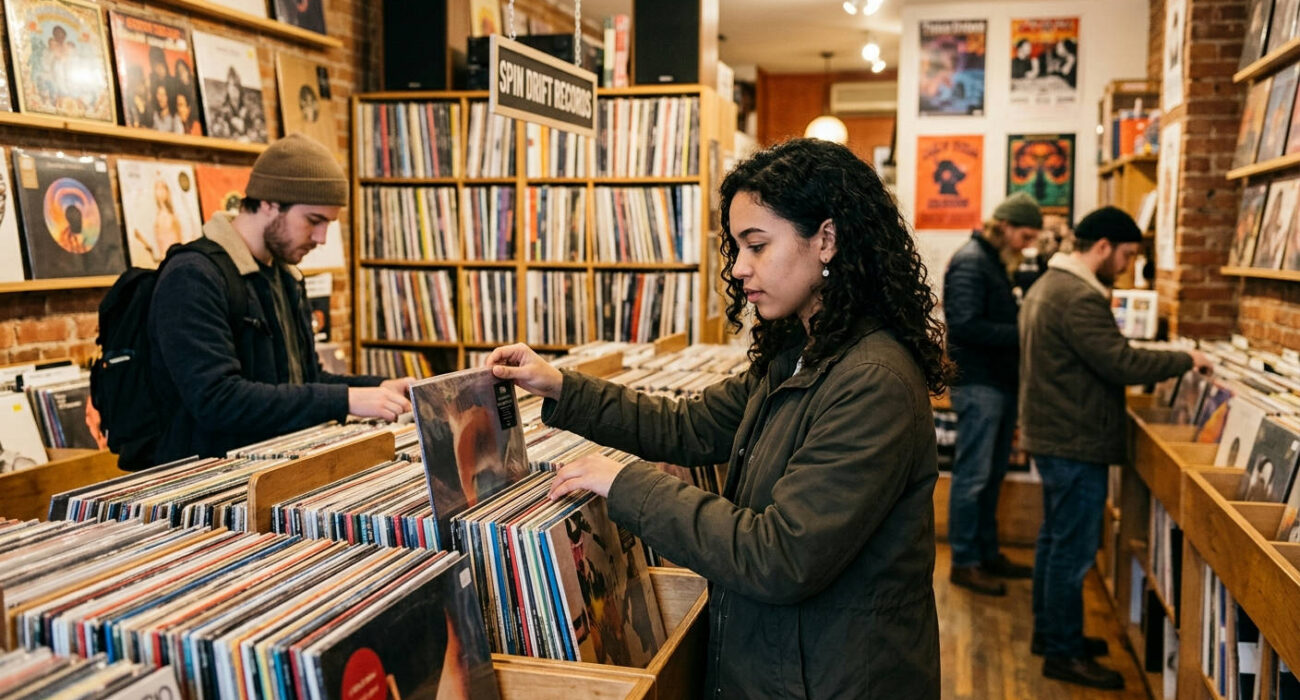
As we settle into the mid-point of 2026, the global music landscape presents a fascinating paradox. While streaming services continue to provide the bulk of digital consumption, the physical format—specifically vinyl—has solidified its role as the premium anchor of the music industry. At Vinyl Gold UK, we have spent the last twelve months observing a market that has transitioned from a niche "revival" into a robust, permanent pillar of modern audio culture.
The data for 2026 confirms what many enthusiasts have suspected: vinyl is no longer just a trend; it is a lifestyle choice for millions. This deep-dive analysis explores the current state of the industry, why collectors are prioritizing high-fidelity physical media, and how these shifts impact the way we curate our personal libraries.
The State of the Vinyl Market in 2026
The year 2026 has been a landmark period for physical media. Industry analysts report that vinyl record sales have continued to outpace CD sales for the seventeenth consecutive quarter. This sustained growth is driven by a unique combination of nostalgia and a genuine appreciation for the ritualistic nature of analog playback.
Breaking Down the Growth Patterns
Unlike the speculative spikes seen in the early 2020s, the growth observed in 2026 is organic and sustainable. Manufacturers have finally caught up with demand, meaning that the "backlog" issues that plagued the industry years ago have largely been resolved. This stabilization has allowed labels to focus on higher-quality pressings and innovative packaging.
Collectors are no longer just buying for the sake of ownership; they are buying for performance. We see a massive shift toward 180-gram heavyweight vinyl and audiophile-grade remasters. This desire for superior sound quality has turned record stores into hubs of serious investigation rather than just retail outlets.
The Role of Independent Retailers
Local record shops and boutique online sellers like us are playing a vital role in this ecosystem. In 2026, the "local discovery" aspect of buying music has become a primary driver for sales. Consumers are increasingly turning to curated lists, exploring legacy artists like Hank Williams, whose catalog has seen a significant resurgence among younger demographics.
"The vinyl record is not merely a piece of plastic; it is a permanent storage device for human emotion, immune to the fleeting nature of digital licensing agreements." — Lead Analyst, Vinyl Gold UK.
Consumer Demographics: Who Is Buying Vinyl?
The face of the vinyl collector has changed dramatically. No longer the domain of aging baby boomers, the vinyl market in 2026 is heavily dominated by Gen Z and Millennials. This demographic shift has reshaped how labels market their releases and which titles get priority for pressing.
Why Gen Z Loves Analog
For a generation that grew up in an entirely digital environment, the physical interaction with a record provides a grounding effect. It is a sensory experience—the weight of the sleeve, the visual art, and the tactile nature of lowering a needle. This "digital detox" aspect is a recurring theme in consumer surveys conducted throughout 2026.

The Influence of Pop Culture
Social media platforms remain the biggest catalysts for record sales. Trends on short-form video apps often send long-forgotten albums back to the top of the charts. When an older track goes viral, fans aren't satisfied with a digital stream; they seek the physical object. This has led to a fascinating blend of modern pop releases and classic reissues sitting side-by-side in top-selling lists.
The Resurgence of Classic Catalogs
While new releases get the spotlight, the backbone of the vinyl industry remains the legendary catalogs of the 20th century. In 2026, we see a massive demand for high-fidelity pressings of mid-century folk, rock, and jazz.
The Legacy Artist Impact
Collectors are actively seeking out the masters. If you look at the discographies of iconic artists like James Taylor, you will notice that the demand for high-quality box sets and limited-edition pressings has reached an all-time high. It’s not just about the music; it’s about preserving a moment in history.
The Curiosity of Past Decades
There is also a growing fascination with specific years of music history. Many collectors are using the internet to investigate what was number 1 in 1984 and other seminal years to build "time capsule" collections. This historical curiosity drives a robust secondary market and encourages labels to prioritize high-quality archival reissues.
Technical Innovations in 2026
The vinyl industry is not stuck in the past. 2026 has brought several technical innovations that improve the lifespan and sound quality of our favorite records.
Audiophile-Grade Pressing Techniques
Factories have adopted new laser-cutting technologies for master lacquer production, which significantly reduces surface noise. Furthermore, the industry-wide move toward recycled vinyl compounds has made the hobby more sustainable without sacrificing dynamic range.
Integration with Modern Systems
Vinyl is no longer isolated from the smart home. We are seeing a massive surge in high-quality, Bluetooth-enabled turntables that allow analog audio to be piped into high-fidelity wireless speaker systems. This bridges the gap between the vintage aesthetic and modern convenience, making vinyl more accessible than ever.
Vinyl in the Context of Events and Social Life
Music has always been communal, and vinyl is currently seeing a comeback in the social sphere. In 2026, we are witnessing a return to the "listening party" culture, where people gather to experience an album in its entirety.
Professional Entertainment
Vinyl is also becoming a premium choice for high-end events. Whether it's a wedding or a corporate gala, there is an increasing demand for a Professional Rainham Dj For Weddings Parties who specializes in analog sets. There is a distinct, warm sound profile provided by a needle hitting a record that simply cannot be replicated by digital files, adding a touch of class and nostalgia to any gathering.

"The warmth of a needle on vinyl creates an atmosphere that digital compression simply cannot reach, making it the preferred choice for those who value authentic acoustic depth." — Industry Publication.
Sustainability and Future Outlook
The vinyl industry of 2026 is hyper-aware of its environmental impact. As consumers become more conscious, manufacturers are responding with innovative solutions.
The Eco-Friendly Shift
Beyond just using recycled materials for the records themselves, labels are moving away from single-use plastics in packaging. We are seeing a rise in sustainable, carbon-neutral manufacturing processes that satisfy the ethical requirements of today’s music fans.
Future Projections
Looking toward 2027 and beyond, all indicators suggest that the vinyl market will continue to mature. We anticipate a shift toward "collector-first" models, where albums are released with extensive liner notes, behind-the-scenes interviews, and digital download codes, offering the best of both worlds to the modern consumer. According to data from the International Federation of the Phonographic Industry, physical music remains a stable anchor against the volatility of digital platform algorithms.
Frequently Asked Questions (FAQ)
Is vinyl still growing in 2026?
Yes, vinyl sales in 2026 have continued to show consistent growth. While the exponential explosive growth of the early 2020s has stabilized, the demand is now steadier and more diversified across various genres.
Why do younger generations prefer vinyl?
Gen Z consumers value the physical ownership of music. In an era where digital content can disappear due to licensing changes, vinyl offers a tangible, permanent connection to the artist and the music itself.
Are vinyl records actually better sounding than digital?
This is a subject of constant debate. However, many audiophiles argue that the analog nature of vinyl provides a "warmth" and harmonic richness that digital files often sacrifice through compression. For more in-depth discussions on analog fidelity, you can reference resources at the Audio Engineering Society.
Should I start a vinyl collection now?
2026 is an excellent time to start. With the backlog of manufacturing solved and a vast array of high-quality reissues being released, there has never been a better time to invest in a quality turntable and start building your library.
How do I maintain my records to ensure they last?
Proper maintenance is key. Using a carbon fiber brush before every play, storing records vertically in anti-static sleeves, and keeping your stylus clean will ensure your collection stays in pristine condition for decades.
Conclusion
The vinyl record sales statistics for 2026 tell a clear story: we are living in a golden age of physical audio. What was once considered a dying format has transformed into a resilient, high-value market driven by quality, history, and the simple human need for a tangible connection to the music we love.
Whether you are a seasoned collector looking for a rare 1980s pressing or a new listener just buying your first turntable, the vinyl community is more welcoming and vibrant than ever. At Vinyl Gold UK, we are proud to be at the forefront of this movement, helping fans across the country find the music that moves them. The record is spinning, the music is analog, and the renaissance is here to stay.