
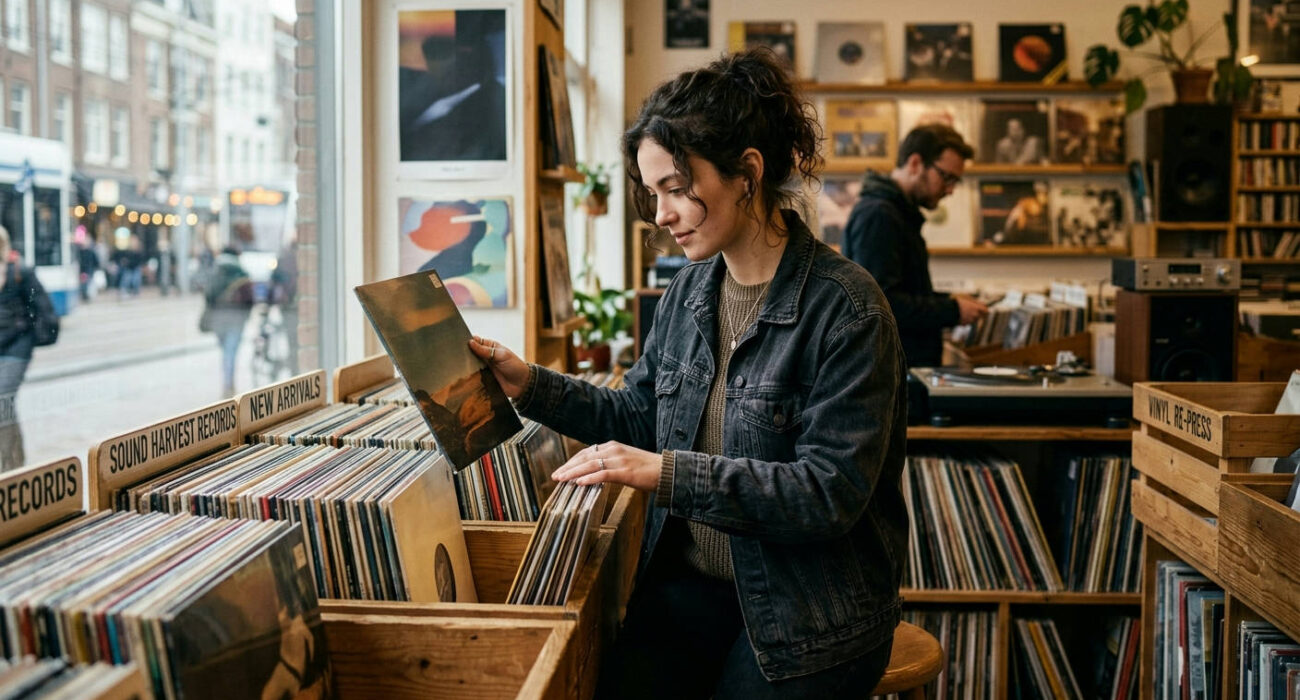
The landscape of music consumption has undergone a seismic shift over the last decade, transitioning from the convenience of ephemeral streaming to the tactile, intentional experience of analogue media. As we navigate through 2026, the question on the minds of collectors, audiophiles, and market analysts alike remains: is vinyl record resurgence sustainable? At Vinyl Gold UK, we have watched this movement evolve from a niche hobby into a robust cultural pillar that shows no sign of fading.
Sustainability in the vinyl market is no longer a matter of mere nostalgia. It is about the intersection of technological preservation, the psychology of ownership, and the evolving economic models of the music industry. To understand why this movement is built to last, we must dissect the infrastructure, the consumer demographic, and the emotional value attached to the format in the mid-2020s.
The Economic Foundation of the Vinyl Revival
The economic longevity of vinyl is often questioned by sceptics who equate it with a passing trend. However, current data suggests that the production chain has stabilized significantly by 2026, shifting from a fragile supply chain to a well-oiled industry.
Infrastructure and Manufacturing Stability
In the early 2020s, pressing plants were overwhelmed by demand, leading to long lead times and high costs. Fast-forward to 2026, and we have seen a massive infusion of capital into new, high-efficiency pressing machines. Companies have learned to balance the demand for new releases with the catalogue reissues that keep the market steady.
This infrastructure is backed by the International Federation of the Phonographic Industry, which tracks how physical media has maintained a resilient percentage of global music revenue. The investment in new hardware ensures that wait times have dropped, allowing independent labels to thrive alongside major conglomerates.
The Role of Consumer Loyalty
The vinyl consumer is fundamentally different from the streaming subscriber. The “acquisition mindset” of vinyl collectors ensures that even during economic fluctuations, the desire for high-quality physical releases remains a priority. Collectors are not just buying music; they are investing in art, cover design, and the historical preservation of the artist’s intent.
The Psychological Pull: Why Vinyl Remains Relevant
The Vinyl Record Resurgence
The digital age promised infinite convenience, yet it inadvertently created a vacuum for tangible interaction. The sustainability of vinyl is rooted in human psychology—the need to hold, see, and interact with the music we consume.
The Vinyl Record Resurgence signifies a cultural revival, allowing listeners to reconnect with their favourite albums in a way that digital formats cannot replicate. This Vinyl Record Resurgence is not just a trend, but a testament to the enduring appeal of music on physical media.
The Ritual of Analog Playback
Streaming is passive; vinyl is active. The process of pulling a record from its sleeve, cleaning the surface, and carefully dropping the needle forces a listener to be present. This ritualized listening experience is increasingly marketed as a form of digital detox in 2026, helping listeners reclaim their attention span in an era of constant notifications.
Curatorial Identity and Physical Collections

Owning a physical library of music allows for a unique form of self-expression. Curating a collection of classic Joni Mitchell albums or discovering ten of the best from Swedish artists serves as a marker of identity. Unlike a digital playlist that can be deleted or updated, a record collection is a permanent, physical archive of one’s personal evolution.
“The resurgence of vinyl is a rebellion against the disposability of the digital age. It represents a commitment to the medium, the artist, and the intentional act of listening.”
This Vinyl Record Resurgence highlights the importance of authenticity in music consumption, drawing in new generations of listeners eager to experience the tactile joy of vinyl.
Diversification: From Casual Listeners to Audiophiles
The sustainability of vinyl is further bolstered by the diverse range of hardware available in 2026. Whether you are a professional DJ or a newcomer, the barriers to entry are lower than ever.
The growth of the Vinyl Record Resurgence is evident in the increasing variety of turntables and accessories available, catering to both new and seasoned collectors.
The Integration of Digital and Analog
Many modern turntables now offer high-fidelity Bluetooth streaming and USB connectivity, bridging the gap for the modern household. This allows users to enjoy the aesthetic of a record player while maintaining the convenience of modern audio systems.
Hardware for the Next Generation
For those just starting their journey, understanding the technology is vital. Beginners often find their start with best dj controllers for beginners, which often serve as a gateway into deeper vinyl integration. By blending the tactile feel of DJ equipment with vinyl playback, younger generations are finding new ways to keep the format alive and relevant in the club scene.
The Role of Artists and Record Labels
Artists are embracing the Vinyl Record Resurgence, crafting special editions that resonate with fans and collectors alike, furthering the connection between artists and audiences.
The sustainability of the vinyl market is heavily dependent on the output of creators. Artists in 2026 treat vinyl as a primary merchandise category rather than an afterthought.
Special Editions and Collectability
Record labels have mastered the art of the “limited edition.” By offering colored variants, signed inserts, and expansive liner notes, artists provide value that cannot be replicated by streaming services. When an artist releases five of the best from Ed Sheeran, the packaging often becomes as important as the audio itself.
Transparency and Sustainability Practices
As consumers become more environmentally conscious, the vinyl industry has faced questions regarding plastic usage. By 2026, many manufacturers have shifted to recycled PVC and greener packaging materials to ensure the industry aligns with modern environmental standards. This proactive stance on ecological impact is crucial for long-term sustainability.
The Vinyl Record Resurgence is also pushing manufacturers to adopt more sustainable practices, reflecting a broader trend towards environmental consciousness in music production.
Market Trends: Where the Industry Goes from 2026

Predictions for the late 2020s and beyond suggest that vinyl will maintain a solid market share. The format is no longer “returning”—it has arrived as a permanent fixture.
As we look ahead, the Vinyl Record Resurgence is poised to shape the future of music, offering a unique blend of nostalgia and innovation that appeals to a diverse audience.
High-End Audio Market Growth
The audiophile market continues to expand. As people invest more in high-end amplifiers, speakers, and specialized turntable cartridges, the demand for high-quality pressings—such as 180-gram vinyl and audiophile-grade remasters—remains incredibly strong.
The high-end audio market is benefiting significantly from the Vinyl Record Resurgence, as audiophiles seek out premium pressings that enhance their listening experience.
Educational Growth and Community
With the rise of community-driven events, the Vinyl Record Resurgence fosters a sense of belonging among collectors and enthusiasts, creating connections that transcend the music itself.
Vinyl communities online and in physical stores have fostered a culture of education. New collectors are learning about the history of audio engineering, which ensures that the appreciation for the format is passed down to new generations. You can find more historical context on audio technology at Wikipedia.
“Sustainability in the record industry is not about beating streaming; it is about providing an alternative experience that streaming cannot replicate.”
Frequently Asked Questions (FAQ)
Will vinyl prices continue to rise?
While production costs have stabilized, high-demand limited editions may still carry a premium. However, the mass-market standard releases are expected to remain accessible to the average collector throughout 2026 and beyond.
Is vinyl environmentally sustainable?
The industry has significantly improved its green credentials by 2026. Many plants now offer “eco-mix” vinyl, which uses leftover pellets from previous pressings, reducing waste significantly.
Does digital audio sound better than vinyl?
This is a subjective debate. Vinyl offers a “warmth” and harmonic distortion that many listeners prefer, while digital offers clinical precision. The popularity of vinyl in 2026 confirms that many listeners prioritize the experience of the sound over objective measurements.
Should I buy a vintage player or a new one?
For beginners, a new turntable with a built-in preamp is often the safest bet. It provides modern reliability and ease of use, ensuring you don’t damage your growing collection of records.
How do I ensure my vinyl records stay in good condition?
Proper storage—keeping them vertical in a cool, dry place—and using a high-quality carbon fibre brush before each play are the two most important steps to long-term record health.
Vinyl is Here to Stay
Ultimately, the evidence surrounding the Vinyl Record Resurgence indicates a lasting impact within the music industry, making it clear that vinyl is here to stay.
Is vinyl record resurgence sustainable? The evidence suggests that it is not only sustainable but thriving. The format has successfully transitioned from a dying relic to a premium, sought-after commodity that commands respect in the modern music ecosystem.
By 2026, the vinyl industry has cemented its role by focusing on quality, community, and the irreproducible joy of holding music in one’s hands. As technology continues to move toward the ephemeral, the physical weight of a vinyl record becomes an anchor for the listener.
The Vinyl Record Resurgence is more than a mere trend; it’s a cultural shift that embraces the artistry of music and the joy of physical collections.
At Vinyl Gold UK, we believe that as long as there are people who seek a deeper connection to the art they love, the turntable will keep spinning. We are not looking at a temporary bubble; we are witnessing the solidification of a culture that values the tangible, the authentic, and the enduring power of a record spinning at 33 revolutions per minute. The future of music is not just digital; it is balanced, tactile, and firmly etched in groove.
In closing, the Vinyl Record Resurgence encapsulates a collective yearning for connection and authenticity in music, ensuring its relevance for years to come.