
Frank Zappa remains one of music’s most singular and uncompromising figures. Over a career spanning nearly three decades, he produced an astonishing body of work that defied every expectation. Whether you’re a long time fan or a curious newcomer, this guide cuts through the noise. Below, you’ll find honest, in-depth coverage of every major Frank Zappa album — from the anarchic debut to the posthumous vault releases that continue to surface today.
What You Need to Know First
What was Frank Zappa’s first album? Frank Zappa’s debut was Freak Out!, released in 1966 with the Mothers of Invention. It was one of the first double albums in rock history and a bold, satirical broadside aimed at American pop culture. It shocked listeners and critics alike, but it immediately established Zappa as a fearless and fiercely original voice.
Did Frank Zappa do drugs? Famously, no. Frank Zappa was one of rock’s most outspoken anti-drug voices, which makes the “trippy” reputation of his music all the more remarkable. He fuelled his creativity with cigarettes and coffee, not narcotics. He even testified before the US Senate in 1985, defending free speech against censorship — a cause he cared about far more than getting high.
What is Frank Zappa’s most famous song? Depending on who you ask, the answer shifts. “Valley Girl” (1982) is probably his biggest mainstream hit, largely thanks to his daughter Moon Unit’s spoken-word contribution. “Don’t Eat the Yellow Snow” and “Peaches en Regalia” are equally iconic among fans. Each song showcases a different dimension of his genius — satire, absurdism, and pure melodic beauty, respectively.
How many albums did Frank Zappa release? Frank Zappa released 62 studio and live albums during his lifetime. Since his death in 1993, posthumous releases from his legendary personal archive — known as “The Vault” — have pushed that total well past 125 albums. The releases show no signs of stopping, and each one tends to reveal something new and surprising.
What genre is Frank Zappa? Simply put, Frank Zappa defied genre entirely. His work blends rock, jazz fusion, orchestral composition, doo-wop, electronic music, and sharp social satire. He collaborated with symphony orchestras and comedy troupe members in equal measure. Trying to pin one label on him is a fool’s errand — and that, arguably, is exactly what he intended.



![Over-Nite Sensation [VINYL]](https://m.media-amazon.com/images/I/81alHiKcKLL._AC_SY355_.jpg)
![Uncle Meat [VINYL]](https://m.media-amazon.com/images/I/91XqIVsPM-L._AC_SX355_.jpg)



The Mothers of Invention Era (1966–1970)
Freak Out! (1966)
Freak Out! announced Frank Zappa to the world with the subtlety of a foghorn. As one of rock’s first concept double albums, it challenged listeners from the very first track. Frank Zappa crafted sharp satire targeting teen pop, suburban conformity, and American complacency. The album blends garage rock, doo-wop parody, and avant-garde noise collages into something genuinely unclassifiable. Tracks like “Who Are the Brain Police?” feel genuinely unsettling even today. Meanwhile, “Go Cry on Somebody Else’s Shoulder” plays it completely straight — which makes it funnier. Crucially, the album established the Mothers of Invention as something far more than a novelty act. Critics initially dismissed it. Subsequently, history proved them wrong, and it now sits comfortably among rock’s most important debuts. For newcomers, this is the essential starting point. It’s loud, provocative, and frequently hilarious — a perfect introduction to everything Frank Zappa stood for.
Absolutely Free (1967)
Absolutely Free built directly on the debut’s chaos while sharpening its satirical edge considerably. Frank Zappa structured the album in two “oratorios,” using the format to mock consumerism, education, and suburban American values. The music shifts styles rapidly — from doo-wop to free jazz to mock-classical — often within the same song. Notably, “Plastic People” captures the album’s spirit perfectly: funny, cutting, and musically sophisticated. Frank Zappa displayed a rare ability to make serious compositional statements while simultaneously making audiences laugh out loud. The production feels rawer than its predecessor, though the band’s musicianship had already tightened noticeably. Additionally, the album introduced the “conceptual continuity” that would define his entire career — recurring themes and motifs woven across records. For those following the Mothers of Invention story chronologically, this album represents a vital and often underappreciated chapter.
We’re Only in It for the Money (1968)
This album is Frank Zappa’s sharpest satirical statement — and arguably his funniest. Released in 1968, it directly parodied the Sgt. Pepper’s Lonely Hearts Club Band artwork on its cover. Frank Zappa aimed his wit squarely at hippie culture, questioning its sincerity and commercialisation. However, this wasn’t mere cynicism — the music itself is extraordinarily layered and inventive. Tape splicing, studio manipulation, and sudden tonal shifts appear throughout. Songs like “Absolutely Free” and “Who Needs the Peace Corps?” bite with real satirical venom. Furthermore, the production — completed before the Beatles album actually released — shows Zappa’s studio instincts were remarkably ahead of his contemporaries. Consequently, it remains essential listening for anyone interested in 1960s counterculture and its contradictions. It’s both a period document and a timeless piece of social commentary.
Lumpy Gravy (1968)
Lumpy Gravy stands as Frank Zappa’s first full orchestral statement and one of his most unusual records. Released the same year as Money, it feels entirely different — more abstract, more cinematic, and considerably more difficult. Frank Zappa constructed the album from orchestral pieces, studio conversations, and sonic experiments, creating something closer to a sound collage than a conventional album. There’s genuine beauty buried within the strangeness. Passages of real orchestral warmth alternate with disorienting spoken-word interludes. Interestingly, the album connects thematically to several later Zappa works, establishing the “conceptual continuity” he would pursue for decades. For casual listeners, it’s challenging. Nevertheless, for those willing to sit with its weirdness, Lumpy Gravy reveals the full scope of Frank Zappa’s compositional ambition. It’s unlike anything else released in 1968.
Cruising with Ruben & the Jets (1968)
Cruising with Ruben & the Jets remains one of the most deliberately confusing records Frank Zappa ever made. On the surface, it’s a loving and remarkably faithful tribute to 1950s doo-wop and early rock and roll. Frank Zappa reproduced the style so accurately that many listeners initially believed it was a genuine period artifact. However, the question of sincerity vs. irony has followed the album ever since. Is it affectionate homage or elaborate satire? Possibly both. Regardless, the musicianship is impeccable, and the melodies are genuinely infectious. Songs like “Deseri” and “Jelly Roll Gum Drop” are beautiful on their own terms. Furthermore, the album demonstrates Frank Zappa’s near-encyclopaedic knowledge of American pop history. Consequently, it stands as a unique entry in his catalogue — accessible, charming, and quietly subversive all at once.
Uncle Meat (1969)
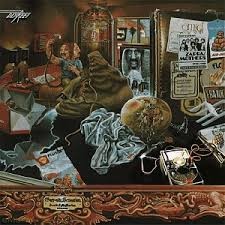
Uncle Meat is Frank Zappa at his most compositionally dense and relentlessly inventive. Originally conceived as a soundtrack to an unfinished film, the double album sprawls across jazz, classical, musique concrète, and satirical rock with breathtaking confidence. Frank Zappa conducted the Mothers of Invention through some of his most complex arrangements, demanding extraordinary musicianship from every player. The result is difficult but deeply rewarding. “Dog Breath Variations” alone justifies the album’s existence — it’s one of Zappa’s finest compositions. Additionally, the album features extended studio conversations that blur the line between documentary and performance art. Transitions between tracks are deliberately disorienting, keeping listeners permanently off balance. Nevertheless, the underlying compositional logic is meticulous. For serious fans, Uncle Meat represents a cornerstone of the Frank Zappa catalogue — challenging, hilarious, and genuinely unlike anything else.
Burnt Weeny Sandwich (1970)
Burnt Weeny Sandwich marked the beginning of the end for the original Mothers of Invention line-up, and its tone reflects that transition. Frank Zappa assembled the album from live recordings and studio sessions, creating a patchwork that moves between tender doo-wop covers and ferocious avant-garde instrumental work. Frank Zappa’s arrangement of “Little House I Used to Live In” is particularly stunning — a sprawling jazz-rock piece that showcases the band at its most musically adventurous. By contrast, the doo-wop segments feel deliberately nostalgic, perhaps even elegiac. Notably, the juxtaposition creates an emotional tension that makes the album surprisingly moving. Additionally, the record demonstrates how far the Mothers had evolved since Freak Out! — from satirical provocateurs to genuinely accomplished musicians. Despite its transitional nature, Burnt Weeny Sandwich deserves far more attention than it typically receives.
Weasels Ripped My Flesh (1970)
Weasels Ripped My Flesh is the final album from the original Mothers of Invention, and Frank Zappa sent them off with maximum abrasiveness. Compiled from live and studio recordings, the album bounces between jazz, rock, R&B, and pure noise without warning or apology. Frank Zappa included pieces of genuine sonic extremity — the title track ends in several minutes of ear-shredding feedback. However, the album also contains moments of unexpected beauty and warmth. “Directly from My Heart to You” is a genuinely moving blues performance. Furthermore, the album’s frenetic energy captures something essential about the Mothers live experience — chaotic, funny, and musically brilliant simultaneously. Consequently, it serves as both a fitting farewell and a document of what made the band so extraordinary. For fans of challenging rock music, this remains essential Frank Zappa listening.
The Jazz-Fusion & “Flo & Eddie” Era (1969–1972)
Hot Rats (1969)
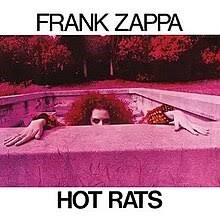
Hot Rats is the album that Frank Zappa purists most frequently cite as his masterpiece. Released in 1969, it stripped away the satire almost entirely and focused on breathtaking instrumental jazz-rock. Frank Zappa surrounded himself with extraordinary musicians — most notably Captain Beefheart, who delivers a scorching vocal on “Willie the Pimp.” “Peaches en Regalia” opens the album with one of the most joyful melodies he ever wrote. Subsequently, the album moves through extended, virtuosic pieces that reward repeated listening enormously. The guitar work throughout is fluid and inventive, showcasing Zappa as a world-class instrumentalist. Additionally, the production — for 1969 — sounds remarkably modern and detailed. Crucially, Hot Rats made the case that Frank Zappa wasn’t merely a satirist but a genuinely serious and gifted composer. For new listeners, this is probably the ideal entry point.
Chunga’s Revenge (1970)
Chunga’s Revenge captures Frank Zappa in a transitional moment — moving away from the Mothers of Invention and toward a new, more fluid ensemble approach. The album blends sharp rock, jazz improvisation, and comedy in roughly equal measure. Frank Zappa’s guitar work is particularly strong throughout, foreshadowing the extended soloing that would define his live performances for years to come. “Transylvania Boogie” is a standout instrumental, full of energy and precision. Additionally, the album introduces vocalist Jeff Fenholt and marks the beginning of a more rotating cast of collaborators. Some sections feel exploratory rather than fully resolved — but that experimentation is part of the album’s charm. Nevertheless, it’s an enjoyable and accessible entry point for listeners approaching Frank Zappa’s early-70s work for the first time.
Fillmore East – June 1971 (1971)
Fillmore East – June 1971 captures Frank Zappa and his band — including comedians Howard Kaylan and Mark Volman (Flo & Eddie) — at their most outrageously entertaining. The performances are loose, funny, and frequently filthy, with extended comedic skits woven around genuinely tight musicianship. Frank Zappa clearly relished the audience interaction, steering the show into increasingly absurd territory with obvious delight. The band’s chemistry is exceptional throughout. Notably, “Mud Shark” has become a legendary piece of live rock theatre. Furthermore, the recording quality is excellent, capturing the atmosphere of a truly memorable live event. Consequently, this album stands as one of the best live records Frank Zappa ever released. For anyone curious about his reputation as a live performer, this is absolutely essential listening — funny, sharp, and musically accomplished.
200 Motels (1971)
200 Motels is one of the most ambitious and genuinely strange projects Frank Zappa ever attempted. As both a film soundtrack and a standalone double album, it blurs genre lines almost beyond recognition. Frank Zappa used the Royal Philharmonic Orchestra alongside his regular band, creating a collision between classical music and rock excess that was unprecedented for the time. The subject matter — life on the road, boredom, groupies, and creative frustration — is simultaneously satirical and autobiographical. Ringo Starr appeared in the film, adding a layer of mainstream celebrity to a deeply uncommercial project. Additionally, the sheer scale of the orchestration reveals Frank Zappa’s genuine classical ambitions. Consequently, 200 Motels divides audiences sharply — some find it impenetrable, while others consider it visionary. Either way, it’s an essential piece of the Frank Zappa story.
Just Another Band from L.A. (1972)
Just Another Band from L.A. documents the Flo & Eddie version of Frank Zappa’s band performing at UCLA in 1971. The atmosphere is loose and theatrical — more comedy revue than conventional rock concert. Frank Zappa included “Billy the Mountain,” an extended satirical piece that runs for nearly half the album’s runtime. Frank Zappa used the piece to skewer American celebrity culture, suburban life, and media saturation simultaneously. The performances throughout are tight despite the improvisational feel. Furthermore, the album captures a specific moment in Zappa’s career — confident, irreverent, and thoroughly entertaining. Consequently, it’s highly recommended for fans of the Flo & Eddie era. While the comedy may feel slightly dated in places, the musicianship and Frank Zappa’s satirical instincts remain as sharp and effective as ever.
Waka/Jawaka (1972)
Waka/Jawaka marks a deliberate return to the jazz-fusion territory of Hot Rats, and Frank Zappa executed the pivot with considerable skill. The album features extended instrumental compositions built around jazz harmonics and sophisticated ensemble playing. Frank Zappa gathered a strong group of session musicians, creating a sound that felt simultaneously expansive and precise. “Big Swifty” — the album’s centerpiece — is an exceptional piece of jazz-rock, full of unexpected harmonic twists. Additionally, the album has a warmer, more relaxed feel than much of Zappa’s earlier work. Transitions between sections are handled with real compositional elegance. Consequently, Waka/Jawaka often gets overshadowed by its companion release, The Grand Wazoo. Nevertheless, it deserves recognition as a strong and musically mature entry in the Frank Zappa catalogue.
The Grand Wazoo (1972)
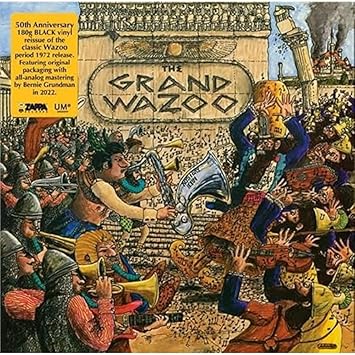
The Grand Wazoo is Frank Zappa’s most fully realised jazz-orchestral statement of the early 1970s. Built around a large ensemble of brass, woodwinds, and rhythm section, it sounds unlike virtually anything else in his catalogue. Frank Zappa composed meticulously detailed arrangements that gave every instrument a clear voice within the larger texture. Frank Zappa’s conducting vision throughout is confident and remarkably sophisticated. “For Calvin (And His Next Two Hitchhikers)” exemplifies the album’s approach — layered, swinging, and wholly original. Furthermore, the album demonstrates that Zappa’s classical influences were never far from the surface, even in his most rock-oriented work. Consequently, The Grand Wazoo remains a significantly underrated album. For listeners who love jazz composition and orchestral rock, this is an absolutely essential Frank Zappa discovery.
The Commercial Peak & Virtuoso Years (1973–1979)
Over-Nite Sensation (1973)
Over-Nite Sensation was a deliberate pivot toward accessibility — and it worked remarkably well. Frank Zappa delivered tighter song structures, sharper production, and some of his most memorable melodies. Frank Zappa also pushed his lyrical content into deliberately provocative territory, with frank sexual humour appearing throughout. “Dirty Love” and “Montana” became fan favourites immediately. Importantly, the album didn’t sacrifice musical ambition — the arrangements remain complex and the playing is exceptional. Additionally, it introduced Zappa to a significantly wider audience without alienating his core fanbase. The balance between commerciality and experimentation is handled with impressive confidence. Consequently, Over-Nite Sensation is frequently cited as one of the most accessible entry points into Frank Zappa’s catalogue. For newcomers who find the earlier albums challenging, this is an excellent place to begin.
Apostrophe (‘) (1974)
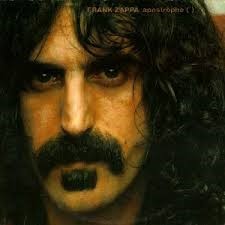
Apostrophe (‘) stands as Frank Zappa’s highest-charting album, reaching No. 10 on the Billboard 200 in 1974. It contains some of his most beloved tracks — “Don’t Eat the Yellow Snow,” “Nanook Rubs It,” and “Uncle Remus” among them. Frank Zappa balanced absurdist humour with genuine musical depth throughout. The title track features a remarkable improvisational bass duel with Jack Bruce. Furthermore, the production is crisp and immediate — one of Frank Zappa’s clearest-sounding records. Consequently, it remains a natural starting point for new listeners approaching his catalogue for the first time. Transition between comedy and musicianship feels completely seamless throughout. Importantly, the album’s commercial success never felt compromised or forced — it simply reflected Zappa at his most focused and confident. Arguably, Apostrophe (‘) captures the essence of Frank Zappa better than any other single record.
Roxy & Elsewhere (1974)
Roxy & Elsewhere is widely regarded as one of the greatest live albums ever recorded. Frank Zappa captured his 1973–74 touring band at the peak of their extraordinary collective powers. Frank Zappa’s ensemble — featuring Ruth Underwood on percussion, Napoleon Murphy Brock on saxophone, and George Duke on keyboards — performed with astonishing precision. The material ranges from complex orchestral pieces to comedic interludes, all delivered flawlessly. “Echidna’s Arf (Of You)” and “Be-Bop Tango” showcase the band’s technical brilliance most vividly. Additionally, Frank Zappa’s live arrangements frequently surpassed his studio versions. Consequently, Roxy & Elsewhere functions both as a brilliant standalone record and as a document of an exceptional musical unit. Furthermore, the audience recordings capture the genuine electricity of these performances. For any serious music fan, this album is absolutely essential listening.
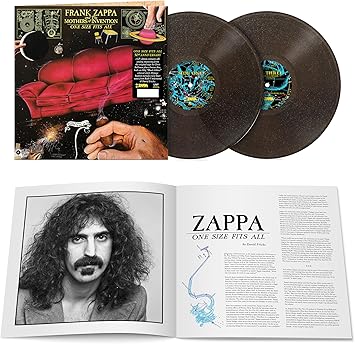
One Size Fits All (1975)
One Size Fits All is one of Frank Zappa’s most consistently satisfying studio albums. Featuring essentially the same exceptional band as Roxy & Elsewhere, the record balances complex composition with genuine accessibility. Frank Zappa crafted songs that reward both casual listening and close analytical attention. “Inca Roads” is arguably among his finest compositions — intricate, melodic, and emotionally resonant simultaneously. Furthermore, the album’s production is warmer and more detailed than many of his 1970s records. Frank Zappa demonstrated here that commercial appeal and compositional ambition aren’t mutually exclusive. Importantly, the performances throughout are characterised by extraordinary ensemble precision. Consequently, One Size Fits All consistently appears near the top of critical Frank Zappa rankings. For listeners who enjoyed Apostrophe (‘) or Roxy & Elsewhere, this is an immediate and essential next step.
Bongo Fury (1975)
Bongo Fury documents the reunion of Frank Zappa and his old friend Captain Beefheart, recorded live in Texas in 1975. The collaboration crackles with unpredictable energy from start to finish. Frank Zappa and Beefheart play off each other with obvious mutual respect and genuine creative excitement. Beefheart’s raw, howling vocal style contrasts beautifully with Frank Zappa’s sharp compositional precision. “Muffin Man” has become one of Zappa’s most celebrated tracks — explosive, funny, and musically dazzling. Additionally, the band performs with tremendous drive throughout. Consequently, Bongo Fury stands as one of the most exciting live documents in Frank Zappa’s catalogue. Furthermore, it captures a unique moment when two of rock’s most original minds briefly shared the same stage. For fans of either artist, this album is absolutely unmissable.
Zoot Allures (1976)
Zoot Allures finds Frank Zappa in a leaner, more stripped-back mode than his mid-70s peak records. Recorded largely with a small ensemble, the album feels deliberately understated compared to the orchestral ambition of earlier releases. Frank Zappa focused here on guitar-driven rock with a sharp, almost menacing edge. The title track is particularly effective — slow, dark, and hypnotic. Additionally, “Disco Boy” showcases Frank Zappa’s satirical instincts at their most pointed and economical. Furthermore, the album’s lo-fi quality feels intentional rather than budgetary. Consequently, Zoot Allures has developed a devoted cult following among fans who prefer their Frank Zappa raw and unadorned. It’s not the most accessible entry point, but it’s a genuine and compelling statement from an artist deliberately resisting his own established formulas.
Zappa in New York (1978)
Zappa in New York captures Frank Zappa and a remarkable ensemble performing at the Palladium in December 1976. The double live album is among his most musically adventurous concert recordings. Frank Zappa assembled an unusually large ensemble featuring Terry Bozzio on drums and a brass section of exceptional quality. The performances are ferociously tight throughout. “The Black Page” — one of Frank Zappa’s most notoriously complex compositions — receives a definitive live performance here. Additionally, the album includes some of his sharpest satirical material from the period. Consequently, Zappa in New York stands as a crucial document of his live work. Furthermore, the recording quality is excellent, capturing every detail of the performance with real clarity. For fans of his virtuoso period, this double album is essential listening.
Studio Tan (1978)
Studio Tan arrived under complicated circumstances — Frank Zappa released it partly in response to a dispute with his label, Warner Bros. Frank Zappa compiled the album from recordings made between 1973 and 1976, spanning several different band line-ups. Consequently, the material feels slightly uneven, though never less than interesting. “Greggery Peccary” is a standout — an extended satirical composition that showcases Frank Zappa’s storytelling and compositional abilities simultaneously. Furthermore, the instrumental pieces demonstrate real sophistication. Additionally, several tracks here remain unavailable elsewhere in his catalogue, giving Studio Tan genuine archival significance. Nevertheless, as a listening experience, the label-dispute context gives it a slightly fragmentary feel. For completists, it’s essential. For casual listeners, Studio Tan works best as a supplement to his stronger studio albums from the same period.
Sleep Dirt (1979)
Sleep Dirt is one of Frank Zappa’s most overlooked albums, and it deserves significantly more attention than it typically receives. Released in 1979 alongside Studio Tan and Orchestral Favorites, it features primarily instrumental material recorded in the mid-1970s. Frank Zappa assembled performances of real atmospheric beauty here. “Flambay” and “Spider of Destiny” showcase a more introspective, textural side of Frank Zappa’s compositional voice. Additionally, the album’s guitar work is quietly stunning throughout. Furthermore, without the comedy and shock tactics that often defined his public image, Sleep Dirt reveals a genuinely moving and reflective musical sensibility. Consequently, fans who assume Frank Zappa was always joking may find this album genuinely surprising. It’s a compelling and beautiful record that rewards patient, attentive listening.
Sheik Yerbouti (1979)
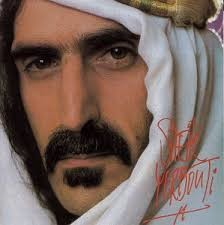
Sheik Yerbouti returned Frank Zappa to the double album format with tremendous commercial and artistic success. Frank Zappa packed the record with sharp satire, extraordinary guitar work, and some of his most explicit lyrical content. “Bobby Brown Goes Down” became a surprise hit in Europe, reaching No. 1 in several countries. Frank Zappa skewered sexual politics, celebrity culture, and disco with equal enthusiasm throughout. Musically, the album is among his tightest and most energetic of the late 1970s. Additionally, the production is exceptionally clean and detailed. “Dancin’ Fool” and “Jewish Princess” generated controversy — which was, of course, entirely intentional. Consequently, Sheik Yerbouti stands as one of the most entertaining and musically accomplished Frank Zappa albums of the period. Furthermore, it remains highly accessible for new listeners while offering genuine depth for longtime fans.
Orchestral Favorites (1979)
Orchestral Favorites gives listeners a rare, focused view of Frank Zappa as a pure orchestral composer. Recorded live with the Abnuceals Emuukha Electric Symphony Orchestra in 1975, the album presents complex, Varèse-influenced compositions in full orchestral dress. Frank Zappa conducted the ensemble through intricate pieces that demand attentive listening. Frank Zappa’s debt to 20th-century classical composers is fully audible here — particularly in the rhythmic complexity and dissonant harmonic language. “Bogus Pomp” is particularly impressive, demonstrating orchestral writing of genuine sophistication. Additionally, the album demonstrates conclusively that Zappa’s classical ambitions were serious and substantive. Consequently, Orchestral Favorites serves as a vital bridge between his rock albums and his later full orchestral recordings with the London Symphony Orchestra. For listeners interested in 20th-century composition, this is essential Frank Zappa.
Joe’s Garage Acts I, II & III (1979)
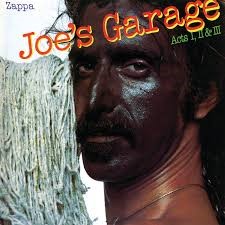
Joe’s Garage is Frank Zappa’s most ambitious rock opera — a sprawling, satirical, and frequently hilarious triple album released across 1979. Frank Zappa constructed an elaborate dystopian narrative in which music has been declared illegal by a totalitarian government. Frank Zappa used the premise to satirise censorship, organised religion, groupie culture, and the music industry simultaneously. “Catholic Girls,” “Crew Slut,” and “Watermelon in Easter Hay” cover wildly different emotional territory. The guitar solo on “Watermelon” is among the most beautiful Frank Zappa ever recorded. Additionally, the supporting cast of musicians performs with remarkable commitment throughout. Consequently, Joe’s Garage stands as one of his most complete and satisfying statements. Furthermore, its themes of censorship proved eerily prescient — the PMRC controversy arrived just a few years later. This is essential Frank Zappa at his most visionary.
The 80s, Synclavier, and Social Satire (1981–1993)
Tinsel Town Rebellion (1981)
Tinsel Town Rebellion captures Frank Zappa and his 1980 touring band in typically sharp form. The double live album blends new material with revisited older pieces, all performed with considerable energy. Frank Zappa’s satirical targets here include new wave music, the music industry, and generic rock — all demolished with cheerful brutality. The band, featuring Denny Walley and Ike Willis, sounds exceptionally tight throughout. Additionally, “Fine Girl” and “Easy Meat” are highlights worth seeking out. Furthermore, Zappa’s guitar playing across the album is inventive and frequently exhilarating. Consequently, Tinsel Town Rebellion stands as a solid and entertaining live document from a consistently underappreciated period of Frank Zappa’s career. For fans of his live work, this is well worth adding to the collection.
Shut Up ‘n Play Yer Guitar (1981)
Shut Up ‘n Play Yer Guitar is Frank Zappa’s definitive statement as a pure guitar soloist. Released as a three-volume set in 1981, the albums compile live guitar improvisations drawn from concerts between 1979 and 1980. Frank Zappa demonstrated across these recordings that he ranked among the most technically accomplished and musically creative guitarists of his generation. Frank Zappa’s soloing is frequently startling — melodically inventive, rhythmically complex, and emotionally direct. Pieces like “Soup ‘n Old Clothes” and “Canarsie” reveal a player fully in command of his instrument. Furthermore, the recordings strip away the comedy and satire entirely, leaving pure musical expression. Consequently, Shut Up ‘n Play Yer Guitar is essential listening for anyone who questions Zappa’s standing as a serious instrumentalist. Additionally, it remains one of the most compelling guitar documents in rock history.
You Are What You Is (1981)
You Are What You Is is Frank Zappa’s sharpest satirical album of the 1980s. The double record targets right-wing politics, religious hypocrisy, and American identity with real venom and considerable wit. Frank Zappa assembled an outstanding band and directed them through material that crackles with barely contained outrage. “Dumb All Over” is a standout track — a direct and withering attack on religious fundamentalism. Additionally, “Teen-age Wind” and “Jumbo Go Away” tackle suburban culture with characteristic irreverence. Furthermore, the production is clean and punchy, reflecting Frank Zappa’s growing expertise in the studio. Consequently, You Are What You Is feels both deeply rooted in its specific political moment and remarkably relevant today. It’s one of his most focused and cohesive double albums — endlessly rewarding and frequently unsettling.
Ship Arriving Too Late to Save a Drowning Witch (1982)
Ship Arriving Too Late to Save a Drowning Witch gave Frank Zappa his biggest commercial hit. “Valley Girl,” featuring his daughter Moon Unit’s spoken-word performance, reached No. 32 on the Billboard Hot 100 — extraordinary for an artist of his commercial profile. Frank Zappa reportedly completed the backing track in a single afternoon. Beyond the hit, the album contains strong material — “I Come from Nowhere” and “Envelopes” demonstrate his continued compositional ambition. Additionally, the juxtaposition between the accessible hit and the more challenging surrounding tracks is typically Zappa-esque. Frank Zappa seemed genuinely bemused by the single’s mainstream success. Consequently, the album occupies a slightly unusual place in his catalogue — commercially significant but somewhat atypical. Furthermore, it remains highly enjoyable and more varied than its “Valley Girl album” reputation suggests.
The Man from Utopia (1983)
The Man from Utopia finds Frank Zappa in a playful, relatively accessible mode — an interesting contrast to the sharp political anger of You Are What You Is. The album mixes rock, jazz, and comedy sketches with a lighter touch than many of his surrounding records. Frank Zappa included “Dangerous Kitchen” — a spoken-word piece detailing his refrigerator’s contents — which manages to be both funny and oddly compelling. “The Sheik Yerbouti Tango” offers another example of Zappa recycling and recontextualising his own themes. Additionally, the album feels somewhat transitional in retrospect — pointing toward the Synclavier-heavy work that would follow. Furthermore, the performances are consistently polished and professional. Consequently, The Man from Utopia is an enjoyable if slightly uneven record that rewards Frank Zappa fans willing to meet it on its own playful terms.
Baby Snakes (1983)
Baby Snakes serves as the soundtrack to Frank Zappa’s 1979 concert film of the same name. The double album combines live performances with studio material, capturing a particularly creative period of his career. Frank Zappa’s 1977 touring band appears throughout — featuring Terry Bozzio and Adrian Belew, among others. Frank Zappa selected performances that highlight both musical complexity and audience interaction. “Titties & Beer” remains one of his most beloved comedy pieces. Additionally, “Disco Boy” receives an excellent live performance here. Furthermore, the album captures the theatricality of Zappa’s live shows more vividly than most official releases. Consequently, Baby Snakes provides a valuable companion to the film itself, though it stands strongly on its own. For fans of his late-70s work, this is an essential and highly entertaining Frank Zappa document.
London Symphony Orchestra, Vol. 1 & 2 (1983 / 1987)
The London Symphony Orchestra recordings represent Frank Zappa’s most sustained engagement with the classical world. Conducted by Kent Nagano, the albums present complex Zappa compositions performed by one of the world’s finest orchestras. Frank Zappa used the project to showcase pieces he’d long sought to hear fully realised with professional classical forces. Frank Zappa’s orchestral writing reveals a deep engagement with Varèse, Stravinsky, and Webern — but the voice remains distinctly his own. “Bob in Dacron” and “Envelopes” receive particularly impressive treatment. Additionally, the collaboration demonstrated that Zappa’s classical ambitions were taken seriously within the professional orchestral world. Consequently, these recordings remain among his most important documents as a composer. Furthermore, they stand as essential listening for anyone who considers Frank Zappa merely a rock satirist rather than a genuine compositional visionary.
The Perfect Stranger (1984)
The Perfect Stranger stands as the ultimate validation of Frank Zappa’s compositional seriousness. Conducted by Pierre Boulez — one of the 20th century’s most celebrated classical conductors — the album presented Zappa orchestral works alongside Synclavier compositions. Frank Zappa earned Boulez’s genuine respect, which was not lightly given. Frank Zappa’s pieces here — including “The Perfect Stranger” and “Dupree’s Paradise” — sound extraordinary in Boulez’s meticulous interpretations. Additionally, the Synclavier pieces offer an intriguing glimpse of the direction Zappa’s work would take in his final years. Consequently, this album carries real weight as a cultural document — evidence that Frank Zappa occupied a legitimate position within 20th-century composition. Furthermore, Boulez’s involvement lent the project a credibility that helped reshape critical perceptions of Zappa’s work significantly.
Them or Us (1984)
Them or Us is a sprawling double album that captures Frank Zappa balancing multiple creative impulses simultaneously. The record blends live recordings, studio tracks, and orchestral moments with characteristic impatience for boundaries. Frank Zappa revisited older material alongside new compositions, creating a rich and varied listening experience. Frank Zappa’s guitar work throughout is among his most accomplished of the 1980s. “Stevie’s Spanking” features a guest appearance from Steve Vai, showcasing extraordinary guitar interplay. Additionally, “Frenchette” and “Truck Driver Divorce” demonstrate Zappa’s continued satirical sharpness. Consequently, Them or Us is significantly better than its reputation suggests. Furthermore, the double format gives Frank Zappa the space to pursue several different ideas without feeling rushed or compressed. For serious fans, this is a richly rewarding and underrated album.
Thing-Fish (1984)
Thing-Fish is Frank Zappa’s most provocative and deliberately challenging theatrical work. The triple album presents a Broadway musical parody featuring a cast of grotesque characters and a storyline targeting racism, AIDS hysteria, and showbiz clichés simultaneously. Frank Zappa constructed an elaborate satirical framework that many listeners found impenetrable — or simply offensive. Frank Zappa, however, was entirely serious in his cultural critique. The musical ambition throughout is considerable, drawing on doo-wop, gospel, and theatrical traditions. Additionally, returning themes from earlier albums give the work a dense sense of internal continuity. Consequently, Thing-Fish remains one of the most divisive entries in the Frank Zappa catalogue. Nevertheless, for listeners willing to engage with its provocations on its own terms, it’s a genuinely fascinating and ambitious piece of work.
Francesco Zappa (1984)
Francesco Zappa is one of Frank Zappa’s most unusual and charming side projects. Discovering that an obscure 18th-century composer shared his surname, Frank Zappa programmed Francesco Zappa’s music onto his Synclavier and released the results. Frank Zappa treated the project with evident delight — part musicological curiosity, part elaborate joke. The compositions themselves are pleasant, competent late-18th-century chamber music — not groundbreaking, but genuinely enjoyable. Additionally, the Synclavier renderings are surprisingly warm and expressive for the technology of the period. Consequently, the album occupies a unique space in Frank Zappa’s catalogue — impossible to classify, completely harmless, and oddly endearing. Furthermore, it demonstrates his capacity for musical playfulness entirely divorced from provocation or satire. For completists and those with a sense of humour, Francesco Zappa is an entirely worthwhile curiosity.
Frank Zappa Meets the Mothers of Prevention (1985)
Frank Zappa Meets the Mothers of Prevention directly addressed the censorship battle that Frank Zappa fought most publicly. Following his 1985 Senate testimony against the PMRC’s push for album labelling, Frank Zappa used the album to continue the argument in musical form. Frank Zappa assembled a mix of live material and Synclavier compositions, framing the whole with commentary on free speech and government overreach. “Porn Wars” samples actual Senate hearing dialogue to devastating satirical effect. Additionally, the album’s Synclavier pieces demonstrate his continued enthusiasm for the technology. Consequently, Mothers of Prevention carries real historical weight as a document of Zappa’s most important public battle. Furthermore, its concerns about censorship and political interference in artistic expression feel sharply relevant in any era. This is an essential Frank Zappa record for understanding him as a public intellectual.
Does Humor Belong in Music? (1986)
Does Humor Belong in Music? captures Frank Zappa and his 1984 touring band in excellent form. The title poses a question that Frank Zappa spent his entire career answering — emphatically, yes. Frank Zappa’s ensemble performance throughout is precise and energetic, handling complex material with obvious enjoyment. The album revisits older material — including “Tinsel Town Rebellion” and “Chunga’s Revenge” — in versions that often surpass the originals. Additionally, the audience interaction sequences capture the warmth and wit of Zappa’s live persona effectively. Furthermore, the recording quality is excellent throughout. Consequently, Does Humor Belong in Music? stands as an accessible and entertaining live document for listeners new to Frank Zappa’s concert work. It answers its own rhetorical question within the first few minutes — and then keeps answering it for the remainder of the runtime.
Jazz from Hell (1986)
Jazz from Hell earned Frank Zappa a Grammy Award for Best Rock Instrumental — a result that reportedly surprised and amused him considerably. The album consists primarily of Synclavier compositions, with a single live guitar piece. Frank Zappa pushed the technology to its absolute limits, creating music of genuine complexity and occasional beauty. Frank Zappa’s Synclavier work here sounds nothing like the sterile, synthetic results the technology typically produced in other hands. “G-Spot Tornado” is technically extraordinary — a composition of such rhythmic intricacy that many musicians initially believed it was humanly impossible to perform live. Additionally, the album demonstrates Frank Zappa’s fundamental seriousness as a composer, entirely separate from his satirical persona. Consequently, Jazz from Hell stands as a landmark in both Zappa’s catalogue and the history of computer-generated music. Furthermore, it remains startlingly ahead of its time.
Guitar (1988)
Guitar is exactly what it promises — two volumes of Frank Zappa’s finest live guitar improvisations, drawn from concerts spanning 1979 to 1984. Frank Zappa compiled the set as an explicit celebration of improvised guitar performance. Frank Zappa demonstrates throughout that his soloing was genuinely melodically inventive rather than technically flashy for its own sake. Every piece here has a distinct character and emotional direction. “Sexual Harassment in the Workplace” and “While You Were Out” are particular highlights. Additionally, the varying band line-ups across the recording period provide interesting sonic contrast. Consequently, Guitar stands alongside Shut Up ‘n Play Yer Guitar as essential documentation of Frank Zappa’s instrumental prowess. Furthermore, for listeners who underestimate his guitar ability, this double album serves as a definitive and compelling corrective.
You Can’t Do That on Stage Anymore, Vol. 1–6 (1988–1992)
The You Can’t Do That on Stage Anymore series is Frank Zappa’s most comprehensive and revealing live document. Spread across six double volumes released between 1988 and 1992, the series draws from concerts spanning his entire career. Frank Zappa selected performances with evident care, juxtaposing different eras and line-ups to demonstrate both continuity and evolution. Frank Zappa’s curatorial instinct across the series is exceptional — each volume has its own distinct character and focus. The performances include extraordinary moments from multiple decades of live work. Additionally, the series provides an unmatched overview of Frank Zappa’s development as a live performer and bandleader. Consequently, You Can’t Do That on Stage Anymore functions as the definitive companion to his studio catalogue. Furthermore, for any serious fan, these volumes are completely indispensable. Taken together, they constitute one of the most remarkable archival projects in rock history.
Broadway the Hard Way (1988)
Broadway the Hard Way captures Frank Zappa and his 1988 touring band at their most politically engaged. The album documents Zappa’s response to the Reagan era with characteristic fury and dark humour. Frank Zappa targeted televangelists, right-wing politicians, and media hypocrisy with some of his sharpest satirical writing. Frank Zappa assembled an exceptional band for the tour, featuring a large ensemble that could handle complex arrangements. “Jesus Thinks You’re a Jerk” is a standout — funny, pointed, and musically accomplished simultaneously. Additionally, “Dickie’s Such an Asshole” caused predictable controversy. Consequently, Broadway the Hard Way stands as one of Frank Zappa’s most directly political albums. Furthermore, his targets proved remarkably durable — the satire has aged better than many political records from the same period. For fans of his satirical work, this is essential.
The Best Band You Never Heard in Your Life (1991)
The Best Band You Never Heard in Your Life documents Frank Zappa’s final world tour of 1988 with an extraordinary large ensemble. The title is characteristically immodest — and largely justified. Frank Zappa assembled a band featuring multiple horn players, a strong rhythm section, and vocalists capable of handling his most demanding material. Frank Zappa’s set lists throughout the tour were adventurous, covering material from across his entire career. The cover versions included here — ranging from Led Zeppelin to Ravel’s Boléro — are performed with irreverent precision. Additionally, the recording quality is excellent throughout. Consequently, this double album stands as one of the finest documents of Frank Zappa’s live work from any period. Furthermore, it captures an artist fully in command of his craft at what would prove to be his final opportunity to perform for audiences.
Make a Jazz Noise Here (1991)
Make a Jazz Noise Here serves as the companion volume to The Best Band, drawing from the same 1988 tour but focusing on the more experimental and jazz-oriented material. Frank Zappa selected performances that showcased the ensemble’s improvisational abilities and compositional range. Frank Zappa’s arrangements of his own orchestral pieces work particularly well in this live context. Pieces like “Big Swifty” and “King Kong” receive extended, energetic live treatments. Additionally, the album demonstrates how effectively Zappa translated complex studio compositions into the live environment. Furthermore, the sheer musicianship on display throughout is breathtaking. Consequently, Make a Jazz Noise Here is an essential companion to The Best Band rather than a mere overflow release. Together, the two albums paint a complete and thrilling picture of Frank Zappa’s final touring band in full flight.
The Yellow Shark (1993)
The Yellow Shark was the last album Frank Zappa released before his death from prostate cancer in December 1993. Performed by the Ensemble Modern, a German contemporary music ensemble, it presents late Zappa compositions with extraordinary precision and genuine interpretive insight. Frank Zappa attended the recording sessions despite serious illness, clearly invested in the project’s success. Frank Zappa’s compositions here — including “G-Spot Tornado” in its live, fully performed version — are among his most complex and emotionally resonant. The Ensemble Modern tackled the material with evident respect and enthusiasm. Additionally, the album carries an unavoidable emotional weight, knowing it was Zappa’s final statement. Consequently, The Yellow Shark stands as both a triumphant culmination and a poignant farewell. Furthermore, it confirms Frank Zappa’s place among the most significant composers of the 20th century — a legacy that extends far beyond rock music.
Notable Posthumous Releases
Civilization Phaze III (1994)
Civilization Phaze III was Frank Zappa’s final large-scale compositional statement, released posthumously in 1994. Using the Synclavier almost exclusively, Frank Zappa constructed an elaborate two-disc work incorporating piano conversations recorded in the 1970s. Frank Zappa framed the conversations within complex, evolving sonic landscapes. The result is profoundly strange and deeply ambitious — a genuine late-career masterpiece by any compositional standard. Transitions between sections are handled with real structural sophistication. Additionally, the album’s philosophical dimensions — touching on mortality, civilization, and musical legacy — feel particularly resonant given its posthumous status. Consequently, Civilization Phaze III stands as one of Frank Zappa’s most important works. Furthermore, it demonstrates that his creative ambition remained fully intact to the very end. For listeners interested in 20th-century composition and electronic music, this is essential.
Läther (1996)
Läther is Frank Zappa’s legendary “lost” four-LP box set — originally recorded and sequenced in 1977 but blocked from release by Warner Bros. Frank Zappa finally released it on his own Rykodisc label in 1996, three years after his death. Frank Zappa had intended Läther as a comprehensive statement drawing together orchestral, rock, and comedy material from the mid-1970s. The album’s belated release clarified how much of his late-70s output — Studio Tan, Sleep Dirt, Orchestral Favorites — was actually drawn from this single, larger project. Consequently, Läther provides essential context for understanding that entire period. Additionally, hearing the material in its intended sequence reveals a coherence that the individual releases somewhat obscured. Furthermore, it stands as important evidence of how profoundly his battles with Warner Bros. shaped — and disrupted — his career.
The Roxy Performances (2018)
The Roxy Performances expanded significantly on the legendary Roxy & Elsewhere album. Frank Zappa’s Vault delivered seven discs of recordings from the December 1973 Roxy Theatre performances in Los Angeles. Frank Zappa’s 1973–74 band — widely considered his finest ensemble — performs with astonishing precision and evident joy throughout. The box set reveals the full scope of those legendary shows, including material that didn’t appear on the original 1974 release. Additionally, the audio restoration is exceptional, placing listeners vividly in the room. Consequently, The Roxy Performances stands as one of the finest archival releases from Frank Zappa’s Vault. Furthermore, it fully justifies the legendary reputation of that particular band and those specific performances. For serious fans, this is an extraordinary and deeply satisfying discovery.
Funky Nothingness (2023)
Funky Nothingness arrived in 2023 as a welcome surprise from Frank Zappa’s Vault. The double album draws from studio sessions recorded in 1975, featuring the same exceptional band as One Size Fits All. Frank Zappa captured the ensemble in a loose, exploratory mode — recording rehearsals, jams, and sessions that never made it onto official studio releases. Frank Zappa’s guitar playing throughout is fluid and inventive, demonstrating the improvisational brilliance that defined his live performances. Additionally, the recordings reveal how the band developed material through spontaneous collaboration. Consequently, Funky Nothingness provides a rare and fascinating window into Frank Zappa’s creative process. Furthermore, the sound quality is surprisingly strong for informal 1975 recordings. For fans of the mid-70s peak period, this is an essential and thoroughly enjoyable addition to the catalogue.
Whisky A Go Go 1968 (2024)
Whisky A Go Go 1968 presents a remarkable piece of Frank Zappa history — a live recording from the Sunset Strip venue that captured the original Mothers of Invention in their prime. Frank Zappa’s ensemble tears through material from the debut era with raw, thrilling energy. Frank Zappa’s compositional ideas were already remarkably formed, even this early in his career. The performances balance humour and musical ambition in exactly the proportions that defined the band’s live reputation. Additionally, the historical document value is considerable — capturing a lost moment from one of rock’s most important bands. Consequently, Whisky A Go Go 1968 is a genuine archival discovery rather than a mere catalogue filler. Furthermore, it demonstrates that the Vault still contains recordings of real historical and musical significance. For fans of the early Mothers period, this is a thrilling and essential release.
Closing Thoughts
Frank Zappa’s catalogue is vast, demanding, and endlessly rewarding. Few artists in recorded history produced work of such consistent ambition and genuine originality across so many decades. Frank Zappa challenged listeners, infuriated censors, collaborated with symphony orchestras, and made millions of people laugh — often simultaneously. His legacy continues to grow with each new Vault release, and the critical re-evaluation of his classical compositions has firmly established him as one of the 20th century’s most significant composers. Whether you begin with Hot Rats, Apostrophe (‘), or Roxy & Elsewhere, the journey into Frank Zappa’s world is one that will reward you far beyond your initial expectations. The catalogue is deep. The rabbit hole is real. And once you’re in, you’ll never entirely escape — nor will you want to.