
Few artists in modern music history have reinvented themselves as fearlessly as Elvis Costello. Over nearly five decades, he has moved from snarling punk provocateur to orchestral composer, country crooner, jazz collaborator, and everything in between. His discography is one of the most restless, ambitious, and rewarding in popular music. Whether you are a lifelong devotee or a curious newcomer, this definitive guide covers every studio album — reviewed, ranked, and placed in context. Pull up a chair. This is going to take a while.
What You Need to Know About Elvis Costello
What is Elvis Costello’s real name? Elvis Costello was born Declan Patrick MacManus on 25 August 1954 in London. He adopted the stage name Elvis Costello early in his career, combining his father’s performance name “Day Costello” with a nod to the King of Rock and Roll. The name was partly a marketing device suggested by his first manager, Jake Riviera. It stuck — and the rest is history.
Why is Elvis Costello famous? Elvis Costello burst onto the scene in 1977 as one of the defining voices of the New Wave movement. He combined the energy and urgency of punk with a sharp, literate song writing intelligence that set him apart immediately. His early albums with The Attractions featured blistering melodic pop, biting political satire, and emotional complexity rarely seen in rock music. Beyond the early years, Costello earned a reputation as one of the greatest songwriters of his generation — capable of writing in virtually any genre with genuine craft and conviction. His influence stretches across rock, country, classical, jazz, and soul.
How many albums has Elvis Costello released? Elvis Costello has released over 35 studio albums, not counting live recordings or compilations. That figure includes orchestral works, collaborative projects with artists like Burt Bacharach and The Roots, and country and classical excursions. Few artists of his generation have maintained such prolific output while consistently taking creative risks.
Who is Elvis Costello married to? Elvis Costello married the celebrated Canadian jazz pianist and vocalist Diana Krall in 2003. The couple have twin sons together. Krall’s influence is audible on several of Costello’s post-2003 recordings, and the two have occasionally collaborated musically. Their relationship represents one of popular music’s most enduring and artistically fertile partnerships.
Is Elvis Costello touring in 2026? Yes — Elvis Costello is currently on the road with his “Radio Soul!: The Early Songs” tour, playing dates across the UK and Europe. The show focuses on material from his landmark early period (roughly 1977–1986), giving fans a rare chance to hear those classic records performed live. Given how brilliantly those songs hold up today, the tour is generating significant excitement. If he is playing near you, do not miss it.






Quick Reference: Every Elvis Costello Studio Album
| Year | Album | Era |
|---|---|---|
| 1977 | My Aim Is True | Classic |
| 1978 | This Year’s Model | Classic |
| 1979 | Armed Forces | Classic |
| 1980 | Get Happy!! | Classic |
| 1981 | Trust | Classic |
| 1981 | Almost Blue | Classic |
| 1982 | Imperial Bedroom | Classic |
| 1983 | Punch the Clock | Classic |
| 1984 | Goodbye Cruel World | Classic |
| 1986 | King of America | Classic |
| 1986 | Blood & Chocolate | Classic |
| 1989 | Spike | Eclectic |
| 1991 | Mighty Like a Rose | Eclectic |
| 1993 | The Juliet Letters | Eclectic |
| 1994 | Brutal Youth | Eclectic |
| 1995 | Kojak Variety | Eclectic |
| 1996 | All This Useless Beauty | Eclectic |
| 1998 | Painted From Memory | Collaborations |
| 2001 | For the Stars | Collaborations |
| 2002 | When I Was Cruel | Modern |
| 2003 | North | Collaborations |
| 2004 | The Delivery Man | Collaborations |
| 2004 | Il Sogno | Collaborations |
| 2006 | The River in Reverse | Collaborations |
| 2008 | Momofuku | Modern |
| 2009 | Secret, Profane & Sugarcane | Modern |
| 2010 | National Ransom | Modern |
| 2013 | Wise Up Ghost | Modern |
| 2018 | Look Now | Modern |
| 2020 | Hey Clockface | Modern |
| 2022 | The Boy Named If | Modern |
| 2023 | The Songs of Bacharach & Costello | Modern |
| 2024 | The Coward Brothers | Modern |
The Classic Era: The Attractions & Solo (1977–1986)
My Aim Is True (1977)
Elvis Costello announced himself to the world with this extraordinary debut. Recorded cheaply with Clover — a California country-rock band — it bristled with nervous energy and sharp-tongued wit. The record introduced Costello’s signature blend of melodic pop hooks and acerbic, emotionally loaded lyrics. Tracks like Alison and Watching the Detectives demonstrated a songwriter operating well beyond his years. Furthermore, the album’s raw charm gave it an urgency that production polish could never manufacture. Today, those songs form the backbone of his “Radio Soul!” tour setlist. Consequently, a new generation is discovering just how timeless this debut truly is. Elvis Costello was only twenty-two when he made it. That fact, even now, seems almost impossible.
This Year’s Model (1978)
With The Attractions now in place, Elvis Costello delivered a supercharged follow-up that many consider his greatest record. The band — Steve Nieve, Bruce Thomas, Pete Thomas — played with ferocious, locked-in precision. Songs like Pump It Up and Radio Radio crackled with barely contained fury. Moreover, the album’s themes — media manipulation, surveillance, emotional claustrophobia — feel startlingly prescient today. Elvis Costello wrote with a velocity here that few songwriters could match. The production, handled by Nick Lowe, kept everything punchy and direct. Additionally, the record cemented his reputation as the sharpest pen in New Wave. It remains essential. Currently featured prominently on the “Radio Soul!” tour, these songs sound as dangerous live as they did in 1978.
Armed Forces (1979)
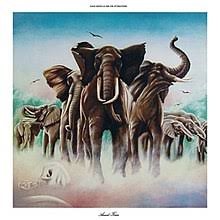
Armed Forces marks Elvis Costello’s most sonically ambitious early album. Keyboard-driven and meticulously arranged, it softened the punk aggression slightly while deepening the emotional and political complexity. Oliver’s Army became his biggest UK hit. Yet, beneath its polished pop surface, the album seethes with Cold War anxiety and romantic disappointment. Elvis Costello pushed The Attractions into new sonic territory here. Furthermore, the keyboard textures — courtesy of Steve Nieve — gave the record a grandeur entirely new to his catalogue. Consequently, Armed Forces appealed to a wider audience without compromising artistic integrity. The “Radio Soul!” tour regularly opens with material from this period. Audiences respond with the kind of recognition reserved for songs that have genuinely shaped their lives.
Get Happy!! (1980)
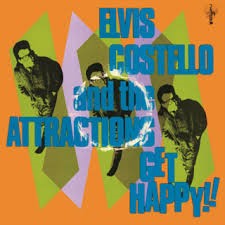
A radical left turn, Get Happy!! saw Elvis Costello immerse himself in American soul and R&B. Twenty tracks arrived in rapid-fire succession, all compressed and urgent. Songs like Opportunity and High Fidelity blurred Stax-influenced grooves with Costello’s distinctly British lyrical perspective. Notably, the album emerged from a turbulent personal period following a widely reported incident on a US tour. However, rather than retreating, Elvis Costello channelled the fallout into one of his most creatively explosive records. The sheer density of great songs here is remarkable. Additionally, the rhythm section drove everything with muscular precision. Forty-five years on, Get Happy!! still sounds genuinely exciting — a record that refuses to sit still.
Trust (1981)
Often overlooked amid the classics surrounding it, Trust rewards close attention. Elvis Costello delivered a more measured, melancholy record here — less frenetic than its predecessors. Songs like Clubland and Different Finger showed a songwriter exploring emotional ambiguity with real maturity. Furthermore, the arrangements felt more spacious, allowing each song room to breathe. Elvis Costello demonstrated here that he could write tenderness as convincingly as he wrote fury. The production remained crisp and propulsive. Additionally, Trust contains some of his most underrated vocal performances. Consequently, fans who dig beneath the surface of his catalogue invariably return to this record with fresh appreciation. It is quietly one of his finest achievements.
Almost Blue (1981)
Almost Blue surprised everyone. Elvis Costello, a New Wave figurehead, recorded an album of classic country covers in Nashville. Songs by Hank Williams, Merle Haggard, and George Jones filled the tracklist. Purists from both camps were suspicious. However, the record revealed the depth of Costello’s musical knowledge and emotional range. Furthermore, producer Billy Sherrill — a Nashville legend — brought authenticity to every track. Elvis Costello sang with genuine feeling, avoiding any hint of pastiche. Sweet Dreams in particular demonstrated his ability to inhabit a song completely. Additionally, the album opened critical conversations about genre boundaries that continue today. It remains one of the most genuinely surprising records in his catalogue.
Imperial Bedroom (1982)
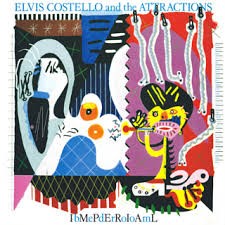
Imperial Bedroom is widely regarded as Elvis Costello’s masterpiece. Produced by Geoff Emerick — the engineer behind several Beatles classics — the album stretched his songwriting to new extremes. Orchestral arrangements, intricate harmonies, and complex chord progressions sat alongside raw emotional confession. Songs like Beyond Belief and Man Out of Time achieved a grandeur matched by very few rock records. Moreover, Elvis Costello wrote with a literary density here that invited repeated listening. Each song revealed new layers over time. Consequently, critics who initially struggled with its complexity later elevated it to the top of his canon. Additionally, the album demonstrated that pop songwriting could be genuinely ambitious. Essential — in every sense.
Punch the Clock (1983)
Punch the Clock embraced a more commercial, horn-driven sound. Elvis Costello and the Attractions worked with producers Clive Langer and Alan Winstanley, who brought pop sheen and brass arrangements to the sessions. Everyday I Write the Book became his biggest US hit. Furthermore, TKO Horns added muscle and momentum to the grooves. However, some critics found the album too polished compared to earlier work. Elvis Costello himself has expressed ambivalence about it over the years. Nevertheless, the songwriting remained strong throughout. Additionally, the record performed well commercially, expanding his audience significantly. Taken on its own terms — as a confident, well-crafted pop album — it delivers consistently.
Goodbye Cruel World (1984)
Elvis Costello himself famously called Goodbye Cruel World his worst album. The mid-1980s production values — big drums, glossy keyboards — have dated poorly. However, dismissing it entirely would be unfair. Songs like The Comedians and Inch by Inch contain genuine quality beneath the production excess. Furthermore, Elvis Costello was clearly wrestling with creative uncertainty during this period. The album sounds like an artist temporarily losing confidence in his own instincts. Consequently, the sessions were reportedly unhappy. Nevertheless, understanding where Costello had been helps explain where he went next. King of America, released just two years later, represented a stunning creative renaissance. Goodbye Cruel World is the necessary low before that high.
King of America (1986)
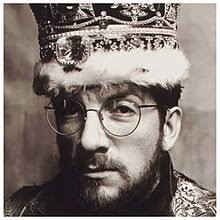
Released under the name “The Costello Show,” King of America marked a remarkable creative revival. Elvis Costello stripped away the Attractions — for the most part — and recorded in Los Angeles with a cast of exceptional session musicians. The result was rootsy, warm, and emotionally direct. Songs like Brilliant Mistake and Indoor Fireworks stand among his very finest. Furthermore, T Bone Burnett produced with sensitivity and restraint. Elvis Costello sounded liberated here — free of the band dynamic that had grown complicated. Additionally, the album reconnected him with American roots music in a way that felt entirely natural. Consequently, critical opinion shifted strongly back in his favour. A genuine turning point.
Blood & Chocolate (1986)
A fierce, raw farewell to the classic Attractions era, Blood & Chocolate crackled with barely controlled aggression. Elvis Costello and Nick Lowe stripped the production back to basics. The result was deliberately rough — almost confrontational in its lo-fi intensity. I Want You — a nine-minute monologue of obsessive jealousy — stands as one of the most extraordinary things he has ever recorded. Furthermore, Tokyo Storm Warning attacked Thatcherite England with unstoppable fury. Elvis Costello sounded genuinely dangerous here, perhaps for the last time. Additionally, the album served as a definitive full stop on his most celebrated period. Consequently, it holds an almost mythological status among devotees. Brutal, brilliant, and utterly essential.
The Eclectic Era: Warner Bros & Beyond (1989–1996)
Spike (1989)

Spike announced Elvis Costello’s Warner Bros era with considerable ambition. Working with a wide array of collaborators — including Paul McCartney and T Bone Burnett — he constructed a sprawling, genre-defying record. Veronica, co-written with McCartney, became a global hit. Furthermore, the album ranged freely across Celtic folk, orchestral pop, political satire, and tender balladry. Elvis Costello sounded invigorated — creatively unleashed after the tense final Attractions years. Additionally, the production was rich without being smothering. Consequently, Spike won him considerable new admirers. Not every track fully landed, but the album’s ambition and variety made it genuinely exciting. A bold, confident reset.
Mighty Like a Rose (1991)
Deeper and darker than Spike, Mighty Like a Rose pushed Elvis Costello’s experimental tendencies further. The arrangements were denser, the politics sharper, and the emotional register more fraught. Songs like Hurry Down Doomsday and Couldn’t Call It Unexpected No. 4 challenged listeners deliberately. Furthermore, Marc Ribot’s guitar work added abrasive, dissonant textures throughout. Elvis Costello seemed uninterested in commercial accessibility here. Additionally, the album divided critics sharply at the time. Consequently, it remains one of the more difficult entries in his catalogue. However, patient listeners find real rewards buried within its density. It is the sound of an artist testing limits — his own as much as the listener’s.
The Juliet Letters (1993)
The Juliet Letters remains one of the most genuinely unusual projects in Elvis Costello’s career. Conceived with the Brodsky Quartet — a classical string ensemble — the album explored a song cycle based on letters written to the fictional Juliet of Shakespeare’s play. Furthermore, the blending of Costello’s pop instincts with classical string writing produced something genuinely unique. Elvis Costello stretched his vocal range and compositional ambitions simultaneously. Additionally, the project demonstrated his seriousness as a composer rather than simply a songwriter. Consequently, it attracted classical music listeners who had never previously engaged with his work. Not every song fully succeeded, but the ambition and execution were remarkable throughout.
Brutal Youth (1994)
The Attractions reunited — and the result was electrifying. Brutal Youth sounded like Elvis Costello had rediscovered his appetite for speed and noise. Songs like 13 Steps Lead Down and Kinder Murder crackled with the energy of the early records. Furthermore, the album avoided mere nostalgia — it genuinely felt vital and present. Elvis Costello wrote with renewed ferocity here, pairing sharp melodic instincts with biting lyrical precision. Additionally, the band played with the tightness of musicians who had spent years in the same room. Consequently, Brutal Youth delighted long-term fans who had grown impatient with the experimental wanderings. It remains one of the strongest records of his later career.
Kojak Variety (1995)
Kojak Variety collected eclectic cover versions that Elvis Costello had gathered over many years. Songs by Bob Dylan, Screamin’ Jay Hawkins, and others shared space across the tracklist. Furthermore, the album offered an illuminating window into his musical obsessions and influences. Elvis Costello brought genuine interpretive intelligence to each track. Additionally, the record demonstrated the breadth of his listening — far beyond what casual observers might expect. Consequently, it functions as both entertainment and cultural document. Critics received it warmly, though it inevitably attracted less attention than original-material records. It remains an enjoyable, revealing listen — a favourite among fans curious about the music that shaped him.
All This Useless Beauty (1996)
All This Useless Beauty closed the Warner Bros chapter with considerable grace. Several songs here had been written for — or offered to — other artists, including June Tabor and Roger McGuinn. Furthermore, the album carried a reflective, slightly autumnal quality that suited the mid-career moment perfectly. Elvis Costello delivered some of his most quietly devastating writing. Songs like It’s Time and the title track achieved emotional depth without melodrama. Additionally, the production — crisp and understated — served the material beautifully. Elvis Costello seemed at peace here, at least momentarily. Consequently, it remains a deeply underrated record. For fans willing to spend time with it, the rewards are considerable.
Collaborations & Experiments (1998–2006)
Painted From Memory (1998) (with Burt Bacharach)
The collaboration between Elvis Costello and Burt Bacharach produced something genuinely magical. Together, the pair created an album of new songs in the classic Bacharach style — sophisticated, melancholy, and impeccably crafted. God Give Me Strength set the tone magnificently. Furthermore, the partnership made complete musical sense: both men shared a commitment to melody, craft, and emotional precision. Elvis Costello rose to the occasion with some of his most beautifully restrained vocal performances. Additionally, Bacharach’s orchestrations were sumptuous without ever becoming excessive. Consequently, the album won Grammy Awards and introduced Costello to a significant new audience. It remains a high point in both men’s catalogues.
For the Stars (2001) (with Anne Sofie von Otter)
For the Stars paired Elvis Costello with Swedish mezzo-soprano Anne Sofie von Otter for a collection of art song interpretations and originals. The album ranged across ABBA, Burt Bacharach, Elvis himself, and original collaborations. Furthermore, the pairing challenged preconceptions from both classical and rock audiences. Elvis Costello demonstrated genuine vocal sensitivity alongside von Otter’s immaculate technique. Additionally, the project showed his ongoing commitment to working outside genre comfort zones. Consequently, it attracted admiring reviews in both classical and rock press. Not an obvious entry point for casual listeners, but for the curious and open-minded, it offered a genuinely enriching experience.
North (2003)
North was Elvis Costello’s most intimate and exposed record in years. Composed following his marriage to Diana Krall, the album explored love, vulnerability, and domestic tenderness through jazz-inflected ballads. Furthermore, the arrangements were deliberately spare — piano, bass, and voice carrying most of the emotional weight. Elvis Costello sang with quiet conviction throughout. Songs like You Left Me in the Dark demonstrated his ability to write melodies of genuine beauty. Additionally, the album’s brevity gave it focus and impact. Consequently, it connected deeply with listeners who had followed his personal journey. Some critics found it slight; devoted fans considered it quietly essential.
The Delivery Man (2004)
The Delivery Man brought Elvis Costello back to roots music with considerable conviction. Set partly in a fictional American South, the album blended country, soul, and rock with genuine authority. Furthermore, guest vocals from Emmylou Harris and Lucinda Williams added atmosphere and credibility. Elvis Costello wrote a loose narrative across the tracklist — a quality that gave the record unusual cohesion. Songs like Button My Lip crackled with energy. Additionally, the production — warm and direct — suited the material perfectly. Consequently, the album earned strong reviews and stands as one of his more fully realised later works. Fans of roots music who have not yet explored it are missing a treat.
Il Sogno (2004)
Il Sogno represented Elvis Costello’s most ambitious compositional statement. Written as a ballet score based on Shakespeare’s A Midsummer Night’s Dream, the work was commissioned by the Maggio Musicale Fiorentino. Furthermore, the National Philharmonic Orchestra of Italy performed and recorded the piece under the baton of Michael Tilson Thomas. Elvis Costello demonstrated genuine orchestral compositional skill here — far removed from rock songwriting. Additionally, the work received respectful reviews in the classical press. Consequently, it expanded critical understanding of his creative range significantly. Not casual listening — but for those interested in Costello as composer rather than simply songwriter, Il Sogno is a remarkable and rewarding document.
The River in Reverse (2006) (with Allen Toussaint)
The River in Reverse emerged from the aftermath of Hurricane Katrina as a tribute to New Orleans and its musical heritage. Elvis Costello and the legendary Allen Toussaint combined their considerable talents in service of a deeply felt cultural statement. Furthermore, the record blended New Orleans R&B, gospel, and soul with Costello’s characteristic lyrical intelligence. Elvis Costello sounded genuinely moved throughout — this was clearly a project of personal importance. Songs like Freedom for the Stallion carried real emotional weight. Additionally, Toussaint’s piano playing and arrangements gave the album an authentic New Orleans character. Consequently, it stands as both a musical success and a meaningful act of cultural solidarity.
The Imposters & Modern Era (2002–2024)
When I Was Cruel (2002)
When I Was Cruel introduced The Imposters — the band that has remained Costello’s primary live unit. The album itself was angular, looping, and deliberately strange. Elvis Costello built tracks around drum machines and found sounds, creating textures unlike anything in his previous work. Furthermore, songs like Dust 2… and 45 caught critics genuinely off guard. Elvis Costello sounded energised by the unfamiliar sonic palette. Additionally, the record suggested he was far from creatively complacent. Consequently, critics who had drifted away reconnected with his work. Not immediately accessible, but persistently fascinating — the kind of record that reveals its pleasures slowly.
Momofuku (2008)
Momofuku was famously recorded in five days — and sounds exactly that urgent. Elvis Costello and The Imposters played fast and loose, producing one of the most energetic records of his later career. Songs like Turpentine and Flutter and Wow bristled with noise and momentum. Furthermore, the album’s speed of creation gave it a spontaneous, almost live quality. Elvis Costello seemed to be enjoying himself enormously. Additionally, the decision to release it quietly — initially vinyl-only — gave it an appropriately underground feel. Consequently, it became a fan favourite despite modest commercial attention. Proof that Elvis Costello, well into his career, could still generate genuine rock excitement.
Secret, Profane & Sugarcane (2009)
Returning to the acoustic Americana territory of King of America, Elvis Costello recorded Secret, Profane & Sugarcane live in the studio with a bluegrass and country ensemble. The result felt fresh and unhurried. Songs like She Handed Me a Mirror carried genuine emotional warmth. Furthermore, producer T Bone Burnett — reuniting with Costello after many years — brought his customary ear for space and texture. Elvis Costello’s voice sounded relaxed and confident throughout. Additionally, the album’s brevity — under forty minutes — kept it focused. Consequently, it earned warm reviews as a quiet, satisfying companion piece to his roots music explorations. Modest in ambition, but genuinely lovely.
National Ransom (2010)
National Ransom was Elvis Costello’s most lyrically ambitious album in years. Sprawling and eclectic, it blended country, swing, jazz, and folk across seventeen tracks. Furthermore, the political and economic themes — written against the backdrop of the financial crisis — gave the album real topical weight. Elvis Costello packed the lyrics with historical references and linguistic invention. Additionally, the arrangements — full of horns, strings, and acoustic textures — were rich without feeling excessive. Consequently, critics praised its ambition if not always its focus. It rewarded patient listening considerably. Not his most accessible record, but among his most intellectually stimulating — a feast for devoted fans.
Wise Up Ghost (2013) (with The Roots)
Few collaborations in recent music history seemed as unlikely — or worked as well. Elvis Costello joined forces with The Roots, the Philadelphia hip-hop collective and house band of The Tonight Show. The result was a dense, rhythmically complex album that challenged listeners from both camps. Furthermore, The Roots’ layered production gave Elvis Costello’s voice new sonic contexts to inhabit. Songs like Walk Us Uptown and Refuse to Be Saved landed with genuine force. Additionally, the collaboration demonstrated Costello’s willingness to subordinate his instincts to a shared aesthetic. Elvis Costello sounded invigorated by the challenge. Consequently, Wise Up Ghost stands as one of the more genuinely surprising achievements of his later career.
Look Now (2018)
Look Now was a triumphant return to melodic sophistication. Working with Carole King, Burt Bacharach, and Sebastiano Dessanay as co-writers on various tracks, Elvis Costello produced his most accessible album in years. Songs like Unwanted Number and Photographs Can Lie shimmered with warm, crafted pop. Furthermore, the album carried special emotional resonance — Costello had overcome a serious cancer diagnosis in the intervening years. Elvis Costello sounded genuinely grateful and energised. Additionally, the production — sympathetic and clear — allowed the songwriting to shine. Consequently, Look Now earned some of the strongest reviews of his career’s second half. An album that felt earned in every sense.
Hey Clockface (2020)
Recorded across multiple cities and released during the COVID-19 pandemic, Hey Clockface embraced fragmentation and experimentalism. Elvis Costello worked with jazz musicians in Helsinki and Paris, creating something genuinely unusual. Furthermore, the album’s disjointed nature reflected its chaotic creation conditions. Songs shifted between spoken word, jazz improvisation, and melodic pop without obvious logic. Elvis Costello seemed to revel in the lack of structure. Additionally, the record featured some of his most inventive writing in years. Consequently, critics divided sharply — some found it fascinating, others frustrating. Time may prove it visionary. Either way, Elvis Costello remained defiantly unwilling to repeat himself.
The Boy Named If (2022)
The Boy Named If arrived with surprising force and energy. Elvis Costello and The Imposters delivered a tight, melodically rich album that recalled the urgency of his classic period. Songs like Magnificent Hurt and Farewell OK demonstrated a songwriter still generating ideas at pace. Furthermore, the album’s central character — “If,” a figure of adolescent imagination and regret — gave the record unusual conceptual coherence. Elvis Costello wrote with real emotional directness here. Additionally, the production was punchy and immediate. Consequently, the album attracted strong reviews across the board. Long-term fans called it one of his finest records in decades — a judgment that seems increasingly difficult to dispute.
The Songs of Bacharach & Costello (2023)
The Songs of Bacharach & Costello revisited the legendary partnership with new material and orchestral reimaginings. Elvis Costello delivered definitive versions of songs from Painted From Memory alongside new collaborations. Furthermore, the album paid tribute to Bacharach — who died in February 2023 — with genuine warmth and affection. Elvis Costello sounded moved throughout, singing with the weight of real loss. Additionally, the orchestral arrangements were sumptuous and fitting. Consequently, the album served as both celebration and elegy. For fans of the original collaboration, it offered both revisitation and discovery. A fitting tribute to one of the twentieth century’s greatest songwriting partnerships.
The Coward Brothers (2024) (with T Bone Burnett)
Elvis Costello and T Bone Burnett revived their fictional country alter egos — The Coward Brothers — for this playful and emotionally rich album. Acoustic in texture and warm in tone, the record drew on Americana, country, and folk traditions. Furthermore, the playfulness of the conceit freed both men to write with relaxed charm. Songs unspooled with the ease of old friends enjoying themselves. Elvis Costello brought lyrical wit and melodic elegance to every track. Additionally, Burnett’s production placed the voices front and centre, where they belonged. Consequently, the album earned affectionate reviews as a late-career gem. It sounds like two masters comfortable in their craft — and in each other’s company.
Nearly five decades in, Elvis Costello shows no sign of creative exhaustion. From the furious three-chord urgency of My Aim Is True to the orchestral sweep of Il Sogno, from Nashville honky-tonks to Parisian jazz clubs, he has followed his curiosity without compromise. His “Radio Soul!: The Early Songs” tour, currently running across the UK and Europe, is a reminder that those first records — sharp, funny, furious, and heartbroken — genuinely changed what pop music could be. But so, in their own ways, did the records that came after. No other artist of his generation has ranged so widely while maintaining such consistent quality of craft. Whether you start at 1977 or work your way backwards from 2024, one thing is certain: the Elvis Costello catalogue is one of the great adventures in modern music. Begin anywhere. You will not regret it.