
Few acts in popular music history have matched the commercial dominance of Herb Alpert and the Tijuana Brass. Between 1962 and the early 1970s, they sold over 72 million records worldwide. Their signature sound — bright trumpets, bouncy rhythms, and sun-drenched melodies — defined an era of easy listening. This guide covers every studio album, ranked and reviewed, so you can explore the full catalogue with confidence.
Before We Dive In: The Big Questions Answered
Was the Tijuana Brass a real Mexican band?
Not exactly. Herb Alpert drew his inspiration from a bullfight he attended in Tijuana, where the energy of the crowd and the mariachi music sparked something in him. However, Herb Alpert and the Tijuana Brass was made up almost entirely of American session musicians — many drawn from the legendary Wrecking Crew, the elite group of LA studio players behind countless hits of the era. Later, a touring band of Los Angeles-based musicians joined the live outfit. The “Tijuana” in the name was always more of a sonic concept than a geographic reality. It was a brilliantly marketed idea that captured a mood — colourful, festive, and irresistibly fun — rather than a statement of cultural origin. The music blended mariachi flavour with jazz, pop, and easy listening in a way that felt both exotic and immediately accessible to mainstream American audiences.
What is Herb Alpert’s most famous song?
That depends on who you ask, but a few titles consistently rise to the top. “The Lonely Bull” launched the band into the public consciousness in 1962. “A Taste of Honey” earned a Grammy for Record of the Year in 1966. “Spanish Flea” became one of the most recognisable instrumental themes on television. Yet arguably the defining moment came in 1968, when Herb Alpert and the Tijuana Brass stepped into new territory with “This Guy’s in Love with You.” Written by Burt Bacharach and Hal David, it became Alpert’s first vocal performance to reach number one on the Billboard Hot 100. It demonstrated that the band’s appeal extended well beyond their instrumental identity, and it remains a touchstone of late-1960s pop.
How many albums did Herb Alpert have in the Top 10 at once?
This is where the story becomes truly remarkable. In 1966, Herb Alpert and the Tijuana Brass achieved something no act had done before — they placed four albums simultaneously in the Billboard Top 10. Whipped Cream & Other Delights, Going Places, What Now My Love, and S.R.O. all charted at the same time. To put that in perspective, this feat even outpaced The Beatles during that same period. It remains one of the most extraordinary commercial achievements in recorded music history, and it underlines just how dominant the band was at their commercial peak.


Every Album, Reviewed
The Lonely Bull (1962)
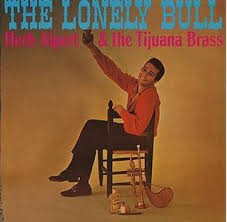
The Lonely Bull marked the debut of Herb Alpert and the Tijuana Brass, and it arrived with immediate impact. The title track — built from overdubbed trumpets and crowd noise Alpert had actually recorded at a Mexican bullfight — captured something genuinely fresh. It reached number six on the Billboard Hot 100, an extraordinary debut for an instrumental. Additionally, the album introduced listeners to a sound that was neither pure jazz nor pure pop, but something warmly in between. Alpert recorded much of this album in his garage, famously overdubbing his own trumpet parts to create the illusion of a full brass section. The approach was inventive and gave the record a layered, lush quality that stood out on radio. Furthermore, the production style — warm, punchy, and melodic — would define the band’s identity for the next decade. The cover art, though modest by later standards, hinted at the sun-soaked aesthetic the band would perfect. Beyond the title track, cuts like “Desafinado” and “Limbo Rock” demonstrated versatility early on. Consequently, Herb Alpert and the Tijuana Brass didn’t simply stumble onto a formula — they built one from scratch. This album remains essential listening for anyone tracing the roots of one of the most commercially successful acts of the 1960s.
Herb Alpert’s Tijuana Brass Vol. 2 (1963)
The sophomore release kept the momentum firmly alive. Herb Alpert and the Tijuana Brass returned with a confident second instalment that expanded on the debut’s playful energy. “The Great Manolete,” a tribute to the legendary Spanish bullfighter, added a dramatic sweep that showed Alpert’s growing confidence as an arranger. Moreover, the album leaned further into the Latin-inflected brass sound that was quickly becoming the band’s calling card. Alpert’s trumpet playing throughout is assured and expressive, carrying melodies with a lightness that never felt forced. The rhythms, too, were tighter and more infectious — drawing from cha-cha, mambo, and bossa nova influences without feeling like imitation. Consequently, the record appealed to listeners who wanted something upbeat but sophisticated. The album also benefited from improved production clarity, giving the brass arrangements more room to breathe. Additionally, Vol. 2 helped solidify the band’s reputation as consistent hitmakers rather than one-album wonders. For collectors, this record offers a compelling snapshot of Herb Alpert and the Tijuana Brass finding their stride before their commercial peak. It may lack the iconic moments of later releases, yet it is a polished and thoroughly enjoyable listen throughout.
South of the Border (1964)
By 1964, Herb Alpert and the Tijuana Brass had developed a confident sonic identity, and South of the Border showed them putting it to excellent use. The album’s highlight, a lively rendering of “The Girl from Ipanema,” captured the bossa nova craze sweeping popular music at the time. Furthermore, “Mexican Shuffle” became a fan favourite and later gained unlikely immortality as the theme for a Frito-Lay commercial — embedding the band’s sound into American cultural memory. Alpert’s arrangements throughout this record are polished and inventive, finding clever ways to reinterpret familiar melodies through the band’s signature brass lens. Additionally, the production had grown noticeably more refined, with each instrument sitting clearly in the mix. The album demonstrated that Herb Alpert and the Tijuana Brass could absorb outside influences — bossa nova, pop standards, Latin dance rhythms — without losing their own distinctive voice. The result is a warm, endlessly listenable record that moves effortlessly between moods. South of the Border is perhaps underrated in the band’s catalogue, often overshadowed by the blockbuster releases that followed. Nevertheless, it is an important stepping stone — the moment the band’s craft fully caught up with their ambition.
Whipped Cream & Other Delights (1965)
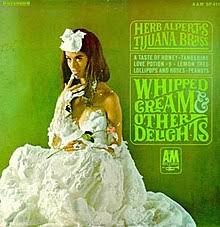
This is the album that changed everything. Whipped Cream & Other Delights became one of the best-selling albums of the entire decade, and Herb Alpert and the Tijuana Brass earned their iconic status here. “A Taste of Honey” won the Grammy for Record of the Year in 1966 — a stunning achievement for an instrumental performance. Moreover, the album’s cover became arguably the most recognisable in pop history. Model Dolores Erickson, dressed only in whipped cream and a strategically placed flower, stared out from record store shelves across America. The image was playful, suggestive, and utterly unforgettable — a visual masterstroke that drove sales as powerfully as any radio hit. Consequently, the album sat at number one for eight consecutive weeks. Beyond the art, the music is superb. The arrangements are tighter and more inventive than anything the band had done before. Additionally, the sequencing flows beautifully from track to track. Herb Alpert and the Tijuana Brass had, by this point, refined their sound to a near-perfect degree. The sheer joy in the playing is palpable throughout, and the album holds up brilliantly more than six decades after its release. This one is essential.
Going Places (1965)
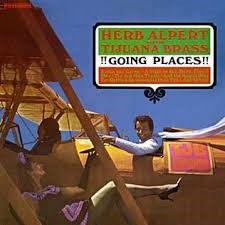
Released in the same year as Whipped Cream, Going Places demonstrated the extraordinary productivity of Herb Alpert and the Tijuana Brass at their creative peak. “Spanish Flea” emerged as one of the most beloved instrumentals in American pop — later gaining a second life as the theme for The Dating Game. Additionally, “Tijuana Taxi,” with its infectious taxi-horn rhythm, became an enduring favourite in the band’s live set. The album sustains the bright, breezy energy that made Whipped Cream such a phenomenon. Furthermore, Alpert’s arrangements here are particularly inventive — finding space for humour and warmth within tightly constructed brass charts. The rhythm section drives each track with a bounce that makes passive listening nearly impossible. Notably, this was the record that helped push Herb Alpert and the Tijuana Brass into their unprecedented feat of holding four Top 10 albums simultaneously in 1966. Consequently, Going Places is sometimes underappreciated relative to its predecessor, yet the songwriting and execution are every bit as strong. For those new to the catalogue, this record sits alongside Whipped Cream as the definitive entry point. It is, in every sense, the sound of a band at the height of its powers.
What Now My Love (1966)
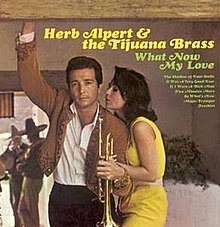
What Now My Love arrived at the crest of the band’s commercial wave, and it delivered magnificently. Herb Alpert and the Tijuana Brass hit number one with this record, holding the top spot for nine consecutive weeks. The title track — drawn from a French chanson — was transformed into a sweeping, orchestrated showpiece that highlighted Alpert’s growing ambitions as an arranger. Moreover, the album ventured beyond the pure Latin-pop formula of earlier records, incorporating broader orchestral textures and more emotional depth. Additionally, the band’s playing had never sounded more assured. The interplay between Alpert’s lead trumpet and the rhythm section feels effortless throughout. Consequently, critics who had occasionally dismissed the band as novelty merchants found themselves confronting a genuinely accomplished body of work. Furthermore, the album’s chart success — concurrent with three other Top 10 records — underlined a commercial dominance that remains virtually unmatched in pop history. Herb Alpert and the Tijuana Brass were, at this moment, the biggest-selling act in the world. What Now My Love captures them at the precise peak of that dominance, delivering a record that is both instantly accessible and surprisingly sophisticated.
S.R.O. (1966)
The title says it all. S.R.O. — Standing Room Only — was Herb Alpert and the Tijuana Brass at full commercial velocity. Released in the same extraordinary year as What Now My Love, this album contributed to the band’s historic four-simultaneous-Top-10-albums achievement. Moreover, it showcased a slightly looser, more playful side of the band — one that clearly relished performing and pushed hard against any notion of formula. Alpert’s trumpet leads throughout are warm and conversational, carrying even familiar material with fresh energy. Additionally, the rhythm arrangements feel buoyant and alive, suggesting a band that genuinely enjoyed what they were doing. The album moved through a range of moods — from swinging and jovial to tender and atmospheric — demonstrating notable range. Furthermore, the production quality remained impeccably high, with Alpert and arranger Bob Alcivar maintaining the crisp, punchy sonic identity the band had established. Consequently, S.R.O. stands as a fine example of Herb Alpert and the Tijuana Brass at their most confident and commercially dominant. It may not contain a single defining hit, yet the consistency across the record is remarkable. As a document of a band hitting its absolute stride, it is thoroughly satisfying.
Sounds Like (1967)
By 1967, cultural currents were shifting fast, and Herb Alpert and the Tijuana Brass responded with one of their most eclectic records. Sounds Like included a version of the theme from Casino Royale — one of the era’s great spy-spoof anthems — which fitted the band’s brass-led playfulness perfectly. Moreover, the album reached number one and demonstrated that the band could hold their audience even as rock music began claiming cultural dominance. Alpert’s arrangements on this record feel broader and more cinematic in scope than on previous releases. Additionally, there are moments of real elegance here — particularly in the slower, more atmospheric cuts that showed the band’s softer, more contemplative side. The Casino Royale theme, however, remains the album’s centrepiece: brash, witty, and irresistibly fun. Consequently, Sounds Like works both as a commercial crowd-pleaser and as a subtle evolution of the Herb Alpert and the Tijuana Brass sound. Furthermore, the album’s stylistic variety prevented the band from feeling stuck in their own formula. For listeners who know only the band’s biggest hits, Sounds Like offers a rewarding deeper dive.
Herb Alpert’s Ninth (1967)
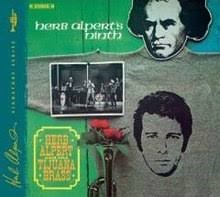
The name is the joke — and the band were clearly in on it. Herb Alpert’s Ninth playfully references Beethoven’s Ninth Symphony, and Herb Alpert and the Tijuana Brass delivered a record that balanced self-awareness with genuine musical quality. The centrepiece arrangement of “Carmen” — Bizet’s opera refracted through the band’s trademark brass lens — is bold and genuinely impressive. Moreover, Alpert’s willingness to tackle classical material showed real confidence in the band’s musical identity. Additionally, the album maintained the high production standards fans had come to expect, with crisp arrangements and Alpert’s trumpet sounding particularly assured. The more playful tracks provide welcome levity alongside the grander ambitions. Consequently, this record occupies a curious, undervalued position in the catalogue — often overlooked in favour of the blockbuster years, yet genuinely worthy of attention. Furthermore, Herb Alpert and the Tijuana Brass demonstrated here that they were more than a singles machine. For listeners willing to look beyond the greatest hits, Herb Alpert’s Ninth is a pleasantly surprising find.
The Beat of the Brass (1968)
The Beat of the Brass marked a defining turning point. Herb Alpert and the Tijuana Brass stepped into new territory when Alpert sang lead vocals on “This Guy’s in Love with You” — a Burt Bacharach and Hal David composition of quiet brilliance. The performance was tender, understated, and utterly convincing, carrying the song to number one on the Billboard Hot 100. Moreover, the success proved that Alpert’s appeal extended far beyond his trumpet. The album itself provided an excellent showcase for the full range of the band’s talents. Additionally, the title track brought Alpert’s brass arrangements into dialogue with a grittier, funkier groove than the band had previously explored. The album accompanied a highly successful television special of the same name, further cementing the band’s cultural reach. Consequently, The Beat of the Brass remains one of the most significant records Herb Alpert and the Tijuana Brass ever made — a moment where commercial instinct and artistic risk converged brilliantly. Furthermore, the album’s variety — ranging from the gentle vocal ballad to driving brass instrumentals — makes it one of the most fully rounded entries in the catalogue.
Christmas Album (1968)
Few holiday albums have demonstrated the longevity of this one. The Herb Alpert and the Tijuana Brass Christmas Album transformed familiar seasonal standards into bright, sun-drenched brass arrangements that felt genuinely fresh. Moreover, the band’s signature sound — warm, playful, and impeccably produced — turned out to be a perfect match for Christmas material. Alpert’s trumpet carries “My Favourite Things” and “Jingle Bells” with the same effortless charm he brought to the band’s pop recordings. Additionally, the album has remained a perennial holiday favourite, finding new listeners with every generation. Consequently, it stands as one of the most enduring entries in the entire catalogue. The production is crisp and joyful throughout, and the arrangements avoid the overwrought bombast that sinks many festive records. Furthermore, the album demonstrates just how adaptable the Herb Alpert and the Tijuana Brass sound truly was — capable of transforming virtually any material into something unmistakably their own. For casual listeners, this may well be the most-played album in the collection. It is seasonal, yes — but it is also just very good.
Warm (1969)
Warm signalled a genuine shift in direction. Herb Alpert and the Tijuana Brass moved away from the bright, energetic Latin-pop of their peak years toward something considerably more reflective. Brazilian influences — particularly bossa nova and samba — filtered more deeply into the arrangements, lending the record a languid, late-evening quality. Moreover, Alpert’s trumpet playing adopted a more introspective tone, lingering over melodies with a patience that contrasted sharply with earlier recordings. Additionally, the rhythm section stepped back, allowing the harmonics and melodic lines to carry more weight. Consequently, Warm divided opinion — some fans missed the irresistible bounce of the band’s commercial peak, while others welcomed the greater sophistication. Furthermore, the album suggested that Herb Alpert and the Tijuana Brass were artists willing to evolve even at the cost of commercial certainty. The title is accurate: this is genuinely warm music, unhurried and intimate. As an artistic statement, Warm holds up better with each passing decade, rewarding attentive listening with considerable depth.
The Brass Are Comin’ (1969)
The Brass Are Comin’ arrived alongside a highly popular television special, and the two combined to sustain the band’s remarkable public profile into the new decade. Herb Alpert and the Tijuana Brass delivered a record that bridged the reflective mood of Warm with the more extrovert energy of their commercial peak years. Moreover, the TV special brought the band’s visual and sonic identity to millions of households, introducing a new generation of listeners to their sound. Additionally, Alpert’s arrangements on this record showed continued experimentation — incorporating more rhythmic variety and broader dynamic range than the band had previously explored. Consequently, the album represented a confident creative statement from a group unwilling to simply repeat previous successes. Furthermore, Herb Alpert and the Tijuana Brass demonstrated throughout this record that their live energy translated powerfully to studio recordings. The playing is tight, joyful, and occasionally adventurous. While the album is perhaps not the band’s most celebrated, it is a thoroughly rewarding listen — and an important document of a band in thoughtful transition.
Summertime (1971)
By 1971, the musical landscape had changed beyond recognition. Herb Alpert and the Tijuana Brass responded with Summertime — a record that acknowledged the new era while remaining true to the band’s core identity. A cover of “Jerusalem” provided one of the album’s most striking moments, demonstrating Alpert’s willingness to tackle material far outside the band’s typical repertoire. Moreover, the arrangements throughout show a more expansive, orchestrated approach than the tightly wound pop-brass of the peak years. Additionally, the production had evolved with the times — warmer and richer in texture, with greater use of studio space. Consequently, Summertime is a somewhat underappreciated album in the Herb Alpert and the Tijuana Brass catalogue, carrying a melancholy beauty that rewards patient listening. Furthermore, the title track itself is lovely — one of the most quietly accomplished performances the band committed to record. As a transitional album, it bridges the late-1960s band and the changing cultural moment with genuine elegance. Listeners willing to follow the band beyond their commercial zenith will find much to appreciate here.
You Smile – The Song Begins (1974)
After a period of relative quiet, Herb Alpert and the Tijuana Brass returned with what amounted to a reunion statement. You Smile – The Song Begins reintroduced the band to audiences who had grown up with the classic albums, offering a warm and polished return to their signature sound. Moreover, Alpert’s trumpet remained as distinctive and expressive as ever — a instantly recognisable voice in popular music even after years away from the spotlight. Additionally, the arrangements struck a careful balance between the band’s established identity and the production sensibilities of the mid-1970s. Consequently, long-term fans found the return satisfying without feeling like a hollow nostalgia exercise. Furthermore, the album demonstrated that Herb Alpert and the Tijuana Brass retained genuine creative vitality even in a changed musical environment. The playing is warm and accomplished throughout, and several tracks recall the easy charm of the band’s peak years. As a comeback record, it is impressively assured — the work of musicians who had nothing to prove but chose to create anyway.
Coney Island (1975)
Coney Island pushed Herb Alpert and the Tijuana Brass firmly into jazz-fusion territory. The album borrowed from the funk-inflected jazz sounds that dominated the mid-1970s, blending them with Alpert’s signature melodic sensibility. Moreover, the rhythmic complexity of the arrangements marked a clear step away from the accessible pop of the band’s commercial peak. Additionally, Alpert’s trumpet playing took on a more exploratory quality here — probing harmonics and extended phrases that felt genuinely adventurous. Consequently, Coney Island is among the most musically ambitious records the band produced. Furthermore, Herb Alpert and the Tijuana Brass demonstrated considerable flexibility by engaging seriously with the jazz-fusion movement rather than dismissing it as a passing trend. The album may have puzzled listeners expecting breezy Latin brass, but it rewards open-minded engagement with some of the band’s most inventive playing. As a creative statement from a group refusing to stand still, Coney Island earns genuine admiration. It remains an underexplored corner of a richly varied catalogue.
Bullish (1984)
After a lengthy absence, Herb Alpert and the Tijuana Brass returned in 1984 with Bullish — a record that embraced the sound of its era with striking boldness. Synthesisers, drum machines, and the polished sheen of 1980s pop production replaced the organic warmth of the classic albums. Moreover, Alpert’s trumpet remained at the centre of the arrangements, providing continuity with the band’s earlier identity even as the sonic context changed dramatically. Additionally, “Keep Your Eye on Me” — a later solo hit closely associated with this period — demonstrated that Alpert retained a sharp instinct for contemporary pop appeal. Consequently, Bullish divides listeners: purists tend to find the production jarring, while those open to the 1980s aesthetic discover a confident and energetic album. Furthermore, Herb Alpert and the Tijuana Brass showed considerable courage in reinventing their sound rather than retreating to safe nostalgia. The album is a fascinating cultural document — a classic act grappling sincerely with a transformed musical landscape. Whatever its limitations, Bullish is never less than interesting.
The catalogue of Herb Alpert and the Tijuana Brass is richer, broader, and more varied than casual listeners might expect. From the garage-recorded debut to the jazz-fusion experiments of the mid-1970s, and the bold 1980s reinvention, the band consistently refused to stand still. Their commercial dominance in the 1960s was extraordinary — but the music itself holds up on its own terms, independent of any chart statistics. Whether you begin with the iconic Whipped Cream & Other Delights or dive straight into the underrated Warm, you will find a body of work crafted with genuine care, remarkable musicianship, and a lightness of touch that never loses its appeal. These albums represent not just a snapshot of their era, but a genuinely enduring contribution to popular music.