
Explore the complete story of Duran Duran, from early new wave breakthroughs to modern reinvention. This definitive guide covers every studio album, key milestones, and the band’s lasting impact on pop music.
Key Insights About Duran Duran
Is Duran Duran touring in 2026?
Yes, Duran Duran will tour in 2026, highlighted by an exclusive residency at Fontainebleau Las Vegas. This high-profile run blends classic hits with newer material, showing their continued global appeal.
What is Duran Duran’s most successful album?
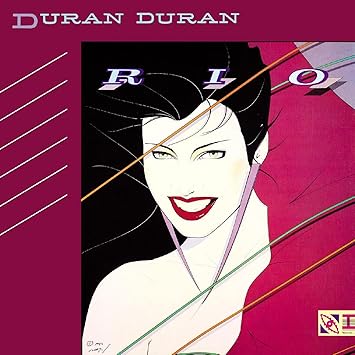
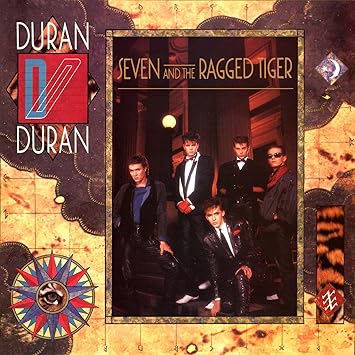
Critically and culturally, Rio (1982) stands as the most iconic Duran Duran album. However, Seven and the Ragged Tiger (1983) delivered their first UK number one album, marking a key commercial milestone.

Are the original members still together?
The core lineup of Duran Duran remains active, including Simon Le Bon, Nick Rhodes, John Taylor, and Roger Taylor. Andy Taylor contributes occasionally while managing ongoing health challenges.
How many albums has Duran Duran released?
As of 2026, Duran Duran has released 16 studio albums, showing remarkable longevity and evolution.
Duran Duran (1981)
Duran Duran launched their debut album Duran Duran (1981) with urgency and style. From the start, Duran Duran fused post-punk energy with emerging synth-pop textures. As a result, the band quickly stood out in the crowded early 1980s scene. Songs like “Girls on Film” and “Planet Earth” drove early success and defined their visual identity.
Moreover, Duran Duran used striking music videos to expand their reach beyond radio. Consequently, MTV exposure pushed the band into international recognition. The album’s production balances raw edge with polished pop appeal. Therefore, it captures a band still developing but already confident in direction.
Although later releases achieved greater scale, this debut remains essential. It introduced Duran Duran’s blend of fashion, rhythm, and melody. Furthermore, it laid the groundwork for their global breakthrough. Even today, listeners revisit this album to understand the roots of Duran Duran’s sound and influence.
Rio (1982)
Duran Duran reached new heights with Rio (1982), widely seen as their defining album. From the opening tracks, Duran Duran delivered sharper hooks and richer production. As a result, the album achieved massive international success.
Singles like “Hungry Like the Wolf” helped Duran Duran dominate MTV and global charts. Meanwhile, the band refined their mix of new wave, pop, and dance rhythms. Consequently, Rio became a blueprint for 1980s pop music.
The album’s bright tone and tight songwriting still resonate with audiences today. Furthermore, Duran Duran used strong visuals to reinforce their brand worldwide. Because of this, Rio became more than an album; it became a cultural moment.
Although the band evolved in later years, Rio remains their most iconic release. It captures Duran Duran at peak creativity and commercial power. For many fans, this album defines the essence of Duran Duran.
Seven and the Ragged Tiger (1983)
Duran Duran followed success with Seven and the Ragged Tiger (1983), aiming for global dominance. From the outset, Duran Duran pushed for a bigger and more polished sound. As a result, the album topped the UK charts.
Tracks like “The Reflex” helped Duran Duran secure major commercial success. Meanwhile, the production leaned heavily into rhythm and studio refinement. Consequently, the band expanded their mainstream appeal.
However, the album reflects the pressures of rapid fame. Even so, Duran Duran maintained strong songwriting and energy. Therefore, the record still connects with fans worldwide.
Although some critics noted overproduction, the album delivered clear results. It strengthened Duran Duran’s global presence and fanbase. Today, it stands as a key moment in their rise to superstardom.
Notorious (1986)
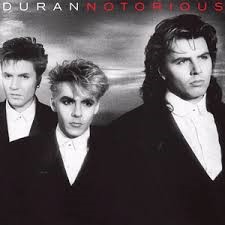
Duran Duran entered a new phase with Notorious (1986) after lineup changes. At this stage, Duran Duran focused on a tighter and more mature sound. As a result, they collaborated with Nile Rodgers to reshape their direction.
The title track “Notorious” introduced a funk-driven approach for Duran Duran. Meanwhile, the album explored groove and rhythm over synth-heavy arrangements. Consequently, it marked a clear stylistic shift.
Although the lineup changed, Duran Duran proved their resilience. Furthermore, the band embraced evolution rather than repetition. Because of this, Notorious gained strong commercial traction.
Even today, listeners view the album as a bold transition. It shows how Duran Duran adapted to changing musical trends. Ultimately, Notorious reinforced their ability to remain relevant.
Big Thing (1988)
Duran Duran experimented further on Big Thing (1988), blending dance and alternative influences. At this point, Duran Duran embraced emerging club sounds and electronic textures. As a result, the album feels more experimental.
Songs like “I Don’t Want Your Love” highlight Duran Duran’s evolving style. Meanwhile, the band explored darker and more atmospheric tones. Consequently, the album divides opinion among fans.
However, Duran Duran showed clear ambition during this period. Even so, not every experiment resonated commercially. Therefore, the album achieved moderate success rather than dominance.
Today, Big Thing offers insight into Duran Duran’s willingness to take risks. It reflects a band searching for a new identity in a shifting music landscape.
Liberty (1990)
Duran Duran released Liberty (1990) during a challenging phase in their career. At this time, Duran Duran struggled to maintain earlier momentum. As a result, the album received a mixed response.
Although tracks like “Violence of Summer” gained attention, Duran Duran lacked consistent impact. Meanwhile, the production leaned toward mainstream rock influences. Consequently, the album felt less distinctive.
Even so, Duran Duran continued to refine their songwriting approach. Therefore, Liberty still holds value within their discography.
Today, many fans revisit Liberty as a transitional release. It captures Duran Duran navigating industry changes and shifting tastes. While not a major success, it remains an important chapter.
Duran Duran (The Wedding Album) (1993)
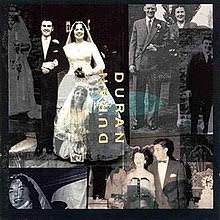
Duran Duran returned strongly with The Wedding Album (1993). At this stage, Duran Duran reconnected with audiences through emotional songwriting. As a result, the album became a major comeback.
Hits like “Ordinary World” reintroduced Duran Duran to global charts. Meanwhile, the band embraced a more mature and reflective tone. Consequently, critics responded positively.
Because of its success, Duran Duran regained mainstream relevance. Furthermore, the album attracted a new generation of listeners.
Today, this release stands as one of Duran Duran’s most important works. It proves their ability to evolve while maintaining identity.
Thank You (1995)
Duran Duran took a different approach with Thank You (1995), a covers album. At this point, Duran Duran paid tribute to artists who influenced them. As a result, the album features varied interpretations.
While versions of “White Lines” gained attention, Duran Duran received mixed reviews. Meanwhile, the album sparked debate among fans. Consequently, its reception remained divided.
Even so, Duran Duran demonstrated respect for musical heritage. Therefore, Thank You remains a unique entry in their catalogue.
Today, it offers insight into Duran Duran’s influences and creative choices.
Medazzaland (1997)
Duran Duran explored darker territory with Medazzaland (1997). During this era, Duran Duran embraced experimental and alternative sounds. As a result, the album feels less commercial.
Tracks like “Electric Barbarella” show Duran Duran adapting to late-90s trends. Meanwhile, the band pushed boundaries with production. Consequently, the album found a niche audience.
Although it lacked mainstream success, Duran Duran showed creative courage. Therefore, Medazzaland remains an interesting evolution.
Today, fans often revisit it as an underrated release.
Pop Trash (2000)
Duran Duran continued experimentation with Pop Trash (2000). At this stage, Duran Duran combined electronic sounds with pop elements. As a result, the album feels modern for its time.
However, Duran Duran struggled to achieve strong commercial impact. Meanwhile, changing industry trends affected visibility. Consequently, the album remained under the radar.
Even so, Duran Duran maintained creative consistency. Therefore, Pop Trash still appeals to dedicated fans.
Today, it represents persistence during a difficult period.
Astronaut (2004)
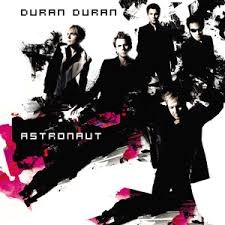
Duran Duran reunited their original lineup on Astronaut (2004). At this moment, Duran Duran capitalised on nostalgia and renewed energy. As a result, the album gained strong attention.
Tracks like “What Happens Tomorrow” reconnected Duran Duran with fans. Meanwhile, the band balanced classic and modern sounds. Consequently, reviews were positive.
Because of this reunion, Duran Duran regained momentum. Furthermore, the album marked a fresh chapter.
Today, Astronaut stands as a successful comeback effort.
Red Carpet Massacre (2007)
Duran Duran collaborated with Justin Timberlake and Timbaland on Red Carpet Massacre (2007). During this phase, Duran Duran pursued a contemporary pop direction. As a result, the album reflects late-2000s trends.
Although the collaborations brought attention, Duran Duran divided opinion. Meanwhile, fans debated the shift in style. Consequently, reception remained mixed.
Even so, Duran Duran showed willingness to evolve. Therefore, the album highlights adaptability.
Today, it stands as a bold but polarising release.
All You Need Is Now (2010)
Duran Duran regained focus with All You Need Is Now (2010). Working with Mark Ronson, Duran Duran revisited their classic sound. As a result, the album feels both nostalgic and fresh.
Songs like “Girl Panic!” highlight Duran Duran’s renewed energy. Meanwhile, critics praised the return to form. Consequently, the album achieved strong reception.
Because of this, Duran Duran strengthened their legacy. Furthermore, they connected with both old and new fans.
Today, it remains a standout modern release.
Paper Gods (2015)
Duran Duran embraced modern pop on Paper Gods (2015). At this stage, Duran Duran collaborated with contemporary artists. As a result, the album blends electronic and pop influences.
Tracks like “Pressure Off” show Duran Duran adapting to current trends. Meanwhile, the production feels polished and current. Consequently, the album reached a wide audience.
Even so, Duran Duran retained their core identity. Therefore, Paper Gods balances innovation and familiarity.
Today, it reflects their ability to stay relevant.
Future Past (2021)
Duran Duran delivered a refined sound with Future Past (2021). During this release, Duran Duran collaborated with Graham Coxon. As a result, the album features layered production.
Songs like “Invisible” highlight Duran Duran’s modern direction. Meanwhile, the band maintained strong songwriting. Consequently, critics responded positively.
Because of this, Duran Duran continued their late-career success. Furthermore, the album attracted new listeners.
Today, it stands as a confident modern statement.
Danse Macabre (2023)
Duran Duran explored darker themes with Danse Macabre (2023). At this stage, Duran Duran created a Halloween-inspired project. As a result, the album blends originals with covers.
The concept allowed Duran Duran to experiment creatively. Meanwhile, the atmosphere feels theatrical and bold. Consequently, the album stands out in their catalogue.
Even so, Duran Duran maintained strong musical identity. Therefore, Danse Macabre offers a unique listening experience.
Today, it shows their willingness to take creative risks.
Duran Duran continues to evolve while maintaining a distinct identity. From early new wave classics to modern releases, Duran Duran has shaped pop music across decades. This complete guide highlights their consistency, creativity, and lasting global influence.