

Radiohead remain one of the most influential bands in modern UK music. Since the early 1990s, they have shaped alternative rock and experimental music. Their ability to evolve keeps them relevant in 2026. While many bands repeat formulas, Radiohead constantly challenge expectations. As a result, their catalogue feels fresh even decades later.
Moreover, their influence stretches beyond albums into culture and technology. From bold release strategies to genre shifts, they continue to lead. Meanwhile, side projects like The Smile show ongoing creative momentum. Additionally, Ed O’Brien adds new depth with his recent solo work.
This guide explores Radiohead albums reviewed with fresh insight, not repetition. Each album shows why the band still matters today.
Most Asked Questions About Radiohead
When is Radiohead’s next tour?
Ed O’Brien confirmed the band plans to tour one continent per year starting in 2027.
What is considered Radiohead’s best album?
Fans usually debate between OK Computer, Kid A, and In Rainbows. Each represents a different creative peak.
Are Radiohead making a new album?
As of March 2026, Jonny Greenwood says there are no immediate plans. However, the band remains active.
Why did Radiohead change their sound after The Bends?
They wanted to escape guitar-driven limits. Therefore, Kid A introduced electronic textures and abstract songwriting.
Pablo Honey (1993)
Radiohead albums reviewed often begin with Pablo Honey, their raw debut. While critics sometimes dismiss it, the album captures early ambition. It leans heavily on grunge influences, yet hints at future direction.
However, “Creep” changed everything for the band. Its success brought attention but also frustration. As a result, Radiohead felt boxed into a single identity. Still, Pablo Honey offers insight into their origins.
Musically, the album stays direct and guitar-driven. Nevertheless, subtle emotional depth appears across several tracks. Therefore, listeners can hear the seeds of later evolution.
In many Radiohead albums reviewed discussions, this record ranks lowest. Yet it remains historically important. Without it, the band’s later risks might never exist.
Hot Take: Pablo Honey works best as a document of pressure, not perfection.
Best Song for a Rainy Day: “Creep” still resonates during reflective moments.
The Bends (1995)

Radiohead albums reviewed frequently highlight The Bends as a turning point. The band refined their sound with stronger songwriting and clearer identity. Consequently, this album elevated them beyond one-hit-wonder status.
Unlike their debut, The Bends blends emotion with precision. Songs feel structured yet deeply personal. Moreover, Thom Yorke’s vocals carry more control and vulnerability.
Guitar work dominates, but subtle textures emerge. Therefore, the album bridges traditional rock and future experimentation. Many fans consider it a high point for 90s alternative rock.
In Radiohead albums reviewed rankings, The Bends often earns praise for consistency. However, it also signals a band ready to move forward. That tension defines its lasting appeal.
Hot Take: The Bends represents their best pure rock album, even if later work feels more daring.
Best Song for a Rainy Day: “Fake Plastic Trees” captures quiet emotional release.
OK Computer (1997)

Radiohead albums reviewed rarely avoid placing OK Computer near the top. The album explores isolation, technology, and modern anxiety. As a result, it feels even more relevant today.
Sonically, the band expanded beyond standard rock structures. Layers of sound create a detailed listening experience. Meanwhile, lyrics reflect a growing distrust of modern systems.
Critics and fans widely praise this album. Therefore, it often appears in greatest albums lists. Its influence reaches far beyond alternative rock.
Within Radiohead albums reviewed discussions, OK Computer often defines their legacy. However, its success also pushed the band toward radical change. That shift led directly to Kid A.
Hot Take: Its reputation remains deserved, but its emotional tone feels colder than later albums.
Best Song for a Rainy Day: “No Surprises” offers calm within quiet tension.
Kid A (2000)
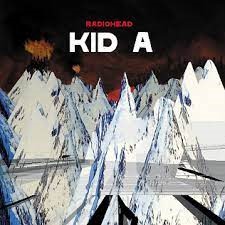
Radiohead albums reviewed consistently mark Kid A as their boldest move. Instead of repeating success, the band embraced uncertainty. Consequently, they introduced electronic, ambient, and jazz influences.
This shift confused many listeners at first. However, critics soon recognised its ambition. Over time, Kid A gained widespread acclaim.
The album avoids traditional song structures. Therefore, it creates a more immersive listening experience. Each track feels like part of a larger atmosphere.
In Radiohead albums reviewed debates, Kid A often rivals OK Computer for the top spot. Its risk-taking defines its importance.
Hot Take: Kid A matters more for its influence than its immediate accessibility.
Best Song for a Rainy Day: “Everything in Its Right Place” sets a reflective mood.
Amnesiac (2001)

Radiohead albums reviewed often pair Amnesiac with Kid A. Both albums came from the same sessions. However, Amnesiac feels darker and more fragmented.
The band leans further into jazz and experimental sounds. As a result, the album feels less cohesive but more unpredictable.
Listeners often debate its place in the discography. Nevertheless, it rewards repeated listens. Each track reveals new layers over time.
In Radiohead albums reviewed rankings, Amnesiac sometimes sits in the middle. Still, its uniqueness strengthens the overall catalogue.
Hot Take: Amnesiac works best as a companion piece rather than a standalone classic.
Best Song for a Rainy Day: “Pyramid Song” delivers a haunting atmosphere.
Hail to the Thief (2003)
Radiohead albums reviewed discussions often describe Hail to the Thief as a hybrid. The band combines electronic elements with guitar-driven tracks. Therefore, it feels like a bridge between eras.
Politically, the album reflects early 2000s tensions. Lyrics address power, fear, and control. As a result, it carries a sharper edge.
The album’s length sometimes divides opinion. However, its variety keeps it engaging.
In Radiohead albums reviewed lists, it rarely ranks at the very top. Still, it offers a broad view of their capabilities.
Hot Take: The album would rank higher with a shorter tracklist.
Best Song for a Rainy Day: “There There” balances rhythm with emotion.
In Rainbows (2007)
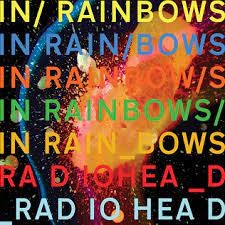
Radiohead albums reviewed frequently celebrate In Rainbows for its balance. The band combines experimentation with emotional clarity. Consequently, it appeals to both casual and dedicated listeners.
Its release strategy also changed the industry. The pay-what-you-want model challenged traditional distribution.
Musically, the album feels warm and direct. Therefore, it contrasts with the colder tone of earlier work.
In Radiohead albums reviewed rankings, In Rainbows often competes for the top position. Its accessibility strengthens its appeal.
Hot Take: In Rainbows offers the most complete Radiohead experience.
Best Song for a Rainy Day: “Reckoner” creates a calm, reflective mood.
The King of Limbs (2011)
Radiohead albums reviewed often place The King of Limbs as their most rhythmic album. The band focuses on loops and repetition. As a result, it feels hypnotic and structured.
Nature themes influence the album’s tone. Therefore, it creates a unique atmosphere within their catalogue.
Some listeners find it less immediate. However, its subtle complexity rewards patience.
In Radiohead albums reviewed conversations, it divides opinion. Still, it shows continued experimentation.
Hot Take: This album works better as a full listen than individual tracks.
Best Song for a Rainy Day: “Codex” offers quiet introspection.
A Moon Shaped Pool (2016)
Radiohead albums reviewed discussions often highlight A Moon Shaped Pool as their most emotional release. The band uses orchestral arrangements to create depth.
Themes of loss and reflection shape the album. Therefore, it feels deeply personal.
Jonny Greenwood’s arrangements play a major role. As a result, the album sounds rich and layered.
In Radiohead albums reviewed rankings, it stands as a strong late-career statement. It proves the band still evolves.
Hot Take: This album feels like a quiet farewell, even if the band continues.
Best Song for a Rainy Day: “Daydreaming” suits reflective moments perfectly.
Radiohead’s catalogue shows constant evolution and risk-taking. From grunge beginnings to electronic exploration, they never repeat themselves. Therefore, Radiohead albums reviewed continue to attract new listeners.
Even in 2026, their influence remains clear. Side projects like The Smile and Ed O’Brien’s work extend their legacy.
While fans still debate the best album, the full discography tells a bigger story. Ultimately, Radiohead matter because they challenge both themselves and their audience.