

So, what exactly is a DAC? Think of a Digital-to-Analog Converter as a translator for your sound. It takes the digital code of ones and zeroes from your device and turns it into the smooth, continuous analogue waves your speakers and headphones need to make music.
The Bridge Between Digital Files and Analogue Sound
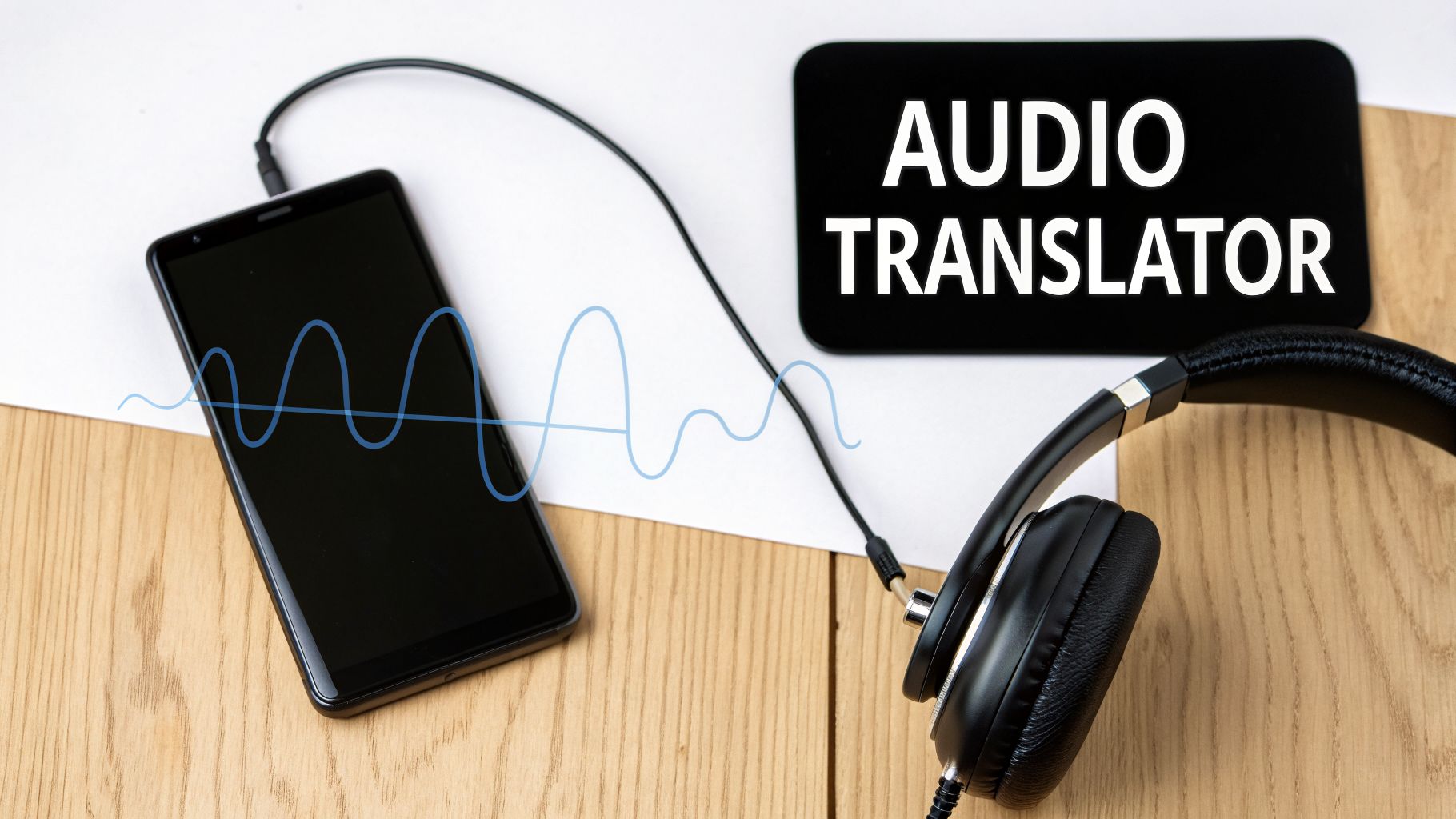
Every track on your phone, laptop, or DJ controller—whether it’s a high-res FLAC file or a stream from Spotify—is just a string of digital data. But your ears don’t hear in binary. They hear sound as analogue waves moving through the air. The DAC is the crucial piece of hardware that connects those two worlds.
Without a DAC, all your digital music would stay locked away as silent information. This translation happens constantly inside every device that plays audio, from your smartphone to your professional DJ gear. A DAC is always working quietly in the background, turning digital commands into the music you actually hear.
Why the Quality of Translation Matters
Just like a skilled translator can capture the full emotion and subtlety of a story, a high-quality DAC can translate a digital audio file with far greater accuracy and soul. The DACs built into most consumer gadgets get the job done, but they’re often made on a tight budget and squeezed into a crowded, electronically noisy space. This can create a pretty sloppy translation.
This is where a dedicated, external DAC makes all the difference. It focuses on one single task—translation—and performs it away from all the electrical interference inside a laptop or phone. The result is a much cleaner, more detailed, and more honest reproduction of the original recording.
A dedicated DAC ensures the translation from digital to analogue is as clear and precise as possible. It uncovers the subtle details, dynamic shifts, and spatial depth in your music that a standard built-in converter just can’t deliver.
For anyone who cares about sound, from DJs to home listeners, understanding this process is the first step toward better audio.
- DJs at an event: A top-notch DAC guarantees every kick drum and synth line hits the crowd with maximum clarity and punch, keeping the energy on the dance floor high.
- Music enthusiasts at home: It lets you experience your favourite albums exactly as the artist and producer intended, creating a richer and more immersive soundstage.
Ultimately, the quality of your DAC is directly tied to the quality of your sound. It’s what separates audio that’s merely present from audio that’s truly powerful. This is the very foundation of high-fidelity listening.
How a DAC Turns Digital Code Into Analog Sound
To really get what a DAC does, it’s best to see how it works its magic, step by step. This isn’t just dry tech talk; it’s the journey from silent, abstract code into the rich, vibrant sound that fills a room or a pair of headphones. Understanding this is foundational for anyone serious about audio quality.
The entire conversion process comes down to turning a set of digital instructions into a physical, analogue sound wave. This all happens in a fraction of a second, but how precisely it’s done determines everything you hear. A high-quality DAC handles this task with incredible accuracy, which is vital for both professional gigs and home listening.
From Digital Blueprint to Audible Reality
First, the DAC gets the digital audio file from your source—a laptop, phone, or DJ controller. This file is basically a highly detailed instruction manual written in binary code, just a long string of 1s and 0s. Think of it as the raw, unread blueprint for a song.
Next, the DAC’s internal brain reads that blueprint. It’s looking for two key pieces of information: bit depth and sample rate. These specs are like the legend on a map, telling the DAC how much detail is in the instructions (bit depth) and how often those instructions are updated (sample rate). We’ll dig into those specs more later on.
Finally, the DAC gets to its most important job: rebuilding the sound wave. It takes all those separate digital points and essentially “connects the dots” to create a smooth, continuous analogue electrical signal. When done right, this signal is a near-perfect replica of the original sound wave captured in the recording studio.
The core purpose of a Digital-to-Analog Converter is to meticulously rebuild the original smooth analogue wave from its digital blueprint. A better DAC creates a more accurate and natural sound, free from the digital harshness that can plague lesser devices.
This process is absolutely critical in today’s music world. For a DJ spinning tracks at an event, a top-tier DAC ensures the sound stays clean and powerful, even through a massive sound system. This is reflected in the UK’s audio visual hardware sector, which brought in USD 14,369.2 million in 2023 and is set to grow even more. This shows a clear demand for high-fidelity audio, a standard we champion here at VinylGold. Read more about the UK’s growing audio hardware market and its impact.
The quality of this reconstruction directly shapes what you hear. A shoddy conversion might create a jagged, “stair-step” wave, which results in a sound that feels harsh, thin, or just lacks depth. A high-quality DAC, on the other hand, produces a fluid, natural wave, preserving the subtle textures and emotional punch of the music. For those diving into high-resolution audio, exploring the differences between file formats like FLAC and WAV can make it even clearer why this conversion quality is so important.
Decoding DAC Specifications and What They Mean
Diving into the technical specs of a DAC can feel like reading a foreign language, but those numbers tell the real story of its performance. Think of it as the difference between a blurry photo and a pin-sharp image—the details matter, and the specs tell you just how clear that final picture will be.
These aren’t just numbers for audio engineers to obsess over. They’re a direct measure of how well a DAC translates a digital file into the sound that hits your ears. For DJs, event organisers, and anyone serious about their music, understanding these specs is what separates a decent setup from a truly great one.
The process itself is simple in theory, but the quality is all in the execution. A digital file is just a stream of 1s and 0s until a DAC turns it back into a smooth, analogue wave you can actually hear.
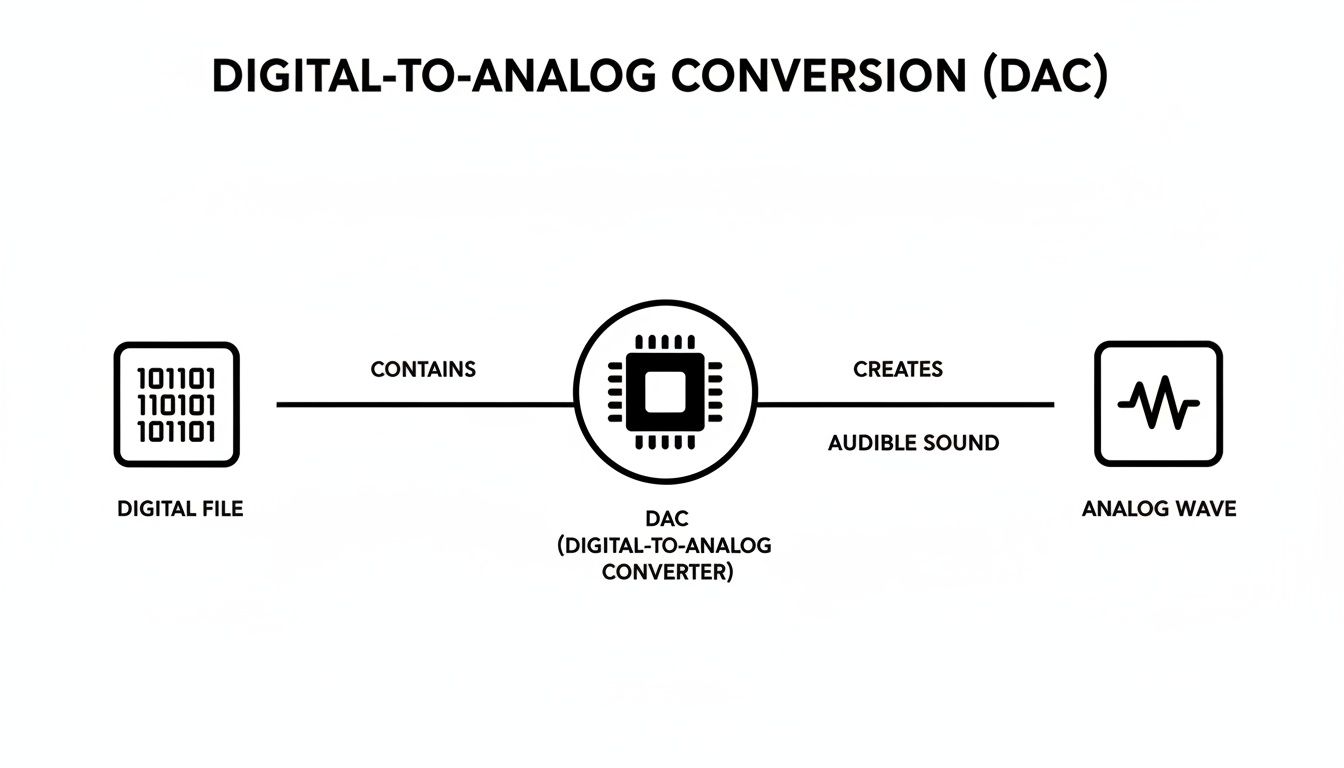
The DAC is that crucial bridge between the code and the sound. Get this part right, and you’re on your way to audio bliss. Get it wrong, and you’re losing detail before the music even reaches the amplifier.
Bit Depth and Sample Rate
Two of the biggest specs you’ll see are bit depth and sample rate. Together, they determine the fundamental resolution of your digital audio.
- Bit Depth: Imagine you’re painting a picture of a sound wave. Bit depth is how many colours you have on your palette. Standard 16-bit CD quality gives you 65,536 different “shades” to work with. That’s pretty good, but 24-bit audio gives you over 16.7 million. More bits mean more nuance, capturing the quietest whispers and the loudest crescendos with far greater accuracy.
- Sample Rate: If bit depth is your palette, sample rate is how many brushstrokes you make per second. A 44.1kHz sample rate (CD standard) means the DAC is taking 44,100 snapshots of the audio every second. Higher rates like 96kHz or 192kHz take even more, creating a smoother, more lifelike curve. It’s like the difference between a slightly jerky video and fluid, high-frame-rate motion.
For professionals like the DJs at VinylGold, these aren’t just numbers; they’re non-negotiable. The UK’s market for Digital Audio Workstations (DAWs) is set to hit USD 1.85 billion in 2025, with the commercial and live events sector making up a massive 63.47% of that. It proves just how much the industry banks on high-fidelity gear to deliver an unforgettable experience. You can dig deeper into the UK’s audio technology market and its key trends.
The Battle Against Noise and Distortion
Beyond resolution, a great DAC has to be clean. Two key specs tell you how pure the signal is.
Signal-to-Noise Ratio (SNR) measures the raw audio signal against the background hiss or hum from the electronics. A higher number, measured in decibels (dB), means a quieter background. Anything over 110dB is excellent.
A high SNR is like listening to music in a perfectly silent, soundproofed room instead of next to a humming refrigerator. It lets you hear the tiny details—the breath of a vocalist, the subtle decay of a cymbal—that get lost in a noisy signal.
Total Harmonic Distortion + Noise (THD+N), on the other hand, measures how much unwanted garbage the DAC adds to the music. It’s shown as a percentage, and lower is always better. A THD+N of 0.002% or less means the DAC is doing its job with surgical precision, keeping the sound faithful to the original recording.
To really see what a dedicated DAC brings to the table, it helps to compare the numbers side-by-side.
Built-In vs External DAC: A Specification Showdown
The DAC inside your laptop or phone is designed to be “good enough,” but “good enough” rarely cuts it for high-quality audio. Here’s how a typical built-in DAC stacks up against a proper external unit.
| Specification | Typical Built-In DAC (e.g., in a Laptop) | High-Quality External DAC |
|---|---|---|
| Bit Depth / Sample Rate | Up to 24-bit / 48kHz (often limited by software) | 24-bit / 192kHz or 32-bit / 768kHz |
| SNR (Signal-to-Noise Ratio) | ~90-95dB | 115dB – 130dB+ |
| THD+N (Distortion) | ~0.01% | <0.001% |
| Jitter | High (prone to timing errors) | Ultra-low (precise clocking) |
As you can see, the difference isn’t subtle. An external DAC delivers a signal that is fundamentally cleaner, more detailed, and far more accurate, letting you hear your music exactly as it was intended. It’s an upgrade that pays dividends in clarity and immersion, whether you’re at home or in front of a crowd.
Exploring the Different Types of DACs
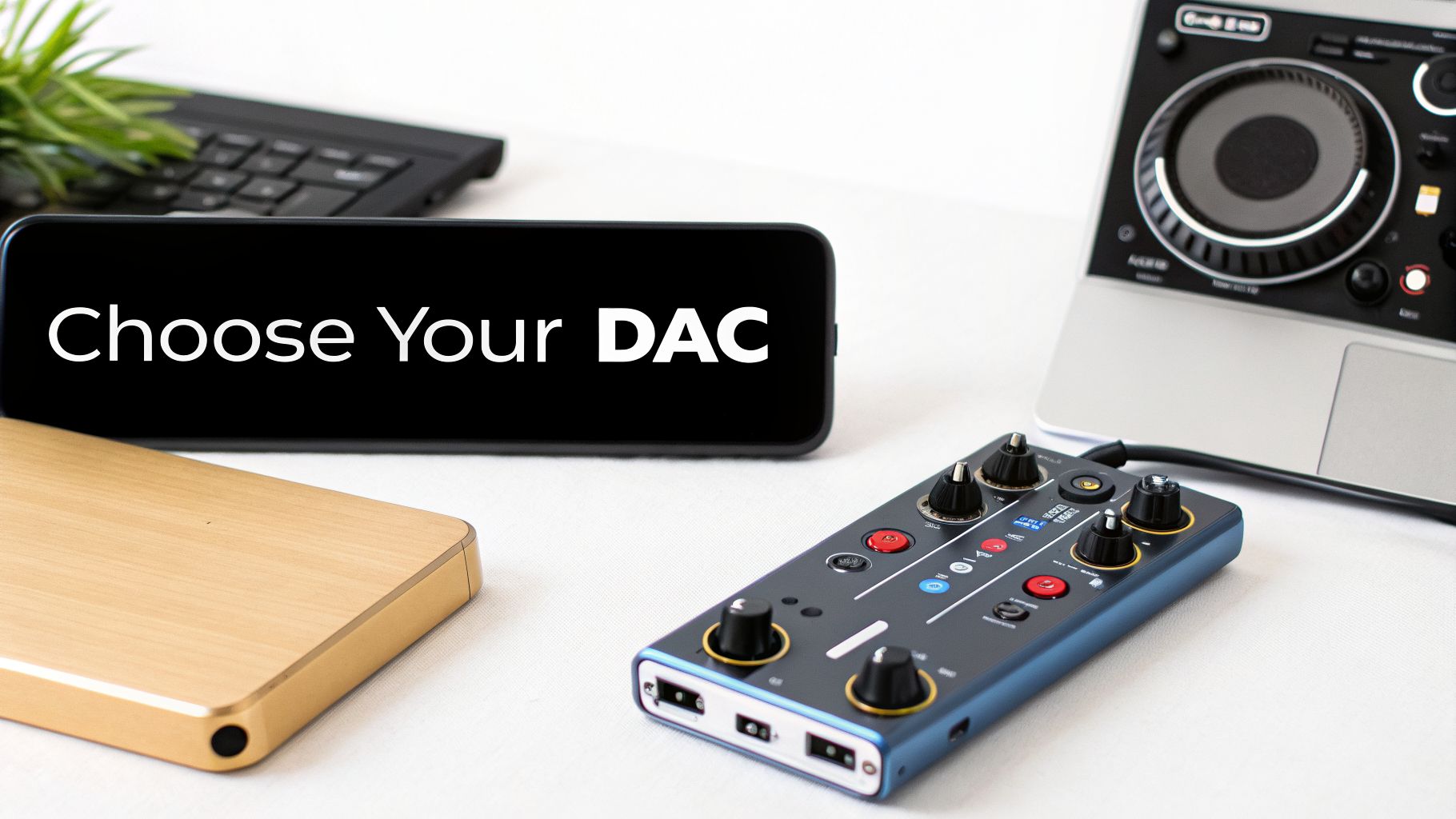
So, you’ve got a handle on the specs that separate a great DAC from a merely good one. The next question is, which one actually fits into your world? DACs aren’t a one-size-fits-all solution; they come in a few key flavours, each built with a specific listener in mind.
Your choice comes down to how and where you listen. A DJ needs something different from a home audiophile, and both have different priorities than someone just trying to get better sound from their laptop. Let’s dig into the main types and figure out which one is your perfect match.
Standalone (Desktop) DACs
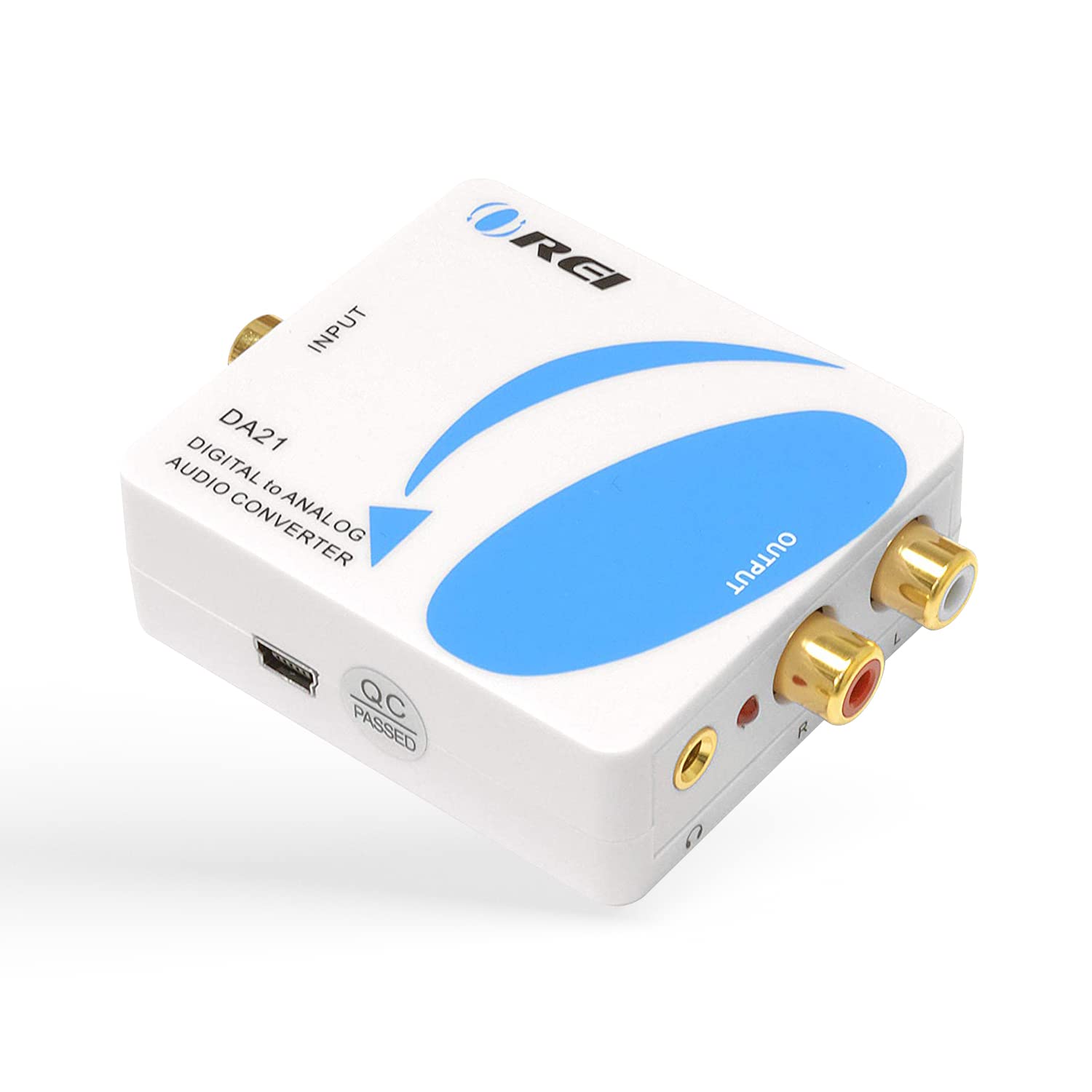
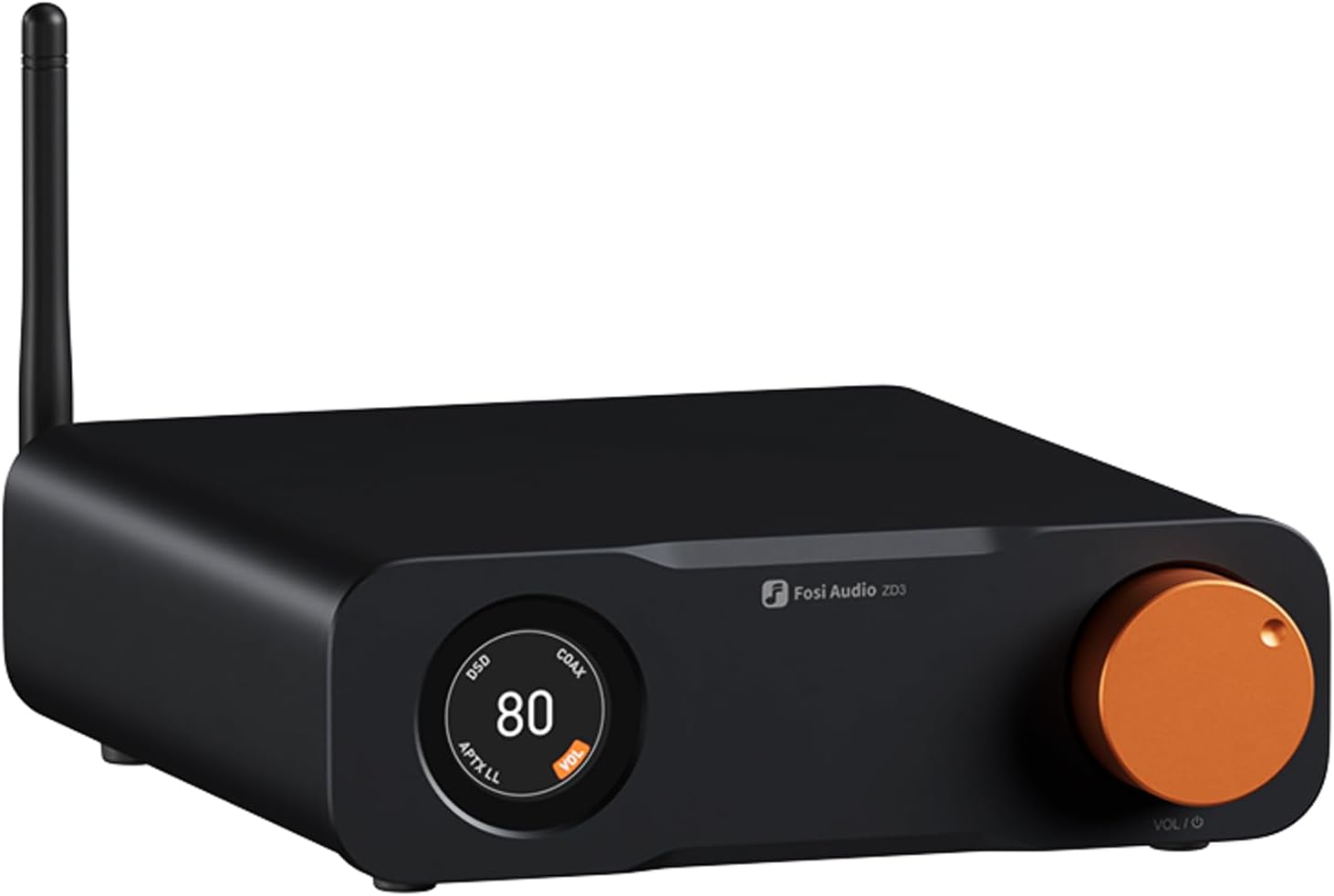
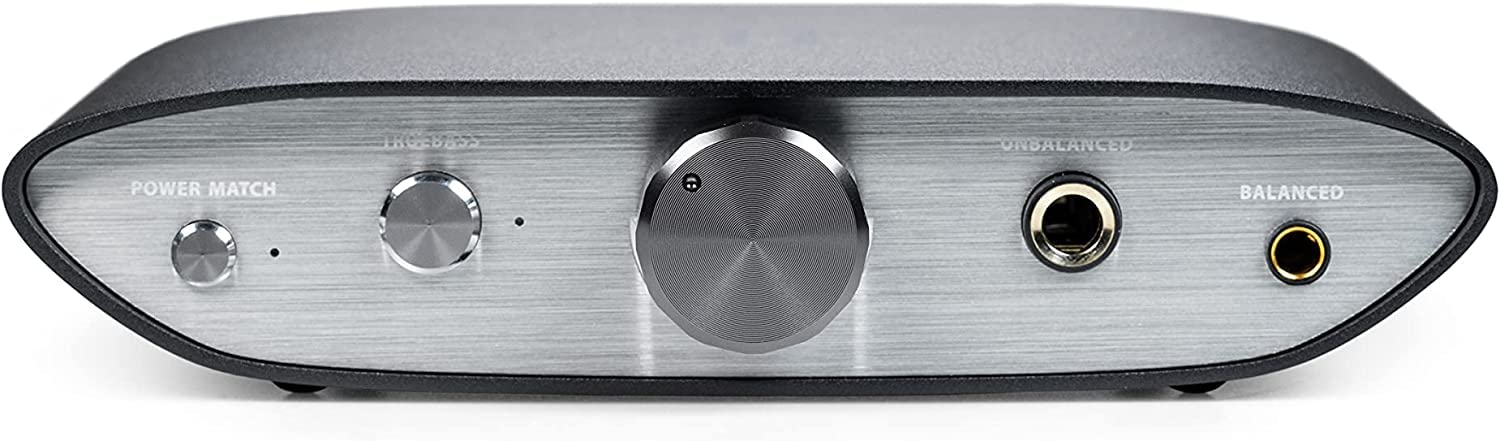
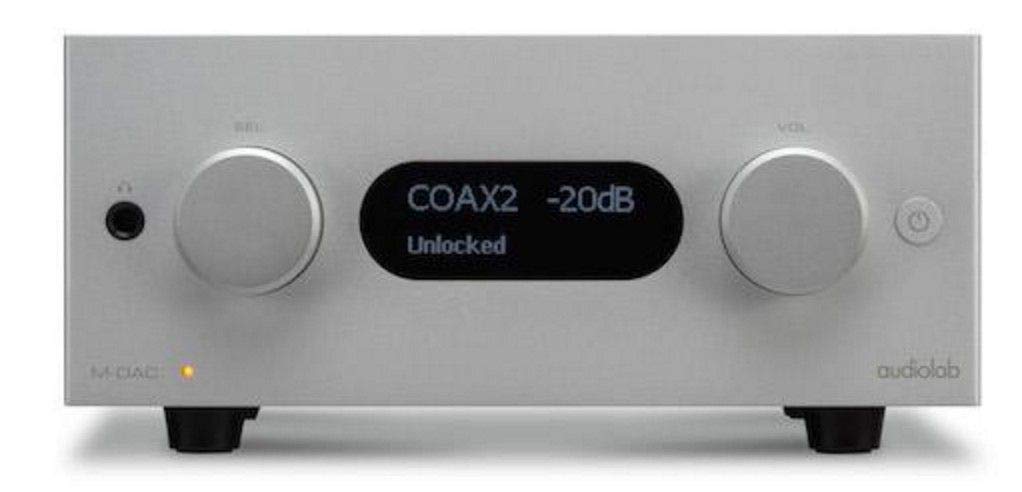
Just as the name implies, a standalone DAC is a dedicated box that does one thing and does it exceptionally well: turning digital bits into beautiful analogue sound. These units are the heart of serious home hi-fi systems and high-end desktop setups for music production or critical listening. They’re built to connect everything, offering a spread of inputs like USB, Optical, and Coaxial for your computer, streamer, or CD player.
Their real magic is in their performance. By giving the sensitive conversion circuitry its own chassis and power supply, they isolate it from the electrical noise that plagues other components. The result is an incredibly clean, detailed, and transparent sound. If you’re building a dedicated listening room or a no-compromise desktop audio system, a standalone DAC is where you start.
Portable USB DACs
A portable USB DAC is a small, often pocket-sized gadget designed to give your on-the-go audio a massive upgrade. These little powerhouses plug into your laptop’s USB port or smartphone, completely bypassing the cheap, noisy audio hardware built into your device. Many even pack a headphone amplifier to give high-quality headphones the power they need to truly sing.
These are a game-changer for a few people:
- Music lovers who want better sound from their laptop without the clutter.
- DJs who need a reliable, high-quality audio output in a super-compact form.
- Anyone working remotely who wants crystal-clear audio for calls and music.
Think of a portable DAC as a high-fidelity sound card that fits in your pocket. It’s one of the easiest and most effective upgrades you can make, turning your laptop or phone into a genuine high-resolution audio player.
Integrated DACs
An integrated DAC is a converter built directly into another piece of audio gear. You’ll find them in modern amplifiers, DJ controllers, and even some turntables. This all-in-one approach streamlines your setup, cuts down on cables, and is often the most practical choice for most people.
For instance, a professional DJ might choose a controller with a top-tier integrated DAC for a reliable, tour-ready rig. The market reflects this, with digital controllers—many containing DACs—making up 54.5% of the audio systems market. Likewise, the fact that home setups account for 37.5% of audio controller demand shows just how popular these integrated solutions have become. You can find more data on the widespread use of DAC technology in audio systems.
While a dedicated standalone unit will almost always offer superior performance, a high-end integrated DAC can still sound absolutely fantastic. This is also true for some wireless audio; for example, our guide on how to get the best sound from a Bluetooth record player explores how a DAC plays a hidden but vital role in modern wireless listening.
When You Actually Need a Dedicated DAC
So, let’s get to the real question: do you actually need one? Every device that plays sound already has a DAC built-in, so not everyone needs to rush out and buy a separate one. The truth is, it all comes down to your setup and how seriously you take your sound.
For most people, the DAC inside a phone or laptop does the job just fine. If you’re just streaming tunes through basic earbuds on the bus, a dedicated DAC won’t make a blind bit of difference. The low quality of the audio file and your headphones will mask any potential improvements anyway.
But the second you decide to step up your audio game, everything changes. A dedicated DAC stops being a luxury and becomes one of the most important parts of your chain.
The Scenarios That Demand a DAC Upgrade
An external DAC proves its worth when the built-in alternative just can’t cut it. It works by taking the delicate conversion process completely outside of the electrically “noisy” environment of your computer or phone. This separation gives you a much cleaner signal, less distortion, and music that just sounds right.
You should be thinking seriously about a DAC upgrade if you fall into any of these camps:
-
You’re a DJ or Event Organiser: When you’re pushing high-resolution audio through a professional PA system, every single flaw in your signal gets amplified. A cheap, stock DAC can introduce a nasty hiss or a flat, lifeless sound that completely sucks the energy out of a room. A quality external DAC makes sure your tracks hit with power, clarity, and the punch they were produced with.
-
You’re a Home Audiophile: If you’ve already spent good money on a great pair of speakers or high-end headphones, your device’s built-in DAC is your weakest link. It’s holding your whole system back. To hear the detail and depth hiding in your lossless files, you need a clean, powerful signal. For those chasing the best possible sound, finding the best audiophile headphones is only half the battle; you need the right DAC to make them sing.
-
You’re Building a Multi-Room System: When you’re streaming high-quality audio across several rooms, the DAC in each zone is critical for maintaining sound integrity. This is especially true for sophisticated setups like Denon HEOS multi-room audio systems, where a weak link can compromise the entire experience.
A dedicated DAC isn’t about making bad audio sound good; it’s about allowing great audio to be heard properly. It unlocks the depth, detail, and dynamic range that your device’s stock converter leaves behind.
Ultimately, figuring out if you need a DAC is about finding the bottleneck in your audio chain. If your source files are top-notch and your speakers or headphones are up to the task, the built-in DAC is almost certainly holding you back. Making the switch is one of the most noticeable and satisfying upgrades you can make.
A Few Common Questions About DACs
Alright, let’s tackle some of the most common questions people have about DACs. We’ll cut through the jargon and give you straight answers to help you figure out what you really need.
Will a DAC Actually Improve My Sound from Spotify or Apple Music?
Yes, a good DAC can make a surprising difference, even with streaming services. It can’t magically add detail that isn’t in a compressed file, but it handles the conversion from digital to analogue far more cleanly than the cheap, all-in-one chip inside your phone or laptop.
You’ll notice a cleaner background, better dynamics, and a sound that just feels more real and less “digital.” If you’re paying for a hi-res or lossless plan, a dedicated DAC is almost essential to unlock the full quality you’re subscribed to.
Is the DAC in My Laptop or Phone Really That Bad?
For casual listening on the go with basic earbuds, the built-in DAC is fine. But think about it—that tiny component is crammed onto a circuit board with hundreds of other parts, all creating electrical noise. It’s built to a budget, not for audiophile performance. That noise often translates into a subtle hiss or a flat, lifeless sound.
If you’ve invested in decent headphones or you’re plugging your laptop into a proper sound system, an external DAC is one of the single biggest upgrades you can make. It’s a night-and-day difference in clarity and depth.
What Should I Look for When Buying My First DAC?
Don’t get lost in the specs. For your first DAC, focus on what matters most for your setup: connections, format support, and your budget.
- Connections: Make sure it has the inputs you need. USB is essential for a computer, while Optical is great for a TV or games console. For the output, you’ll most likely need RCA to connect to your amp or powered speakers.
- Format Support: Look for something that can handle at least 24-bit/96kHz. That’s a fantastic starting point and covers most high-resolution audio you’ll find online.
- Reputation: You don’t have to spend a fortune. Read reviews and find a model in your price range that’s known for reliable, clean sound. A little research goes a long way.
I Have a Good Amplifier, Do I Still Need a DAC?
A DAC and an amplifier have two totally different jobs, but they work together as a team. The DAC’s job is to turn the 1s and 0s of your digital file into an analogue sound wave. The amplifier’s job is to take that tiny, weak sound wave and give it enough power to actually drive your speakers or headphones.
If your amplifier only has analogue inputs (like RCA), you absolutely need a standalone DAC to connect it to a digital source like your laptop. Some integrated amps have a DAC built-in, which is convenient, but a separate, dedicated DAC will almost always deliver better performance because it’s designed to do one job and do it perfectly.

At VinylGold, we understand that great events are built on great sound. Whether you’re planning a wedding, corporate event, or private party in London or Kent, our professional DJ services ensure the music is flawless. For the gear that makes it happen, explore our curated selection of audio equipment at https://www.vinylgold.co.uk.