
The year 1970 marked a fascinating turning point in British pop music. Moreover, it delivered some of the most iconic chart-toppers in history. From soulful ballads to feel-good anthems, the UK number one singles 1970 chart told a vivid story. Indeed, this was a year that spanned genres, generations, and genuine musical genius. Furthermore, it captured a nation in transition, moving from the turbulent sixties into a bold new decade.
Key Questions Answered
What was the biggest selling single of 1970 in the UK?
Mungo Jerry’s “In the Summertime” claimed the title of biggest selling single of 1970 in the UK. Additionally, it became one of the best-selling singles in British chart history overall. Remarkably, it sold over 500,000 copies in its first week alone. Furthermore, its infectious skiffle-influenced sound resonated deeply with a summer-hungry British public. Consequently, it remains one of the most recognisable songs of the entire decade. Among all UK number one singles 1970 produced, this one stands tallest in commercial terms.
How many weeks was “In the Summertime” at number 1?
“In the Summertime” dominated the UK charts for an impressive seven consecutive weeks. Furthermore, that run made it the longest-reigning number one of the entire year. Notably, no other single in 1970 came close to matching that staying power. Indeed, seven weeks at the summit was a remarkable achievement for a debut single. Moreover, it cemented Mungo Jerry’s place firmly in British pop history.
What was the UK Christmas Number 1 in 1970?
Dave Edmunds claimed the coveted Christmas number one spot with “I Hear You Knocking.” Furthermore, the track spent six weeks at the top, making it a dominant year-end presence. Notably, Edmunds delivered a raw, rockabilly-infused performance that captivated British listeners. Additionally, the song showcased a refreshing alternative to the polished pop dominating the charts. Consequently, it ended the year on an energetic and unexpected high note.
Which song replaced “Bridge Over Troubled Water” at the top of the UK charts?
Dana’s gentle Eurovision winner “All Kinds of Everything” replaced the Simon & Garfunkel classic. Moreover, the contrast between the two songs could not have been more striking. Consequently, Dana’s victory demonstrated the unpredictable nature of UK number one singles 1970 audiences. Indeed, her delicate Irish charm won over the British public convincingly. Furthermore, her chart success proved that Eurovision could still produce genuine pop heavyweights.
The Full Story: UK Number One Singles 1970
Rolf Harris – “Two Little Boys” (reached No.1 December 1969 | 6 weeks total)
Rolf Harris carried the final weeks of his six-week reign into the new year. Originally, the sentimental WWI ballad had captured British hearts in December 1969. Furthermore, its emotional storytelling felt entirely at odds with the rock revolution happening around it. Nevertheless, British audiences embraced it wholeheartedly, making it a genuine cultural moment. Consequently, it set a nostalgic, reflective tone as the new decade began.
Edison Lighthouse – “Love Grows (Where My Rosemary Goes)” (31 January | 5 weeks)
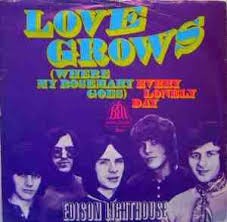
Edison Lighthouse stormed the UK number one singles 1970 chart with irresistible pop energy. Moreover, their debut single immediately became one of the year’s most joyful listens. Specifically, its warm, breezy melody felt like an instant classic from the first listen. Furthermore, five weeks at the top confirmed this was no flash in the pan. Sadly, the group never replicated this level of chart success afterwards.
Lee Marvin – “Wand’rin’ Star” (7 March | 3 weeks)
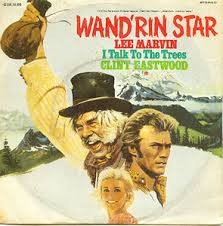
Lee Marvin delivered one of the most unlikely number ones in British chart history. Specifically, he was a Hollywood actor — not a trained or professional singer. Nevertheless, his deep, gravelly spoken-word performance on “Wand’rin’ Star” utterly captivated the British public. Furthermore, it famously denied The Beatles a number one, as “Let It Be” peaked at number two. Indeed, that extraordinary fact continues to astonish music fans more than fifty years later.
Simon & Garfunkel – “Bridge Over Troubled Water” (28 March | 3 weeks)
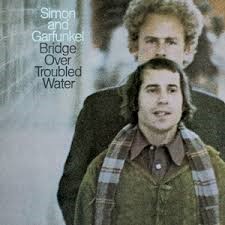
Simon & Garfunkel brought one of popular music’s greatest ever ballads to the summit. Moreover, “Bridge Over Troubled Water” felt genuinely monumental in both scale and emotion. Consequently, its three-week reign felt entirely natural and well deserved. Furthermore, Paul Simon’s songwriting and Art Garfunkel’s soaring vocal made it unforgettable. Indeed, it remains one of the defining UK number one singles 1970 produced throughout the entire year.
Dana – “All Kinds of Everything” (18 April | 2 weeks)
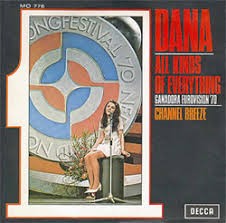
Dana brought a breath of fresh, innocent air to the UK number one singles 1970 chart. Specifically, her Eurovision Song Contest victory translated directly into commercial British success. Moreover, the contrast with the epic Simon & Garfunkel ballad it replaced was striking. Nevertheless, her gentle, melodic charm won over the British public with remarkable ease. Consequently, she became one of Eurovision’s most celebrated and genuine chart success stories.
Norman Greenbaum – “Spirit in the Sky” (2 May | 2 weeks)
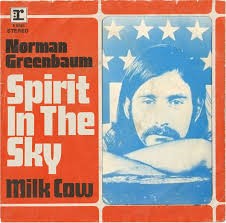
Norman Greenbaum delivered something genuinely unique to the 1970 chart landscape. Specifically, “Spirit in the Sky” blended gospel fervour with a fuzzed-out, driving rock guitar riff. Furthermore, that distinctive opening riff became one of the most recognisable in pop history. Moreover, its joyful, almost euphoric energy gave the charts a shot of raw excitement. Consequently, it remains a staple of classic rock radio playlists to this day.
England World Cup Squad – “Back Home” (16 May | 3 weeks)
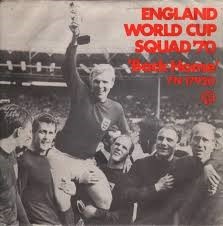
Few singles have ever captured national excitement quite like “Back Home” did in 1970. Specifically, England’s World Cup squad recorded it ahead of the Mexico tournament. Furthermore, the entire nation united behind both the song and the team simultaneously. Moreover, its three-week run reflected the intense patriotic fever gripping the country. Consequently, it stands as one of the most culturally significant UK number one singles 1970 delivered.
Christie – “Yellow River” (6 June | 1 week)
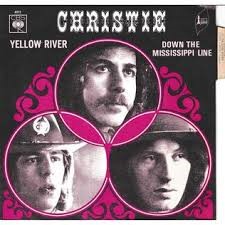
Christie’s “Yellow River” claimed a brief but well-earned place at the summit. Moreover, its easy, sun-soaked country-rock feel gave it an immediately appealing laid-back quality. Specifically, the song had originally been offered to The Tremeloes, who turned it down. Furthermore, Christie’s frontman Jeff Christie recorded it himself, with striking commercial results. Consequently, its one-week reign proved that simplicity and strong melody always connect with audiences.
Mungo Jerry – “In the Summertime” (13 June | 7 weeks)
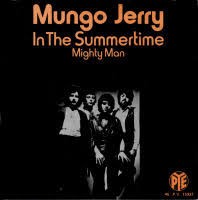
Mungo Jerry’s “In the Summertime” became the undisputed champion of the UK number one singles 1970 chart. Indeed, seven consecutive weeks at the top made it the year’s longest-reigning single by far. Furthermore, its loose, skiffle-influenced swagger felt effortlessly joyful from the very first note. Moreover, it sold in extraordinary numbers, making it one of Britain’s all-time best-selling singles. Consequently, it became the defining sound of the British summer of 1970.
Elvis Presley – “The Wonder of You” (1 August | 6 weeks)
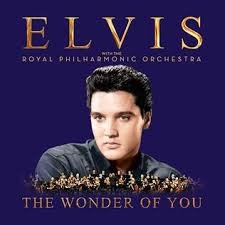
Elvis Presley reminded Britain exactly why he remained the undisputed King of Rock and Roll. Specifically, “The Wonder of You” was recorded live at the International Hotel in Las Vegas. Furthermore, its powerful, orchestrated arrangement showcased Elvis at his most commanding and confident. Moreover, six weeks at number one confirmed his enduring appeal to British audiences. Consequently, it stands as one of the most authoritative UK number one singles 1970 produced.
Smokey Robinson & The Miracles – “The Tears of a Clown” (12 September | 1 week)
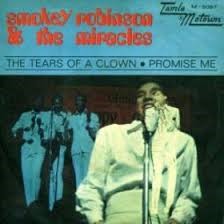
Smokey Robinson & The Miracles brought pure Motown magic to the autumn chart. Notably, “The Tears of a Clown” had actually been recorded back in 1967. Furthermore, Motown only released it as a single after a DJ began playing it on the radio. Moreover, its bittersweet melody and clever lyrical contrast made it an instant classic. Consequently, even one week at the top felt like fitting recognition for a timeless song.
Freda Payne – “Band of Gold” (19 September | 6 weeks)
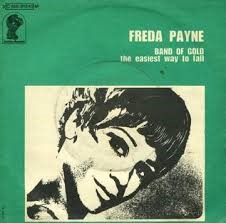
Freda Payne delivered one of the most emotionally powerful performances of the entire year. Specifically, “Band of Gold” told a stark, affecting story of a marriage unfulfilled from the start. Furthermore, its Motown-influenced production gave it an irresistible rhythmic drive. Moreover, six weeks at the top confirmed Freda Payne’s extraordinary connection with British audiences. Consequently, it remains one of the most celebrated UK number one singles 1970 produced.
Matthews’ Southern Comfort – “Woodstock” (31 October | 3 weeks)
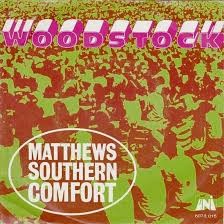
Matthews’ Southern Comfort brought a gentle folk-rock interpretation of a landmark song. Specifically, their cover of Joni Mitchell’s “Woodstock” captured the fading spirit of the sixties. Furthermore, it offered a more restrained and melodic take than other versions of the track. Moreover, three weeks at number one confirmed British audiences responded warmly to its reflective mood. Consequently, it provided a thoughtful, contemplative bridge between autumn and the year’s dramatic finale.
The Jimi Hendrix Experience – “Voodoo Chile” (21 November | 1 week)

“Voodoo Chile” arrived at number one under the most tragic of circumstances. Specifically, Jimi Hendrix had died on 18 September 1970, just weeks before its release. Furthermore, the track’s raw, ferocious guitar work showcased his genius at its most electrifying. Moreover, its chart-topping success served as a powerful and emotional posthumous tribute. Consequently, even a single week at the summit felt deeply significant among all UK number one singles 1970 delivered.
Dave Edmunds – “I Hear You Knocking” (28 November | 6 weeks)
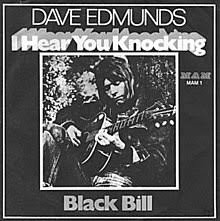
Dave Edmunds closed 1970 in emphatic and energetic style. Specifically, his rockabilly-driven cover of “I Hear You Knocking” crackled with raw, irresistible urgency. Furthermore, its old-school feel offered a refreshing contrast to the sophisticated soul preceding it. Moreover, six weeks at number one carried it comfortably through Christmas and into the new year. Consequently, it served as the perfect full stop on an extraordinary chapter of UK chart history.
Ultimately, the UK number one singles 1970 chart delivered extraordinary range and quality. Moreover, it balanced soul, folk, rock, pop, and pure novelty in remarkable fashion. Indeed, few years in British chart history have felt quite so rich and rewarding.