The year 1969 stands as one of the most extraordinary in music history. From soul to psychedelia, UK number one singles 1969 reflected a culture in thrilling transition. Moreover, the charts told stories of rebellion, romance, and reinvention. Indeed, this was a year when the charts became a cultural battleground. Whether you lived through it or discovered it later, 1969’s chart history rewards exploration.
Before We Dive In: Three Things You Need to Know
What Was the Longest-Running Number 1 of 1969?
When it comes to UK number one singles 1969, one song dominated above all others. Sugar, Sugar by The Archies held the top spot for an extraordinary eight weeks. Furthermore, this achievement is even more remarkable given the competition it faced. The Archies were, notably, a fictional cartoon band. Yet their bubblegum pop anthem outlasted everyone, including The Beatles and The Rolling Stones. Consequently, Sugar, Sugar became the undisputed champion of the year. Its infectious melody clearly resonated deeply with the British public. Additionally, it remains one of the best-selling UK singles of the entire decade.
Which Beatles Songs Reached Number 1 in 1969?
Remarkably, The Beatles landed two UK number one singles 1969 despite their well-documented internal tensions. First, Get Back climbed to the top in April and stayed there for six weeks. The song featured a raw, back-to-basics sound that clearly struck a chord. Then, in June, The Ballad of John and Yoko followed it to number one. That song chronicled John Lennon’s whirlwind marriage to Yoko Ono in real time. Notably, only John and Paul recorded it, as George and Ringo were unavailable. Nevertheless, it reached the top in just three weeks. Together, both tracks demonstrated that The Beatles still commanded enormous commercial power, even as they privately unravelled.
What Was the First Foreign-Language UK Number 1?
Perhaps the most ground breaking moment among UK number one singles 1969 came in October. Je T’Aime… Moi Non Plus by Jane Birkin and Serge Gainsbourg made history as the first foreign-language single to reach number 1 in the UK. Furthermore, the BBC immediately banned it for its overtly sensual content and breathy French lyrics. However, the ban spectacularly backfired. Instead of fading into obscurity, the controversy drove sales through the roof. Consequently, it topped the charts despite receiving zero radio airplay from the BBC. This remarkable outcome proved that controversy could be a powerful commercial force. Additionally, it opened doors for non-English artists across Europe.
The UK Number One Singles of 1969: A Chronological Guide
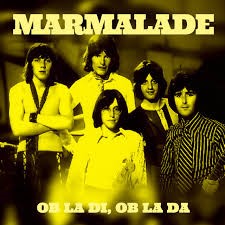
Ob-La-Di, Ob-La-Da – The Marmalade (1 January – 3 weeks) The Marmalade kicked off 1969 with their irresistible cover of this Beatles track. Furthermore, their version actually outperformed the original on the UK charts. Their upbeat, ska-tinged delivery gave the song an energy all its own.
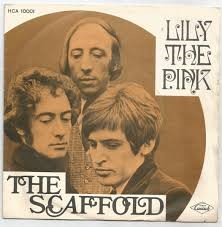
Lily the Pink – The Scaffold (8 January – 1 week) The Scaffold briefly reclaimed the top spot with this comedic novelty song. Nevertheless, it had already enjoyed considerable chart success before this final week. The track blended humour and music in a distinctly British way.
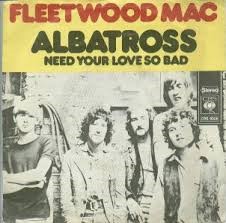
Albatross – Fleetwood Mac (29 January – 1 week) Fleetwood Mac offered something genuinely unique with this dreamy instrumental. Moreover, it remains one of the few purely instrumental singles ever to reach number one. Its gentle, hypnotic guitar melody still sounds timeless today.
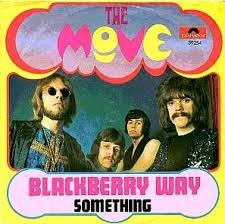
Blackberry Way – The Move (5 February – 1 week) The Move delivered a lush, orchestrated piece of psychedelic pop. Additionally, the song showcased Roy Wood’s extraordinary gift for melodic songwriting. Despite its brief chart reign, it remains a celebrated highlight of the era.
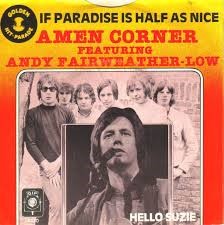
(If Paradise Is) Half as Nice – Amen Corner (12 February – 2 weeks) Amen Corner brought soulful energy and bold brass arrangements to the top spot. Consequently, their two-week run felt well deserved among music fans. The song’s optimistic melody perfectly captured the spirit of late-sixties pop.
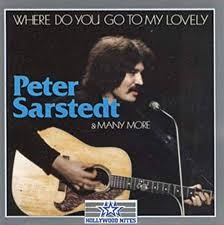
Where Do You Go To (My Lovely)? – Peter Sarstedt (26 February – 4 weeks) Peter Sarstedt dominated the charts for four impressive weeks with this sweeping narrative song. Furthermore, its vivid storytelling painted a portrait of jet-set European glamour with remarkable detail. It remains one of the most literary singles ever to reach number one.
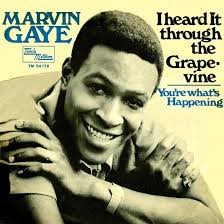
I Heard It Through the Grapevine – Marvin Gaye (26 March – 3 weeks) Marvin Gaye brought the full power of Motown to the UK charts with this soul masterpiece. Additionally, his raw, emotionally charged vocal performance set it apart from anything else in the charts. Three weeks at the top felt almost insufficient for such an iconic track.
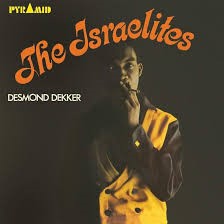
Israelites – Desmond Dekker & The Aces (16 April – 1 week) Desmond Dekker made history by bringing Jamaican reggae to the very top of the UK charts. Moreover, this achievement paved the way for reggae’s eventual mainstream explosion in Britain. The song’s spiritual, yearning quality gave it a power far beyond its chart position.
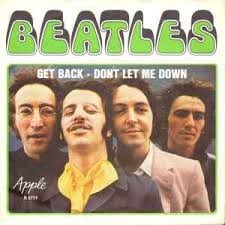
Get Back – The Beatles (23 April – 6 weeks) The Beatles returned to basics and returned to the top in spectacular fashion. Furthermore, their six-week reign demonstrated their undiminished commercial dominance. The track’s stripped-back rock sound felt like a deliberate statement of intent.
Dizzy – Tommy Roe (4 June – 1 week) American singer Tommy Roe provided a brief, bubblegum interlude between two Beatles number ones. Nevertheless, Dizzy was an undeniably infectious slice of pop perfection. Its swirling, dizzying arrangement matched its title brilliantly.

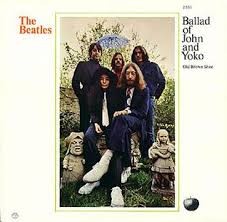
The Ballad of John and Yoko – The Beatles (11 June – 3 weeks) The Beatles returned quickly with this rollicking, almost journalistic account of Lennon’s life. Additionally, it caused controversy for its repeated use of the word “Christ” in the lyrics. Remarkably, only John and Paul played on the recording, yet it reached number one regardless.
Something in the Air – Thunderclap Newman (2 July – 3 weeks) Thunderclap Newman delivered one of the most surprising chart-toppers of the entire year. Furthermore, the song captured the revolutionary optimism of the late sixties with genuine conviction. Its anthemic chorus still resonates powerfully more than fifty years later.

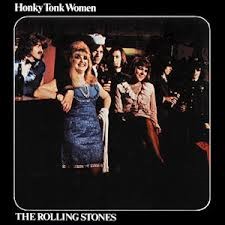
Honky Tonk Women – The Rolling Stones (23 July – 5 weeks) The Rolling Stones arrived with one of their most electrifying singles and dominated for five weeks. Moreover, its swaggering, blues-drenched groove sounded unlike anything else in the charts that summer. Consequently, it became one of the defining rock singles of the entire decade.
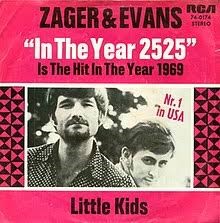
In the Year 2525 – Zager & Evans (27 August – 3 weeks) American duo Zager and Evans brought a dystopian science-fiction concept to the top of the charts. Additionally, its dark vision of humanity’s future felt unnervingly relevant amid the tensions of 1969. Nevertheless, the pair never again came close to repeating this extraordinary success.
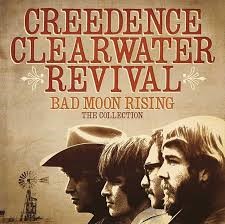
Bad Moon Rising – Creedence Clearwater Revival (14 September – 3 weeks) Creedence Clearwater Revival delivered a deceptively cheerful-sounding song about impending doom. Furthermore, its country-rock energy felt bracingly American among the British and European acts around it. Three weeks at number one cemented CCR’s status as genuine transatlantic stars.
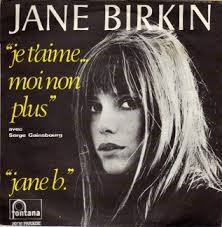
Je T’Aime… Moi Non Plus – Jane Birkin & Serge Gainsbourg (5 October – 1 week) This provocative French duet made history as the first foreign-language UK number one single. Moreover, the BBC promptly banned it, yet that ban simply accelerated its rise to the top. Consequently, it stands as one of the most rebellious chart-toppers in British music history.
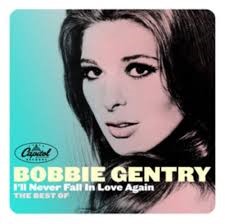
I’ll Never Fall in Love Again – Bobbie Gentry (12 October – 1 week) Bobbie Gentry brought a cool, country-influenced sophistication to the autumn charts. Additionally, her effortless vocal delivery gave the song a warmth and charm that resonated widely. Though her reign lasted just one week, the track became a lasting fan favourite.
Sugar, Sugar – The Archies (19 October – 8 weeks) The Archies, a fictional cartoon band, produced the longest-running number one of the entire year. Furthermore, their bubblegum anthem displaced more critically celebrated acts with remarkable ease. Eight consecutive weeks at the top made Sugar, Sugar the undisputed song of 1969.

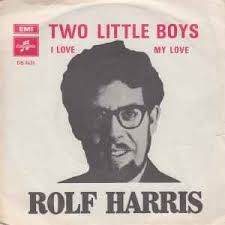
Two Little Boys – Rolf Harris (14 December – 6 weeks into 1970) Rolf Harris closed out 1969 with this sentimental Edwardian-era song about childhood friendship and war. Moreover, its emotional simplicity connected with a wide audience across all age groups. Consequently, it carried its number one status all the way through into the new year.
Ultimately, the UK number one singles 1969 represent a genuinely pivotal moment in pop history. Furthermore, the diversity of the chart was astonishing. In a single year, British listeners embraced reggae, psychedelia, bubblegum pop, soul, country rock, and provocative French chanson. Additionally, the year produced landmark moments that still generate discussion today. Therefore, whether you’re a music historian or simply a curious listener, 1969 rewards close attention. Above all, it reminds us that pop music has always been about more than just entertainment. It reflects who we are, what we fear, and what we dream about.