
Tom Petty stands as one of the most enduring figures in American rock history. From his Florida roots to his place in the Rock and Roll Hall of Fame, he built a catalogue that few artists can match. Whether you discovered him through “American Girl,” “Free Fallin’,” or “Wildflowers,” there is always more to explore. This guide covers every studio album — both with the Heartbreakers and his solo records — giving you the full picture of one of rock’s greatest careers.
Questions People Ask Most About Tom Petty
How many solo albums did Tom Petty make?
Tom Petty released three solo studio albums during his lifetime. These were Full Moon Fever (1989), Wildflowers (1994), and Highway Companion (2006). Each record had its own distinct character. Full Moon Fever leaned into polished, radio-friendly rock. Wildflowers was raw, intimate, and deeply personal. Highway Companion stripped everything back to a quiet, road-weary mood. Together, the three albums show a restless artist who was never content to repeat himself. They also prove that Tom Petty could thrive outside the Heartbreakers framework. Notably, many Heartbreakers members appeared on these records anyway, blurring the line between solo and band work.
What was Tom Petty’s first hit song?
Tom Petty broke through with two songs from the 1976 self-titled debut: “American Girl” and “Breakdown.” Interestingly, neither song was an immediate chart smash in America. However, “Breakdown” gained traction after heavy rotation on FM radio. “American Girl” took longer to catch on domestically, though it became iconic over time. Both tracks showcased the template Tom Petty would perfect over the next four decades — muscular guitars, melodic hooks, and lyrics rooted in everyday longing and restlessness. They remain among the most recognisable opening statements in rock history.
What is considered Tom Petty’s best album?
Most critics and fans point to either Damn the Torpedoes (1979) or Wildflowers (1994) as Tom Petty’s finest work. Damn the Torpedoes represents the band at their most ferocious and focused. It arrived during a legal battle with his label and carries an energy that reflects that fight. Wildflowers, on the other hand, is quieter and more reflective. Produced by Rick Rubin, it strips away the rock band muscle to reveal a songwriter at the peak of his craft. Both albums make compelling cases. Ultimately, the choice often comes down to whether you prefer the electric urgency of the Heartbreakers or the acoustic intimacy of Tom Petty alone with his songs.
Who were the members of the Heartbreakers?
The classic Heartbreakers line-up included guitarist Mike Campbell, keyboardist Benmont Tench, bassist Ron Blair, and drummer Stan Lynch. This was the core band that recorded the early albums. Later, Howie Epstein replaced Blair on bass and brought a polished, melodic touch to the rhythm section. Steve Ferrone eventually took over on drums and remained with the band until Tom Petty’s passing in 2017. Campbell and Tench were constants throughout — two of the most underrated musicians in rock. Their chemistry with Tom Petty was central to the band’s sound and longevity.
Albums With Tom Petty & The Heartbreakers
Tom Petty and the Heartbreakers — 1976
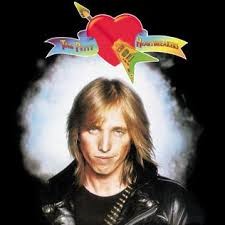
The debut album introduced Tom Petty to the world with remarkable confidence. Recorded on a modest budget, it nonetheless crackled with energy and purpose. “American Girl” opened the album with a ringing guitar figure that felt instantly classic. Tom Petty wrote it as a celebration of youthful restlessness. “Breakdown,” meanwhile, became the song that earned the band their first real radio foothold. Both tracks demonstrated a song writing voice already fully formed. Furthermore, the album reflected the influence of British Invasion rock filtered through a distinctly American sensibility. The Heartbreakers played with a tightness unusual for a debut, suggesting a band that had spent years preparing for this moment. Critics noticed. Moreover, the record found a devoted cult following in the UK before America fully caught on. As a result, Tom Petty and his bandmates had time to sharpen their live show before fame arrived. The album is not just a historical footnote — it holds up as a genuinely exciting rock record. Additionally, the production, though raw, serves the songs well. In short, this debut announced a major talent arriving with purpose, confidence, and very good songs.
You’re Gonna Get It! — 1978
The second album arrived quickly and built on the promise of the debut. Tom Petty and the Heartbreakers sounded hungrier and more assured. “I Need to Know” drove forward on a momentum that few bands could sustain. It was direct, punchy, and instantly memorable. “Listen to Her Heart” showed another side — melodic, warm, and deceptively simple. Together, the two singles illustrated Tom Petty’s range as a writer. Furthermore, the album showed the band developing a more confident studio presence. The rhythm section locked in tighter. Additionally, the guitar interplay between Tom Petty and Mike Campbell grew more sophisticated. Transition-wise, this was the bridge between the raw energy of the debut and the polished power of what came next. The album is sometimes overlooked in the wider Tom Petty discography. However, it deserves reassessment. It contains some of his most purely enjoyable pop-rock song writing. Moreover, the record captures a band accelerating rapidly. The production was sharper without losing the loose energy that made the debut so appealing. Overall, You’re Gonna Get It! is an essential chapter in understanding how Tom Petty developed his craft.
Damn the Torpedoes — 1979
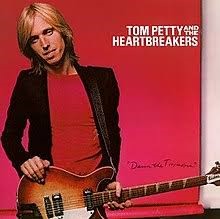
This album is widely considered the commercial and artistic breakthrough. Tom Petty recorded it while locked in a bitter legal dispute with his record label. That adversity clearly fuelled the music. “Refugee” hit like a freight train — urgent, defiant, and electrifying. “Don’t Do Me Like That” balanced that intensity with an irresistible melodic hook. Together, the singles drove the album to multi-platinum sales. Furthermore, the production by Jimmy Iovine gave the record a sharper sound without sacrificing grit. Tom Petty’s vocal delivery was also at its most commanding here. Additionally, the album demonstrated the full power of the Heartbreakers as a live-sounding studio band. Every track felt urgent. Moreover, there was no filler — a rare achievement across a full album. Consequently, critics immediately recognised this as a landmark record. The album reached number two on the Billboard chart and transformed Tom Petty from cult favourite to mainstream star. Beyond the commercial success, the album holds its ground because every song earns its place. In total, Damn the Torpedoes remains the definitive statement of what Tom Petty and the Heartbreakers could achieve when everything aligned perfectly.
Hard Promises — 1981
Following the massive success of Damn the Torpedoes, Tom Petty delivered another strong record. Hard Promises took a slightly more measured tone without losing the band’s drive. “The Waiting” became one of Tom Petty’s most quoted songs — philosophical, patient, and quietly profound. “Insider,” a duet with Stevie Nicks, added unexpected warmth. Furthermore, the album was notable before its release for a public dispute over list price. Tom Petty fought his label over a planned price increase and won. That battle reinforced his reputation as an artist unwilling to be pushed around. Additionally, the album demonstrated that Tom Petty could sustain quality under commercial pressure. The song writing remained sharp. Moreover, Campbell’s guitar work added texture and depth throughout. Transition-wise, Hard Promises sat between the breakthrough urgency of the previous album and the more experimental directions ahead. As a result, it sometimes gets undervalued. However, it is a consistently rewarding record filled with well-crafted rock songs. The band played with confidence. In summary, Hard Promises confirmed Tom Petty as a reliable and principled artist operating at a high level.
Long After Dark — 1982
Long After Dark arrived at a transitional moment. Tom Petty and the Heartbreakers experimented with a slightly slicker production style. “You Got Lucky” was among the most forward-looking things Tom Petty had recorded. The synth-driven arrangement felt contemporary without sounding hollow. “Change of Heart” offered a more traditional rock sound and balanced the album well. Furthermore, the record marked the last album to feature Ron Blair on bass for many years. Howie Epstein would take over from the next record. Additionally, some critics found Long After Dark a slight step down from earlier peaks. However, that assessment underestimates its charms. Tom Petty remained an excellent songwriter throughout. Moreover, “You Got Lucky” proved he could adapt his style without compromising his identity. The accompanying music video also became one of the most memorable of the MTV era. Consequently, the song gave Tom Petty a significant cultural presence beyond radio. Overall, Long After Dark is a solid mid-career record — not the pinnacle but far from a misstep. It shows a band willing to evolve.
Southern Accents — 1985
Southern Accents marked Tom Petty’s most ambitious project to date. Conceived as a double album about the American South, it was eventually scaled back. Nevertheless, the vision behind it was unmistakable. “Don’t Come Around Here No More” became the centrepiece — a dark, psychedelic track shaped significantly by Dave Stewart of the Eurythmics. The accompanying video, set in a twisted Wonderland, became iconic on MTV. Furthermore, Tom Petty drew on his own Southern upbringing to give the album an emotional authenticity. The themes of identity, pride, and contradiction ran through the record. Additionally, the album showed Tom Petty expanding his sonic palette considerably. The production was more layered. Moreover, the songs themselves took greater structural risks. However, the album’s ambitions occasionally exceeded its execution. Some tracks felt unresolved. As a result, Southern Accents divides opinion more than most Tom Petty records. Even so, at its best — particularly “Don’t Come Around Here No More” — it showed an artist refusing to stay comfortable. That restlessness is precisely what made Tom Petty worth following.
Let Me Up (I’ve Had Enough) — 1987
Let Me Up (I’ve Had Enough) was a deliberate step back toward rawness. Tom Petty made this record quickly and on instinct. The result was a loose, garage-influenced album that rejected the ambition of Southern Accents. “Jammin’ Me,” co-written with Bob Dylan, became the standout track. Its driving rhythm and sharp, satirical lyrics gave the album a focal point. Furthermore, the Dylan connection was no accident — Tom Petty had recently toured and recorded with him as part of the Traveling Wilburys’ forerunner project. That experience clearly influenced the album’s spontaneous feel. Additionally, the record arrived at a time when Tom Petty’s commercial dominance was secure. Consequently, he could afford to make music purely on his own terms. Moreover, the stripped production gave the Heartbreakers room to breathe as a live unit. The album is not considered among Tom Petty’s finest work. However, it has an honest, unguarded quality that rewards patient listening. In retrospect, Let Me Up (I’ve Had Enough) reads as a necessary reset — clearing space for the remarkable run of music that followed.
Into the Great Wide Open — 1991
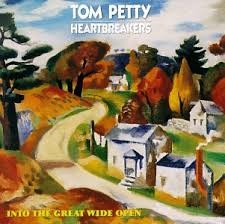
Into the Great Wide Open arrived as a conceptual narrative record. Tom Petty built it around the story of a fictional young musician chasing dreams in Hollywood. “Learning to Fly” became one of Tom Petty’s most beloved songs — uplifting, melodic, and universally relatable. The title track, “Into the Great Wide Open,” told the album’s central story with warmth and wit. Furthermore, the album arrived in the wake of the hugely successful Full Moon Fever solo record. Tom Petty channelled some of that momentum back into the Heartbreakers. Additionally, the production by Jeff Lynne — who had worked on Full Moon Fever — gave the album a warm, polished sheen. The songs felt cinematic. Moreover, the album later became a full-length film starring Tom Petty and a cast of notable celebrities. Consequently, it occupies a unique place in his catalogue. Into the Great Wide Open may not hit the heights of Damn the Torpedoes or Wildflowers, but it remains an immensely likeable and well-crafted record. Tom Petty’s knack for storytelling was never more evident.
She’s the One (Songs and Music from the Motion Picture) — 1996
This soundtrack album surprised many listeners. Tom Petty used it as an opportunity to experiment freely rather than deliver straightforward accompaniment. “Walls (Circus)” was tender and understated. “Angel Dream” carried an aching, dreamlike quality. Together, they showed Tom Petty at his most introspective. Furthermore, the record included a striking cover of Thunderclap Newman’s “Something in the Air,” delivered with genuine reverence. Additionally, the album felt loosely connected to the film it accompanied — almost a separate entity. As a result, it works better as a standalone listening experience. Tom Petty approached it with the same care he gave his principal records. Moreover, the stripped-back production gave the songs an intimacy unusual for a soundtrack. Consequently, the album found an appreciative audience among fans who valued Tom Petty’s quieter, more reflective side. It is often grouped alongside Wildflowers as part of his most personal creative period. She’s the One does not always receive the attention it deserves. However, returning listeners consistently find more than they expected. In short, it is a modest gem hiding in plain sight within the Tom Petty catalogue.
Echo — 1999
Echo arrived during one of the most personally difficult periods of Tom Petty’s life. Written and recorded following the breakdown of his first marriage, the album carried a weight that few Tom Petty records matched. “Room at the Top” opened things with a reflection on isolation and the cost of success. “Free Girl Now” offered a more upbeat contrast but still carried emotional complexity. Furthermore, the production by Rick Rubin gave the album a spare, unhurried quality. Additionally, Tom Petty’s voice sounded rawer and more vulnerable than usual. The pain behind the songs was not hidden. Moreover, the album demonstrated that Tom Petty could channel personal hardship into compelling art. As a result, Echo stands as one of his most emotionally honest records. However, its darker tone meant it was not embraced immediately by casual listeners. Over time, appreciation for the album has grown significantly. Consequently, many fans now cite it as an underrated highlight of the Tom Petty catalogue. It deserves far more attention than it typically receives. Echo is a record made by someone who had something real to say — and the courage to say it plainly.
The Last DJ — 2002
The Last DJ was Tom Petty’s most explicitly political record. He used it to take aim at the music industry, corporate radio, and the commercialisation of culture. The title track, “The Last DJ,” told the story of a radio broadcaster unwilling to surrender his integrity. It was blunt, passionate, and deliberately provocative. Furthermore, “Dreamville” offered a more wistful counterpoint — a nostalgic image of small-town American life. Together, the two songs framed the album’s central tensions. Additionally, Tom Petty knew the record would not receive friendly treatment from the radio industry it criticised. Predictably, airplay was limited. However, the album connected strongly with fans who shared Tom Petty’s frustrations. Moreover, the song writing remained sharp throughout despite the polemical intent. As a result, The Last DJ succeeded as both a political statement and a collection of well-made rock songs. Transition-wise, it marked a clear shift toward more outspoken artistic commentary. Consequently, Tom Petty’s reputation as a principled figure in the music industry grew further. The album may not be his most accessible, but it is among his most purposeful.
Mojo — 2010
Mojo was a return to blues roots. Tom Petty and the Heartbreakers stripped away the polish of recent records and reconnected with the raw energy of American blues music. “Jefferson Jericho Blues” set the tone immediately — gritty, unhurried, and deeply felt. “I Should Have Known It” drove forward on a riff that channelled classic rock history. Furthermore, the album was the first Heartbreakers studio record in eight years. The gap had clearly sharpened the band’s appetite. Additionally, Mojo featured extensive guitar work from Mike Campbell, who delivered some of the most expressive playing of his career. Tom Petty, meanwhile, sang with renewed intensity. Moreover, the record reconnected the band with an older, rawer tradition — a reminder of where rock music came from. Consequently, Mojo felt both nostalgic and vital. However, its blues orientation meant it appealed more to devoted fans than casual listeners. As a result, it was not a mainstream breakthrough. Even so, Mojo holds a special place in the Tom Petty catalogue as a genuine artistic statement. It showed a veteran band choosing depth over accessibility without apology.
Hypnotic Eye — 2014
Hypnotic Eye was the final studio album Tom Petty released with the Heartbreakers. It arrived to strong reviews and debuted at number one — Tom Petty’s first chart-topper as a Heartbreakers album. “American Dream Plan B” crackled with the sharp political awareness of The Last DJ era. “Forgotten Man” leaned back into blues territory explored on Mojo. Furthermore, the album showed Tom Petty still writing with genuine conviction and creative energy. Additionally, the production was heavier and more guitar-forward than much of his recent work. As a result, Hypnotic Eye felt like a confident late-career statement. Tom Petty was not coasting. Moreover, the album proved that a band four decades into their career could still make vital music. Consequently, the chart success felt well deserved rather than merely sentimental. The Heartbreakers played with ferocity throughout. In retrospect, Hypnotic Eye carries added weight as the final chapter of the Heartbreakers studio story. Tom Petty died in October 2017, making this record the last word from one of rock’s most enduring partnerships. It is a worthy final statement.
Solo Albums
Full Moon Fever — 1989
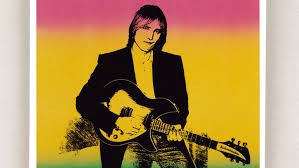
Full Moon Fever remains Tom Petty’s most commercially successful solo record. Produced by Jeff Lynne of Electric Light Orchestra, the album gleamed with a warm, layered production style. “Free Fallin'” became arguably the most recognisable song Tom Petty ever recorded. Its simplicity was deceptive — beneath the easy melody sat a sharp portrait of suburban California life. “I Won’t Back Down” became an anthem of resilience that transcended its original context. Furthermore, the album featured contributions from several Heartbreakers alongside Lynne and George Harrison. Additionally, Full Moon Fever demonstrated that Tom Petty possessed a commercially accessible side that the Heartbreakers’ rockier output sometimes obscured. As a result, the album reached a broader audience than any previous Tom Petty release. Moreover, the production gave each song a pristine clarity. Consequently, the record dominated radio throughout the summer of 1989. However, the album is more than a collection of radio hits. Its emotional range — from the wistful “Alright for Now” to the driving “Runnin’ Down a Dream” — showed Tom Petty in full command. Full Moon Fever is essential listening.
Wildflowers — 1994
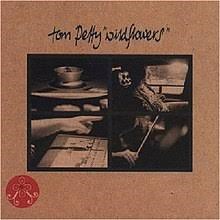
Many critics and fans regard Wildflowers as Tom Petty’s masterpiece. Produced by Rick Rubin, the album discarded rock-band dynamics in favour of something quieter and more intimate. Tom Petty wrote the songs during a period of personal reflection. That honesty permeates every track. The title track, “Wildflowers,” was achingly beautiful — gentle, unhurried, and deeply moving. “You Don’t Know How It Feels” balanced that softness with a rolling, almost hypnotic groove. Furthermore, Rubin’s production philosophy — rooted in restraint — gave Tom Petty’s voice and song writing room to breathe. Additionally, the album showed what Tom Petty could achieve when commercial expectation was removed from the equation. As a result, Wildflowers felt genuinely free in a way few major-label records manage. Moreover, the emotional honesty of the lyrics gave the album a timeless quality. Consequently, it has aged exceptionally well. Tom Petty later expressed a desire to release the full double-album version of Wildflowers, which finally arrived posthumously in 2020. That expanded edition only deepened the record’s reputation. Wildflowers is, by almost any measure, the peak of Tom Petty’s extraordinary career.
Highway Companion — 2006
Highway Companion was the quietest and most understated record of Tom Petty’s solo career. Produced again by Jeff Lynne, the album embraced a stripped-back, meditative tone. Tom Petty described it as a road-trip record — music for long drives and open spaces. “Saving Grace” opened the album with a rolling, unhurried groove. “Square One” carried a reflective quality that suggested an artist taking stock of his life and legacy. Furthermore, the album lacked the commercial ambitions of Full Moon Fever. Tom Petty seemed uninterested in radio success. Instead, he focused on texture, mood, and atmosphere. Additionally, the production gave the record a warm, slightly hazy quality that suited the themes perfectly. As a result, Highway Companion rewarded patient listening more than repeated radio play. Moreover, it gave fans who had followed Tom Petty across three decades something genuinely different. Consequently, it holds a distinctive place in his solo work. However, its low-key nature has meant it receives less attention than it merits. Highway Companion is a late-career record worth sitting with — unhurried, honest, and quietly satisfying. Tom Petty made it entirely on his own terms.
Tom Petty left behind a body of work that will endure for generations. Across sixteen studio albums — thirteen with the Heartbreakers and three solo — he never stopped searching for the next honest song. He fought for his artistic independence at every turn. He took on record labels, resisted trend-chasing, and consistently put the music first. The catalogue has peaks that belong in any serious conversation about great American rock — Damn the Torpedoes, Wildflowers, Full Moon Fever — and deeper cuts that reward the listeners willing to explore. Tom Petty proved that longevity and quality are not mutually exclusive. His final album with the Heartbreakers debuted at number one. His songs still play everywhere. If you have only scratched the surface, this guide is your invitation to go further. Start anywhere. Every album has something worth finding.