

R.E.M. emerged from Athens, Georgia and helped define college rock in the 1980s. From the start, the band built a sound rooted in melody, mystery, and sharp song writing. Moreover, their consistency across decades sets them apart from many peers. Fans often explore REM albums reviewed to trace that steady evolution. While trends shifted, the band adapted without losing identity. As a result, their discography remains one of the most reliable in alternative music. This guide breaks down each era and highlights key releases with clarity and focus.
Most Asked Questions
What does R.E.M. stand for?
R.E.M. stands for Rapid Eye Movement, although Michael Stipe often gave playful, conflicting answers.
Will R.E.M. ever reunite?
The band ended in 2011 and continues to avoid reunion tours. However, members appeared together in 2024.
What is R.E.M.’s most famous song?
“Losing My Religion” remains their most recognised track worldwide.
Why did the drummer leave R.E.M.?
Bill Berry left in 1997 after a serious health scare and chose a quieter life.
The I.R.S. Years (The Jangle Pop Era)
Murmur (1983)
“Murmur” launched R.E.M. with a sound that reshaped indie rock. From the opening track, the band blends jangly guitars with cryptic lyrics. As a result, critics quickly embraced the album’s fresh identity. Moreover, college radio stations helped drive early momentum. REM albums reviewed often highlight “Murmur” as a blueprint for alternative music. While production remains understated, the song writing carries real weight. Therefore, listeners connect with its atmosphere and subtle hooks. The band avoids mainstream formulas, yet still creates memorable moments. In contrast to later releases, the tone feels raw and mysterious. Consequently, the album still sounds distinct decades later. REM albums reviewed frequently rank it among their most influential works. Overall, “Murmur” sets the tone for a remarkable career.
Reckoning (1984)
“Reckoning” builds directly on the debut while sharpening the band’s focus. This time, the songs feel more immediate and accessible. However, the band keeps its signature lyrical ambiguity. REM albums reviewed often praise its balance between energy and restraint. Additionally, the rhythm section drives many tracks forward with confidence. As a result, the album feels tighter and more cohesive. While not as ground breaking as “Murmur,” it shows clear progression. Furthermore, the melodies linger long after each listen. REM albums reviewed consistently note its strong consistency across all tracks. Therefore, “Reckoning” confirms R.E.M. as more than a one-album success.
Fables of the Reconstruction (1985)
“Fables of the Reconstruction” takes a darker, more atmospheric turn. Recorded in London, the album reflects a sense of distance and tension. Consequently, the sound feels moodier and less direct. REM albums reviewed often highlight its Southern Gothic themes. While some critics felt divided at release, the album gained appreciation over time. Moreover, its storytelling approach adds depth to the band’s catalogue. The pacing feels slower, yet it rewards patient listeners. REM albums reviewed frequently mention its unique place within the early years. Therefore, “Fables” stands as a bold shift rather than a safe follow-up.
Lifes Rich Pageant (1986)
“Lifes Rich Pageant” injects energy and clarity into the band’s sound. This time, production feels sharper and more direct. As a result, the songs carry stronger impact and urgency. REM albums reviewed often praise its political themes and confident delivery. Furthermore, the band experiments while maintaining accessibility. The guitars sound brighter, and the vocals sit more clearly in the mix. Consequently, listeners find it easier to engage with the lyrics. REM albums reviewed frequently cite it as a turning point before mainstream success. Therefore, the album bridges underground credibility with wider appeal.
Document (1987)

“Document” delivers R.E.M.’s first major commercial breakthrough. With sharper song writing, the band reaches a wider audience. At the same time, they keep their core identity intact. REM albums reviewed often highlight its balance between message and melody. Moreover, the album features a more direct lyrical approach. As a result, its themes feel urgent and relevant. The production sounds cleaner, which helps the songs stand out. REM albums reviewed consistently rank it among their most important releases. Therefore, “Document” marks the moment R.E.M. steps firmly into the mainstream.
The Warner Bros. Peak (The Global Superstars Era)
Green (1988)

“Green” marks the band’s move to a major label and a broader audience. However, the album avoids predictable commercial formulas. Instead, it explores a wide range of styles and textures. REM albums reviewed often describe it as eclectic and ambitious. Moreover, the band experiments with instrumentation and structure. As a result, each track offers something different. While some songs feel playful, others tackle serious themes. REM albums reviewed frequently note its bold creative risks. Therefore, “Green” signals a band ready to expand its reach.
Out of Time (1991)
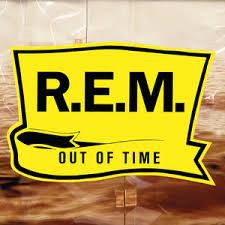
“Out of Time” pushes R.E.M. into global recognition. With a softer sound, the band embraces new textures and arrangements. Consequently, the album appeals to a broader audience. REM albums reviewed often highlight its melodic strength and accessibility. Furthermore, the use of mandolin adds a distinctive character. While some fans missed the earlier edge, many welcomed the shift. REM albums reviewed consistently rank it among their biggest successes. Therefore, “Out of Time” represents a major turning point in their career.
Automatic for the People (1992)
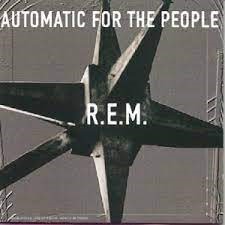
“Automatic for the People” presents a more reflective and mature direction. The band slows the pace and focuses on emotional depth. As a result, the album resonates strongly with listeners. REM albums reviewed often describe it as their most complete work. Moreover, orchestral arrangements add richness without overpowering the songs. The lyrics explore themes of loss, memory, and time. REM albums reviewed consistently place it at the top of rankings. Therefore, the album stands as a defining moment in their catalogue.
Monster (1994)
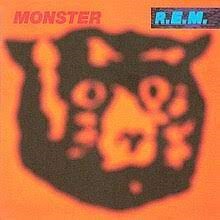
“Monster” shifts sharply toward a louder and more aggressive sound. Distorted guitars dominate, creating a raw atmosphere. However, the band still maintains strong song writing underneath. REM albums reviewed often describe it as a bold stylistic change. While initial reactions felt mixed, appreciation grew over time. Moreover, the album captures the spirit of mid-1990s rock trends. REM albums reviewed frequently highlight its energy and attitude. Therefore, “Monster” proves the band’s willingness to take risks.
New Adventures in Hi-Fi (1996)
“New Adventures in Hi-Fi” captures the band in a transitional phase. Recorded largely on tour, the album feels expansive and varied. As a result, it offers a wide range of styles and moods. REM albums reviewed often highlight its ambitious scope. Moreover, it marks the final appearance of Bill Berry. The song writing feels reflective, yet still energetic. REM albums reviewed consistently praise its depth and variety. Therefore, the album closes an important chapter for the band.
The Post-Berry Years (The Experimental & Final Era)
Up (1998)
“Up” introduces a new direction following Bill Berry’s departure. The band leans into electronic textures and quieter arrangements. Consequently, the mood feels introspective and subdued. REM albums reviewed often note its experimental approach. While some fans felt uncertain, others appreciated the change. Moreover, the album shows the band adapting to new circumstances. REM albums reviewed frequently highlight its atmospheric qualities. Therefore, “Up” represents a necessary reinvention.
Reveal (2001)
“Reveal” shifts toward a brighter and more melodic sound. The band embraces warm tones and relaxed arrangements. As a result, the album feels more accessible than its predecessor. REM albums reviewed often praise its consistency and lighter mood. Furthermore, the song writing feels more direct and open. While not ground breaking, it offers a satisfying listen. REM albums reviewed consistently highlight its cohesive feel. Therefore, “Reveal” restores confidence in the band’s direction.
Around the Sun (2004)
“Around the Sun” takes a slower and more reflective approach. The band focuses on political themes and subdued arrangements. Consequently, the pacing feels more restrained. REM albums reviewed often describe it as their most understated release. While reactions remained mixed, the album still offers thoughtful moments. Moreover, the lyrics reflect the global climate of the time. REM albums reviewed frequently mention its introspective tone. Therefore, it stands as a quieter entry in their catalogue.
Accelerate (2008)
“Accelerate” marks a return to faster and more direct rock songs. The band strips back complexity and focuses on energy. As a result, the album feels urgent and immediate. REM albums reviewed often highlight its concise song writing. Moreover, it reconnects with the band’s earlier spirit. The shorter track lengths keep momentum high throughout. REM albums reviewed consistently praise its focused approach. Therefore, “Accelerate” serves as a strong comeback.
Collapse into Now (2011)
“Collapse into Now” closes the band’s studio career on a reflective note. The album blends elements from different eras into one cohesive sound. As a result, it feels like a summary of their journey. REM albums reviewed often describe it as a fitting farewell. Moreover, the song writing balances energy with introspection. The band sounds confident and at ease throughout. REM albums reviewed consistently highlight its sense of closure. Therefore, the album provides a satisfying conclusion to their legacy.
What’s New in 2026
The 2026 reissue of R.E.M. at the BBC has renewed interest in the band’s live performances. Moreover, it offers fans a fresh perspective on classic material. As a result, searches for REM albums reviewed continue to grow.