
Before Beyoncé, before the Supremes dominated the charts, there were The Shirelles. Emerging from Passaic, New Jersey in the late 1950s, The Shirelles became the first girl group to reach number one on the Billboard Hot 100. They didn’t just make pop music — they rewrote its rules. Their sound was warm, emotionally honest, and undeniably human. It influenced everyone from Carole King to The Beatles. This guide covers every studio album, the stories behind the music, and why their legacy still matters in 2026.
Everything You Need to Know About The Shirelles
Who were the original members of The Shirelles?
The original lineup consisted of four schoolgirls from Passaic, New Jersey: Shirley Owens (lead vocalist), Doris Coley, Addie “Micki” Harris, and Beverly Lee. They formed the group in 1957 after performing at a school talent show. Their chemistry was immediate and natural. Owens brought an expressive, conversational lead vocal style that set them apart from more polished acts of the era. Together, they created a sound that felt personal rather than performed — a key reason audiences connected with them so deeply.
What was The Shirelles’ first number one hit?
“Will You Love Me Tomorrow” (1960) holds that landmark title. Written by the then-teenage Carole King and Gerry Goffin, the song became the first number one single by a Black girl group on the Billboard Hot 100. Its subject matter — a young woman questioning a lover’s sincerity — was bracingly honest for its time. The song’s vulnerability resonated with millions, and it remains one of the most covered songs in pop history. It set a template for emotionally intelligent pop songwriting that echoed through the following decades.
Did The Beatles cover The Shirelles?
Yes, and it says a great deal about The Shirelles’ reach. On their 1963 debut album Please Please Me, The Beatles recorded two Shirelles songs: “Boys” (sung by Ringo Starr) and “Baby It’s You.” John Lennon and Paul McCartney were open admirers of the group. The covers introduced The Shirelles to a whole new British audience. Ironically, the British Invasion those same artists helped ignite would eventually push girl groups like The Shirelles off the charts — a bittersweet footnote in pop history.
Are any members of The Shirelles still alive?
As of 2026, Beverly Lee is the sole surviving original member. She has dedicated herself to preserving the group’s legacy and continues to manage The Shirelles’ trademark. Lee’s commitment ensures that new generations can still discover the music authentically. Micki Harris passed away in 1982, Doris Coley in 2000, and Shirley Owens-Alston in 2021. Their voices, however, remain very much alive in the recordings they left behind.
The Shirelles and the British Invasion
It’s one of pop history’s great ironies. The Shirelles helped inspire the artists who would ultimately overshadow them. Lennon and McCartney studied American girl groups obsessively. The emotional directness of The Shirelles’ songwriting clearly informed the early Beatles sound. When the British Invasion swept America after 1964, radio programmers shifted their focus almost entirely to rock bands. Girl groups, no matter how talented, struggled to compete. The Shirelles had essentially handed a blueprint to artists who then redrew the map. Their influence was enormous — and largely uncredited at the time.




The Complete Studio Album Guide
Tonight’s the Night (1960)
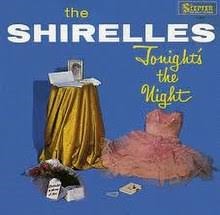
Tonight’s the Night marks the beginning of one of pop music’s most important careers. The Shirelles released this debut album during a transformative moment in American music. The record features the title track, a sweet and gently flirtatious opener that introduced their signature sound to mainstream audiences. Most significantly, it includes “Will You Love Me Tomorrow,” which became a cultural milestone. Written by Carole King and Gerry Goffin, the song gave The Shirelles their first number one single on the Billboard Hot 100. Furthermore, it became the first number one by a Black girl group in chart history. The production, helmed by Luther Dixon, wraps the vocals in a lush orchestral cushion that feels timeless even today. Overall, the album showcases a group already operating with remarkable emotional confidence. SLuther Dixon’s production choices amplified rather than diluted their natural sound. Consequently, this debut remains essential listening for anyone exploring the roots of pop music.
The Shirelles Sing to Trumpets and Strings (1961)
The Shirelles Sing to Trumpets and Strings arrived at the height of the group’s commercial momentum. The album leans into a lush, orchestrated pop sound, with brass and string arrangements adding sophistication to their teenage appeal. “Mama Said” became a standout single, blending domestic storytelling with an irresistibly bouncy melody. Additionally, the album features “Dedicated to the One I Love,” a song that perfectly encapsulates The Shirelles’ ability to turn devotion into art. The track had originally appeared on Tonight’s the Night but found significantly greater commercial success here. Luther Dixon’s production continues to shine, balancing warmth with professional polish. Moreover, the title itself signals ambition — this was a group and a label eager to signal maturity. The interplay between Shirley Owens’ lead and the backing vocals feels more refined than on the debut. Ultimately, this album confirms that their initial success was no accident and cements their place at the forefront of early 1960s pop.
Baby It’s You (1962)
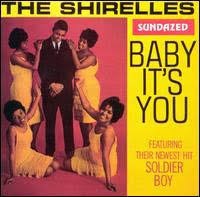
Baby It’s You takes its title from one of the era’s most distinctive pop songs. Written by Burt Bacharach, Hal David, and Barney Williams, the title track showcases The Shirelles at their most emotionally direct. Bacharach’s melodic instincts and the group’s natural vocal warmth create a genuinely memorable pairing. Later, The Beatles’ cover of this track on Please Please Me introduced it to a global audience. However, The Shirelles’ original retains a rawness that later versions couldn’t replicate. The album sits within their most productive creative period and reflects the confident hit-making machine they had become by 1962. Furthermore, the record demonstrates their versatility — moving between tender ballads and upbeat pop with equal ease. The Shirelles sound completely at home across every tempo and mood. Taken together, the album represents the peak of their partnership with producer Luther Dixon. It remains one of the most accessible entry points into their catalogue for new listeners.
The Shirelles and King Curtis Give a Twist Party (1962)
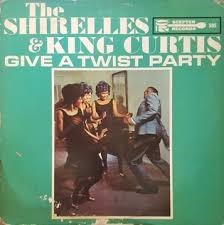
The Shirelles and King Curtis Give a Twist Party is the most unusual entry in the group’s catalogue. Released during the peak of the Twist craze in 1962, it pairs The Shirelles with legendary saxophonist King Curtis for a set of dance-floor-ready tracks. The collaboration was clearly designed to capitalise on a cultural moment. Nevertheless, both artists bring genuine energy and musicianship to the project. King Curtis’s saxophone work adds a raw, bluesy edge that contrasts interestingly with The Shirelles’ polished vocal style. Moreover, the album captures something real about the era — music as communal, physical celebration. It isn’t their most artistically ambitious work, but it’s undeniably fun. Transition-wise, it represents a willingness to experiment and pivot that would serve them well throughout the decade. For context, dance records like this helped maintain chart presence between major singles. Ultimately, this album works best as a document of a specific cultural moment rather than as a showcase for their core strengths.
Foolish Little Girl (1963)
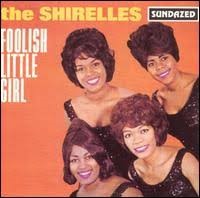
Foolish Little Girl stands as The Shirelles’ last major commercial triumph. The title track reached number four on the Billboard Hot 100, demonstrating they still had significant pulling power. Additionally, the album features “Don’t Say Goodnight and Mean Goodbye,” a sophisticated, emotionally layered ballad that highlights Shirley Owens’ maturing vocal artistry. By 1963, the pop landscape was shifting rapidly. Yet The Shirelles navigated those changes with more grace than most. The production feels slightly more polished compared to earlier records, reflecting industry trends toward a smoother sound. Moreover, the songwriting remains strong, drawing on the same pool of talented Brill Building writers who had served them well from the start. This album marked the end of their Top 10 era, making it bittersweet in retrospect. However, it closes that chapter with genuine quality rather than decline. Consequently, Foolish Little Girl deserves recognition as one of the stronger albums in their discography, not merely a commercial footnote.
It’s a Mad, Mad, Mad, Mad World (1963)
It’s a Mad, Mad, Mad, Mad World occupies a unique place in The Shirelles’ catalogue. Conceived as a tie-in to the Stanley Kramer comedy blockbuster of the same name, the album blends novelty with genuine pop craftsmanship. The standout track, “31 Flavors,” is a playful, upbeat number that showcases the group’s lighter side. Furthermore, the album demonstrates The Shirelles’ commercial flexibility — their ability to adapt to a variety of contexts without losing their core identity. Soundtrack tie-ins were a common commercial strategy in the early 1960s, and Scepter Records clearly saw an opportunity. Nevertheless, the group delivers the material with characteristic warmth and professionalism. Compared to their core studio albums, this record is more of a curio. However, it isn’t without its charms. The lighter tone provides a welcome contrast to the more emotionally intense fare of Foolish Little Girl. In short, it’s a fun, if minor, chapter in an otherwise serious and substantial body of work.
The Shirelles Swing the Most (1964)
The Shirelles Swing the Most represents a bold stylistic step. Released in 1964 — the year the British Invasion reshaped American pop — the album pivots toward a more mature, jazz-influenced sound. The Shirelles clearly weren’t content to repeat themselves. The arrangements here are richer and more sophisticated than anything in their earlier catalogue. Furthermore, the jazz inflections give Shirley Owens’ lead vocals new room to breathe and stretch. The timing was commercially challenging, however. With The Beatles and the Rolling Stones dominating radio, the audience for polished girl group pop was shrinking rapidly. Nevertheless, this album stands as a genuine artistic statement. It proves that The Shirelles possessed far more range than their hit singles suggested. In retrospect, Swing the Most is an underrated gem — a record that reveals the group’s full musical personality. Ultimately, it rewards listeners willing to explore beyond the greatest hits.
Hear & Now (1965)
Hear & Now closes the most significant chapter of The Shirelles’ recording career. Released in 1965, the album arrives as the cultural ground beneath them had fundamentally shifted. Nevertheless, The Shirelles face the changing landscape with quiet dignity. The production reflects mid-1960s pop trends, incorporating slightly fuller arrangements suited to the era’s evolving tastes. Shirley Owens continues to deliver emotionally grounded lead performances throughout. Moreover, the supporting harmonies remain as tight and instinctive as ever. Commercially, the record failed to match their early 1960s peaks. However, measuring it purely by chart performance misses the point. Hear & Now is a mature, unhurried record made by artists who understood their craft deeply. Consequently, it serves as a fitting, graceful conclusion to their peak commercial years. For dedicated fans and new listeners alike, the album offers an honest portrait of a group that never stopped caring about the music, regardless of the marketplace around them.
Essential Compilations
Two compilations deserve special mention for anyone building a collection.
The Shirelles’ Greatest Hits (1963) was one of the best-selling albums of the entire era. It remains the most efficient introduction to their work, compiling the singles that defined the girl group sound in the early 1960s.
Anthology (1959–1964) is the collection critics consistently recommend for serious listeners. Drawing from their most productive five-year stretch, it presents The Shirelles as genuine architects of modern pop — not merely a footnote to it.
| Year | Album Title | Key Tracks |
|---|---|---|
| 1960 | Tonight’s the Night | “Will You Love Me Tomorrow,” title track |
| 1961 | Sing to Trumpets and Strings | “Mama Said,” “Dedicated to the One I Love” |
| 1962 | Baby It’s You | “Baby It’s You” |
| 1962 | Give a Twist Party (with King Curtis) | Twist-era dance tracks |
| 1963 | Foolish Little Girl | “Foolish Little Girl,” “Don’t Say Goodnight and Mean Goodbye” |
| 1963 | It’s a Mad, Mad, Mad, Mad World | “31 Flavors” |
| 1964 | The Shirelles Swing the Most | Jazz-influenced pop |
| 1965 | Hear & Now | Final peak-era album |
The Shirelles didn’t just make great records. They built the template that pop music has followed ever since. They proved that teenage girls could deliver songs of real emotional weight. They showed that Black artists could top mainstream charts on their own terms. They inspired The Beatles, influenced Carole King, and paved the way for every girl group that followed. The British Invasion may have overshadowed them commercially, but it never erased what they created. In 2026, their music sounds as fresh, as honest, and as alive as it ever did. Start with Tonight’s the Night. Follow it with Foolish Little Girl. Then go back and listen to everything in between. You’ll understand exactly why The Shirelles matter — and why they always will.