
Table of Contents
- Introduction
- Essential Questions Answered
- The Motown Era: The Golden Years (1964–1972)
- The ABC-Dunhill Era: The 70s Shift (1972–1978)
- The 80s and Beyond (1981–1995)
- Closing Thoughts
Introduction
Few groups in music history have achieved what The Four Tops achieved. They rose from Detroit’s tight-knit music scene in 1953. They eventually became one of Motown’s most enduring and beloved acts. Their harmonies were tight, their delivery was emotional, and their records were timeless. Levi Stubbs’ raw, aching tenor led the charge. Behind him, three of the most gifted vocal collaborators in soul music history kept the sound locked in. Decade after decade, The Four Tops delivered hits that connected deeply with audiences worldwide. This guide covers every studio album in their extraordinary catalogue. Whether you’re a lifelong fan or a curious newcomer, this is your definitive starting point.
Essential Questions Answered
Who were the original members of The Four Tops? The original lineup consisted of Levi Stubbs, Abdul “Duke” Fakir, Renaldo “Obie” Benson, and Lawrence Payton. Remarkably, this same quartet stayed together for 44 years without a single lineup change — a record virtually unmatched in popular music. That kind of loyalty and brotherhood translated directly into their music. Their vocal blend felt lived-in, intuitive, and deeply human. Few groups in any genre can claim such a sustained, unbroken partnership.
What was The Four Tops’ biggest hit? “Reach Out I’ll Be There” (1966) stands as their signature moment. It hit number one on both the US Billboard Hot 100 and the UK Singles Chart simultaneously. The track was produced by Holland–Dozier–Holland and built around an insistent, marching pulse unlike anything else in Motown’s catalogue at the time. Critics and fans alike regard it as one of the greatest soul recordings ever made. It still sounds urgent and alive today.
Is anyone from The Four Tops still alive? Sadly, as of 2026, the original membership is gone. Levi Stubbs passed in 2008, Lawrence Payton in 1997, Renaldo “Obie” Benson in 2005, and Abdul “Duke” Fakir — the last surviving original — passed away in 2024. However, the group’s legacy continues. Long-time members Ronnie McNeir and Michael Brock, alongside other dedicated performers, carry the Four Tops name forward with genuine respect for its history.
Which record label were The Four Tops on? The Four Tops built their foundation at Motown Records, where they recorded their most celebrated work throughout the 1960s. In the early 1970s, they moved to ABC-Dunhill, where they found continued commercial success. Later years saw them record for Casablanca and Arista before eventually returning to Motown in the early 1980s. Each label chapter reflects a distinct artistic period, all of which this guide covers in full.



![Four Tops: Reach Out [0xWinyl]](https://m.media-amazon.com/images/I/61MuY7Jt74L._AC_SX355_.jpg)


The Motown Era: The Golden Years (1964–1972) {#the-motown-era}
Four Tops (1964)
The debut album introduced The Four Tops to a wider world hungry for soulful harmony. Produced within Motown’s polished hit factory, this record showcased the group’s extraordinary vocal chemistry right from the start. Levi Stubbs commanded every track with his muscular, emotionally charged lead vocals. Meanwhile, the backing trio provided richly layered support that elevated every performance. Notably, the album demonstrated that The Four Tops possessed a rare quality: warmth. Furthermore, it positioned them as a more mature alternative to some of Motown’s younger acts. Tracks moved between romantic longing and jubilant celebration with ease. The production, though somewhat restrained by later Motown standards, still glittered with the label’s signature orchestral sheen. Additionally, the record planted seeds for the explosive commercial run that was to come. In retrospect, this debut reads as a confident statement of intent — a group arriving fully formed and ready to leave a lasting mark on American popular music.
Four Tops’ Second Album (1965)
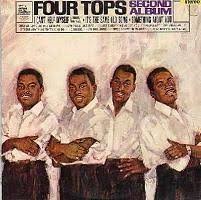
The second record found The Four Tops growing noticeably in confidence and ambition. Holland–Dozier–Holland tightened their grip on the group’s sound here. As a result, the production felt sharper, more propulsive, and more distinctly Motown than anything on the debut. Stubbs pushed his vocals further, delivering performances of genuine emotional intensity. Additionally, the arrangements grew more orchestrally adventurous, with strings sweeping grandly behind the rhythm section. However, the album still retained an intimate, soulful core that kept it grounded. Tracks like these demonstrated that the group could handle both tender balladry and driving mid-tempo grooves with equal authority. Furthermore, the chemistry between all four vocalists deepened, creating a blend that felt increasingly irreplaceable. This album matters because it represents the moment The Four Tops moved from promising newcomers to genuine Motown heavyweights. Consequently, it built enormous anticipation for the creative peak that was just around the corner.
Four Tops On Top (1966)
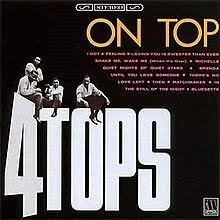
By 1966, The Four Tops had become one of Motown’s most bankable acts. On Top captured the group at a moment of surging momentum. The album brimmed with energy — driven by crisp Holland–Dozier–Holland productions that felt both radio-ready and emotionally substantive. Stubbs again delivered vocally, leaning into urgency and longing in equal measure. Moreover, the backing vocals on this record deserve particular recognition for their precision and warmth. Notably, the album arrived alongside a string of hit singles that kept The Four Tops in constant rotation on radio stations across America and the UK. Consequently, the commercial and critical reception reinforced their status as essential Motown artists. Transition from track to track felt seamless, suggesting a group with genuine artistic vision rather than one simply chasing hits. On Top remains one of the more underrated entries in their catalogue — well worth revisiting by fans who’ve focused primarily on the singles.
Reach Out (1967) ⭐ Essential Album
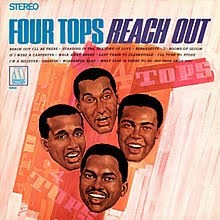
Reach Out is widely considered the masterpiece of The Four Tops discography. Everything came together on this record: the songwriting, the production, and most critically, the performances. “Reach Out I’ll Be There” anchors the album, but this is far more than a vehicle for a single. Holland–Dozier–Holland surrounded that landmark track with equally ambitious material. The arrangements grew bolder, incorporating unconventional percussion, swirling woodwinds, and a sense of cinematic grandeur. Furthermore, Stubbs delivered what many consider the finest sustained vocal performance of his career across this collection. The emotional range on display — from desperate pleading to triumphant declaration — remains breathtaking. Additionally, the group’s ensemble dynamic had never sounded more cohesive. The Four Tops proved here that they could compete with any act in popular music, anywhere in the world. Consequently, Reach Out belongs on any serious list of essential 1960s albums — Motown or otherwise.
Yesterday’s Dreams (1968)
Yesterday’s Dreams arrived as Holland–Dozier–Holland’s relationship with Motown began to fracture. Yet The Four Tops navigated this transition with remarkable composure. The album carried a more reflective, melancholic tone than its predecessor. Stubbs leaned into tenderness here, delivering intimate performances that revealed new emotional depths. Additionally, the production team that stepped in maintained Motown’s high standards, ensuring the record remained polished and commercially viable. Furthermore, the title track stands as one of the most underappreciated ballads in the group’s entire output. The album explored themes of lost love and lingering regret with a maturity that distinguished it from much of the era’s pop soul. Notably, even without their primary songwriting team, The Four Tops proved capable of delivering meaningful, fully realised recordings. This record deserves more attention than it typically receives. In short, Yesterday’s Dreams is a quiet gem — emotionally rich and beautifully sung throughout.
The Four Tops Now! (1969)
With Now!, The Four Tops embraced a bolder, more adventurous approach to their material. The album incorporated rock influences and expanded production textures that reflected the rapidly shifting musical landscape of 1969. Stubbs attacked this new direction with characteristic ferocity. Moreover, the group tackled several cover versions here, including a searing interpretation that demonstrated their ability to transform outside material into something distinctly their own. Consequently, the album surprised listeners who expected a straightforward Motown release. The Four Tops showed genuine artistic curiosity and a willingness to grow beyond their established formula. Furthermore, the rhythmic arrangements felt more muscular and contemporary than on previous records. This experimental edge made Now! a fascinating entry in their discography — one that pointed toward the stylistic evolution the 1970s would bring. In retrospect, it reads as a bridge album, thoughtfully connecting the classic Motown sound with newer sonic possibilities.
Soul Spin (1969)
Soul Spin offered something slightly different from The Four Tops — a loose, joyful collection that prioritised groove and feel over conceptual ambition. The record captured the group in a relatively relaxed mode. Nevertheless, the performances remained consistently strong. Stubbs found warmth and playfulness here that balanced the more intense emotional registers he occupied elsewhere. Additionally, the rhythm section work throughout this album deserves recognition — it swung with a natural, almost live-room energy. Furthermore, Soul Spin functioned well as pure entertainment, providing listeners with an uncomplicated, feel-good listening experience. Motown’s production remained crisp and detailed, even as the overall atmosphere felt looser. The Four Tops demonstrated here that they could inhabit a variety of emotional and stylistic spaces without sacrificing their core identity. Consequently, even a relatively understated entry in their catalogue rewards patient listening. Soul Spin may not be essential, but it certainly isn’t throwaway.
Still Waters Run Deep (1970) 💡 Concept Album Phase
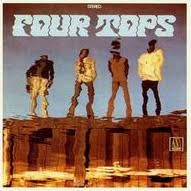
Still Waters Run Deep marks a pivotal moment in The Four Tops story. This album represented their most ambitious, conceptually unified statement up to that point — functioning almost as a suite of interconnected emotional narratives. The production here felt cinematic and layered, with each track flowing naturally into the next. Consequently, listeners experienced the record as a complete artistic statement rather than a collection of individual songs. Stubbs delivered one of his most nuanced vocal performances across these tracks. Furthermore, the group’s backing harmonies achieved a new level of sophistication, weaving intricate patterns around the lead vocal with impressive control. The Four Tops proved with this album that they could operate in the same conceptual space as the era’s most progressive soul artists. Additionally, the lyrical content explored emotional complexity with unusual depth for mainstream soul music. Still Waters Run Deep stands as one of their most rewarding and thoughtfully constructed records.
Changing Times (1970)
Changing Times arrived as both the world and Motown itself were shifting rapidly. The Four Tops responded by delivering an album that acknowledged social change without abandoning their emotional core. The production incorporated harder rhythmic textures and more assertive arrangements. Moreover, the lyrical themes grew more engaged with the wider world, reflecting the anxious energy of the early 1970s. Stubbs channelled this tension brilliantly, his vocals carrying both urgency and weary wisdom. Furthermore, the ensemble dynamics remained as tight as ever, proving that creative evolution need not come at the cost of group cohesion. The Four Tops navigated this stylistic moment with considerable skill. Additionally, the album contained several tracks that rivalled anything in their previous output for sheer intensity. In retrospect, Changing Times reads as an honest and musically successful attempt to stay relevant without compromising artistic integrity — a difficult balance that the group handled admirably.
Nature Planned It (1972)
Nature Planned It closed The Four Tops Motown chapter on a note of soulful sophistication. The album leaned into lush, orchestrated arrangements that recalled the grandeur of their mid-1960s peak. Yet the production also incorporated contemporary flourishes that kept the sound firmly in the early 1970s. Stubbs sang with an authority born of nearly a decade of recording experience. Furthermore, the group’s vocal interplay on this record felt especially warm and generous — each member seemingly attuned to the others’ instincts. Additionally, the songwriting explored themes of love, nature, and human connection with considerable lyrical finesse. The Four Tops brought genuine emotional investment to every track. Consequently, the album served as both a satisfying conclusion to their Motown years and a confident stepping stone toward the ABC-Dunhill chapter ahead. Nature Planned It rewarded listeners who paid close attention to detail — a fitting final statement from one of the label’s greatest acts.
The ABC-Dunhill Era: The 70s Shift (1972–1978) {#the-abc-dunhill-era}
Keeper of the Castle (1972)
Moving to ABC-Dunhill, The Four Tops wasted no time proving they remained a commercial and artistic force. Keeper of the Castle produced a genuine smash hit in its title track, which climbed confidently up the charts. The production here felt fresher and slightly rawer than the polished Motown sound — a deliberate repositioning that worked beautifully. Stubbs sounded energised by the new creative environment. Moreover, the album incorporated funk-inflected rhythms that placed The Four Tops squarely in the mainstream of early 1970s soul. Furthermore, the songwriting was strong throughout, with several tracks demonstrating the kind of melodic craftsmanship that had defined their best Motown work. Consequently, the transition felt organic rather than forced. The label change reinvigorated the group artistically at a moment when many of their contemporaries struggled to adapt. Keeper of the Castle stands as convincing proof that The Four Tops possessed a resilience and adaptability that set them apart.
Main Street People (1973)
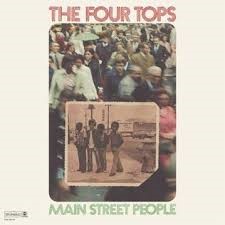
Main Street People deepened The Four Tops‘ exploration of the earthier, funkier sound they had begun developing at ABC-Dunhill. The album connected emotionally with working-class themes — love, struggle, everyday joy. This grounding gave the record a particular warmth and accessibility. Stubbs brought an almost conversational intimacy to several tracks, making the narratives feel immediate and real. Additionally, the production balanced contemporary groove with melodic sophistication, ensuring the record appealed across generational lines. Furthermore, the group’s harmonies remained impeccable, demonstrating that no amount of stylistic evolution could erode their fundamental vocal excellence. The Four Tops sounded comfortable and purposeful on this record — a group fully in command of their craft. Consequently, Main Street People earned respect from both fans and critics who had initially worried about the label transition. In short, this album confirmed that the group’s second creative chapter was off to a genuinely strong start.
Meeting of the Minds (1974)
Meeting of the Minds pushed The Four Tops toward a more collaborative, exploratory approach to their craft. The album felt like a group genuinely in conversation with each other and with their musical moment. The production grew more elaborate, incorporating sophisticated horn arrangements and richly textured rhythmic beds. Moreover, Stubbs shared more of the emotional weight with his bandmates, creating space for the ensemble to breathe and respond. Consequently, the group dynamic felt unusually democratic and alive. The Four Tops used this record to demonstrate that they were more than a lead singer with backing vocalists — they were a genuine creative unit. Furthermore, the thematic content explored mature, adult emotional terrain with considerable intelligence. Additionally, several tracks here rank among the finest of their ABC-Dunhill period. Meeting of the Minds rewards repeated listening and represents one of the more underrated entries in a discography full of worthy material.
Night Lights Harmony (1975)
Night Lights Harmony found The Four Tops leaning into a silkier, more sophisticated soul palette. The album traded some of the funkier edges of their recent output for lush, atmospheric arrangements that suited late-night listening. Stubbs modulated his delivery accordingly, bringing a hushed intensity to the ballads that proved particularly effective. Moreover, the production drew on the emerging Philadelphia soul influence without simply copying it — The Four Tops retained their own distinct identity throughout. Furthermore, the ensemble harmonies on slower tracks achieved a genuinely stunning beauty. Consequently, the album attracted listeners who perhaps preferred a smoother, more refined soul experience. Additionally, the rhythm tracks on uptempo cuts still carried genuine energy and drive. In short, Night Lights Harmony demonstrated the group’s remarkable versatility — equally capable of sweeping romantic grandeur and hard-driving groove depending on what a given song demanded. A polished, satisfying mid-decade entry.
Catfish (1976)
Catfish represented perhaps the most adventurous stylistic leap of The Four Tops‘ ABC-Dunhill tenure. The album embraced a grittier, bluesier approach that surprised some listeners. Nevertheless, the group inhabited this rawer territory with conviction and skill. Stubbs — always at his best when given emotional extremes to inhabit — delivered several remarkable vocal performances here. Moreover, the production stripped away some of the orchestral embellishment of previous records, placing the emphasis on rhythmic directness and vocal power. Consequently, Catfish felt more urgent and immediate than much of their recent work. The Four Tops demonstrated genuine musical courage by venturing away from safe commercial ground. Furthermore, the album’s blues influences connected the group back to the deeper roots of African American musical tradition. Additionally, several tracks here rank as genuine hidden gems for fans willing to explore beyond the obvious catalogue highlights. Catfish rewards the curious listener with something genuinely unexpected.
The Show Must Go On (1977)
The Show Must Go On carried a title that felt almost programmatic — and The Four Tops delivered on its implicit promise with characteristic determination. The album arrived at a moment when disco was reshaping the commercial landscape of popular music. Rather than fully surrendering to the trend, The Four Tops incorporated contemporary production elements while maintaining their essential soulful identity. Stubbs navigated the disco-influenced arrangements with a vocalist’s instinct, finding the emotional truth within the glossy production. Moreover, several tracks here demonstrated that the group could compete commercially without abandoning artistic substance. Furthermore, the ensemble dynamics remained sharp, proving that years of recording together had only deepened the group’s intuitive musical understanding. Consequently, The Show Must Go On functioned as a credible commercial release that respected both the group’s legacy and the demands of a changing market. The Four Tops showed, once again, that endurance requires genuine adaptability.
At The Top (1978)
At The Top closed the ABC-Dunhill chapter for The Four Tops on a note of polished professionalism. The album captured the group working comfortably within late-1970s soul and pop conventions. Production values were high throughout, reflecting the era’s appetite for clean, radio-friendly sound. Stubbs delivered with his customary authority, finding nuance even within more commercial framings. Moreover, the songwriting provided a solid foundation for the group’s performances, with several tracks offering genuinely memorable hooks. Additionally, the record demonstrated that The Four Tops retained commercial viability well into their second decade of recording — a testament to their enduring appeal. Furthermore, the group’s harmonies continued to provide a warm, distinctive sonic signature that set them apart from many contemporaries. Consequently, At The Top served its purpose effectively — a confident, well-crafted album that kept the group visible and relevant. Their Motown homecoming, still a few years away, would renew them artistically.
The 80s and Beyond (1981–1995) {#the-80s-and-beyond}
Tonight! (1981) ⭐ Features “When She Was My Girl”
Tonight! delivered one of The Four Tops‘ most unexpected commercial triumphs. “When She Was My Girl” became a genuine smash — climbing charts on both sides of the Atlantic and introducing the group to an entirely new generation of listeners. The production here balanced contemporary early-1980s pop soul with the group’s classic strengths. Stubbs sounded revitalised, attacking the lead vocal on the hit single with irresistible energy. Moreover, the surrounding album material supported the hit with consistent quality. Furthermore, The Four Tops demonstrated that they could navigate the sleeker production aesthetics of the new decade without losing their emotional authenticity. Consequently, Tonight! stands as one of the most commercially successful albums of their career’s latter phase. Additionally, it reminded the music industry that legacy acts with genuine talent could still generate genuine excitement. Tonight! remains essential listening for anyone tracing the full arc of The Four Tops story.
One More Mountain (1982)
One More Mountain arrived swiftly in the wake of Tonight!‘s success. The Four Tops worked to consolidate their renewed commercial momentum with a record that built carefully on the previous album’s strengths. The production retained the contemporary polish of Tonight! while introducing slightly more adventurous arrangements. Moreover, Stubbs remained in excellent vocal form throughout, bringing genuine conviction to each performance. However, the album struggled to produce a breakthrough hit on the scale of “When She Was My Girl.” Nevertheless, The Four Tops delivered a consistently solid collection that rewarded patient listening. Furthermore, several mid-tempo tracks demonstrated the group’s continuing ability to create emotionally resonant soul music. Consequently, One More Mountain holds up as an honest, well-crafted album even if it lacked the commercial fireworks of its predecessor. Additionally, it maintained the group’s visibility during a highly competitive period in pop music. A worthy if slightly overlooked entry in their catalogue.
Back Where I Belong (1983)
The return to Motown felt significant — both symbolically and artistically. The Four Tops came home with Back Where I Belong, and the reunion energised all involved. The album reconnected the group with the label that had made them global stars, bringing a sense of emotional completion to their career narrative. Stubbs sounded reinvigorated, his vocals carrying a warmth and ease that suggested genuine creative comfort. Moreover, the production drew on Motown’s heritage while incorporating 1980s contemporary production values. Consequently, the album sounded both familiar and fresh. The Four Tops approached these sessions with clear enthusiasm, and that energy translated directly into the performances. Furthermore, the song writing delivered several genuinely strong tracks that recalled the group’s classic-era strengths. Additionally, the reunion with Motown generated positive critical attention and reminded audiences of the group’s enduring importance. Back Where I Belong made its case clearly — this group still had plenty left to offer.
Magic (1985)
Magic demonstrated that The Four Tops continued to evolve even in their fourth decade as a recording act. The album embraced mid-1980s production aesthetics with confidence. Synthesisers and drum machines featured prominently, yet the group’s vocal strengths remained the dominant element throughout. Stubbs anchored every track with performances of unfailing emotional honesty. Moreover, The Four Tops showed genuine skill in adapting to contemporary production trends without sounding desperate or incongruous. Furthermore, the melodic quality of the songwriting here ensured the record felt substantive rather than merely fashionable. Consequently, Magic earned the group continued radio play and respectable commercial returns. Additionally, the album’s cleaner, more digital sound contrasts interestingly with their earlier Motown recordings — providing a useful entry point for listeners who discovered the group through 1980s radio. In short, Magic delivered exactly what its title suggested: the continuing, seemingly effortless appeal of a truly exceptional vocal group.
Hot Nights (1986)
Hot Nights pushed The Four Tops further into the contemporary R&B sound of the mid-1980s. The album prioritised rhythmic energy and dancefloor accessibility. Consequently, several tracks here carried a propulsive, club-ready quality that distinguished them from the group’s earlier ballad-heavy work. Nevertheless, Stubbs brought characteristic emotional depth to the performances, ensuring the record retained genuine soul beneath its polished surface. Moreover, The Four Tops engaged with the material enthusiastically rather than mechanically. The production moved fluidly between uptempo groove and romantic mid-tempo, giving the album a varied and engaging shape. Furthermore, the group’s harmonies adapted impressively to the digital production environment — no small achievement for vocalists trained in a very different sonic world. Additionally, Hot Nights connected with younger audiences who might otherwise have overlooked a group associated primarily with 1960s Motown. The Four Tops demonstrated, once again, that genuine talent transcends generational fashion.
Indestructible (1988)
The title was accurate. Indestructible arrived as a bold statement of longevity from The Four Tops — and the music backed it up. The album incorporated late-1980s production textures with considerable skill, featuring contributions from notable outside producers who clearly respected the group’s heritage. Stubbs delivered vocally with an authority that three decades of recording had only deepened and enriched. Moreover, The Four Tops approached the material with the kind of relaxed confidence that comes from knowing exactly who you are as artists. Furthermore, the record balanced commercial accessibility with genuine musical substance. Consequently, Indestructible earned strong critical notices and reminded the industry that the group remained a living, evolving creative force. Additionally, the album’s title track carried particular emotional resonance — a declaration of artistic survival from a group that had outlasted virtually every peer they’d started with. Indestructible was exactly the right album for this moment in their remarkable career.
Christmas Here with You (1995)
Christmas Here with You gave The Four Tops the opportunity to apply their extraordinary vocal gifts to the beloved tradition of the holiday album. The result was warm, generous, and thoroughly accomplished. The group brought genuine emotional investment to familiar seasonal material. Stubbs in particular infused classic songs with personal depth that elevated them beyond mere festive obligation. Moreover, the production treated the group’s harmonies as the album’s greatest asset — foregrounding the vocal blend throughout. Furthermore, The Four Tops approached the seasonal repertoire with respect and creativity, finding fresh angles on well-worn material. Consequently, the album distinguished itself from the crowded holiday release field through sheer vocal excellence. Additionally, it introduced younger family audiences to one of music’s great vocal groups through the accessible context of Christmas songs. The record closes a remarkable catalogue on a note of warmth, gratitude, and undiminished skill — entirely fitting for a group whose whole career embodied those qualities.
Closing Thoughts
The Four Tops built one of the most consistent and emotionally resonant bodies of work in the history of popular music. Across three decades of studio recordings, they moved through Motown’s golden age, the funk-inflected 1970s, and the digital 1980s without ever losing the essential quality that made them extraordinary — the ability to communicate genuine human feeling through extraordinary vocal performance. Levi Stubbs’ voice remains one of the most powerful instruments soul music ever produced. The bond between all four original members gave every recording a warmth and authenticity that no production technique could replicate or replace. Their story is one of loyalty, resilience, and uncompromising craft. For any music lover yet to explore their full catalogue, the journey that begins with “Reach Out I’ll Be There” leads somewhere truly worth going.