

Few bands reshaped modern music like Nirvana. Emerging from Seattle’s underground scene, Nirvana transformed alternative rock into a global force. Their music combined raw aggression with melodic instinct, creating a sound that felt both chaotic and accessible. As a result, Nirvana connected deeply with a generation searching for authenticity.
During the early 1990s, mainstream rock leaned heavily toward polished, commercial styles. However, Nirvana disrupted that formula with stripped-back production and emotionally direct song writing. Frontman Kurt Cobain led that charge, blending vulnerability with intensity in a way few artists matched. Consequently, Nirvana became the defining voice of the grunge movement.
Even today, Nirvana continues to influence artists across genres. Their albums remain essential listening for anyone exploring alternative rock history. Moreover, their cultural impact extends beyond music into fashion, attitude, and identity. This enduring relevance explains why Nirvana still dominates conversations about influential bands.
Below, you will find clear answers to the most searched questions about Nirvana, followed by a deep dive into their albums.
Quick Answers About Nirvana
How many studio albums did Nirvana release?
Nirvana released three studio albums. These include Bleach (1989), Nevermind (1991), and In Utero (1993). Each album shows a clear evolution in Nirvana’s sound and ambition.
What was Nirvana’s first song?
Nirvana’s first official release was “Love Buzz,” a cover of a song by Shocking Blue. It appeared as a single in 1988. This track introduced Nirvana’s raw energy and underground roots.
Why did Nirvana break up?
Nirvana ended in 1994 following the tragic death of Kurt Cobain. His passing marked the end of the band’s journey. As a result, Nirvana’s legacy became frozen in time.
What is the meaning behind the Nevermind album cover?
The cover features a baby swimming toward a dollar bill on a hook. It symbolizes innocence chasing materialism. Therefore, it reflects themes of capitalism and lost purity.
Who is the drummer for Nirvana?
Dave Grohl became Nirvana’s most famous drummer during their peak years. However, Chad Channing played drums on Bleach and shaped their early sound.
Core Studio Albums
Bleach (1989)

Bleach (1989) introduced Nirvana with a raw and aggressive sound rooted in the Seattle underground. Released on Sub Pop, this debut album reflects Nirvana’s early identity. The production feels heavy, gritty, and unpolished, which defines the era’s aesthetic.
From the opening track, Nirvana delivers thick guitar tones and sludgy rhythms. Songs like “Blew” and “Negative Creep” highlight their punk influences. However, “About a Girl” reveals a different side of Nirvana. This track introduces melody and structure, hinting at future mainstream success.
Throughout Bleach, Nirvana embraces distortion and repetition. Consequently, the album creates a hypnotic yet abrasive listening experience. Kurt Cobain’s vocals sound raw and urgent, which adds emotional intensity. Meanwhile, Chad Channing’s drumming provides a steady, driving backbone.
Although Bleach did not achieve immediate commercial success, it built a loyal following. Over time, listeners recognized its importance in shaping Nirvana’s trajectory. Furthermore, the album captured the essence of the Sub Pop sound.
Today, Bleach stands as a crucial chapter in Nirvana’s evolution. It documents their beginnings while showcasing their potential. Therefore, fans often revisit it to understand how Nirvana developed their signature style.
Nevermind (1991)

Nevermind (1991) changed the course of rock music and elevated Nirvana to global fame. Produced by Butch Vig, the album balances raw energy with polished production. As a result, Nirvana reached a massive audience without losing authenticity.
“Smells Like Teen Spirit” became an anthem almost instantly. Its explosive sound and rebellious tone captured youth frustration. Meanwhile, tracks like “Lithium” and “Come as You Are” showcase Nirvana’s melodic strength. Each song blends quiet verses with loud choruses, creating dynamic tension.
Importantly, Nirvana used Nevermind to challenge mainstream rock trends. At the time, hair metal dominated charts. However, this album shifted attention toward alternative rock. Consequently, Nirvana led a cultural shift that reshaped the industry.
Kurt Cobain’s songwriting shines throughout the album. He combines introspection with aggression, creating relatable themes. Additionally, Dave Grohl’s powerful drumming adds intensity and precision.
Even decades later, Nevermind remains a defining album in Nirvana’s catalogue. Its influence continues across genres and generations. Therefore, many consider it essential listening for understanding modern rock history.
Incesticide (1992)
Incesticide (1992) offers a deeper look into Nirvana’s underground roots and creative diversity. This compilation gathers B-sides, demos, and rare tracks. As a result, it provides fans with a broader understanding of Nirvana’s artistic range.
Unlike their studio albums, Incesticide feels less structured. However, that unpredictability highlights Nirvana’s experimental side. Tracks like “Aneurysm” deliver high-energy punk aggression. Meanwhile, “Sliver” showcases a more playful and accessible tone.
Importantly, Nirvana uses this collection to reconnect with their early influences. The album reflects their love for punk and indie music. Therefore, it serves as a bridge between their underground beginnings and mainstream success.
Kurt Cobain’s vocals vary greatly across the album. At times, he sounds chaotic and intense. However, softer moments reveal vulnerability and nuance. This contrast defines Nirvana’s appeal.
Although Incesticide lacks the cohesion of a traditional album, it remains essential for fans. It captures the band’s evolution in real time. Furthermore, it highlights how Nirvana balanced experimentation with identity.
Ultimately, Incesticide strengthens Nirvana’s legacy by showcasing their versatility. It proves they could thrive both inside and outside mainstream expectations.
In Utero (1993)
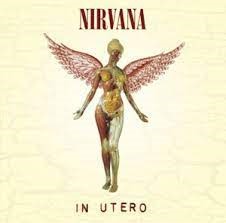
In Utero (1993) represents Nirvana’s deliberate shift away from mainstream polish. Produced by Steve Albini, the album embraces a raw and abrasive sound. Consequently, Nirvana reasserted their artistic independence.
Tracks like “Heart-Shaped Box” and “Rape Me” confront listeners with intensity. However, “All Apologies” offers a more reflective tone. This contrast defines the album’s emotional depth. Nirvana balances chaos with vulnerability throughout.
Importantly, In Utero responds directly to the success of Nevermind. Kurt Cobain sought to avoid commercial expectations. Therefore, Nirvana pursued a more authentic and unfiltered approach.
The production emphasizes live recording techniques. As a result, the album feels immediate and visceral. Dave Grohl’s drumming remains powerful, while Cobain’s vocals sound raw and exposed.
Despite its challenging sound, In Utero achieved commercial success. It also received critical acclaim for its honesty. Moreover, the album reinforced Nirvana’s credibility within the alternative scene.
Today, In Utero stands as one of Nirvana’s most compelling works. It captures their refusal to compromise. Therefore, it remains essential for understanding their artistic vision.
Essential Live & Compilations
MTV Unplugged in New York (1994)

MTV Unplugged in New York (1994) reveals a completely different side of Nirvana. Recorded in an intimate setting, the album strips away distortion. As a result, Nirvana highlights melody and emotion.
Instead of focusing on hits, Nirvana chose unexpected songs and covers. Performances of “About a Girl” and “All Apologies” feel deeply personal. Meanwhile, covers like “The Man Who Sold the World” expand their musical scope.
Kurt Cobain delivers one of his most powerful vocal performances here. His voice sounds fragile yet expressive. Consequently, the album captures a haunting atmosphere.
The acoustic format allows Nirvana’s song writing to shine. Each arrangement feels deliberate and nuanced. Dave Grohl adapts his drumming style, adding subtlety and restraint.
Released after Cobain’s death, the album gained emotional weight. Fans connected deeply with its tone and vulnerability. Therefore, it became one of Nirvana’s most beloved releases.
Even today, MTV Unplugged in New York showcases Nirvana’s versatility. It proves they could move beyond grunge without losing identity.
![MTV Unplugged In New York [VINYL]](https://m.media-amazon.com/images/I/61kVo9GKvjL._AC_SY355_.jpg)
From the Muddy Banks of the Wishkah (1996)
From the Muddy Banks of the Wishkah (1996) captures Nirvana’s raw live energy. This compilation features performances from various concerts. As a result, it highlights their intensity on stage.
Unlike the acoustic Unplugged album, this release emphasizes loud and chaotic performances. Tracks like “School” and “Breed” deliver relentless power. Nirvana thrives in this environment, feeding off audience energy.
Kurt Cobain’s stage presence feels unpredictable and electrifying. His vocals often sound rough, yet they carry emotional force. Meanwhile, Dave Grohl’s drumming drives each performance forward.
Importantly, the album showcases Nirvana’s connection with live audiences. Their concerts felt immersive and unpredictable. Therefore, this compilation preserves that experience.
Although recorded across different shows, the album maintains a cohesive feel. The consistent energy ties everything together. Furthermore, it reinforces Nirvana’s reputation as a powerful live band.
Today, From the Muddy Banks of the Wishkah remains essential for fans. It captures Nirvana at their loudest and most intense. Consequently, it complements their studio recordings perfectly.
Nirvana’s impact extends far beyond their short career. Through just a handful of albums, Nirvana reshaped rock music and challenged industry norms. Each release reveals a different aspect of their identity, from raw beginnings to global influence.
Importantly, Nirvana never followed trends. Instead, they created music that felt honest and immediate. That authenticity continues to resonate with listeners today. Moreover, their willingness to evolve keeps their catalogue relevant.
For new listeners, exploring Nirvana offers a journey through alternative rock history. For long-time fans, their music still feels fresh and meaningful. Therefore, Nirvana remains a cornerstone of modern music culture.
Ultimately, Nirvana still matters because their music speaks across generations. Their legacy endures, not through quantity, but through lasting impact.