
Few bands have left a mark on rock music quite like Guns N’ Roses. Born in the gritty clubs of Los Angeles in 1985, the band tore through the music world with raw energy, unforgettable riffs, and a rebellious attitude that defined a generation. From their explosive debut to their long-awaited comeback, Guns N’ Roses have given fans some of rock’s most iconic moments. Whether you’re a lifelong devotee or a curious newcomer, this guide covers everything you need to know — the albums, the hits, and the legacy.
The Most Asked Questions About Guns N’ Roses
How many albums does Guns N’ Roses have? Guns N’ Roses have released six studio albums spanning from 1987 to 2008. Each record marks a distinct chapter in the band’s evolution — from the raw, street-level rock of their debut to the sprawling, ambitious soundscapes of their later work. While six studio albums may seem modest, the depth, range, and cultural weight of those records place Guns N’ Roses firmly among rock’s all-time greats.
Is the original Guns N’ Roses line-up back together? Not entirely — but the reunion that matters most to fans is very much alive. Axl Rose, Slash, and Duff McKagan, the core of the classic lineup, are currently touring together. Their “Not in This Lifetime…” reunion, which began in 2016, became one of the highest-grossing concert tours in history. The three continue to perform and create together, reigniting the chemistry that made the band legends in the first place.
What is the best-selling Guns N’ Roses album? Appetite for Destruction, released in 1987, holds that title without question. It is one of the best-selling debut albums in rock history, having sold over 30 million copies worldwide. Powered by anthems like “Welcome to the Jungle” and “Sweet Child O’ Mine”, the album catapulted Guns N’ Roses from the Sunset Strip to global superstardom almost overnight.
Have Guns N’ Roses released new music recently? Yes — and fans have been excited about it. Ahead of their 2026 tour, Guns N’ Roses released two brand-new tracks: “Nothin'” and “Atlas”. These songs signal that the band’s creative energy remains very much alive. While a full new studio album has not been confirmed, the releases demonstrate that Guns N’ Roses are far from coasting on nostalgia alone.
The Complete Guns N’ Roses Album Guide
1. Appetite for Destruction (1987)
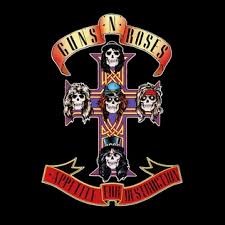
Appetite for Destruction did not just launch a career — it detonated one. Released in July 1987, this debut album announced Guns N’ Roses to the world with a force that few rock records have matched. The band recorded it raw and hungry, channeling the chaos of Hollywood’s Sunset Strip into twelve tracks of pure, unfiltered rock and roll. Consequently, the album captured something real — a band living on the edge and making no apologies for it.
The opening riff of “Welcome to the Jungle” remains one of rock’s most recognisable moments. Meanwhile, “Sweet Child O’ Mine” showcased Slash’s extraordinary guitar work and Axl Rose’s incredible vocal range in the same breath. Additionally, tracks like “Paradise City” and “Night Train” cemented the record as one of the most complete rock debuts ever made.
However, success was not immediate. The album initially sold modestly, but after MTV picked up “Welcome to the Jungle”, everything changed. Furthermore, the momentum built rapidly as each single connected with a generation hungry for something dangerous and real. Guns N’ Roses delivered exactly that.
Today, Appetite for Destruction stands as one of the best-selling albums in rock history, with over 30 million copies sold worldwide. Therefore, its cultural reach extends far beyond chart statistics. It remains essential listening and the definitive starting point for understanding why Guns N’ Roses matter so much.
2. G N’ R Lies (1988)
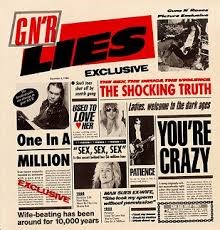
G N’ R Lies, released in November 1988, is a fascinating and often underrated chapter in the Guns N’ Roses story. The record combines two distinct halves. The first four tracks come from the band’s 1986 EP, Live ?!@ Like a Suicide, presenting loud, energetic, and deliberately rough rock and roll. The second half, however, shifts dramatically — offering four acoustic tracks that revealed a softer, more introspective side.
That acoustic side surprised many fans. “Patience”, the album’s standout track, became a massive hit and showcased a completely different dimension of Guns N’ Roses. Axl’s whistled intro and the song’s gentle longing connected with audiences in an unexpected way. Consequently, it proved that the band could move beyond the raw aggression of Appetite for Destruction without losing their authenticity.
Elsewhere, “Used to Love Her” drew both laughs and controversy with its darkly comic tone. Meanwhile, “One in a Million” sparked significant backlash over its lyrics, generating controversy that followed the band for years. Nevertheless, the album sold exceptionally well, reaching platinum status multiple times over.
G N’ R Lies is therefore important not just commercially but creatively. It demonstrated the range within Guns N’ Roses — a band capable of stripping things back and still commanding attention. Furthermore, it built enormous anticipation for what would come next, setting the stage for the band’s most ambitious project.
3. Use Your Illusion I (1991)
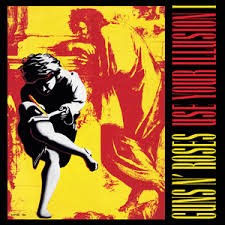
Released simultaneously with its companion record on September 17, 1991, Use Your Illusion I represented a massive creative leap for Guns N’ Roses. Where Appetite for Destruction was lean and ferocious, this album is expansive and layered. The band clearly had no interest in repeating themselves — instead, they pushed into new emotional and musical territory with remarkable ambition.
“November Rain” is the centrepiece and arguably the band’s greatest achievement. At nearly nine minutes long, it builds from a tender piano ballad into a sweeping orchestral rock epic. Additionally, the accompanying music video, shot like a short film, became one of MTV’s most-watched clips of the era. Furthermore, “Don’t Cry” offered another emotionally rich ballad that resonated deeply with fans.
The album also delivered harder-edged material. “Right Next Door to Hell” opens the record with aggression and attitude, proving that Guns N’ Roses had not abandoned their rock roots. Likewise, “Live and Let Die” — a cover of the Paul McCartney classic — was delivered with ferocious energy.
However, the album’s ambition occasionally works against it. Some fans find the record sprawling and uneven. Nevertheless, its high points are genuinely extraordinary. Use Your Illusion I remains a bold statement of artistic intent — proof that Guns N’ Roses were determined to grow beyond expectations, even at the risk of alienating those who wanted another Appetite.
4. Use Your Illusion II (1991)
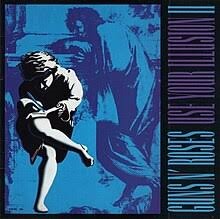
Released on the same day as its counterpart, Use Your Illusion II is widely considered the stronger of the two records — and arguably the more emotionally complex album Guns N’ Roses ever made. While the first volume aimed wide, this one cuts deeper, delivering some of the most powerful and politically charged material in the band’s catalogue.
“Civil War” opens with a haunting spoken word sample before erupting into a fierce anti-war anthem. The track demonstrates that Guns N’ Roses were thinking beyond rock stardom — they were engaging seriously with the world around them. Similarly, “Estranged” is an epic emotional journey, clocking in at nearly ten minutes and matching “November Rain” in its cinematic ambition.
“You Could Be Mine” provided the album’s most immediate rock moment. Featured in the Terminator 2 film, it became one of the band’s most beloved songs. Furthermore, the track’s muscular riff and combative energy perfectly represented the Guns N’ Roses attitude at its most confident.
The album also contains “Knockin’ on Heaven’s Door”, a cover that the band fully claimed as their own through sheer conviction. Additionally, the record closes with the sprawling “Estranged”, leaving listeners with a sense of emotional exhaustion — in the best possible way. Together, both Use Your Illusion records represent the peak of Guns N’ Roses‘ artistic ambition.
5. “The Spaghetti Incident?” (1993)
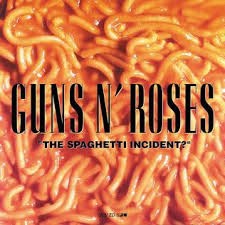
“The Spaghetti Incident?”, released in November 1993, is the most unconventional entry in the Guns N’ Roses catalogue. Rather than original compositions, the album is entirely made up of punk and glam rock covers — a love letter to the music that shaped the band’s early identity. Consequently, it offers a unique window into the influences behind one of rock’s biggest acts.
The track list spans a range of acts, including The Stooges, The New York Dolls, and UK Subs. “Since I Don’t Have You” — originally by The Skyliners — received the most radio attention and became the album’s best-known moment. Meanwhile, “Ain’t It Fun” brought raw punk energy and attitude to the forefront, reminding fans where Guns N’ Roses came from.
However, the album arrived during a period of internal tension. The classic lineup was fracturing — several key members had already departed or were on their way out. Therefore, “The Spaghetti Incident?” carries a slightly melancholy context, knowing what came after.
Critics offered mixed reviews. Some appreciated the honesty and fun of the project; others saw it as a holding pattern. Nevertheless, for fans willing to engage on its own terms, the album rewards listening. Furthermore, it preserves a fascinating moment in Guns N’ Roses history — a band honouring their roots even as their future became increasingly uncertain.
6. Chinese Democracy (2008)

Chinese Democracy, released in November 2008, is one of the most anticipated and talked-about albums in rock history — and one of the most polarising. The record took approximately fifteen years to complete, consuming enormous resources, countless personnel changes, and more studio time than almost any album before it. Therefore, the expectations placed upon it were simply impossible to meet.
By the time it arrived, Guns N’ Roses was essentially Axl Rose and a rotating cast of collaborators. Slash, Duff, and other classic members were long gone. Consequently, the album sounds fundamentally different from anything that came before. It is dense, layered, and meticulously produced — a far cry from the raw immediacy of Appetite for Destruction.
Nevertheless, Chinese Democracy contains genuinely compelling music. The title track is a brooding, industrial-tinged statement of intent. Furthermore, “Better” delivered a sharp, aggressive hook that reminded listeners of Axl’s singular vocal power. Additionally, “Street of Dreams” offered a sweeping emotional quality that echoed the grandeur of “November Rain”.
Critics were divided. Some praised its ambition; others called it bloated and overworked. However, over time, the album has earned a degree of reassessment. Many fans now appreciate it as a fascinating — if flawed — document of an artist pursuing an impossible vision. As the most recent studio album from Guns N’ Roses, it remains a complex and compelling piece of rock history.
The Legacy Lives On
Guns N’ Roses have never been a band content to stand still. Across six studio albums and nearly four decades, they have delivered moments of raw brilliance, emotional depth, and genuine danger that few rock acts can match. From the street-level fury of Appetite for Destruction to the sprawling ambition of the Use Your Illusion records, their catalogue rewards listeners who engage with it fully. The recent releases of “Nothin'” and “Atlas”, alongside the ongoing reunion of Axl, Slash, and Duff, suggest that the story is far from over. Whether you are revisiting old favourites or discovering the band for the first time, one thing remains certain — Guns N’ Roses still have something to say, and rock music is better for it.