

Jefferson Starship’s story stretches across decades of reinvention, shifting lineups, and changing musical climates. However, few bands navigated rock history with such flexibility and longevity.
From West Coast counterculture roots to glossy MTV dominance, Starship Albums document every phase of that evolution.
This guide explores every major era, highlights creative shifts, and explains why these records still matter today.
Who were the original members of Jefferson Starship?
Jefferson Starship formed in 1974 as a continuation of Jefferson Airplane’s legacy. Paul Kantner and Grace Slick anchored the band’s creative vision from the start. Meanwhile, David Freiberg added melodic depth after time with Quicksilver Messenger Service. Craig Chaquico brought a melodic guitar style that shaped early Starship Albums. Papa John Creach expanded the sound with electric violin flourishes.
John Barbata and Peter Kaukonen completed a lineup built for experimentation and accessibility.
Why did Jefferson Starship change their name to Starship?
Tensions increased as the band moved toward mainstream pop success. Eventually, Paul Kantner departed in 1984 over creative differences. Subsequently, legal action forced the group to drop “Jefferson” from the name. By 1985, Starship emerged as a streamlined pop-rock act. That shift directly influenced the sound and success of later Starship Albums.
Is Jefferson Starship still touring in 2026?
Yes, Jefferson Starship continues touring actively in 2026. David Freiberg still leads the band as a co-founder. Additionally, Cathy Richardson delivers powerful lead vocals. Donny Baldwin provides rhythmic continuity from earlier eras. As a result, the band balances legacy material with renewed energy onstage.
What is the connection between Jefferson Starship and SEO?
Surprisingly, band lore includes a tongue-in-cheek SEO origin story. In the mid-1990s, their manager reportedly complained about poor search rankings. Allegedly, the frustration inspired early conversations about “search engine optimization.” While playful, the story adds charm to the mythology surrounding Starship Albums.
The Classic Era: Jefferson Starship (1974–1984)
Dragon Fly (1974)
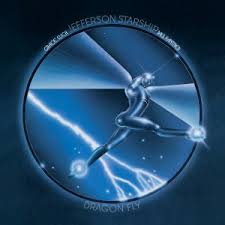
Released in 1974, Dragon Fly launched the official Jefferson Starship era. Notably, “Ride the Tiger” set a confident, arena-ready tone. Musically, the album blended psychedelic rock with emerging hard-rock edges. Lyrically, themes of independence and transition dominated the writing. Critics praised the energy, although some missed Jefferson Airplane’s chaos. Commercially, the album performed solidly and built momentum. Importantly, Starship Albums truly began finding a new identity here. Therefore, Dragon Fly remains a foundational statement.
Red Octopus (1975)
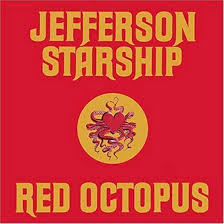
Red Octopus arrived in 1975 and became a commercial breakthrough. “Miracles” dominated radio and defined the band’s softer side. Consequently, the album leaned toward polished melodic rock.
Themes of love and vulnerability replaced earlier political abstraction. Critics responded positively to the band’s tightened songwriting. Sales soared, making it their biggest 1970s success. Among Starship Albums, this release reshaped public perception permanently.
Spitfire (1976)
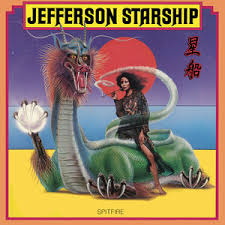
Released in 1976, Spitfire continued Jefferson Starship’s commercial rise. “With Your Love” showcased Grace Slick’s commanding vocal presence. Stylistically, the album balanced radio hooks with layered arrangements. Meanwhile, lyrical content explored relationships and personal change. Critical reaction remained strong, although experimentation decreased slightly. Commercially, the album performed very well. As a result, Starship Albums entered a more consistent mainstream phase.
Earth (1978)
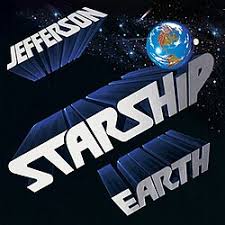
Earth arrived during a turbulent period for the band. Nevertheless, “Count on Me” delivered another massive hit. Musically, the album embraced soft rock and adult contemporary styles. Themes focused on unity, reassurance, and emotional stability. Critics offered mixed reactions due to its smoother direction.
Still, strong sales reinforced the band’s mass appeal. Within Starship Albums, Earth marks a pivotal stylistic pivot.
Freedom at Point Zero (1979)
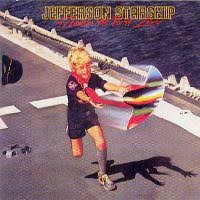
Released in 1979, Freedom at Point Zero introduced Mickey Thomas. “Jane” injected hard-rock aggression into the band’s sound. Therefore, the album felt sharper and more urgent. Lyrically, themes addressed resilience and reinvention. Critics praised the renewed intensity and vocal power. Commercially, the album reenergized the band’s momentum. Among Starship Albums, it stands as a rebirth moment.
Modern Times (1981)
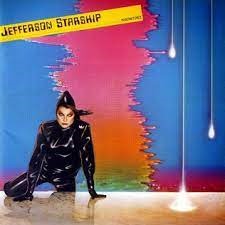
Modern Times followed with a refined, radio-ready sound. “Find Your Way Back” reinforced Mickey Thomas’s frontman role. Musically, the album blended arena rock with polished production.
Meanwhile, lyrics explored self-reflection and perseverance. Critical response remained favorable, though less enthusiastic. Sales stayed strong, maintaining commercial consistency. Consequently, Starship Albums continued evolving without losing identity.
Winds of Change (1982)
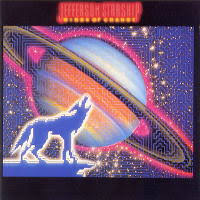
Released in 1982, Winds of Change reflected internal uncertainty. “Be My Lady” highlighted emotional vulnerability and melodic focus. Stylistically, the album leaned toward softer rock textures.
Themes emphasized transition and personal relationships. Critics delivered mixed reviews, citing uneven energy. Commercial performance declined compared to earlier releases. Even so, Starship Albums showed adaptability during shifting musical trends.
Nuclear Furniture (1984)
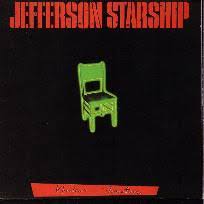
Nuclear Furniture closed the Jefferson Starship era dramatically. “No Way Out” delivered one of their hardest-hitting singles. Musically, the album fused arena rock with polished production.
Lyrical themes reflected tension, urgency, and fragmentation. Critics praised the intensity but sensed internal fractures. Commercially, the album performed well despite turmoil. Within Starship Albums, it represents an explosive turning point.
The Pop Era: Starship (1985–1991)
Knee Deep in the Hoopla (1985)
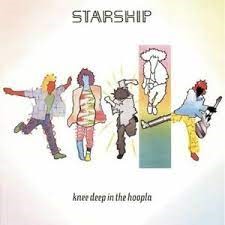
Released in 1985, Knee Deep in the Hoopla redefined the band. “We Built This City” and “Sara” dominated global charts. Musically, the album embraced glossy synth-driven pop rock. Themes shifted toward romance and ambition. Critics debated authenticity, although audiences responded massively.
Sales soared worldwide, marking peak commercial success. Among Starship Albums, this release reshaped their legacy.
No Protection (1987)
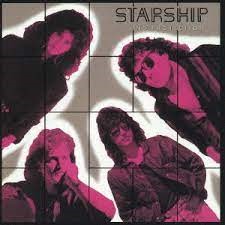
No Protection continued Starship’s pop-rock dominance. “Nothing’s Gonna Stop Us Now” became a defining power ballad. Musically, production leaned heavily into 1980s polish. Lyrical themes emphasized optimism and perseverance. Critical response softened, though fans remained loyal.
Commercially, the album performed strongly worldwide. As a result, Starship Albums stayed culturally relevant.
Love Among the Cannibals (1989)
Released in 1989, this album reflected changing pop tastes. “It’s Not Enough” showcased emotional restraint and maturity. Musically, the album softened its bombast. Themes focused on introspection and fractured relationships. Critics appreciated the subtlety but missed earlier hits. Sales declined compared to predecessors. Still, Starship Albums gained emotional depth here.
The Modern Era: Jefferson Starship Revived (1992–Present)
Windows of Heaven (1998)
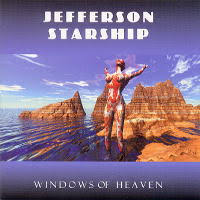
Windows of Heaven marked a return to classic rock roots. Musically, the album favored organic instrumentation. Themes emphasized reflection, spirituality, and legacy. Critics welcomed the authenticity and restraint. Commercial impact remained modest but respectable. Importantly, Starship Albums reclaimed earlier artistic values.
Jefferson’s Tree of Liberty (2008)
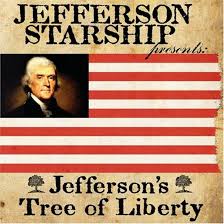
Released in 2008, this album focused on protest and folk traditions. The band reinterpreted historic political songs. Musically, arrangements stayed stripped-down and reverent. Themes highlighted freedom, dissent, and civic responsibility. Critics praised the concept and execution. Although niche, Starship Albums expanded thematically here.
Mother of the Sun (2020)
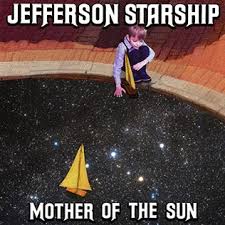
This seven-track EP arrived during global uncertainty. “It’s About Time” addressed unity and perseverance. Musically, the album balanced classic rock with modern production. Themes reflected resilience and historical awareness. Critics praised its focus and relevance. Among recent Starship Albums, it resonated deeply with longtime fans.
Across five decades, Jefferson Starship continually reinvented themselves. Each era brought new sounds, challenges, and creative risks. Ultimately, Starship Albums document one of rock’s most adaptable careers. Few bands navigated cultural change with such persistence. That longevity secures Jefferson Starship’s enduring place in music history.