

A lot of people are in the same spot right now. They still have a shoebox of mixtapes, old radio recordings, and cassettes bought on impulse at gigs, but the rest of their listening life is wireless.
That tension is exactly why Modern Cassette Players with Bluetooth have stopped feeling like a gimmick and started feeling useful. You can keep the tactile ritual of pressing play, hearing the mechanism engage, and watching the reels turn, while still sending audio to Bluetooth headphones or a speaker that fits how people listen now.
From a DJ’s perspective, that matters more than most buying guides admit. A cassette player is not just a novelty on a shelf. It is either dependable enough to use in a real room, around real people, on a real schedule, or it is not. The difference shows up fast when you are setting atmosphere before guests arrive, cueing a themed lounge corner, or building a moment around a tape someone has kept for years.
The Perfect Blend of Nostalgia and Modern Tech
A familiar scene plays out at private parties and weddings. Someone brings over a cassette they have not played in years. It might be a parent’s soul compilation, a home-recorded funk mix, or a tape made for a relationship long before streaming playlists existed.
The emotional pull is immediate. The practical problem is obvious. Many people do not want to be tethered to old wired headphones or unreliable vintage gear just to hear it again.
That is where modern cassette players with Bluetooth make sense. They preserve the ceremony of physical media while removing the most frustrating part of using it in 2026. You still load the tape by hand. You still get the analogue character people love. But you can listen through modern speakers, portable PA systems, or wireless headphones without turning the whole experience into a technical rescue mission.
For event use, that shift is more important than it sounds. A cassette player that works with Bluetooth can slot into a room far more easily than an older portable deck that depends on ageing sockets, loose batteries, or fragile internals. It becomes a tool for atmosphere, not just a collector’s object.
Why that matters in real listening
The appeal is not only sonic. It is behavioural.
People interact with a cassette differently from a stream. They read the handwritten spine. They remember who made the tape. They commit to a side instead of skipping every few seconds. That slower, more intentional mode of listening changes the mood in a room.
A lot of modern retro gear tries too hard to be cute. The better cassette players do something smarter. They keep the tactile experience and update the weak points.
- Wireless output: useful for headphones, compact speakers, and flexible room setups
- Rechargeable power: easier than chasing AA batteries before a journey or event
- Better portability: more realistic for travel, gifting, and occasional pro use
- Cleaner integration: simpler to include in a listening corner, lounge area, or home setup
For anyone drawn to music that feels physical and personal, that balance is the whole point. The appeal is close to what you see in this visual take on personal music moments. The gear supports the memory instead of distracting from it.
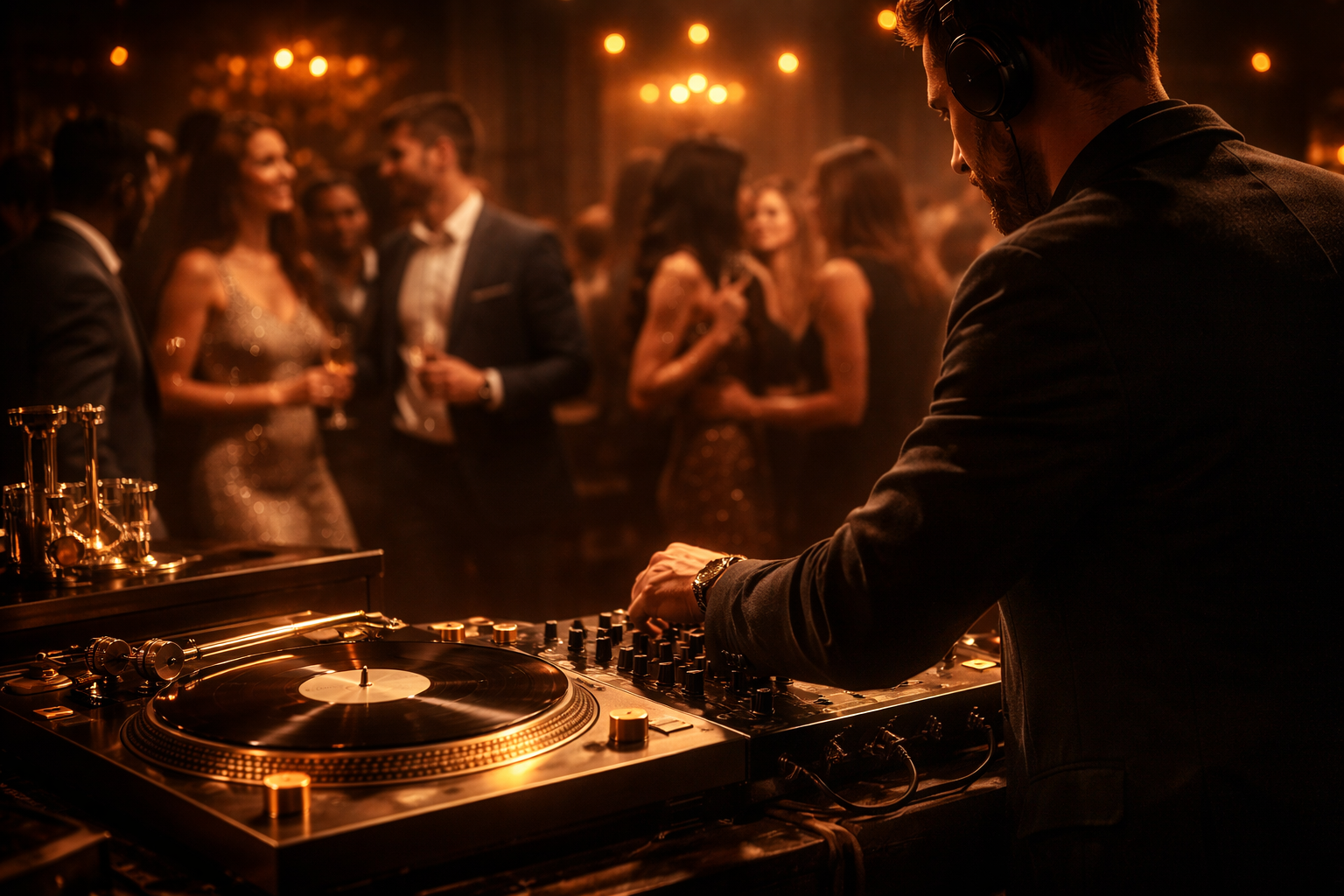
The best modern cassette players do not try to replace vintage decks. They make cassette listening practical again for people who live in a wireless world.

Why the Cassette Is Making a Comeback in 2026
The return of cassette listening is not just a niche collector story. It sits at the meeting point of culture, design, and convenience.
In the UK, demand has grown alongside a broader appetite for physical media and retro formats. According to ReportPrime’s cassette player market projection, the cassette player market is projected to grow from USD 192.06 million in 2025 to USD 302.40 million by 2032 at a CAGR of 6.70%, with the UK contributing notably because Millennials and Gen Z represent over 40% of physical media buyers.
That matters because it explains who is driving the comeback. It is not only people replacing a broken Walkman from the 1990s. It is also younger listeners who grew up with streaming and now want something tangible, limited, and memorable.
Physical media changes how people listen
Streaming is unmatched for access. It is not unmatched for attachment.
A cassette gives music a shape. The sequence matters. The artwork matters. Even the inconvenience has value because it slows the listener down. With instant access to everything, that friction can feel refreshing.
For serious music fans, cassettes also sit in a sweet spot between collectability and usability. Vinyl can be more ceremonial and more expensive to store properly. CDs can feel clinical to some listeners. Cassettes keep some rough edges. That is part of their charm.
Bluetooth removed the biggest barrier
The comeback would be far smaller if modern players had stayed stuck in the old compromises.
Bluetooth changed that. Once you can play a tape through wireless headphones or a speaker in another part of the room, the format stops feeling sealed off from current life. That makes cassettes far easier to use in flats, shared homes, studios, and events where mobility matters.
This also helps explain why modern players are appearing in spaces beyond hobby listening. They work for themed bars, brand activations, listening corners, private parties, and wedding details where the object itself adds atmosphere.
Nostalgia is part of it, but not all of it
Nostalgia gets the headline. Utility keeps the format alive.
People return to cassettes for different reasons:
- Memory: old mixtapes, family recordings, radio recordings, and music tied to a period of life
- Aesthetic: the look and feel of tapes, cases, labels, and mechanical playback
- Discovery: small artists and boutique labels still use cassette as a creative format
- Atmosphere: a tape playing in a room creates a different emotional texture from an autoplay playlist
There is also a subtle shift in taste behind the resurgence. Many listeners are tired of music feeling weightless. A cassette asks you to choose something and stay with it.
The cassette comeback is not driven by sound quality alone. It is driven by ritual, identity, and the pleasure of owning a physical playlist.
For DJs and event organisers, that has practical value. Guests notice details that feel considered. A tape deck in the right corner of the room does more than play music. It signals intention.
Essential Features of a High-Quality Bluetooth Cassette Player
A modern cassette player can look convincing and still be disappointing in use. The gap between a stylish object and a usable machine is wide.
If the goal is real listening, or occasional event use, a few details matter far more than flashy retro branding.
Start with the transport and playback quality
The tape mechanism is everything. If the transport is unstable, no amount of design polish will save it.
Look for signs that a player can hold speed consistently, keep the tape moving smoothly, and avoid obvious wobble in playback. If a unit sounds noticeably different depending on how you hold it, or if movement causes dropouts, it will frustrate you quickly.
The spec sheet does not always tell the whole story, but some clues help:
- Signal-to-noise ratio: a higher SNR generally means less background noise in playback
- Frequency response: this shows how much of the audible range the player can reproduce
- Low distortion: especially important if you want cleaner playback rather than murky novelty sound
Not everyone needs studio-grade tape reproduction from a portable unit. Many people do need something that sounds stable, balanced, and believable.
Bluetooth version matters more than marketing copy
If a modern player includes Bluetooth, do not treat that as a box-tick feature. Version and implementation affect how pleasant the device is to use.
A newer Bluetooth version usually means a more dependable connection and a more modern user experience. That matters if you plan to pair with speakers at an event, move around a room with headphones on, or avoid the lag and fiddling older wireless connections can bring.
What to prioritise:
- Connection stability: unreliable pairing ruins the point of wireless convenience
- Low-latency behaviour: especially helpful if you are monitoring closely
- Simple controls: pairing should not require repeated trial and error
Rechargeable battery beats disposable batteries for most buyers
For daily use, a built-in rechargeable battery is one of the clearest upgrades over older portables.
Disposable batteries still have their place. They are easy to swap. But for many listeners, USB charging is more practical. It suits travel, home listening, and event prep better than digging through drawers for fresh cells.
A useful cassette player should feel easy to keep ready. If charging is awkward or battery life is inconsistent, you will use it less.
Recording is not a niche feature
A lot of buyers focus only on playback. That is a mistake.
Recording adds a second life to the machine. It lets you make spoken intros, dub playlists onto tape, create gifts, archive ideas, or build mood-specific mixes for a room. For DJs, recording inputs and level control matter because they affect whether the result is charmingly lo-fi or unusable.
Prioritise recording if you plan to:
- Make bespoke mixtapes for gifts, listening sets, or event details
- Transfer audio from a phone or laptop using a direct input
- Capture spoken messages or themed intros that make a tape feel personal
Build quality tells you how the player will age
Portable cassette players live in bags, on shelves, on coffee tables, and sometimes in transit cases. Cheap plastics and flimsy doors show wear quickly.
A metal or aluminium body tends to feel better in the hand and often inspires more confidence. Buttons should click decisively. Hinges should not feel loose. The player should feel like an object built to be used, not just displayed.
If a cassette player feels toy-like in the hand, it usually sounds toy-like in use.
Real-world buying priorities
If choosing between style and reliability, pick reliability.
If choosing between novelty extras and stable playback, pick stable playback.
If choosing between the cheapest available option and one with stronger battery, cleaner wireless performance, and better recording controls, the better-built machine is usually the wiser buy. The point of modern cassette players with Bluetooth is convenience without losing character. A player that only delivers character is only doing half the job.
Comparing the Top Modern Cassette Players of 2026
A tape player gets judged quickly at an event. If the door feels flimsy, the transport wobbles, or Bluetooth pairing turns into a two-minute delay, the retro charm disappears fast. From the DJ booth, these machines are either useful tools or table props.
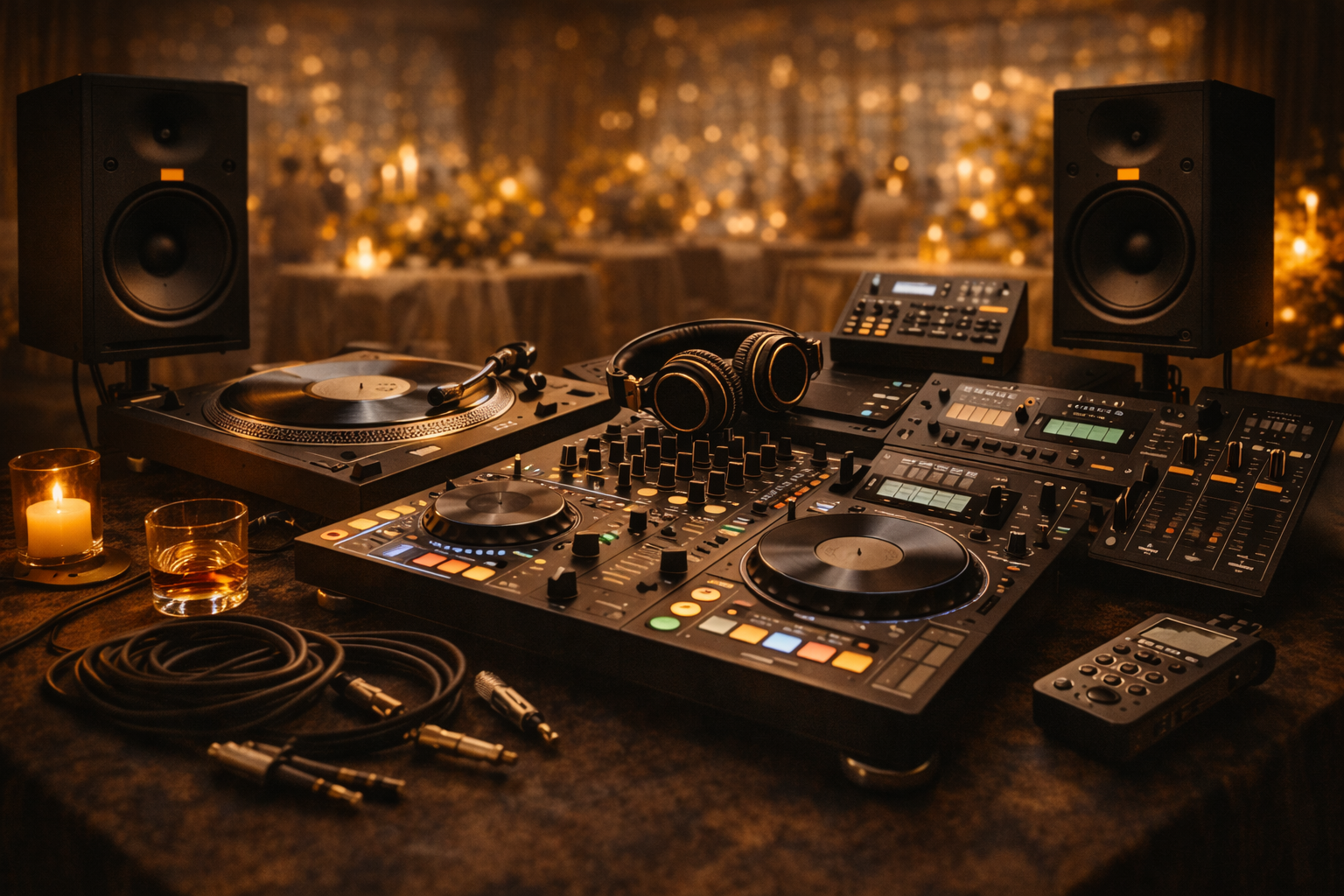
That distinction matters in 2026 because the market is split. Some modern cassette players are built for real listening and light recording. Others are styled to photograph well, then disappoint once you run a tape through them. If you want a quick visual sense of the differences, this DJ booth reference image for modern retro playback setups captures the kind of use case I have in mind.
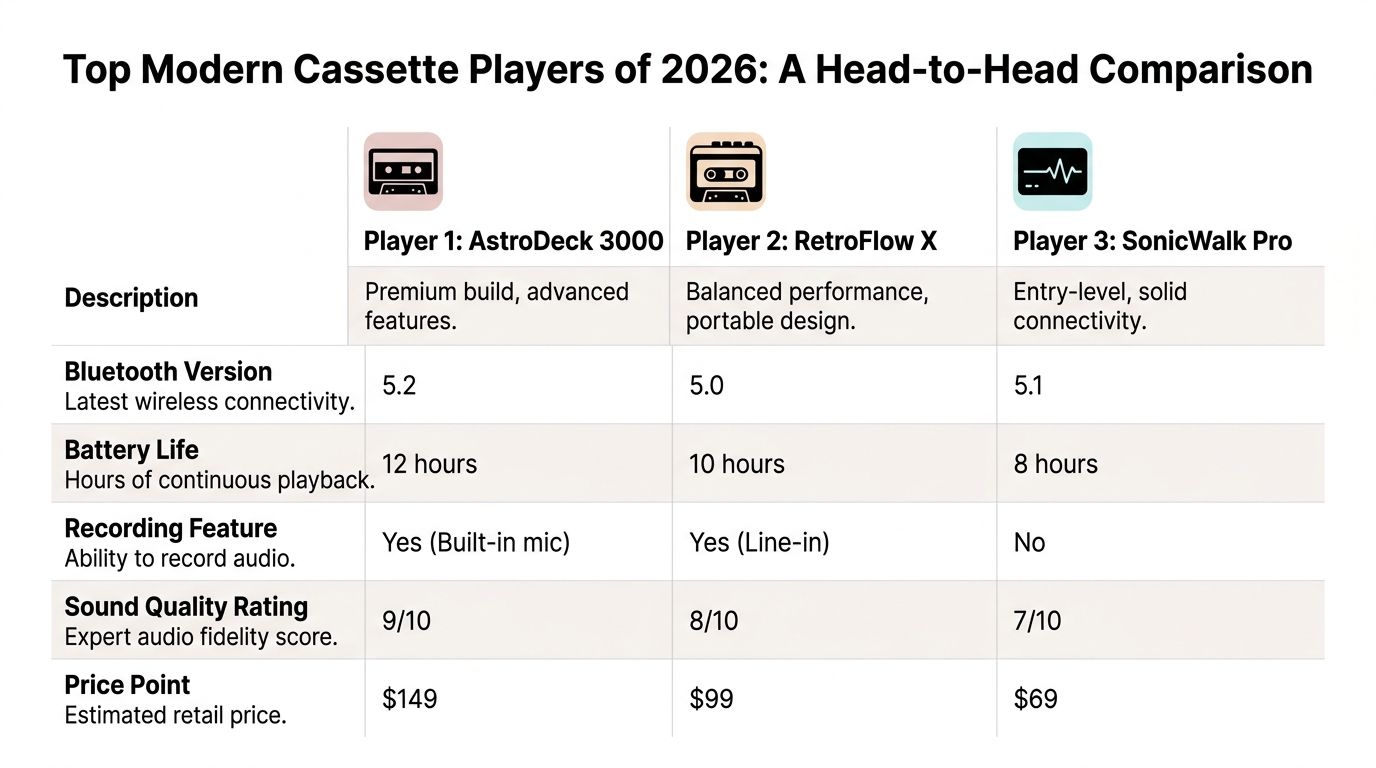
2026 Modern Cassette Player Comparison
| Feature | We Are Rewind | MCR-50 System | Generic Speaker Combo |
|---|---|---|---|
| Bluetooth | Bluetooth 5.2 | Bluetooth-enabled | Bluetooth 5.0 |
| Battery and power | Rechargeable battery with 10 to 12 hours of continuous playback | System format, not focused on portable battery use | 4 x AA power |
| Playback performance | 30Hz to 12,500Hz, 50dB SNR, minimal distortion | Strong option for digitising and noise-managed playback | More casual listening profile |
| Recording | Recording via dual 3.5mm jacks | USB digital output at 48kHz/16-bit PCM for cassette rips | Varies by unit |
| Noise reduction | Not highlighted as core feature | Dolby B noise reduction | Lacks Dolby |
| Portability | Portable at 404g | Better suited to home or archiving use | Heavier at 713g |
| Best for | Portable listening, gifting, and event flexibility | Home transfer, archiving, and cleaner tape capture | Budget-friendly retro fun with compromises |
We Are Rewind for balanced modern use
For DJs, stylists, and serious home listeners, the We Are Rewind Portable Cassette Player is the most convincing all-round option in this group.
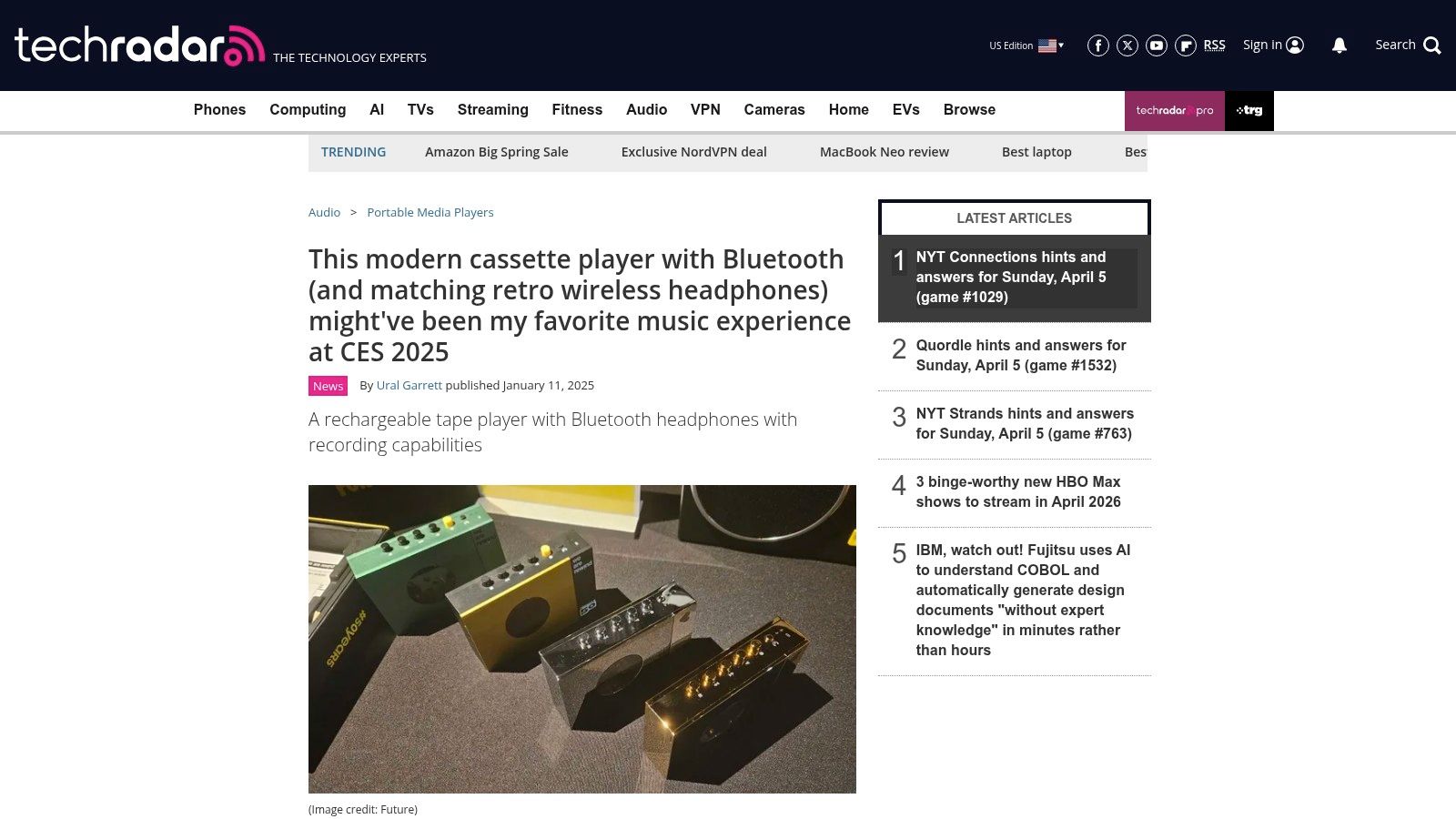
According to TechRadar’s hands-on CES coverage of the We Are Rewind player, it offers Bluetooth 5.2, a rechargeable battery rated for 10 to 12 hours of playback, and published playback specs that are stronger than the usual novelty portable. Those details matter in practice. A player used at a wedding lounge, brand activation, or private listening station needs stable playback, quick wireless pairing, and enough battery life to get through a session without drama.
The recording side is also useful. TechRadar notes 30Hz to 10kHz recording response, 45dB SNR, and 1% typical distortion via dual 3.5mm jacks. That makes it suitable for mixtapes, spoken intros, and simple dubs where convenience matters as much as absolute fidelity.
What stands out in use:
- Wireless integration that fits modern listening habits
- Rechargeable power that makes more sense than chewing through disposable batteries
- Recording inputs that give it a job beyond playback
- Aluminium construction that feels better suited to repeat handling
The trade-off is simple. It still does not replace a serviced vintage deck if your standards are set by high-end home hi-fi. But for portable Bluetooth cassette listening, it is one of the few current models that feels designed by people who expect it to be used regularly.
A quick video gives a better sense of the format and the player in hand.
MCR-50 System for home dubbing and archiving
The MCR-50 System serves a different kind of buyer. It suits collectors with shelves of older tapes, home users building a transfer setup, and anyone who cares more about preservation than portability.
Its strengths are clear from the feature set listed above. USB digital output at 48kHz/16-bit PCM gives it practical value for transferring tapes into a computer-based library. Dolby B noise reduction also matters if you are playing back older cassettes that were recorded with Dolby in mind, because those tapes often sound wrong without it.
This is not the machine I would choose for roaming event use. It makes more sense on a shelf, near a laptop, as part of a home listening or archiving chain.
Best fit for:
- Collectors digitising older tapes
- Listeners who want Dolby-assisted playback
- Home users building a cleaner transfer workflow
If your goal is preserving recordings, the MCR-50 has a stronger case than a portable lifestyle model. If your goal is atmosphere, mobility, and quick setup, it is the less flexible choice.
Generic speaker-combo players for casual novelty
The third group is the all-in-one retro speaker player. These units are everywhere online because they look fun and promise an easy entry point.
They can work for casual use, but the compromises usually show up fast. Built-in speakers add bulk. Battery arrangements are often less elegant. Tape transports tend to feel less precise. In real event settings, that matters more than the product photos suggest. A player that looks charming on a side table can still produce unstable playback, weak output, or a transport that feels rough after a short period of use.
They still have a place:
- Casual home listening
- Gift buyers who want retro appeal first
- Decor-led rooms where the object itself is part of the mood
For serious listening, they are the weakest category here. I would treat them as novelty pieces with Bluetooth, not as dependable tape machines.
Which one suits which type of buyer
| Buyer type | Best direction |
|---|---|
| Wants wireless tape listening with the fewest compromises | We Are Rewind |
| Wants to digitise older cassettes and value Dolby features | MCR-50 System |
| Wants a retro-looking player for occasional casual use | Generic Speaker Combo |
A key difference between these players is not the styling. It is the job each one can handle without frustration.
From a VinylGold point of view, that is the only comparison that counts. A DJ, collector, or serious enthusiast usually needs reliable playback, sensible controls, and a machine that contributes to the atmosphere instead of interrupting it. Casual buyers can accept more compromise. Working setups usually cannot.
Creative Uses for DJs and Event Planners
A modern cassette player earns its place when it creates a moment no generic playlist could deliver.
That is where these machines become more than collector curiosities. In event settings, especially weddings, private parties, and brand activations, they can add intimacy and texture in a way that feels deliberate rather than forced.
Wedding details that feel personal
One of the most effective uses is during the quieter parts of a wedding day.
A couple might have a tape of family favourites, a recreated mixtape from early in their relationship, or a short spoken introduction recorded for a private listening corner. Used carefully, a cassette player can become part of the emotional architecture of the day.
It works especially well in spaces where guests are browsing keepsakes, signing a book, or spending time away from the dance floor. The device itself starts conversations. The tape gives the music a story.
- Welcome area listening: a custom tape can set tone before the main music begins
- Memory table accompaniment: old recordings or curated selections can support family displays
- Late-evening lounge spaces: slower soul, funk, or lovers rock on cassette changes the room’s pace
Corporate events and brand activations
For brand environments, cassettes create a more tactile form of themed audio.
That matters when an organiser wants guests to feel they have entered a space with its own identity. Wireless streaming helps because the tape player can sit visibly in the set design while the actual audio reaches the right speaker zones cleanly.
According to Digital Music News on modern cassette player revival and event use, brands such as NINM Lab and We Are Rewind have helped reinvent the format with wireless streaming, and thematic multi-room audio experiences have been shown to boost listener engagement at corporate events by up to 25%.
That figure is useful because it captures what event teams already sense intuitively. When the sound source looks intentional, guests pay more attention.
DJ booth and side-room applications
In a professional setting, I would not use a portable cassette player as the backbone of the main dance floor. That is not the right job for it.
I would use it for supporting roles where atmosphere matters more than heavy-duty performance. A side-room listening station, a pre-dinner corner, a backstage brand lounge, or a curated tape moment before a set can all work beautifully.
The strongest use cases are usually the least obvious:
-
A pre-event ambience layer
A cassette mix playing softly before the main system opens can make a venue feel lived-in rather than switched on at the last minute. -
A thematic installation piece
For retro launches, fashion spaces, or media events, the player becomes both prop and playback source. -
A personalised gift that also performs a function
A recorded tape can double as both keepsake and active part of the event.
There is a visual side to this as well, which is part of why retro booth styling still lands so well in person. The mood in this kind of golden DJ-booth image works because analogue-looking gear changes how people perceive the room before they hear a single transition.
A cassette player works best at events when it supports storytelling. It should add character to the room, not compete with the main sound system.
What does not work
A few uses sound good on paper and disappoint in reality.
Do not rely on a portable cassette unit for mission-critical playback in a loud, complex event environment. Do not expect it to replace a proper DJ source setup. Do not assume every tape is in condition to play publicly without testing it first.
Used with intention, though, modern cassette players with Bluetooth can do something streaming rarely does. They make people stop, look, ask questions, and listen differently.
Our Top Pick for Authentic Sound and Reliability
A modern cassette player earns its place the moment it survives real use. That means a long prep day, repeated handling, a few hours of playback, and the usual bag-to-booth abuse that kills cheaper portable gear fast. On that standard, We Are Rewind is the model I recommend most often.
It feels like a machine built to be used, not just photographed. The controls are straightforward, Bluetooth is practical for personal listening, and the recording function gives it a purpose beyond novelty ownership.
Why it comes out ahead
From a DJ and event-curation perspective, the best gear is the gear that behaves predictably. We Are Rewind gets closer to that than most current cassette portables. Battery performance is strong in everyday use, the chassis feels more substantial than the usual plastic alternatives, and adjustable recording levels make a real difference if you are building custom tapes for a set, a listening bar, or a branded event.
That last point matters more than spec-sheet buyers often realise. Fixed recording levels are one of the quickest ways to ruin a good cassette transfer. If the input hits too hard, the tape sounds messy. If it runs too low, the result feels flat and underpowered. A player that gives you control is easier to trust.
The styling helps, but the ranking is not about styling alone. The aluminium body, rechargeable design, and wireless playback all support regular use. I would still choose a serviced vintage deck for critical home recording, but for a current portable unit that needs to travel and work without drama, this is the safer bet.
Who should buy it
We Are Rewind suits listeners who want the cassette experience without inheriting the maintenance headaches of old portable units. It also suits gift buyers who want something that feels current rather than gimmicky. For DJs, selectors, and event planners, it makes sense as a secondary format tool, especially for intimate listening moments, artist merch tables, green rooms, and culture-led activations where the object itself adds atmosphere.
It is less convincing as a dedicated archiving machine. If the main job is large-scale digitising or restoration, a proper deck-based setup will give you better control and more consistent results.
The same principle shows up across analogue playback. Anyone serious about maintaining authentic sound and reliability knows that build quality, transport stability, and sensible maintenance choices shape the result more than branding does.
That is also why visual identity only matters when the hardware backs it up. Even a simple brand cue like the Vinyl Gold visual identity points to the standard serious buyers should expect. Retro gear should look good, sound convincing, and keep working when the room is full.

If you want one modern cassette player that balances sound, build, battery life, and day-to-day usability, We Are Rewind is the safest recommendation.
Frequently Asked Questions About Modern Cassettes
Can modern cassette players with Bluetooth record from a phone or laptop
Some can, some cannot.
The important detail is whether the player includes a proper recording input rather than playback only. If it does, you can usually dub audio from a phone, laptop, or another source with the right cable setup. The recording quality depends heavily on the player’s controls and the source level.
Which tape type should I use
For most modern portable players, Type I tapes are the safest and simplest option.
They are the most straightforward match for current portable designs. If you use other tape types, playback can still work, but results may be less predictable depending on the machine.
How do I keep a cassette player sounding good
Basic maintenance matters more than people think.
- Keep the tape path clean: dust and residue can affect playback quickly
- Store tapes properly: heat, moisture, and loose storage damage both shell and tape
- Test old cassettes before important use: especially if the tape has sentimental value
- Charge the unit before long sessions: avoid preventable interruptions
A gentle clean and sensible storage habits do more for everyday performance than endless tweaking.
Are modern players better than vintage ones
Not automatically.
A well-serviced vintage deck can still outperform many modern portable units. But vintage gear often brings its own complications, including ageing belts, battery issues, and inconsistent condition. Modern players win on convenience, wireless features, and ease of day-to-day use.
Are they worth buying for events
Yes, if you use them in the right role.
They are excellent for atmosphere, themed playback, lounge areas, and personalised audio moments. They are less suited to replacing a full professional playback chain for the main room.
If you want a DJ team that cares about music in exactly this way, from analogue atmosphere to clean modern playback, explore VinylGold. We build wedding, private party, and corporate soundtracks with the same priorities that make great retro gear worth owning. Taste, reliability, and a room that feels memorable from the first track.