
Few bands shaped late 1970s and early 1980s music like The Police. Their fusion of reggae, rock, and new wave created a fresh and direct sound. Moreover, their tight song writing and sharp musicianship helped them stand out quickly. This article, Police albums reviewed, explores how each release pushed their sound forward.
While trends changed rapidly, the band adapted with confidence and clarity. As a result, each record reflects a clear step in their artistic growth. From raw beginnings to polished ambition, their catalogue remains influential. Therefore, this guide to Police albums reviewed highlights the evolution behind their success.
Most Asked Questions
Why did The Police break up?
Tension grew between Sting and Stewart Copeland during the Synchronicity sessions. Creative clashes increased, and recording became difficult. As a result, the band chose to stop rather than continue under strain.
Are The Police still together?
The band officially disbanded in 1986. However, they reunited for a global tour between 2007 and 2008. Since then, they have not resumed full-time activity.
What was The Police’s first hit?
“Roxanne” became their breakthrough song. Initially, it gained little attention. However, a later re-release pushed it into the spotlight.
Who were the members of The Police?
The lineup featured Sting, Andy Summers, and Stewart Copeland. Together, they formed a tight and distinctive trio.
What genre is The Police?
Their sound fits within new wave. However, they also blended reggae, rock, and jazz influences.
Outlandos d’Amour (1978)
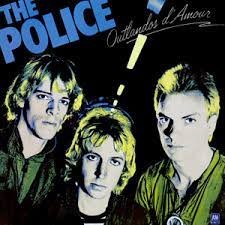
The debut album from The Police arrived with urgency and attitude. Outlandos d’Amour introduced a raw mix of punk energy and reggae rhythm. From the start, this release set the tone for Police albums reviewed discussions.
Moreover, the band delivered direct songwriting with clear hooks and tight arrangements. “Roxanne” stood out, although it needed time to gain traction. Meanwhile, “So Lonely” showed their ability to balance melody with rhythm. As a result, the album built a strong foundation for future success.
However, the production remained simple and unpolished. That approach worked in their favour, as it captured their early identity. In addition, the trio’s chemistry already felt strong and focused. Each member contributed without overcomplicating the sound.
Therefore, Outlandos d’Amour remains essential when exploring Police albums reviewed. It shows a band finding direction while staying bold. Although later albums refined the formula, this debut holds its own. Ultimately, it captures a moment when energy mattered more than perfection.
Reggatta de Blanc (1979)
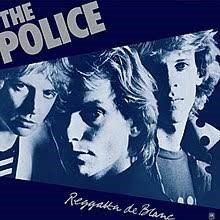
With Reggatta de Blanc, The Police sharpened their sound and expanded their reach. This second album refined the blend of reggae and rock. Consequently, it plays a key role in any Police albums reviewed overview.
“Message in a Bottle” became a defining hit, driven by a memorable guitar line. Meanwhile, “Walking on the Moon” slowed the pace and created space. As a result, the album felt more controlled and confident.
In contrast to the debut, this release embraced atmosphere and restraint. The band allowed songs to breathe, which added depth. Furthermore, instrumental passages became more adventurous and focused. That shift helped shape their signature style.
However, the album never loses its sense of rhythm. Each track builds around strong grooves and clear structure. Therefore, it connects easily with listeners while still showing growth.
When considering Police albums reviewed, this album marks a turning point. It proves the band could evolve without losing identity. Ultimately, Reggatta de Blanc stands as a confident step forward.
Zenyatta Mondatta (1980)
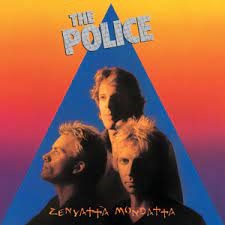
Zenyatta Mondatta pushed The Police into global recognition. The album balanced accessible hits with experimental ideas. As a result, it holds a strong place in Police albums reviewed discussions.
“Don’t Stand So Close to Me” delivered a major chart success. Meanwhile, other tracks explored unusual structures and sounds. Consequently, the album mixed mainstream appeal with creative risks.
However, the recording process faced time pressure. Despite that, the band produced a focused and varied collection. In addition, the trio continued to refine their musical interplay. Each part felt deliberate and well placed.
The album also expanded lyrical themes. Social issues and personal stories appeared more frequently. Therefore, the songs carried more weight without losing clarity.
When reviewing Police albums reviewed, this record shows ambition and confidence. It captures a band managing success while still experimenting. Although not as polished as later work, it remains engaging. Ultimately, Zenyatta Mondatta reflects both growth and curiosity.
Ghost in the Machine (1981)
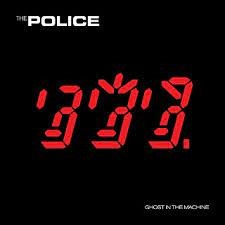
With Ghost in the Machine, The Police shifted their sound in a noticeable way. The album introduced horns, synthesizers, and darker themes. Therefore, it stands out in Police albums reviewed for its bold direction.
“Every Little Thing She Does Is Magic” provided a strong commercial moment. However, much of the album explored more serious ideas. As a result, the tone felt heavier and more reflective.
In addition, the band embraced fuller arrangements. Layers of sound replaced the stripped-back style of earlier albums. Consequently, the music gained depth and complexity.
However, the core identity remained intact. Strong rhythms and clear melodies still guided each track. That balance helped the album connect with a wide audience.
When examining Police albums reviewed, this release highlights a willingness to change. It shows a band expanding creatively without losing focus. Although some fans preferred earlier simplicity, this shift proved important. Ultimately, Ghost in the Machine bridges experimentation and accessibility.
Synchronicity (1983)
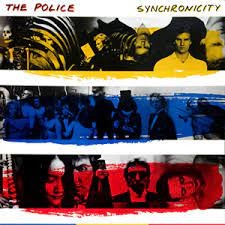
Synchronicity represents the peak of The Police’s creative output. The album combines complex production with strong song writing. As a result, it defines the final chapter in Police albums reviewed.
“Every Breath You Take” became one of their biggest hits. Meanwhile, other tracks explored layered arrangements and varied moods. Consequently, the album feels both polished and ambitious.
However, tension within the band shaped the recording process. Creative differences pushed each member in separate directions. Despite that, the final result remains cohesive and focused.
In addition, the production quality reached a new level. Each instrument sits clearly within the mix. Therefore, the album sounds refined without losing energy.
When considering Police albums reviewed, this record stands as their most complete work. It captures both their strengths and their struggles. Although it marked the end, it also confirmed their legacy. Ultimately, Synchronicity remains a defining album of its era.
Looking back, The Police built a concise yet powerful discography. Each release added something new while maintaining a clear identity. Therefore, this journey through Police albums reviewed shows consistent growth and purpose.
From raw beginnings to refined production, the band evolved with confidence. However, internal tension eventually brought the story to a close. Even so, their music continues to resonate with new listeners.
In the end, Police albums reviewed reveals a band that valued progression and clarity. Their five albums remain essential listening for fans of modern rock.