

Arctic Monkeys remain one of the most influential indie rock bands in modern music. Since their explosive debut, they have shaped the indie scene with bold reinvention. Unlike many peers, they refuse to repeat a formula, which keeps their sound fresh and relevant. As a result, fans and critics continue to revisit their catalogue when discussing indie rock evolution.
Moreover, their ability to shift styles without losing identity sets them apart from other bands. From raw garage rock to cinematic orchestration, their journey feels deliberate and confident. This guide explores their full discography with Arctic Monkeys albums reviewed in detail. Each record reflects a different phase of artistic growth, making their catalogue essential listening.
Most Asked Questions About Arctic Monkeys
Where are Arctic Monkeys from?
Arctic Monkeys formed in Sheffield, England, a city known for its working-class roots and strong music culture. This background shaped their early sound and lyrical themes. Their debut album reflects real-life stories from Sheffield nightlife, which helped them connect with audiences quickly. As their popularity grew, they carried that identity worldwide, reinforcing their authenticity. Even today, Sheffield remains central to their image and influence.
Who is the lead singer of Arctic Monkeys?
The band’s frontman is Alex Turner, known for his sharp lyrics and evolving vocal style. Early in their career, his delivery felt fast and observational. However, he later embraced a more controlled and stylised approach. His song writing drives the band’s direction, especially on later albums like Tranquility Base Hotel & Casino. Consequently, his creative vision plays a major role in their longevity.
How many albums do Arctic Monkeys have?
Arctic Monkeys have released seven studio albums, alongside standalone singles like “Opening Night.” Each album marks a clear shift in sound and ambition. Therefore, fans often revisit the catalogue to trace their musical evolution. This article presents all seven records with Arctic Monkeys albums reviewed in depth.
What was the Arctic Monkeys’ first album?
Their debut album, Whatever People Say I Am, That’s What I’m Not, arrived in 2006. It quickly became one of the fastest-selling debut albums in UK history. The record captured youth culture with sharp detail and energy. As a result, it set the tone for their early success and global reach.
Why did Arctic Monkeys change their sound?
Arctic Monkeys changed their sound to avoid repetition and maintain creative control. Instead of repeating early success, they explored new influences with each album. For example, Humbug introduced darker tones, while Tranquility Base Hotel & Casino embraced lounge and sci-fi themes. This constant evolution keeps their music fresh and relevant. It also explains why discussions around Arctic Monkeys albums reviewed remain popular today.
Whatever People Say I Am, That’s What I’m Not (2006)

Arctic Monkeys launched their career with a high-energy debut that defined British indie rock. From the first track, the album delivers sharp storytelling and fast-paced rhythms. Moreover, the lyrics focus on nightlife, relationships, and everyday observations, which feel authentic and relatable. Songs like “I Bet You Look Good on the Dancefloor” drive the album’s momentum with urgency and attitude.
Additionally, the production keeps a raw edge, which strengthens the band’s identity. Alex Turner’s delivery feels direct, while the band maintains tight instrumentation throughout. As a result, the album captures a specific moment in youth culture without sounding forced. Many fans still rank it highly when discussing Arctic Monkeys albums reviewed.
Furthermore, the record’s impact on indie music remains significant. It inspired a wave of guitar-driven bands during the mid-2000s. While later albums explore new styles, this debut still represents their roots. Therefore, it stands as a key entry in any Arctic Monkeys albums reviewed list.
Favourite Worst Nightmare (2007)
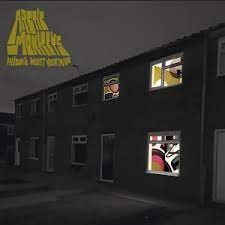
The second album builds on the debut while pushing the band’s energy further. From the opening track “Brianstorm,” the pace feels faster and more aggressive. However, the band also introduces more variation in structure and tone. Tracks like “Fluorescent Adolescent” show a shift toward melodic storytelling.
Moreover, the album balances speed with control, which highlights their growth as musicians. Alex Turner refines his lyrics, adding more depth and reflection. As a result, the record feels less chaotic but more focused. This progression often stands out in discussions of Arctic Monkeys albums reviewed.
Additionally, the production feels cleaner without losing intensity. The band maintains their identity while improving song writing consistency. Therefore, Favourite Worst Nightmare confirms their ability to evolve quickly. It remains a strong contender in any Arctic Monkeys albums reviewed ranking.
Humbug (2009)

Humbug marks a clear shift toward darker and more experimental sounds. Produced with Josh Homme, the album introduces desert rock and psychedelic elements. Consequently, the atmosphere feels heavier and more layered than previous releases.
Tracks like “Crying Lightning” highlight a slower, mood-driven approach. Meanwhile, the band experiments with tone and structure across the album. This change initially divided fans, yet it gained appreciation over time. Today, it holds a strong position in many Arctic Monkeys albums reviewed discussions.
Furthermore, Alex Turner’s lyrics become more abstract and less direct. This shift adds depth but requires more attention from listeners. As a result, the album rewards repeat listens. It also shows the band’s willingness to take risks, which defines their career. Therefore, Humbug remains essential in any Arctic Monkeys albums reviewed feature.
Suck It and See (2011)

With Suck It and See, Arctic Monkeys return to a brighter and more melodic sound. However, they keep the maturity gained from earlier experiments. The album blends indie rock with vintage pop influences, creating a more relaxed tone.
Songs like “She’s Thunderstorms” and “Reckless Serenade” highlight this shift clearly. Moreover, the lyrics focus more on relationships and introspection. As a result, the album feels more personal and reflective. Many fans appreciate this balance when exploring Arctic Monkeys albums reviewed.
Additionally, the production feels polished without losing character. The band maintains strong song writing while simplifying arrangements. Therefore, the album stands as a transitional point in their discography. It bridges earlier energy with later sophistication, which strengthens its place in Arctic Monkeys albums reviewed rankings.
AM (2013)

AM represents a major commercial and artistic peak for Arctic Monkeys. The album blends heavy guitar riffs with hip-hop influences and slower grooves. As a result, it creates a distinct and accessible sound.
Tracks like “Do I Wanna Know?” and “R U Mine?” define the album’s identity. Moreover, the production feels sleek and modern, which broadens their audience. Alex Turner adopts a more controlled vocal style, adding confidence to each track. Consequently, the album gained global success and critical acclaim.
Furthermore, AM stands out as one of their most cohesive records. Every track contributes to a unified tone and mood. This consistency often places it at the top of Arctic Monkeys albums reviewed lists.
Additionally, its influence extends beyond indie rock into mainstream music. Therefore, AM remains a key reference point in any Arctic Monkeys albums reviewed article.
Tranquility Base Hotel & Casino (2018)
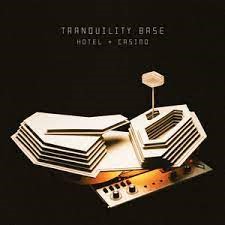
This album takes a bold step away from guitar-driven rock. Instead, it focuses on piano-led arrangements and lounge-inspired sounds. As a result, the tone feels slower and more atmospheric.
Alex Turner shifts toward narrative storytelling with sci-fi themes. Tracks like “Four Out of Five” reflect this conceptual approach. Initially, the album divided listeners due to its style change. However, it gained recognition for its ambition and originality.
Moreover, the production creates a cohesive and immersive experience. Each track contributes to a larger concept rather than standing alone. This approach makes the album unique within Arctic Monkeys albums reviewed discussions.
Additionally, the record shows complete artistic control and confidence. Therefore, it represents a key turning point in their evolution. Its distinct style ensures a strong position in any Arctic Monkeys albums reviewed feature.
The Car (2022)
The Car continues the direction established by its predecessor while refining the sound. The album leans into orchestral pop and cinematic arrangements. As a result, it feels more polished and expansive.
Tracks like “There’d Better Be a Mirrorball” highlight this approach clearly. Moreover, the instrumentation includes strings and layered textures, adding depth. Alex Turner delivers more restrained vocals, which suit the album’s tone.
Additionally, the song writing focuses on atmosphere rather than immediacy. This shift may challenge casual listeners, yet it rewards careful listening. Consequently, the album strengthens their reputation for experimentation.
Furthermore, The Car confirms their commitment to artistic growth. It avoids repetition while maintaining identity, which defines their career. Therefore, it plays a crucial role in any Arctic Monkeys albums reviewed overview.
Arctic Monkeys continue to evolve without losing relevance, which keeps them at the top of indie rock. Each album reflects a different creative phase, yet the band maintains a clear identity. This balance explains why discussions around Arctic Monkeys albums reviewed remain popular.
Ultimately, their willingness to change ensures long-term success. Few bands manage to reinvent themselves while keeping a loyal audience. However, Arctic Monkeys achieve this consistently, which secures their legacy in 2026 and beyond.