

Killing Joke stand as one of the most influential bands in post-punk and industrial music. Since 1979, they have shaped a sound built on tribal rhythms, heavy guitars, and political intensity. Moreover, their music blends aggression with atmosphere, creating a style that many bands later adopted.
Across decades, Killing Joke albums reviewed by critics often highlight their fearless evolution. While trends shifted, the band consistently pushed boundaries and challenged expectations. As a result, their catalogue offers a unique journey through alternative music history.
This guide explores Killing Joke albums reviewed in depth, covering every studio release and their lasting impact.
Most Asked Questions About Killing Joke
Who are the members of Killing Joke?
The classic lineup defines the band’s identity. Jaz Coleman leads with commanding vocals and sharp lyrics. Meanwhile, Geordie Walker delivers a distinctive guitar tone that shaped post-punk. Youth anchors the sound with melodic yet driving basslines. Big Paul Ferguson adds tribal drums that give Killing Joke their signature rhythm. Together, they created the core sound heard across many Killing Joke albums reviewed today.
What is Killing Joke’s most famous song?
“Love Like Blood” remains their biggest hit and gained strong chart success. Additionally, “Eighties” became widely recognised for its catchy riff and broad appeal. Both tracks often appear in discussions of Killing Joke albums reviewed, as they represent the band’s most accessible work.
Is Killing Joke still together?
The band entered a period of uncertainty following Geordie Walker’s passing in late 2023. Since then, members have paused activity while mourning. Therefore, Killing Joke currently remain on hiatus, although their legacy continues to grow through ongoing interest.
How did Killing Joke influence Nirvana?
Many listeners noticed similarities between “Eighties” and Nirvana’s “Come As You Are.” The riff structure closely aligns, sparking debate over influence. While no legal dispute followed, the connection highlights how Killing Joke albums reviewed today influenced major grunge acts.
The Albums
Killing Joke (1980)
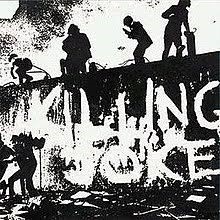
Killing Joke’s debut delivers a raw and aggressive introduction to their sound. From the opening track, the band establishes a hypnotic blend of post-punk and industrial tension. Moreover, “Wardance” drives forward with relentless rhythm, while “Requiem” adds a darker, atmospheric edge.
The production feels stripped back, yet it enhances the album’s intensity. Jaz Coleman’s vocals cut through each track with urgency and conviction. Meanwhile, Geordie Walker’s guitar work creates a jagged, almost mechanical texture. As a result, the album feels both primal and futuristic.
When discussing Killing Joke albums reviewed, this debut often ranks among the most influential. It set the blueprint for industrial rock and inspired countless artists. Additionally, the tribal drumming adds a unique identity that separates the band from peers.
Listeners still revisit this album for its uncompromising energy and political tone. Furthermore, its themes remain relevant decades later. Killing Joke albums reviewed frequently highlight this release as essential listening.
Ultimately, the debut captures a band with a clear vision and fearless execution. Therefore, it remains a cornerstone of their discography and legacy.
What’s THIS For…! (1981)
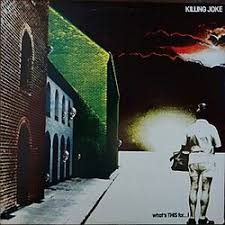
The second album pushes deeper into rhythm-driven experimentation. While the debut focused on raw power, this release sharpens its grooves. “Follow the Leaders” stands out with its hypnotic beat and layered textures.
Jaz Coleman expands his vocal range here, adding more nuance to the delivery. Meanwhile, the band tightens its overall sound, creating a more cohesive experience. As a result, the album feels deliberate and controlled.
In many Killing Joke albums reviewed, this record receives praise for its rhythmic focus. Additionally, the bass and drums dominate the mix, giving each track a tribal pulse. This approach sets it apart from typical post-punk releases of the time.
Although it lacks mainstream hits, the album builds strong momentum. Furthermore, its experimental edge appeals to dedicated fans. Killing Joke albums reviewed often describe it as a bridge between raw beginnings and later refinement.
Overall, the band expands their identity while maintaining intensity. Therefore, this album plays a key role in their early evolution.
Revelations (1982)
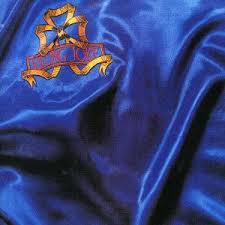
“Revelations” introduces a darker and more atmospheric direction. From the outset, the tone feels heavier and more immersive. Tracks like “The Hum” and “Empire Song” showcase this shift clearly.
The production creates a dense soundscape that surrounds the listener. Meanwhile, Coleman’s vocals sound more intense and urgent. As a result, the album carries a sense of looming tension.
Among Killing Joke albums reviewed, this release often stands out for its mood. Additionally, the band leans into slower tempos, which enhances the weight of each track. This decision adds depth and variation.
While some listeners prefer earlier energy, others value this darker approach. Furthermore, the themes explore control and conflict in greater detail. Killing Joke albums reviewed frequently highlight this album’s ambition.
Ultimately, “Revelations” shows a band willing to evolve without compromise. Therefore, it remains a crucial part of their catalogue.
Fire Dances (1983)
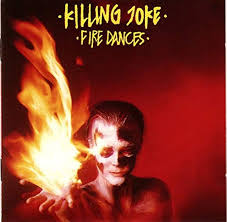
“Fire Dances” shifts toward a more melodic and accessible sound. While the band retains intensity, they introduce brighter textures. “Let’s All Go (to the Fire Dances)” captures this balance perfectly.
The rhythms remain strong, yet the overall tone feels lighter. Meanwhile, the guitar work explores more melodic territory. As a result, the album becomes more approachable.
Killing Joke albums reviewed often describe this release as underrated. Additionally, it blends accessibility with experimentation effectively. This combination broadens the band’s appeal.
Although it differs from earlier work, it still carries the band’s identity. Furthermore, the songwriting shows clear growth. Killing Joke albums reviewed frequently note this evolution.
In conclusion, “Fire Dances” offers a fresh perspective without losing core elements. Therefore, it stands as a unique entry in their discography.
Night Time (1985)
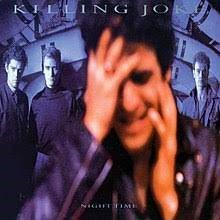
“Night Time” marks a breakthrough moment for Killing Joke. With “Love Like Blood,” the band achieved widespread recognition. Meanwhile, “Eighties” delivered a memorable and influential riff.
The album balances accessibility with depth, which attracts a wider audience. Jaz Coleman’s vocals feel more controlled, yet still powerful. As a result, the sound becomes more polished.
Killing Joke albums reviewed consistently highlight this record as a fan favourite. Additionally, the production enhances clarity without losing intensity. This approach helps the band reach new listeners.
The themes remain dark, although the presentation feels more refined. Furthermore, the album’s success expanded their global presence. Killing Joke albums reviewed often rank it among their best.
Overall, “Night Time” represents a key turning point. Therefore, it remains one of their most important releases.
Brighter Than a Thousand Suns (1986)
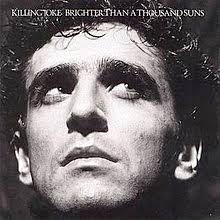
This album takes a more experimental and polished direction. The band explores layered production and atmospheric detail. Tracks like “Adorations” showcase this refined approach.
While some fans expected heavier material, the band chose progression instead. Meanwhile, the songwriting focuses on mood and structure. As a result, the album feels expansive.
Killing Joke albums reviewed often describe this release as divisive. However, many now appreciate its ambition and scope. Additionally, it highlights the band’s willingness to evolve.
The themes centre on political tension and existential fear. Furthermore, the production adds depth to these ideas. Killing Joke albums reviewed frequently revisit this album with fresh appreciation.
In summary, the band prioritised experimentation over familiarity. Therefore, the album remains a bold artistic statement
Outside the Gate (1988)
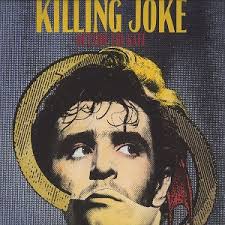
“Outside the Gate” represents a significant departure in sound. The album leans heavily into synth-driven arrangements. “America” stands out as a key track from this era.
The shift toward electronic textures changes the band’s identity. Meanwhile, traditional guitar elements take a back seat. As a result, reactions remain mixed.
Killing Joke albums reviewed often rank this album as controversial. However, it still demonstrates creative risk-taking. Additionally, the band explores new sonic territory.
Although it differs from earlier work, it offers a unique perspective. Furthermore, it reflects the musical climate of the late 1980s. Killing Joke albums reviewed frequently note its bold direction.
Ultimately, the album divides opinion but adds variety. Therefore, it remains an interesting chapter in their history.
Extremities, Dirt and Various Repressed Emotions (1990)
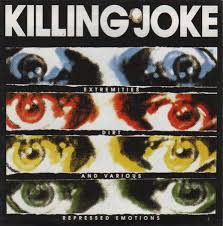
This album marks a return to a heavier and more aggressive sound. The band reintroduces raw energy and intensity. “The Money Is Not Our God” highlights this shift.
The production feels more direct and powerful. Meanwhile, the performances carry renewed urgency. As a result, the album reconnects with earlier fans.
Killing Joke albums reviewed often praise this release for its focus. Additionally, it balances experimentation with familiar elements. This approach strengthens its impact.
The themes remain politically charged and confrontational. Furthermore, the band delivers consistent energy throughout. Killing Joke albums reviewed frequently highlight its cohesion.
In conclusion, the album restores the band’s core identity. Therefore, it stands as a strong comeback effort.
Pandemonium (1994)
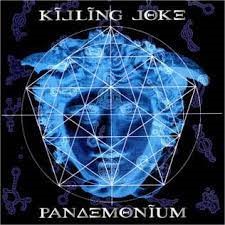
“Pandemonium” introduces a fusion of industrial metal and world influences. The title track delivers explosive energy and scale. Meanwhile, “Millennium” became a standout single.
The band records parts of the album in unique locations, adding atmosphere. As a result, the sound feels expansive and intense. Jaz Coleman’s vocals match this heightened energy.
Killing Joke albums reviewed often highlight this release as a late-career peak. Additionally, the production enhances its powerful sound. This combination attracts both old and new fans.
The album explores themes of chaos and global tension. Furthermore, the music reflects these ideas through heavy instrumentation. Killing Joke albums reviewed frequently rank it highly.
Overall, “Pandemonium” delivers a bold and confident statement. Therefore, it remains one of their strongest releases.
Democracy (1996)
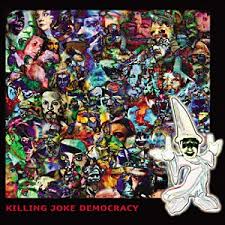
“Democracy” continues the energy of its predecessor while refining the sound. The title track captures the album’s political focus. Meanwhile, the band maintains a consistent tone.
The production feels tighter and more controlled. As a result, the album offers a focused listening experience. Jaz Coleman’s vocals remain sharp and direct.
Killing Joke albums reviewed often describe this release as solid but overlooked. Additionally, it delivers strong songwriting without major risks. This balance appeals to core fans.
The themes address societal issues and governance. Furthermore, the music supports these ideas effectively. Killing Joke albums reviewed frequently note its consistency.
In summary, the album reinforces the band’s strengths. Therefore, it stands as a reliable entry in their catalogue.
Killing Joke (2003)
The 2003 self-titled album marks a powerful return. The band reconnects with their early aggression and intensity. “The Death and Resurrection Show” stands out immediately.
The lineup brings renewed chemistry and focus. Meanwhile, the production captures a raw and modern sound. As a result, the album feels both classic and fresh.
Killing Joke albums reviewed often rank this release among their best later works. Additionally, it balances nostalgia with innovation. This combination strengthens its appeal.
The themes reflect global uncertainty and conflict. Furthermore, the band delivers each track with conviction. Killing Joke albums reviewed consistently praise its energy.
Ultimately, the album reaffirms their relevance. Therefore, it remains a standout in their later career.
Hosannas from the Basements of Hell (2006)
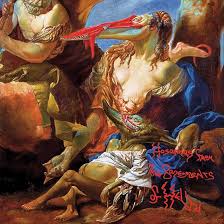
This album continues the aggressive tone of the 2003 release. The band leans into darker and heavier themes. The title track captures this intensity.
The production emphasises a dense and layered sound. Meanwhile, the performances remain powerful and focused. As a result, the album maintains momentum.
Killing Joke albums reviewed often highlight its consistency. Additionally, it builds on previous success without repeating ideas. This approach keeps the sound engaging.
The themes explore chaos and destruction. Furthermore, the music reflects these concepts clearly. Killing Joke albums reviewed frequently note its cohesion.
In conclusion, the album delivers a strong continuation. Therefore, it holds an important place in their later work.
Absolute Dissent (2010)
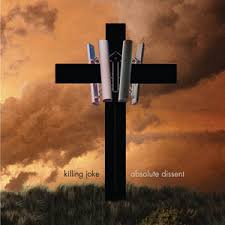
“Absolute Dissent” reunites the classic lineup, which excites longtime fans. The album delivers a balanced mix of melody and aggression. “European Super State” stands out strongly.
The production feels polished while retaining intensity. Meanwhile, the songwriting shows maturity and focus. As a result, the album appeals widely.
Killing Joke albums reviewed often praise this release for its balance. Additionally, it honours the band’s legacy while moving forward. This blend strengthens its impact.
The themes address modern political issues and identity. Furthermore, the band delivers clear and direct messages. Killing Joke albums reviewed frequently highlight its relevance.
Overall, the album marks a successful reunion. Therefore, it stands as a key modern release.
MMXII (2012)
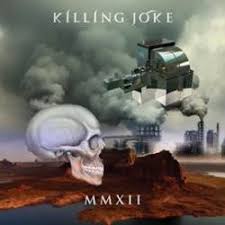
“MMXII” builds on the momentum of the previous album. The band delivers a darker and more atmospheric sound. “Corporate Elect” highlights this direction.
The production emphasises depth and tension. Meanwhile, the performances remain tight and focused. As a result, the album feels cohesive.
Killing Joke albums reviewed often describe this release as intense and immersive. Additionally, it explores themes of control and power. This focus adds weight to the music.
The album maintains a consistent tone throughout. Furthermore, the band avoids unnecessary experimentation. Killing Joke albums reviewed frequently note its discipline.
In summary, “MMXII” reinforces their modern identity. Therefore, it remains a strong addition to their catalogue.
Pylon (2015)
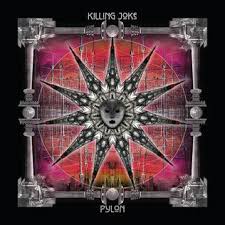
“Pylon” stands as the latest studio album from Killing Joke. The band delivers a confident and aggressive sound. “I Am the Virus” captures this energy.
The production feels sharp and direct. Meanwhile, the performances reflect years of experience. As a result, the album sounds focused and powerful.
Killing Joke albums reviewed often highlight this release as a strong late entry. Additionally, it maintains intensity without losing clarity. This balance works effectively.
The themes address modern society and global tension. Furthermore, the band communicates these ideas clearly. Killing Joke albums reviewed frequently praise its consistency.
Ultimately, “Pylon” closes their studio catalogue on a high note. Therefore, it reinforces their lasting influence.
Killing Joke’s catalogue shows constant evolution and fearless creativity. From raw beginnings to refined later work, the band never stood still. Moreover, each album adds a new layer to their identity.
Across all Killing Joke albums reviewed, one theme remains clear: innovation drives their legacy.